
‌Can Bus Zonal Fare Collection Be Applied to Metro Systems?

Views : 519
Author : Kathy
Update time : 2026-04-02 09:46:59

1. Fare Segmentation by Distance

Most metro systems use distance-based fare segmentation, such as:
  • Wuxi Metro‌:
    • Base fare: ‌¥2‌ (for the first 5 km)
    • ¥1‌ added for 5–15 km
    • ¥1‌ added for 15–29 km
    • ¥1‌ added for every additional 9 km beyond 29 km
  • Changzhou Metro‌: Adjusts fares dynamically, integrating bus and metro into a multi-level fare system.
  •  

2. Intermodal Transfer Discounts

Some cities offer unified transfer discounts between buses and metros:

  • Tianjin‌:
    • ¥1 discount‌ for transfers within 90 minutes (using the same app).
  • Fuzhou‌:
    • ¥1 off‌ when transferring from bus to metro.
    • ¥0.5 off‌ when transferring from metro to bus.
    • Valid for transfers within 3–90 minutes.
  • Wuxi‌:
    • ¥1 fare‌ for transfers within 1 hour between bus and metro.

3. Technology & Payment Methods

Fare segmentation relies on smart cards or mobile payment systems:
  • Shenzhen Tong‌:
    • Works across ‌336 cities‌ in China, with local discounts.
  • Kunshan‌:
    • Buses and metros require separate payments, with no transfer discounts yet.
    •  

4. Special Group Policies

Certain groups (seniors, students, etc.) receive additional benefits:

  • Tianjin‌:
    • Elderly cardholders only get discounts on bus routes ‌¥3+‌ when transferring to metro.
  • Jinan‌:
    • Optimizes transfers through ‌"bus + metro" integration‌, improving fare efficiency.

In summary, bus fare segmentation can be adapted for metros, but policies vary by city. Always check local transportation authorities for the latest rules.
Related News
Read More >>
Why do some buses have only one card reader while others have two? Why do some buses have only one card reader while others have two?
Apr .09.2026
Whether a bus is equipped with one or two card readers mainly depends on the fare calculation method of the route: single-fare routes usually only require passengers to tap their cards once when boarding, so one card reader is sufficient; while distance-based fare routes require passengers to tap their cards both when boarding and alighting to calculate the actual trip cost, hence two card readers are needed.
In which fields can prepaid cards be used for bus card readers? In which fields can prepaid cards be used for bus card readers?
Mar .30.2026
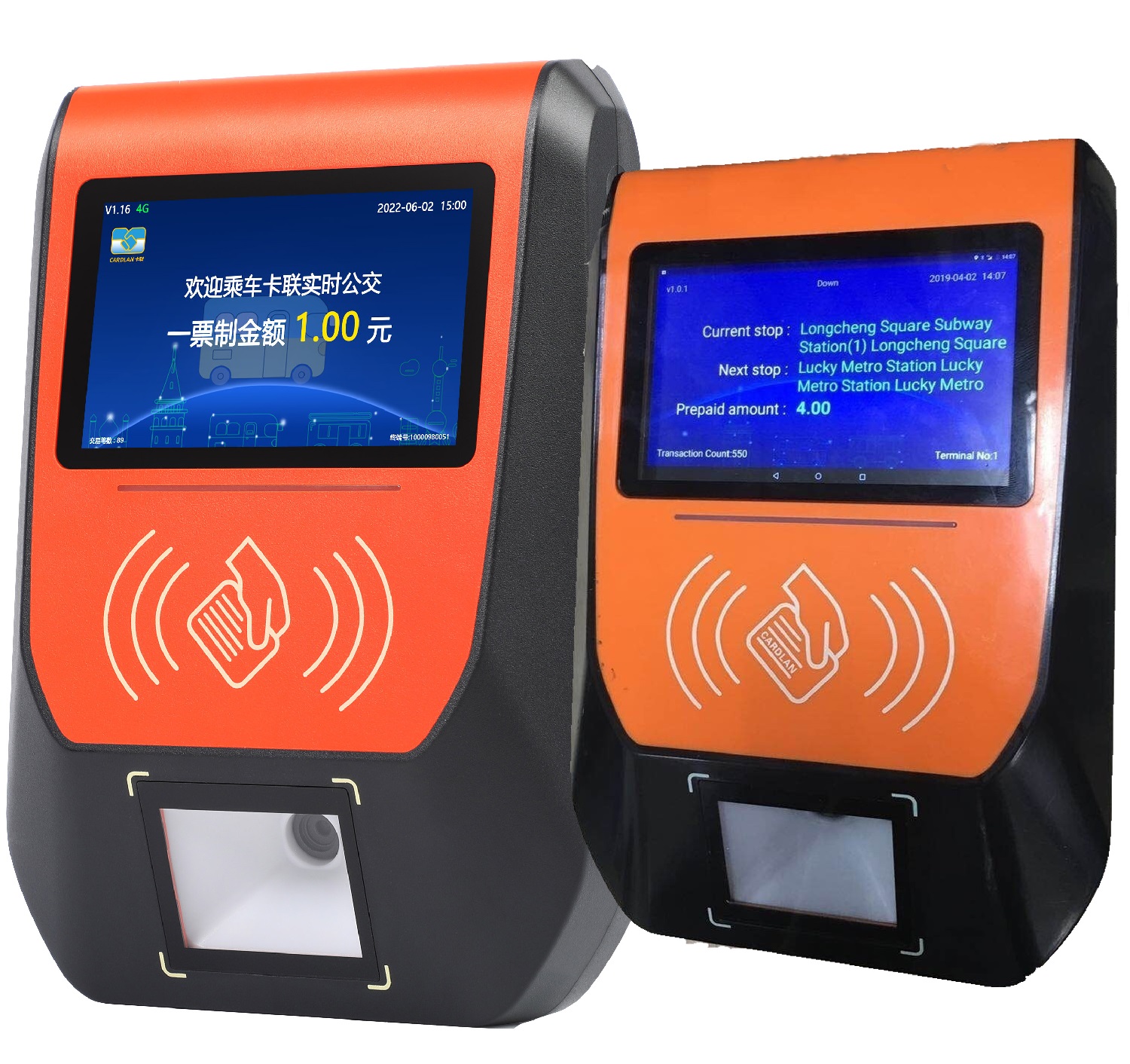
The usage scope of prepayment cards varies by type—single-purpose, multi-purpose, and industry-specific—and extends to travel, salary disbursement, gifts, online payments, financial inclusion, and transportation with retail and tourism integration.
Cardlan Validator support SDK and API for development Cardlan Validator support SDK and API for development
Mar .27.2026
Cardlan's bus card readers explicitly support secondary development and integration, and provide SDKs and API interfaces‌ for system integration and feature customization.
Amusement Park Card Payment System‌ Amusement Park Card Payment System‌
Mar .25.2026
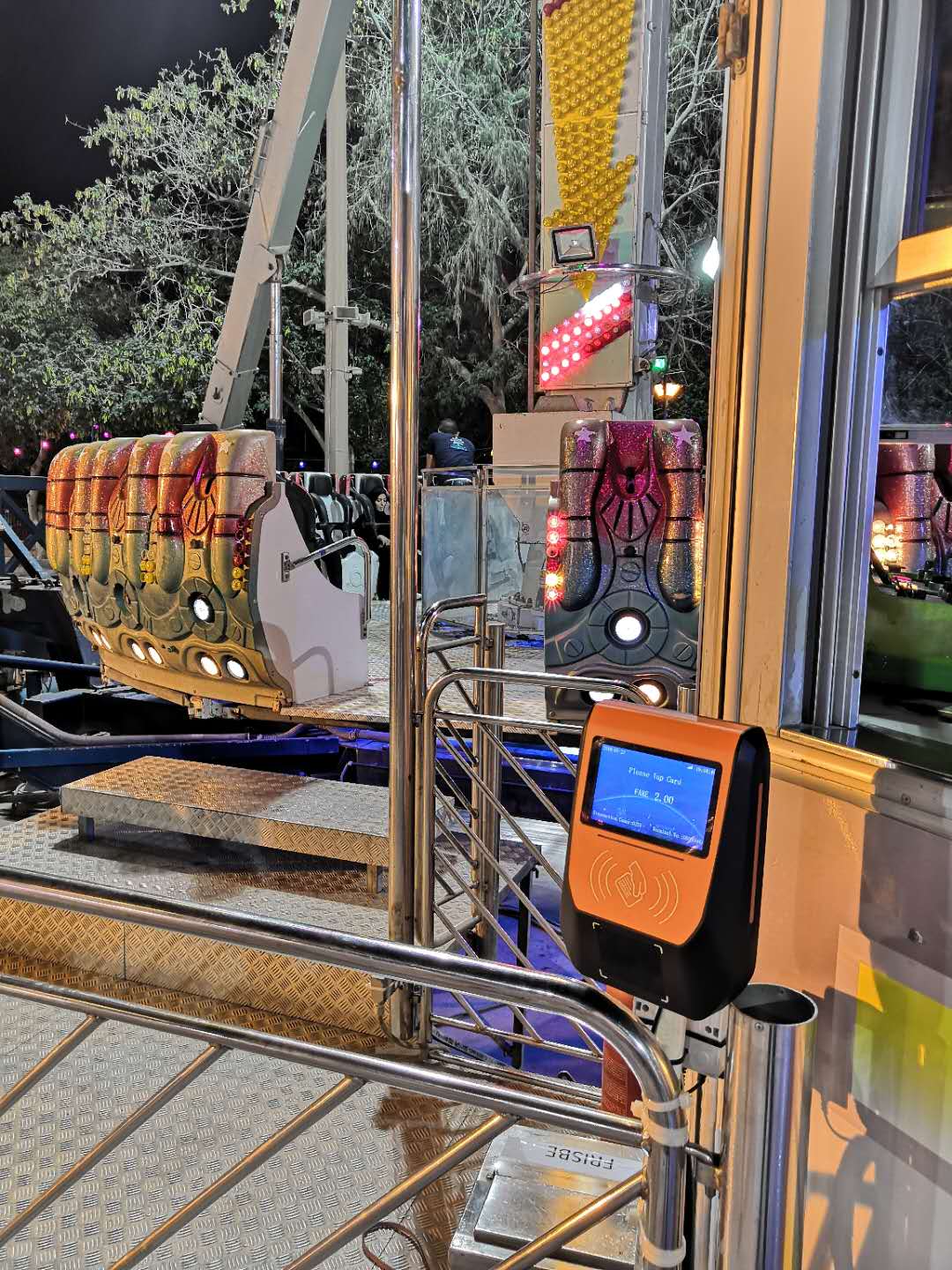
Amusement Park Card Payment System‌ is an electronic payment and management platform that uses smart IC cards, wristbands, or QR codes as carriers. It enables contactless identification for quick deduction and access across rides, food outlets, and retail within amusement parks, widely adopted in modern theme parks, children’s play zones, scenic areas, and entertainment complexes.