Strategic Rationale
- Market Demand: The global push for integrated urban transit solutions (e.g., "vehicle-road-cloud coordination" policies) drives demand for combined payment, tracking, and security systems.
- Resource Efficiency: Partnering with established hardware providers (e.g., Huawei for GPS, Hikvision for CCTV) avoids high R&D costs while ensuring technical reliability.
- Competitive Edge: Differentiates CardLink by focusing on software integration and data analytics rather than competing in hardware markets.
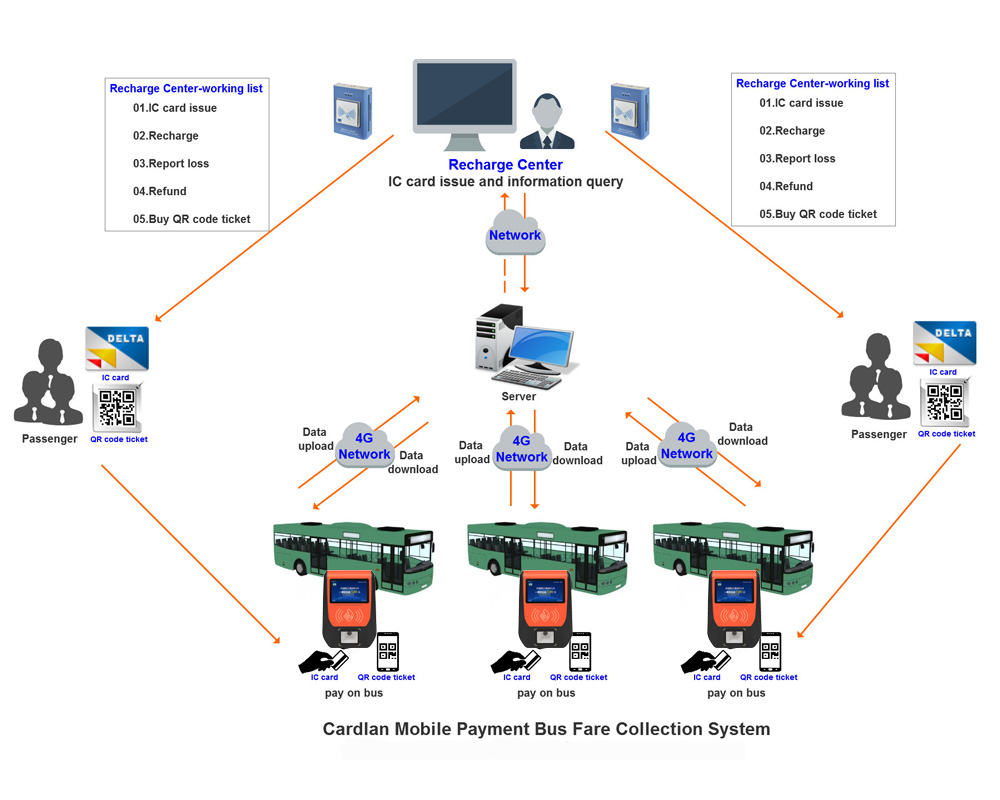
Implementation Approach
- Platform Integration: Upgrades the CardLink Cloud SaaS platform to support API-based integration of third-party devices.
- Ecosystem Collaboration: Partners with tech firms (e.g., Huawei, Hikvision, Dahua) for device compatibility and joint development.
- Pilot Deployment: Tests integrated solutions in pilot cities (e.g., Shenzhen, Guangzhou) to optimize functionality before nationwide scaling.
Expected Benefits
- Operational Efficiency: Real-time data fusion (payment, location, video) improves scheduling and resource allocation.
- Enhanced Security: Integrated CCTV and barrier control enable automated threat detection and access management.
- Revenue Diversification: Creates new income streams via value-added services (e.g., advanced analytics, customized security features).
Market Outlook
The global smart transit market, valued at over $166 billion in 2025, is projected to grow as cities adopt integrated systems. CardLink's strategy positions it to capture significant market share by 2028, targeting partnerships with 500+ ecosystem providers and serving 80% of China's smart transit projects.
In summary, Cardlan's 2026 initiative to integrate GPS, CCTV, and barrier systems via platform collaboration is a feasible, low-risk strategy aligned with market trends and policy support, aiming to transform urban transit efficiency and safety.

 Why do some buses have only one card reader while others have two?
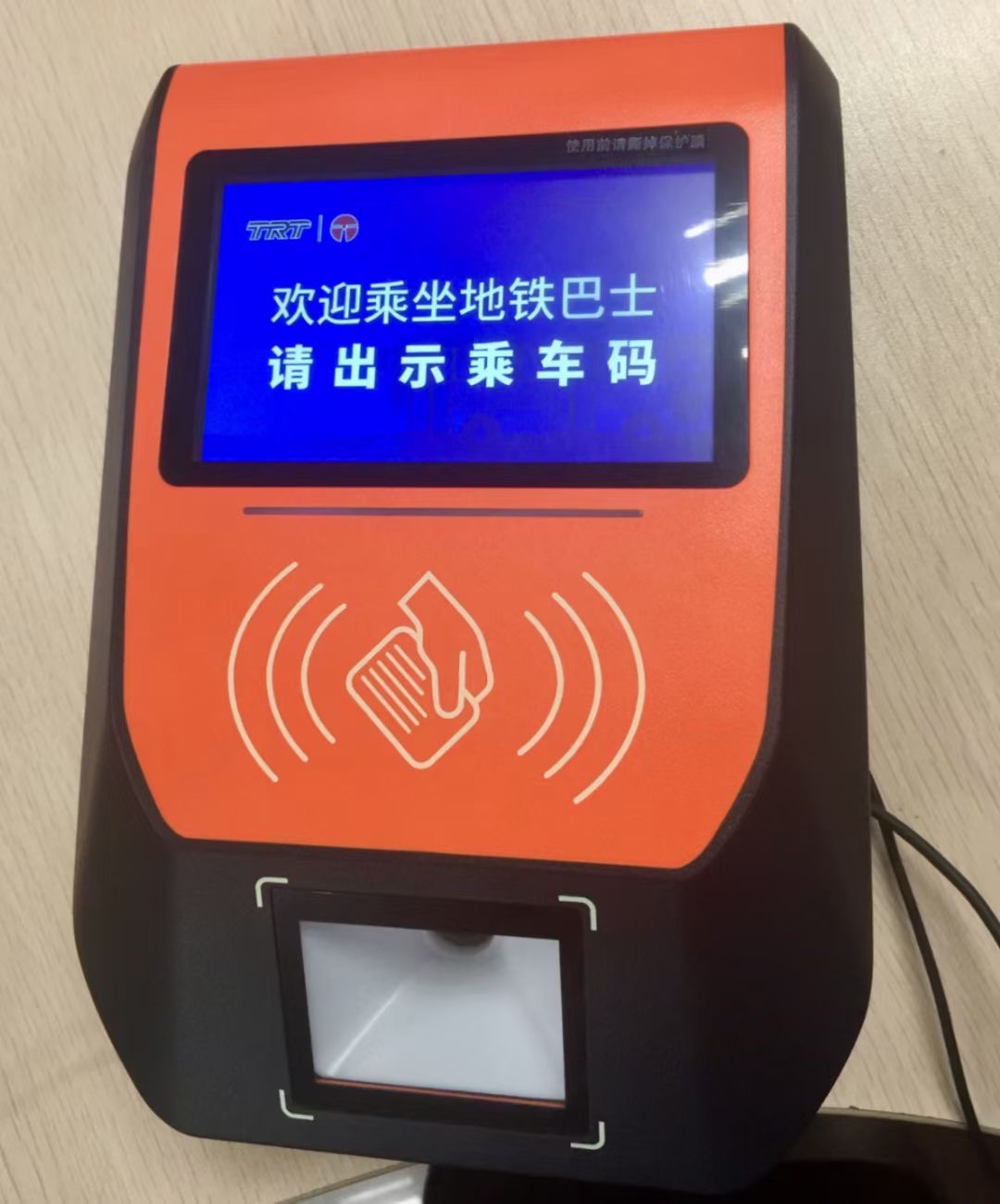 Can Bus Zonal Fare Collection Be Applied to Metro Systems?
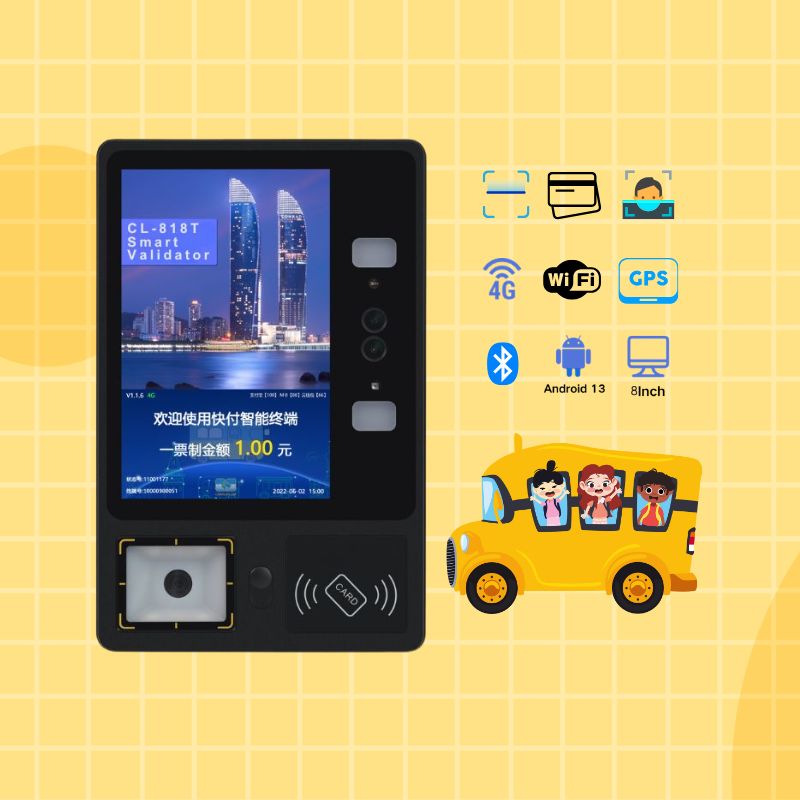 In which fields can prepaid cards be used for bus card readers?
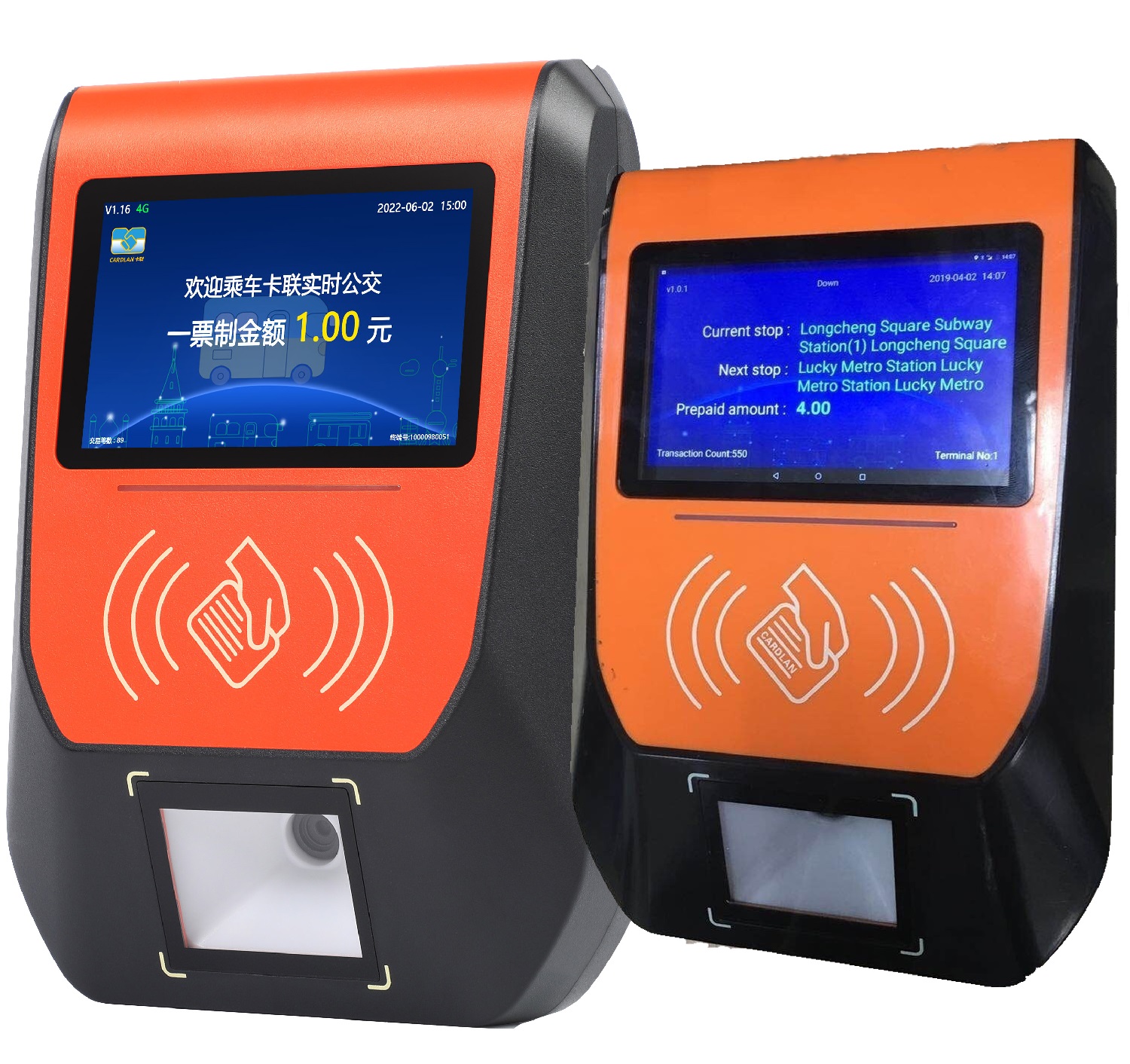 Cardlan Validator support SDK and API for development