
Smart Bus Shelter Solution
The smart bus shelter solution is a crucial component in the development of urban transportation. It integrates various advanced technologies to optimize passengers' waiting experience while enhancing the efficiency of the public transportation system. By installing advanced equipment such as electronic display screens, touchscreens, sensors, and cameras, smart bus shelters can display real-time information such as bus arrival times, route details, and transfer guides, enabling passengers to quickly access the necessary information and plan their travel accordingly.
Here are some key solution points: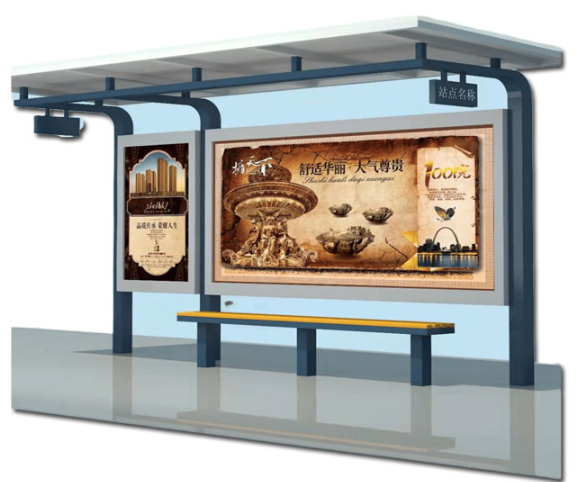
The shelters are equipped with electronic signboards that display real-time information such as bus arrival times, route details, and ticket prices, providing passengers with a clear and intuitive understanding of the status of the buses they are waiting for.
The intelligent announcement function alerts passengers through voice broadcasts when a bus is approaching or has left the station, providing a more thoughtful service especially for visually impaired individuals or other special groups.
Touchscreen devices are installed inside the shelters, allowing passengers to query bus routes, city maps, tourism information, and more, increasing the utilization value of their waiting time.
Entertainment content such as videos and music is also provided to alleviate passengers' anxiety during the waiting period.
WIFI services are available at the shelters, enabling passengers to surf the internet or handle work during their waiting time.
USB charging ports are provided for passengers to charge their mobile electronic devices such as smartphones and tablets, meeting their emergency needs during the waiting process.
LED lighting technology is used to reduce energy consumption and minimize environmental impact.
Some shelters are equipped with solar photovoltaic panels to achieve self-sufficiency in energy, further embodying the concept of environmental protection.
Sensors are used to monitor the surrounding environment, including temperature, humidity, and air quality. Based on these data, the system automatically adjusts the temperature and ventilation inside the shelters, providing a comfortable waiting environment for passengers.
Surveillance cameras are installed inside the shelters to monitor the safety of the waiting area and ensure the personal safety of passengers.
Emergency call buttons are also available for passengers to seek assistance promptly in emergency situations.
Through remote monitoring systems, managers can real-time check the operational status of the shelters, including equipment status and lighting control, making it convenient to identify and address any issues promptly.
The LCD display screens of the shelters can reserve areas for video advertising, static images, and rolling text, providing a platform for city promotion and advertising placement.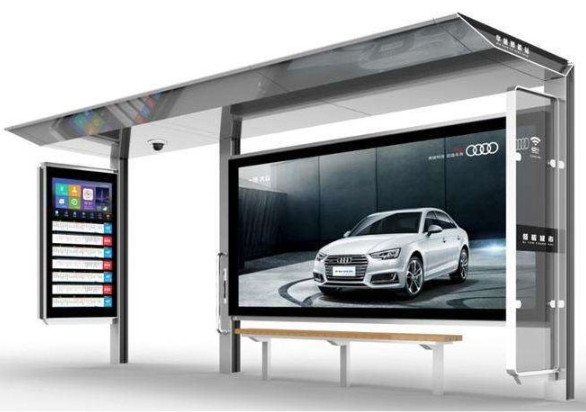
In summary, the smart bus shelter solution integrates various advanced technologies to provide passengers with a more convenient, comfortable, and safe waiting experience, while also contributing to the improvement of the operational efficiency and service quality of the public transportation system.
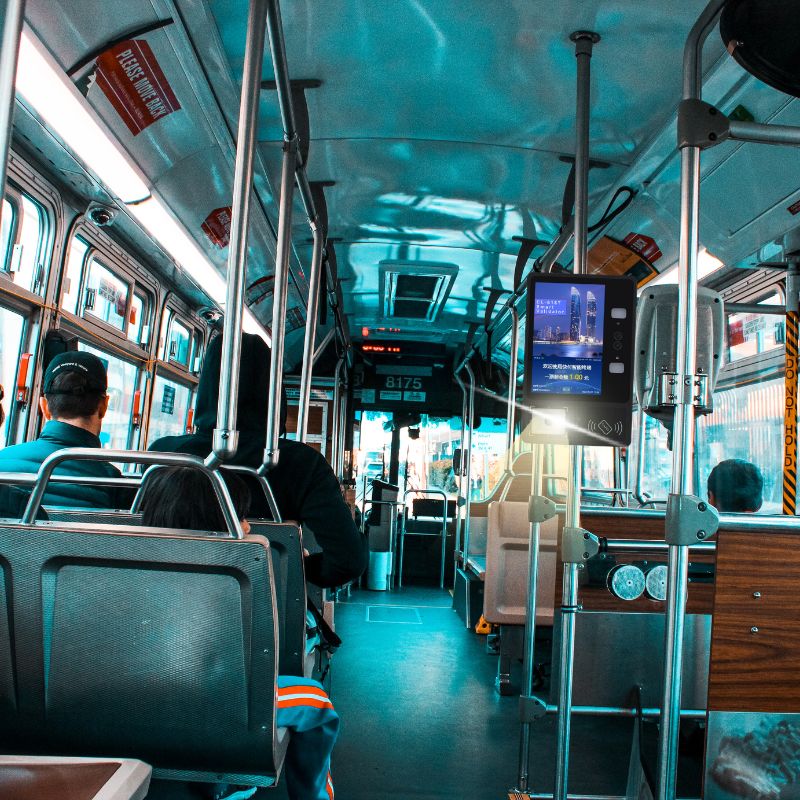 Why do some buses have only one card reader while others have two?
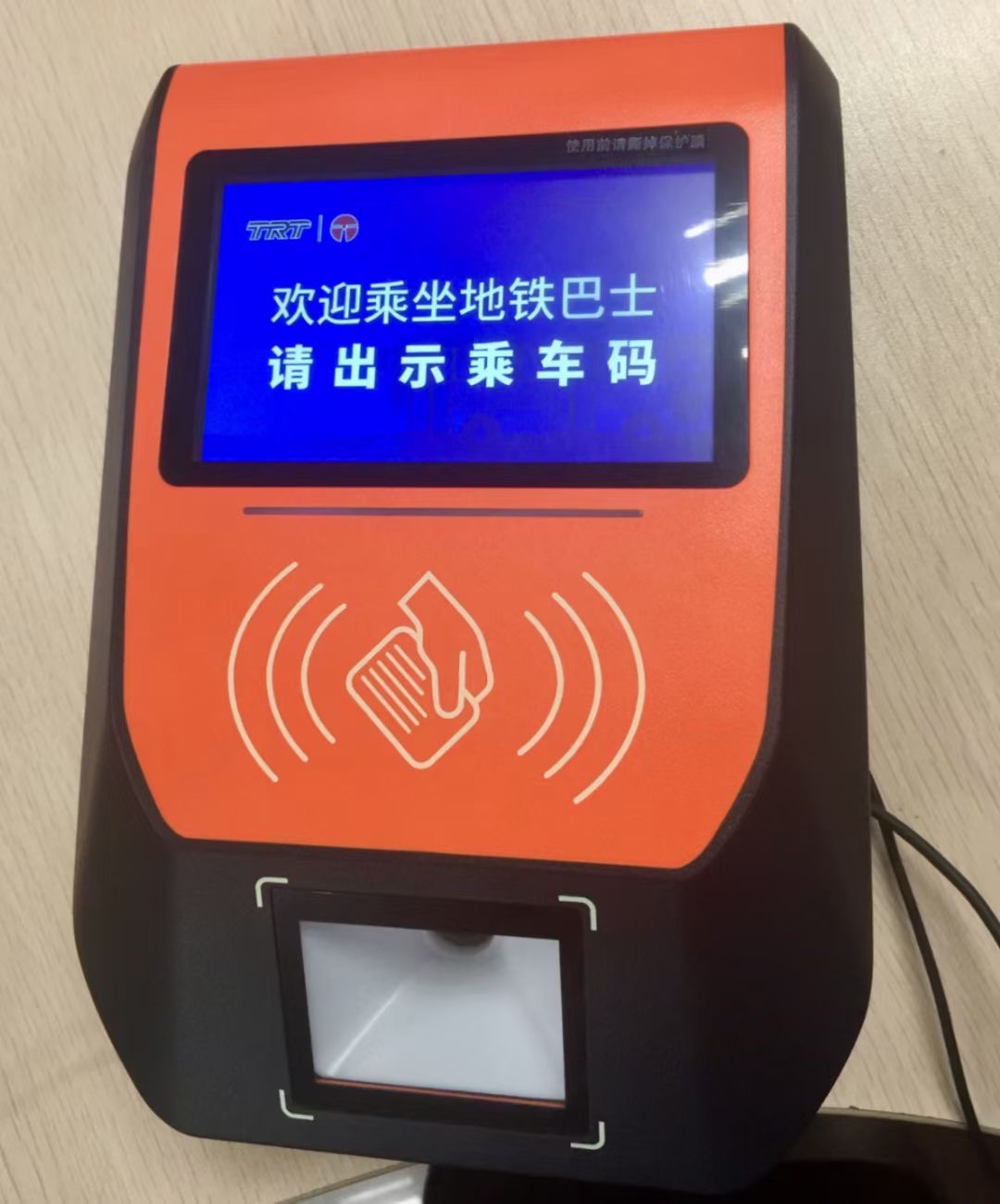 Can Bus Zonal Fare Collection Be Applied to Metro Systems?
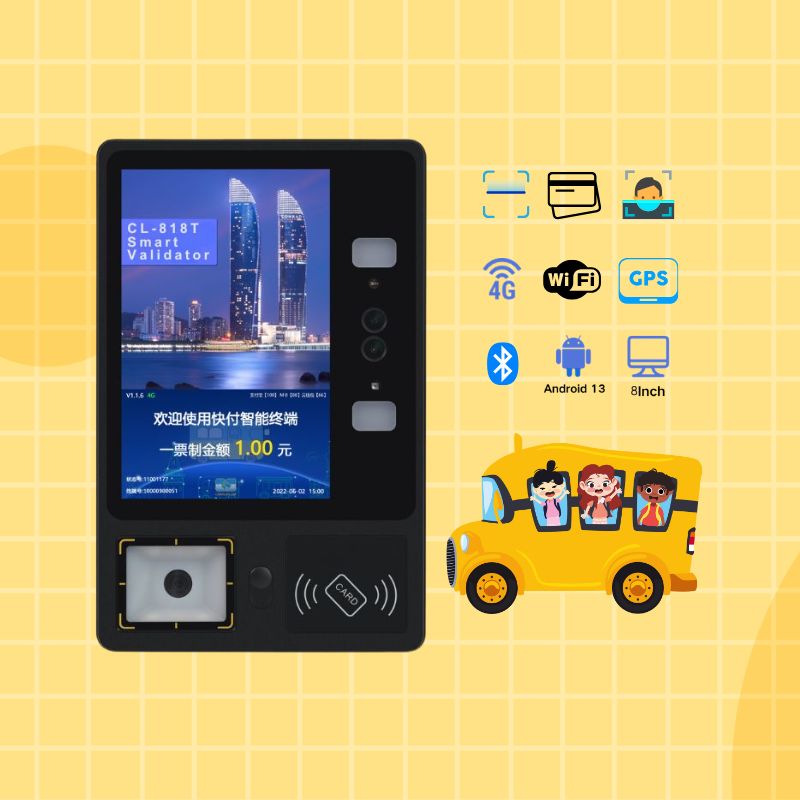 In which fields can prepaid cards be used for bus card readers?
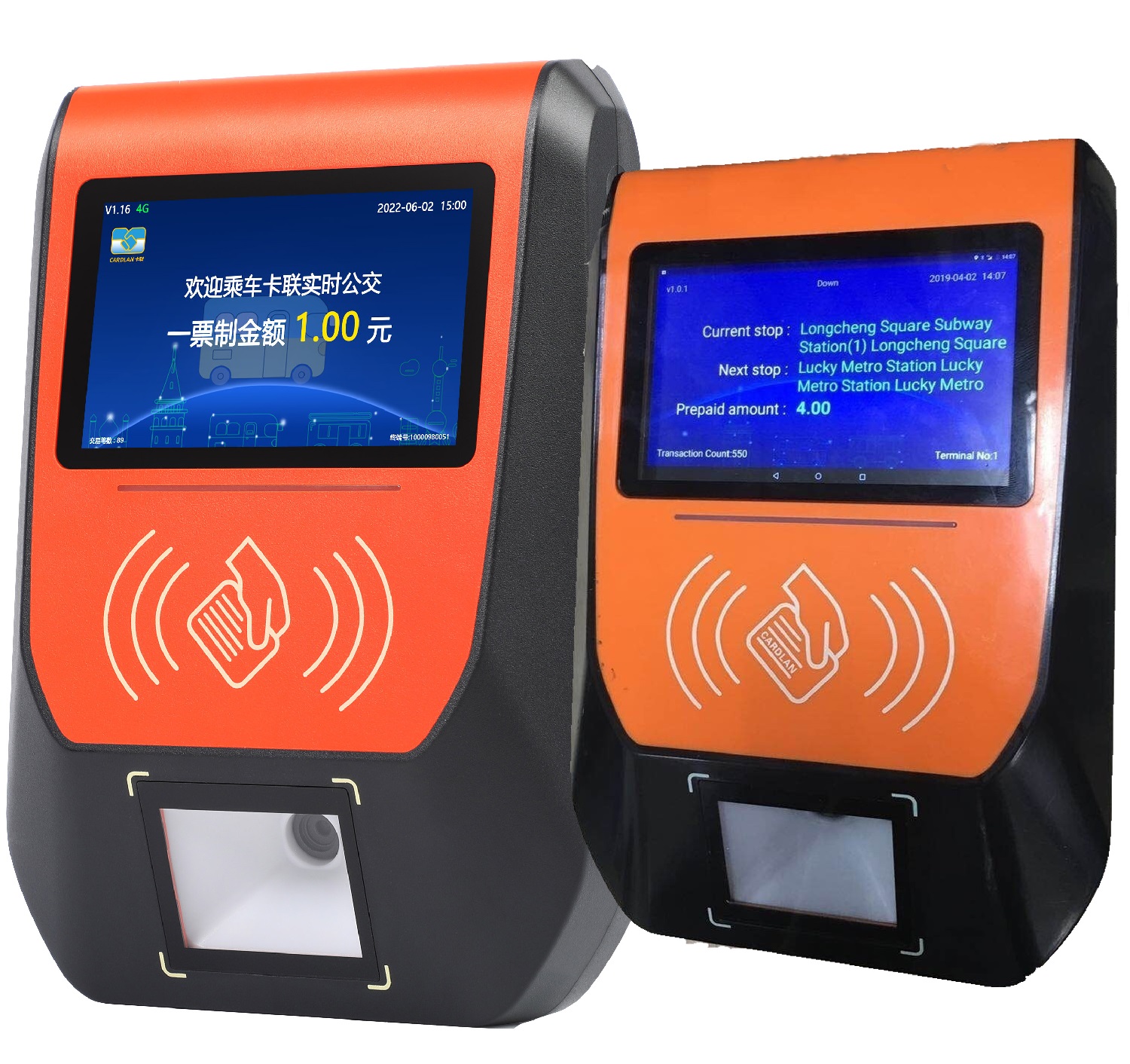 Cardlan Validator support SDK and API for development