
In today's increasingly digitalized world, access control equipment plays a crucial role in ensuring the safety and security of various premises. From corporate offices to public spaces, these devices help restrict access to authorized individuals, thus minimizing the risk of unauthorized entry and potential security breaches. Here's a closer look at access control equipment and its importance in modern security systems.
Types of Access Control Equipment
Door access control systems are the most common type of access control equipment. They typically consist of a reader, controller, and a locking mechanism. The reader identifies the user through various means, such as a card, fob, or biometric scan. The controller then verifies the user's credentials and authorizes or denies access accordingly.
Biometric identification systems use unique physical or behavioral characteristics of an individual to verify their identity. Common biometric technologies include fingerprint recognition, facial recognition, iris recognition, and voice recognition. These systems provide a high level of security as they rely on inherent characteristics that are difficult to replicate.
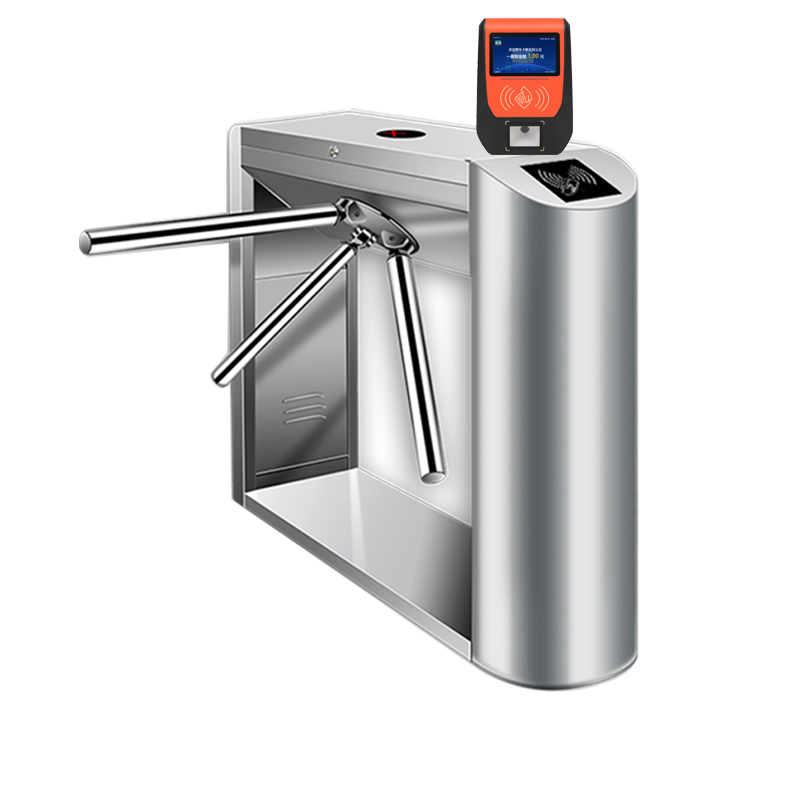
Turnstiles and gates are physical barriers that control the flow of pedestrians. They are often integrated with access control systems to allow authorized individuals to pass through while preventing unauthorized entry. Turnstiles and gates can be mechanical, electronic, or a combination of both.
Functions of Access Control Equipment
Access control equipment verifies the identity of users through various authentication methods. This can be done using passwords, PINs, cards, biometric scans, or a combination of these methods.
Once a user's identity is authenticated, the access control system determines whether they are authorized to enter a specific area or access a particular resource. This authorization is based on the user's credentials and the access control policies set by the administrator.
Access control equipment often has the capability to record and monitor access events. This includes logging the time, date, and identity of individuals who enter or exit a controlled area. This information can be used for security audits, incident investigations, and generating reports.
In case of unauthorized access or any other security breach, access control equipment can trigger alarms and send notifications to the security personnel or relevant authorities. This ensures prompt response and timely intervention.
Applications of Access Control Equipment
In corporate offices, access control equipment is used to restrict access to sensitive areas, such as server rooms, financial departments, and executive offices. It ensures that only authorized employees have access to these areas, thus minimizing the risk of data breaches and theft.
Access control equipment is also widely used in public spaces, such as museums, libraries, stadiums, and transportation hubs. It helps control the flow of visitors, maintain order, and ensure the safety of everyone present.
Data centers and IT facilities house critical information and infrastructure. Access control equipment ensures that only authorized personnel have access to these facilities, preventing unauthorized access and potential damage to equipment or data.
In residential buildings, access control equipment can be used to control access to apartments, common areas, and amenities. This enhances the security of residents and provides them with a sense of safety and comfort.
Conclusion
 Why do some buses have only one card reader while others have two?
 Can Bus Zonal Fare Collection Be Applied to Metro Systems?
 In which fields can prepaid cards be used for bus card readers?
 Cardlan Validator support SDK and API for development