
The qr code scan and face payment system requirements is various for many bus companies. Therefore, the secondary development of the qr code scan and face payment system has become a common phenomenon and starting point for the cooperation of bus scan code and face card payment terminal manufacturers. . Whenever developing a new temperature measuring bus credit card machine, it will be considered to reserve a bus credit card machine interface that can be developed later.
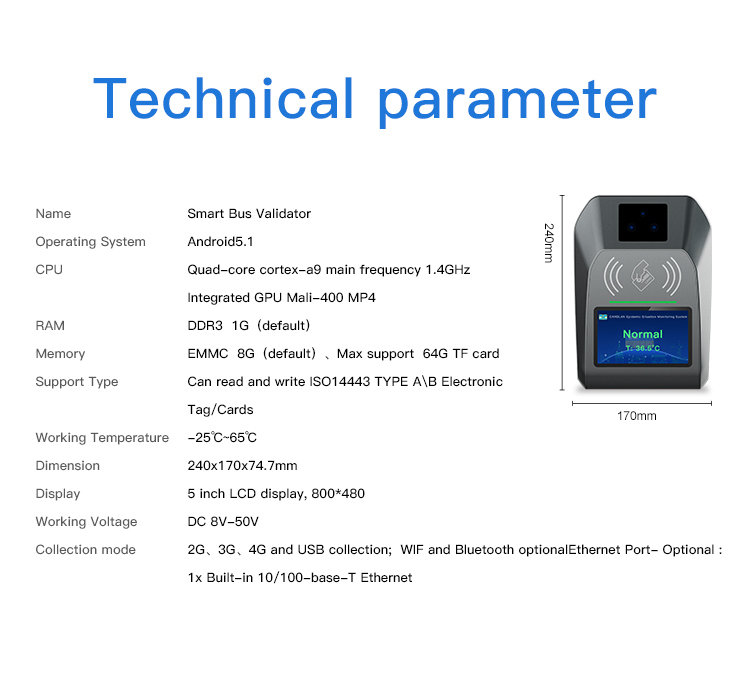

Temperature measurement bus card reader support secondary development by offering SDK kit for customer who has the development ability and customer can customized all the functions they want as per the hardware with SDK.
In terms of payment security, response speed, and success rate, the card scanning payment system of Cardlan can be said to be very high ranked in the industry. The appearance and design of the bus scanning code payment device is simple and tough, and the operation is flexible and simple. Various color choices, there are many national languages for foreign customers to choose, support running on Linux system or Android system.
Shenzhen Cardlan Technology Co., Ltd. is a smart terminal equipment that focuses on qr code scanning card reader machine, face recognition bus card reader machine, temperature measurement bus code sweeping face toll machine, face recognition code sweeping temperature measuring gate, etc. It has been recognized as a "National High-tech Enterprise" three times, and it is also a dual-soft enterprise. It is also one of the first companies that passed the standards of the Ministry of Communications, UnionPay PBOC3.0 and the first standard of the Ministry of Housing and Urban-Rural Development. Not only that, the company also passed the explosion-proof Certification, ISO9001: 2008 quality system certification, CE certification, waterproof and dustproof testing, FCC testing, ESD testing, EMV testing, etc., the company has obtained more than 100 patents and intellectual property rights. With high-quality products and services, the company has also won the "China "Top 500 Quality", "Top 100 SMEs in China's Scientific and Technological Innovation", "China's Famous Brand" and many other awards, successfully landed on the New Third Board in September 2017.
It is not difficult at all for such a company with so strong and powerful develop ability, We looking forward to meet more and more secondary development customers who can use our hardware with SDK and let us go for a bright and wonderful future.
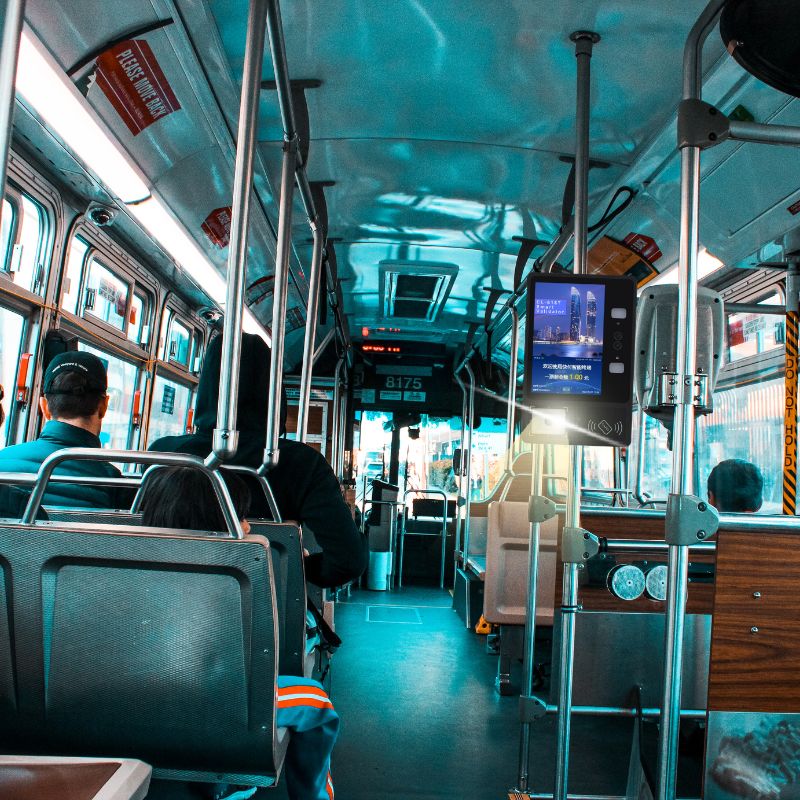 Why do some buses have only one card reader while others have two?
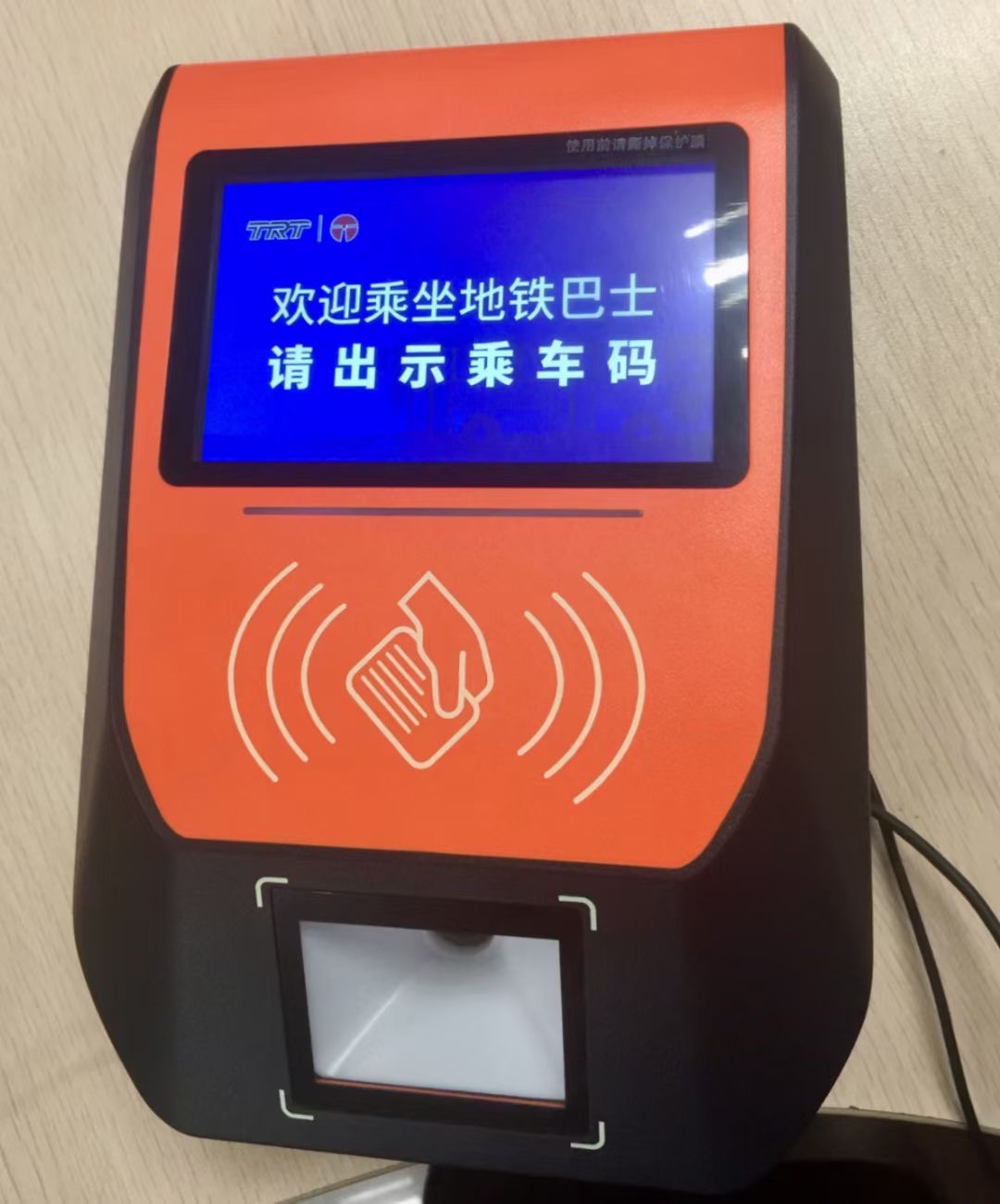 Can Bus Zonal Fare Collection Be Applied to Metro Systems?
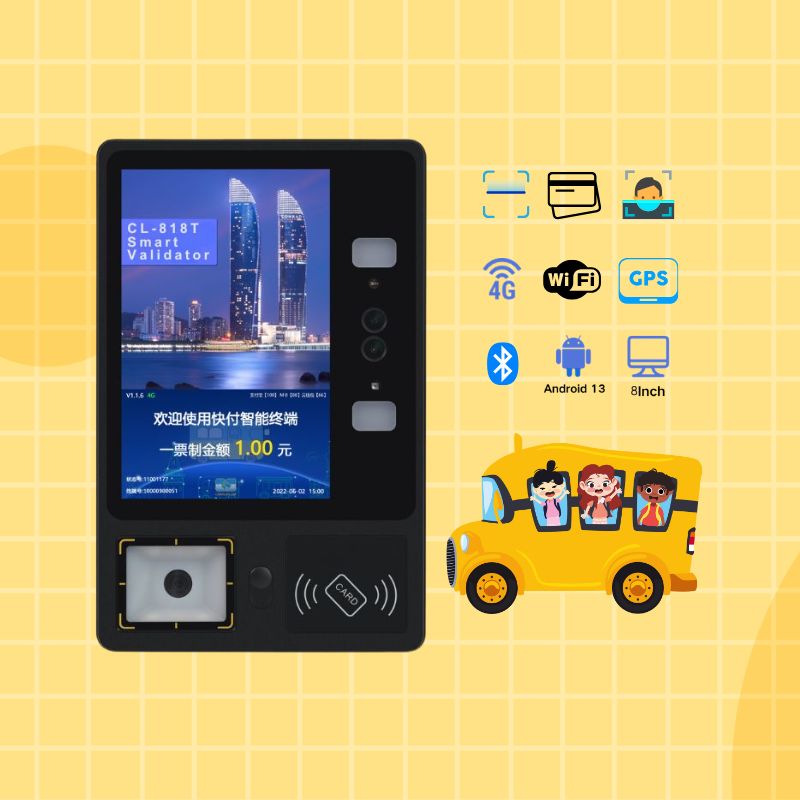 In which fields can prepaid cards be used for bus card readers?
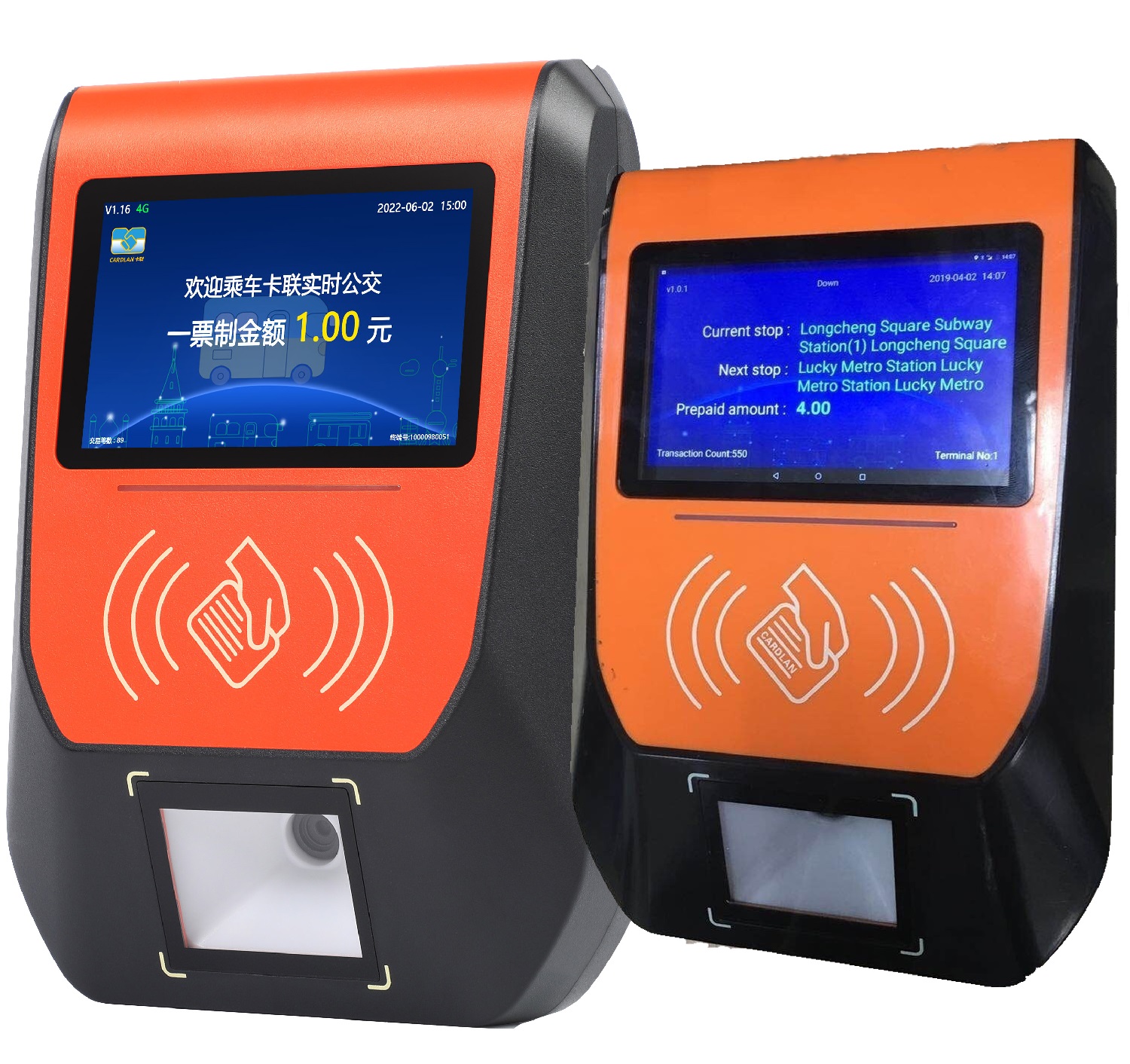 Cardlan Validator support SDK and API for development