
China's Public Transport Payment Methods: A Revolution in Convenience
China, a country that has witnessed rapid technological advancements in recent years, has revolutionized the way its citizens commute. The public transport system, a crucial aspect of urban life, has undergone a sea change in terms of payment methods. This article delves into the various payment methods available in China's public transport system and how they have made travel more convenient.
The journey began with traditional cash payments. However, as technology advanced, mobile payments quickly became the preferred choice. China's leading mobile payment platforms - Alipay and WeChat Pay - have been at the forefront of this transformation. These platforms, with their seamless integration into the public transport system, have made paying for bus rides, subway rides, and even taxis as simple as scanning a QR code.
Another significant development is the integration of digital wallets into transport cards. Beijing and Shanghai, for instance, have introduced contactless smart cards that can be charged using online platforms. This integration not only streamlines the payment process but also provides real-time data on travel patterns and ridership, enabling authorities to make informed decisions about transport infrastructure and services.
Moreover, China has been at the forefront of implementing cashless payment solutions for its rapidly aging population. By leveraging technology to eliminate the need for physical cash, these solutions ensure that everyone, regardless of age or technological proficiency, can easily access public transport.
Looking ahead, China's public transport payment methods are likely to continue evolving. With the rise of digital currencies like the Chinese Central Bank Digital Currency (CBDC), we may see a further integration of blockchain technology into the payment process. This could lead to faster transactions, increased security, and better privacy protection for commuters.
In conclusion, China's public transport payment methods are a testament to the country's technological prowess and its commitment to providing convenient, cashless travel options for its citizens. As the world continues to embrace digitalization, China's public transport system remains a pioneer in implementing innovative payment solutions that set the tone for global transportation trends.
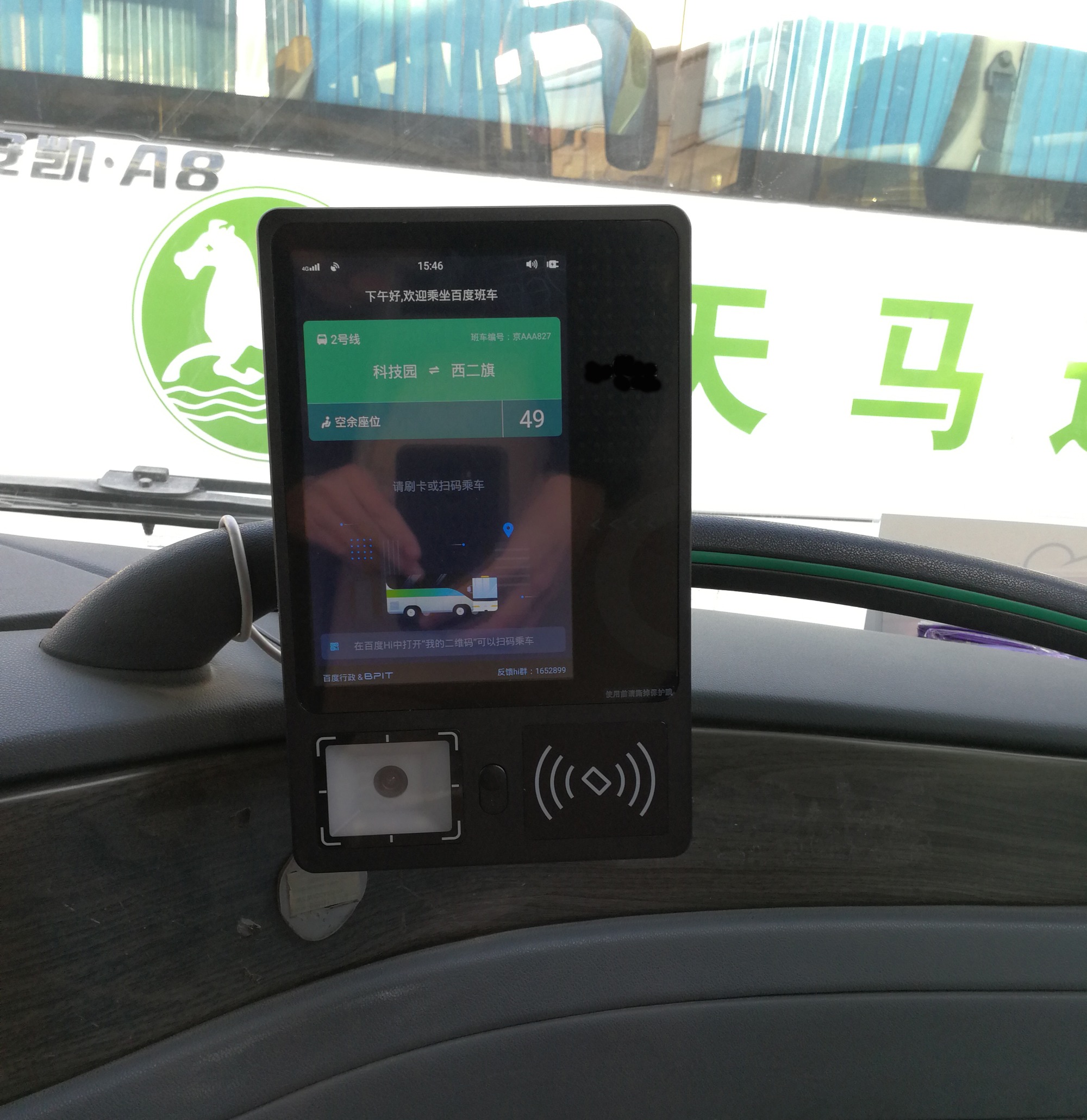
 Why do some buses have only one card reader while others have two?
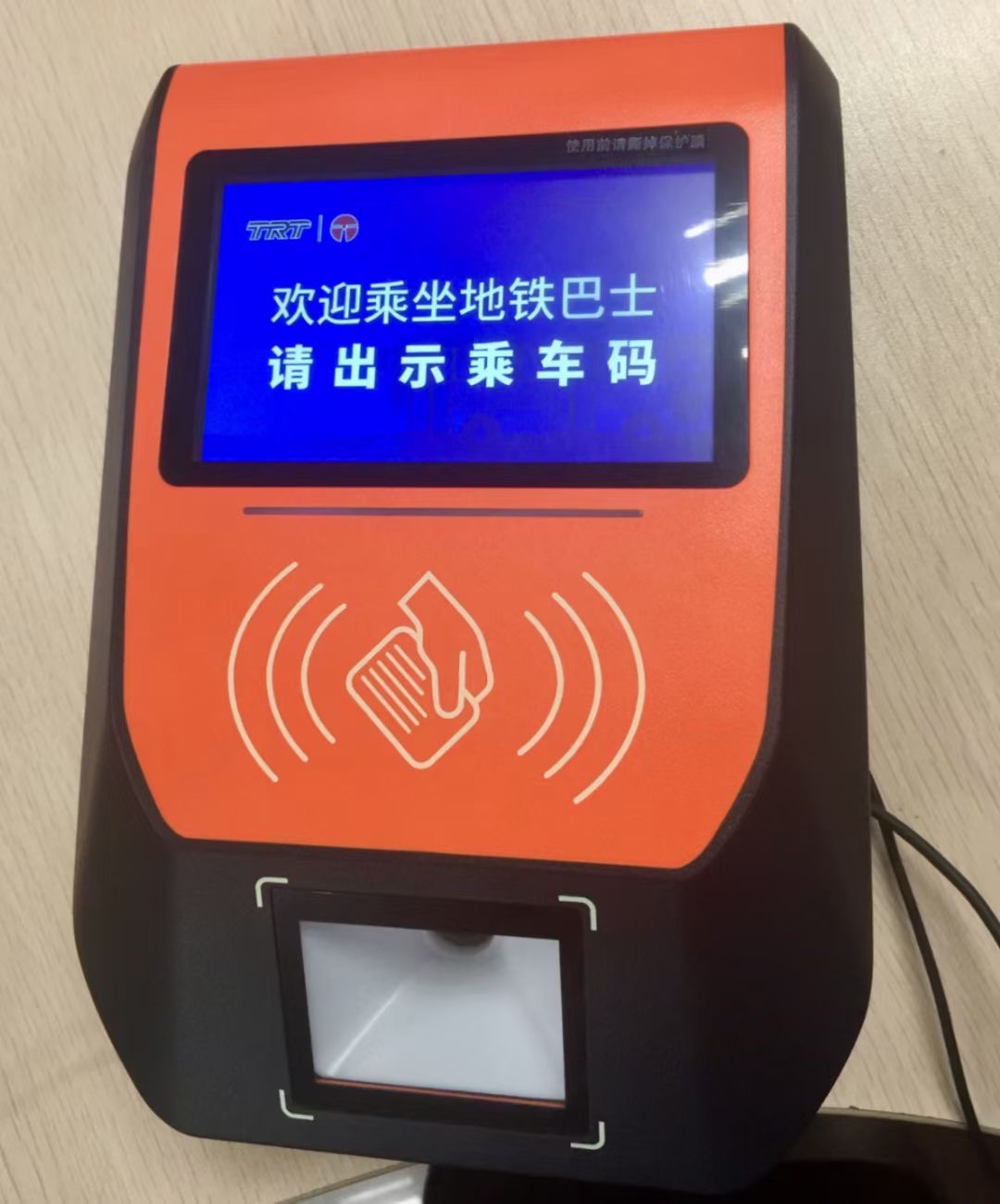 Can Bus Zonal Fare Collection Be Applied to Metro Systems?
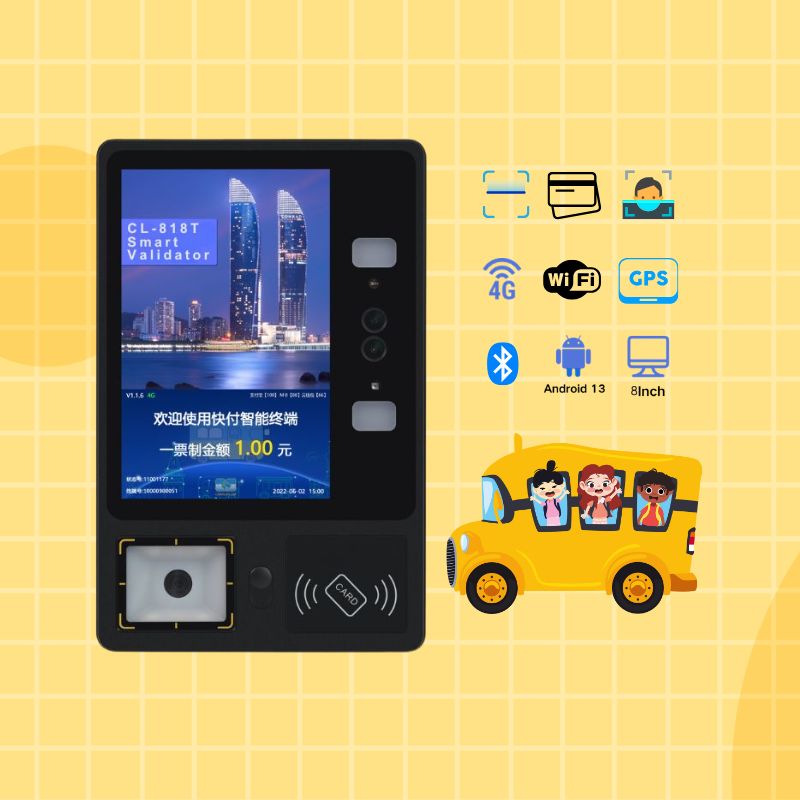 In which fields can prepaid cards be used for bus card readers?
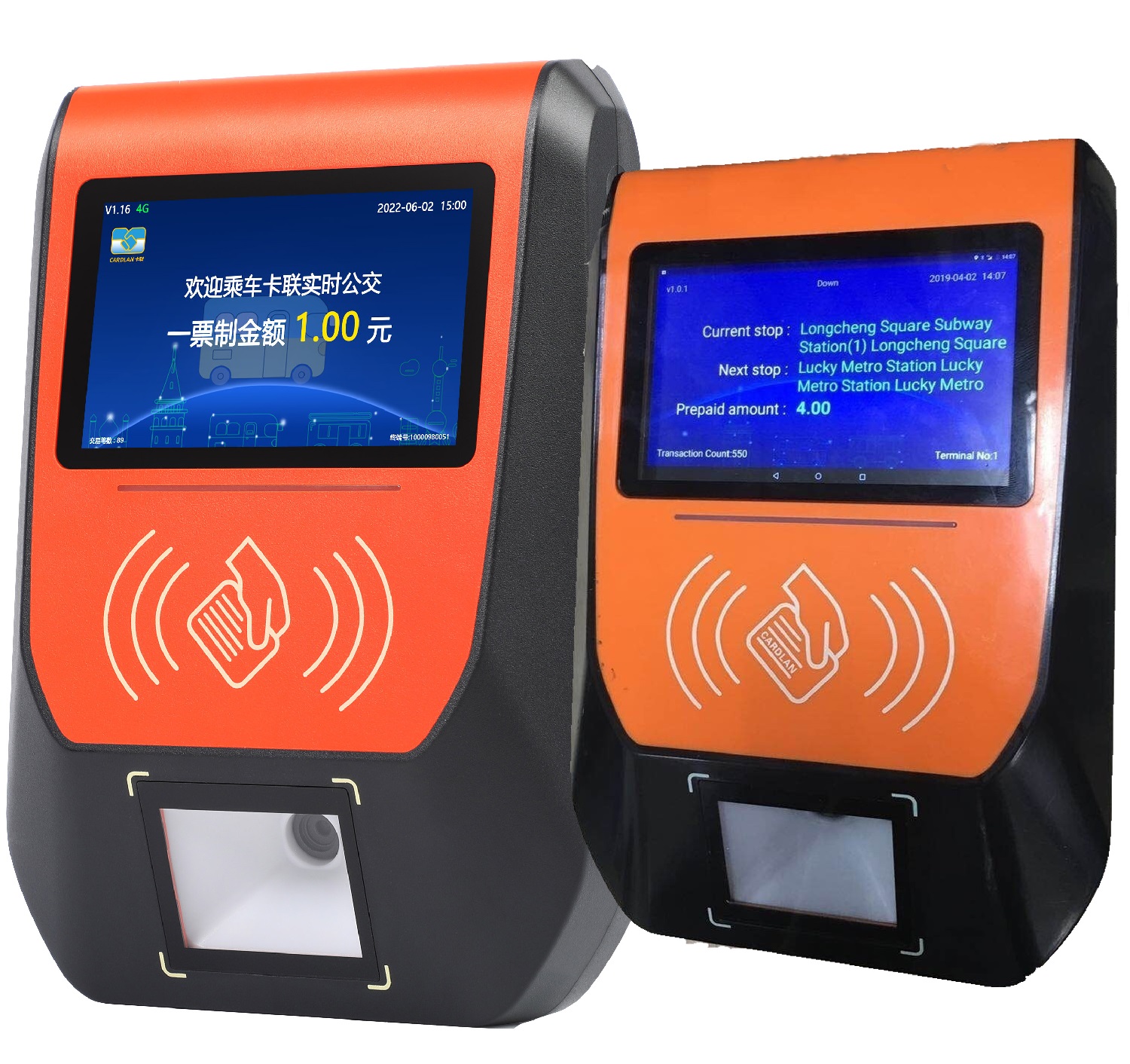 Cardlan Validator support SDK and API for development