
The fare deduction function of card-connected card readers is mainly achieved through the following steps:
When swiping the card, the reader reads the information on the transit card or payment card, such as the card number and balance.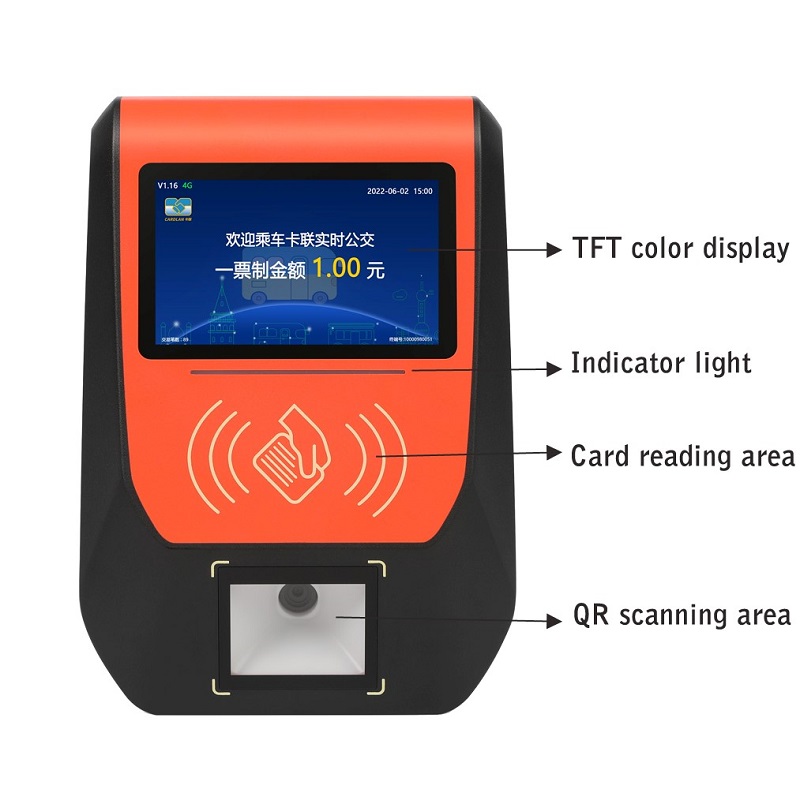
The system verifies whether the card is valid, including whether the balance is sufficient and whether it is within the validity period.
Distance-based fare: Calculates the travel distance based on boarding and alighting records and deducts the corresponding fare.
Sectional fare: Deducts the fare based on the number of sections traveled.
Flat fare: Directly deducts a fixed fare.
Cardlan system deducts the corresponding fare from the card balance and updates the balance.
Transaction information (such as time, location, amount, etc.) is recorded in the system or on the card for future queries or reconciliation.
The card reader displays the deduction result (e.g., success, insufficient balance, etc.) and emits a prompt sound.
If there are discount policies (e.g., student cards, senior cards, or transfer discounts), the system automatically calculates and deducts the fare after applying the discount.
Transaction data is synchronized with the backend system for data analysis, report generation, etc.
Maintain sufficient balance: Avoid inconvenience due to insufficient balance.
Check transaction records promptly: Ensure accurate deductions and address any issues in a timely manner.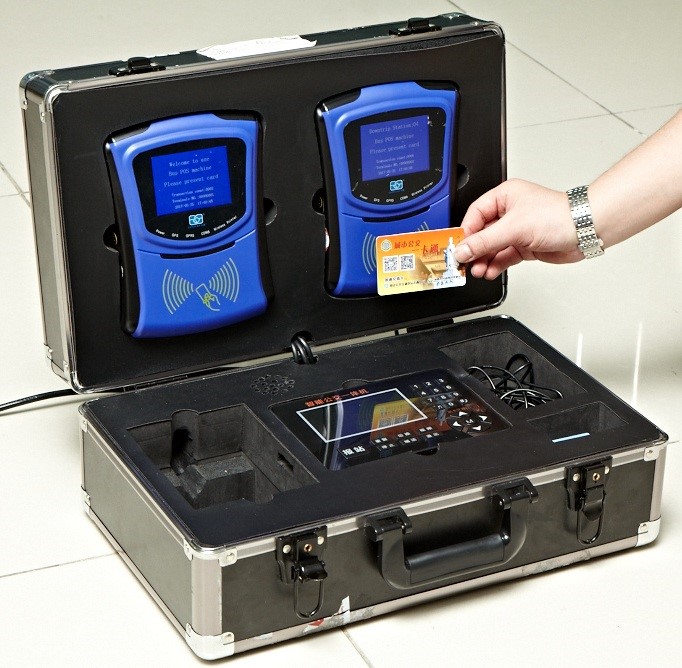
The fare deduction function of card-connected card readers relies on the integration of hardware and software to ensure accurate deductions and secure transactions.
 Why do some buses have only one card reader while others have two?
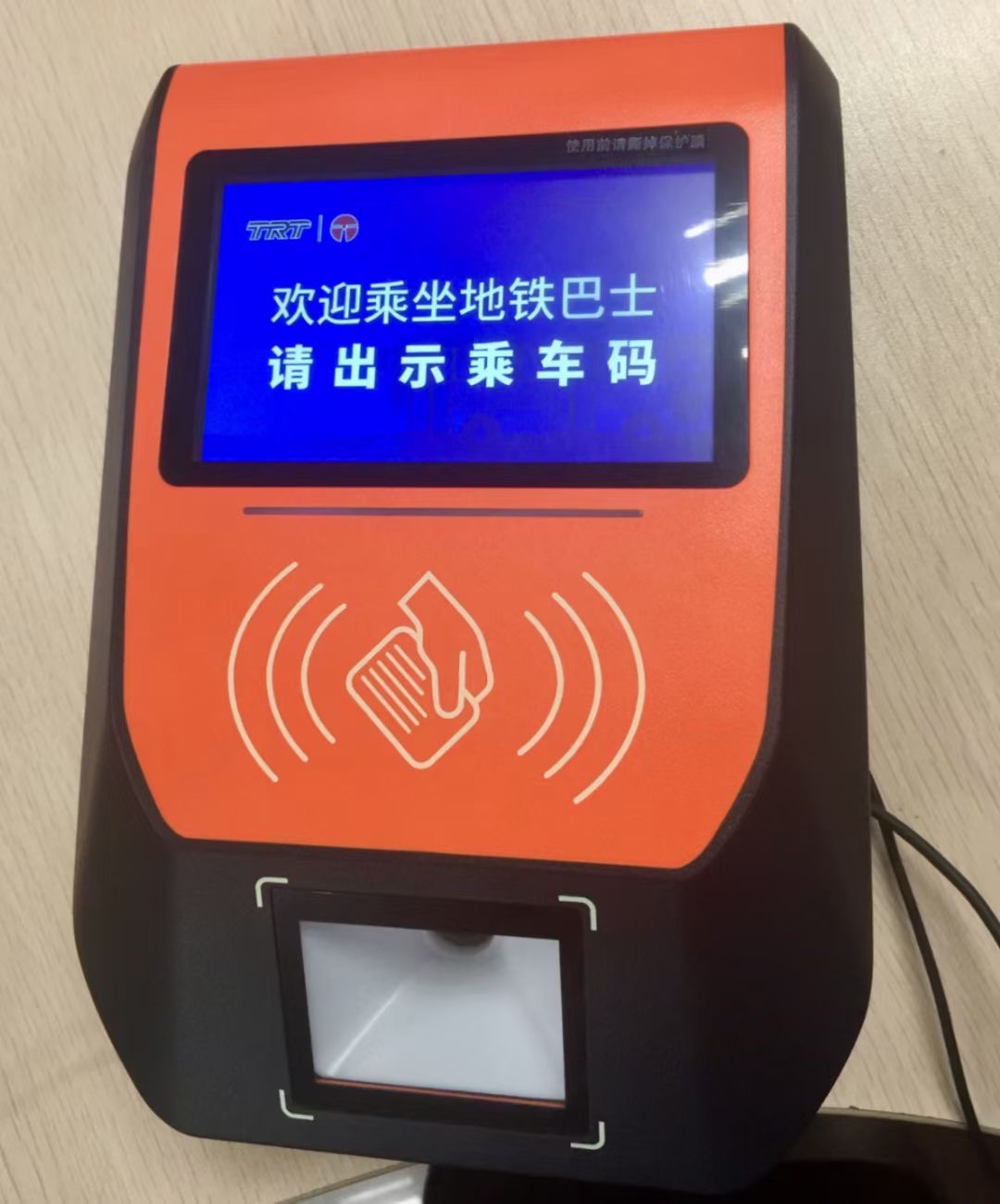 Can Bus Zonal Fare Collection Be Applied to Metro Systems?
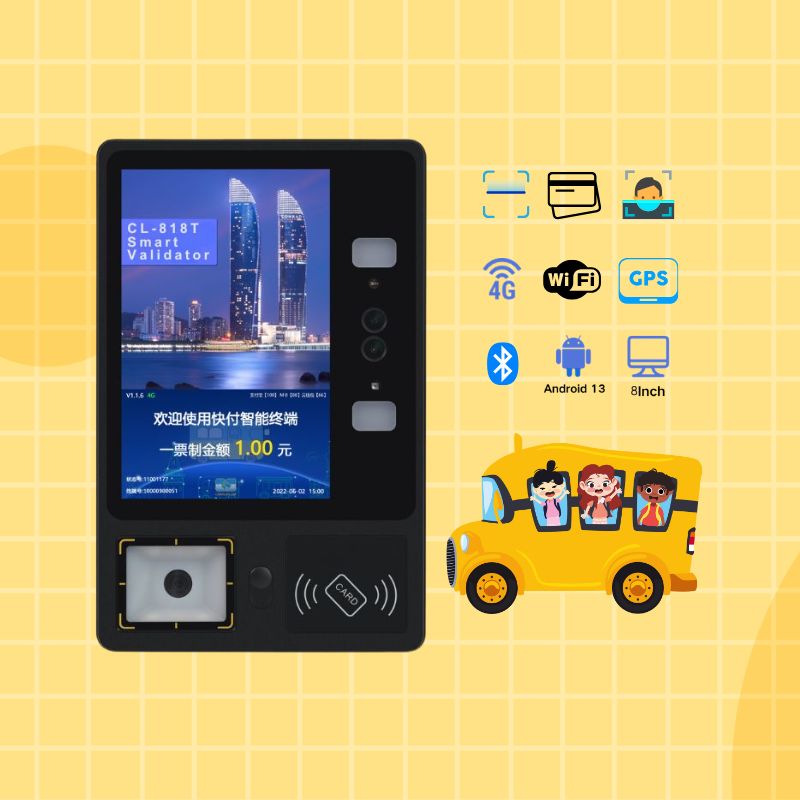 In which fields can prepaid cards be used for bus card readers?
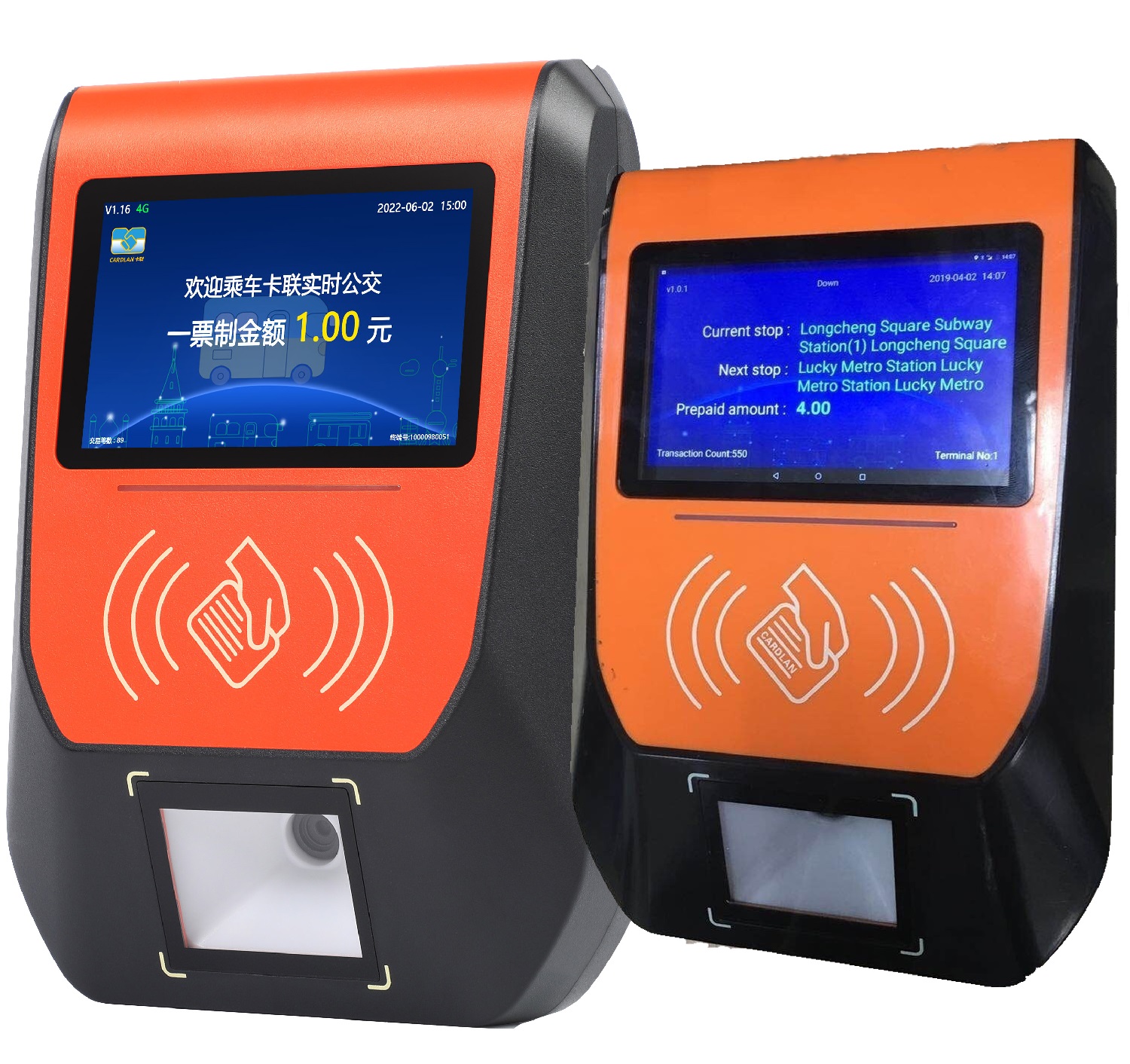 Cardlan Validator support SDK and API for development