
Four Significant Advantages of Smart Tourism Scenic Area Ticketing Systems
By establishing an integrated online and offline smart tourism service system, the ticketing system in scenic areas deeply meets the diversified needs of tourists. Whether it's accessing travel information and planning itineraries before the trip, managing tickets and purchasing souvenirs during the visit, or providing feedback and reviews after the tour, tourists can easily access the required services. This comprehensive intelligent service not only enhances the travel experience of tourists but also brings unprecedented convenience and joy.
The ticketing system in scenic areas relies on real-time data collection of all elements in the area to build a comprehensive management platform that integrates data mining, analysis, and decision support. This not only achieves fine and intelligent tourism management within the entire region but also provides scientific and accurate data support for scenic area management, enabling efficient responses to various emergencies, optimized resource allocation, and improved operational efficiency.
The ticketing system leverages various smart marketing channels such as self-media, tourism official websites, public accounts, social networking sites, and OTA distribution to break the limitations of traditional marketing models. Through deep analysis of tourist attributes and behavior data, the system can accurately target specific customer groups, achieve personalized marketing pushes, and improve marketing effectiveness. At the same time, innovative tourism IP marketing scenarios also bring more brand exposure and market opportunities for scenic areas.
The ticketing system closely aligns with the scoring rules for national A-level scenic areas and the requirements for smart tourism scenic area construction outlined in the national 14th Five-Year Plan for Tourism. Through the construction and application of the system, scenic areas can not only meet various smart construction indicators but also continuously innovate and enhance the level of intelligence in the scenic area. This not only helps scenic areas stand out in the fierce market competition but also provides tourists with a superior travel experience, promoting the sustainable and healthy development of the tourism industry.
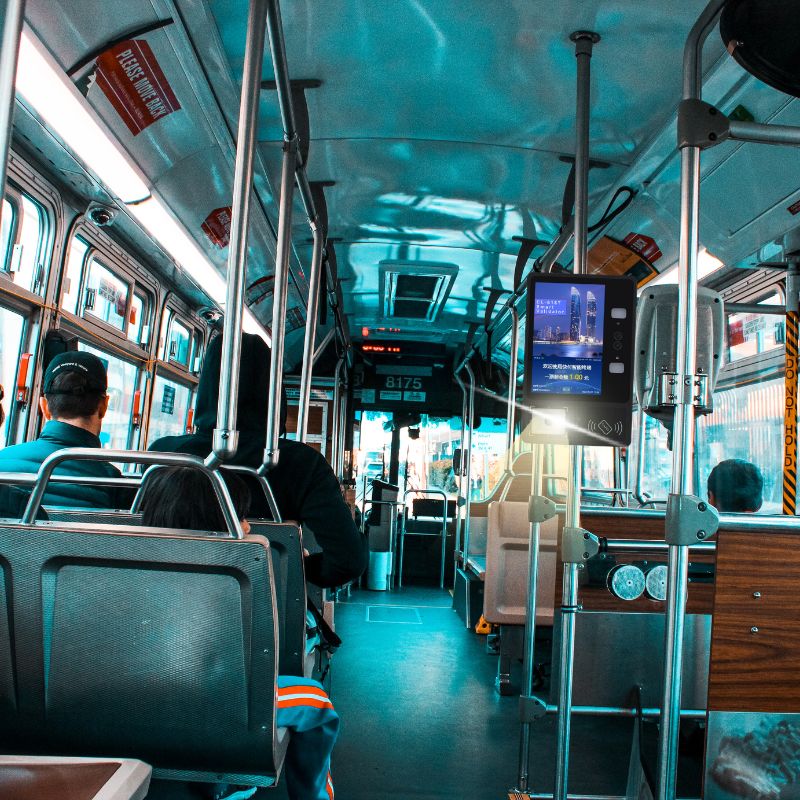 Why do some buses have only one card reader while others have two?
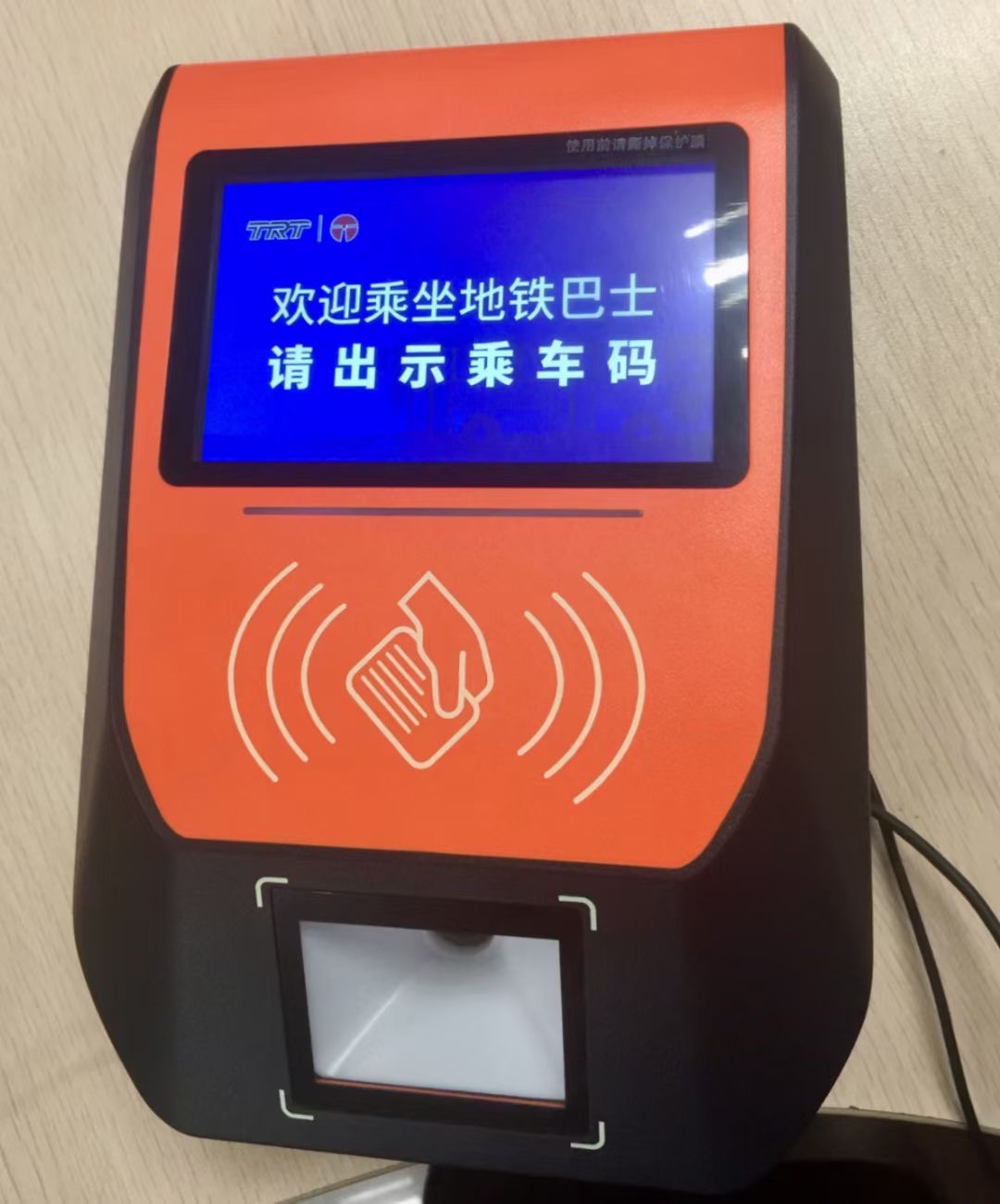 Can Bus Zonal Fare Collection Be Applied to Metro Systems?
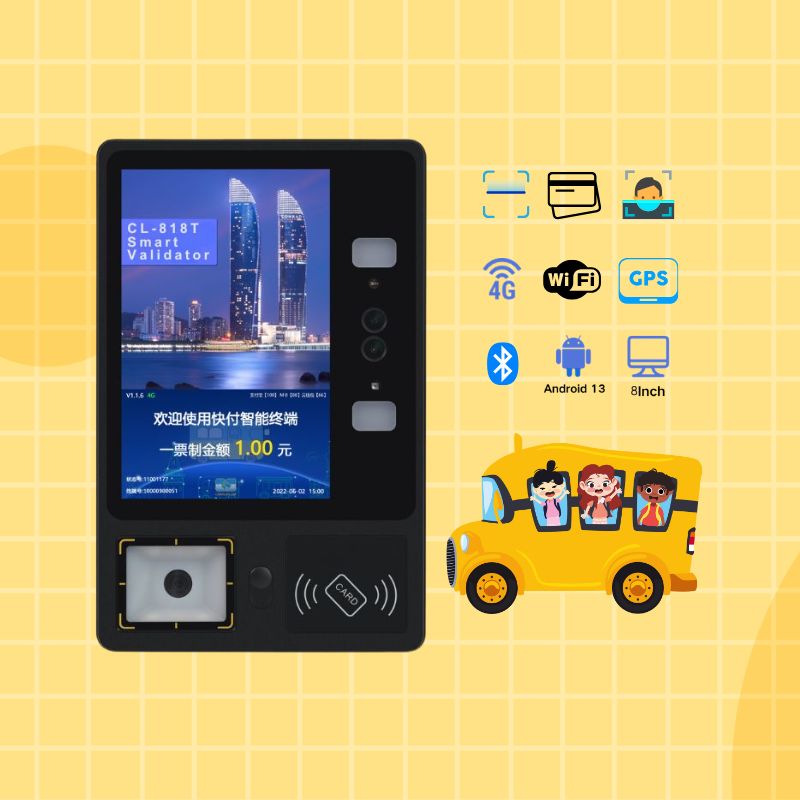 In which fields can prepaid cards be used for bus card readers?
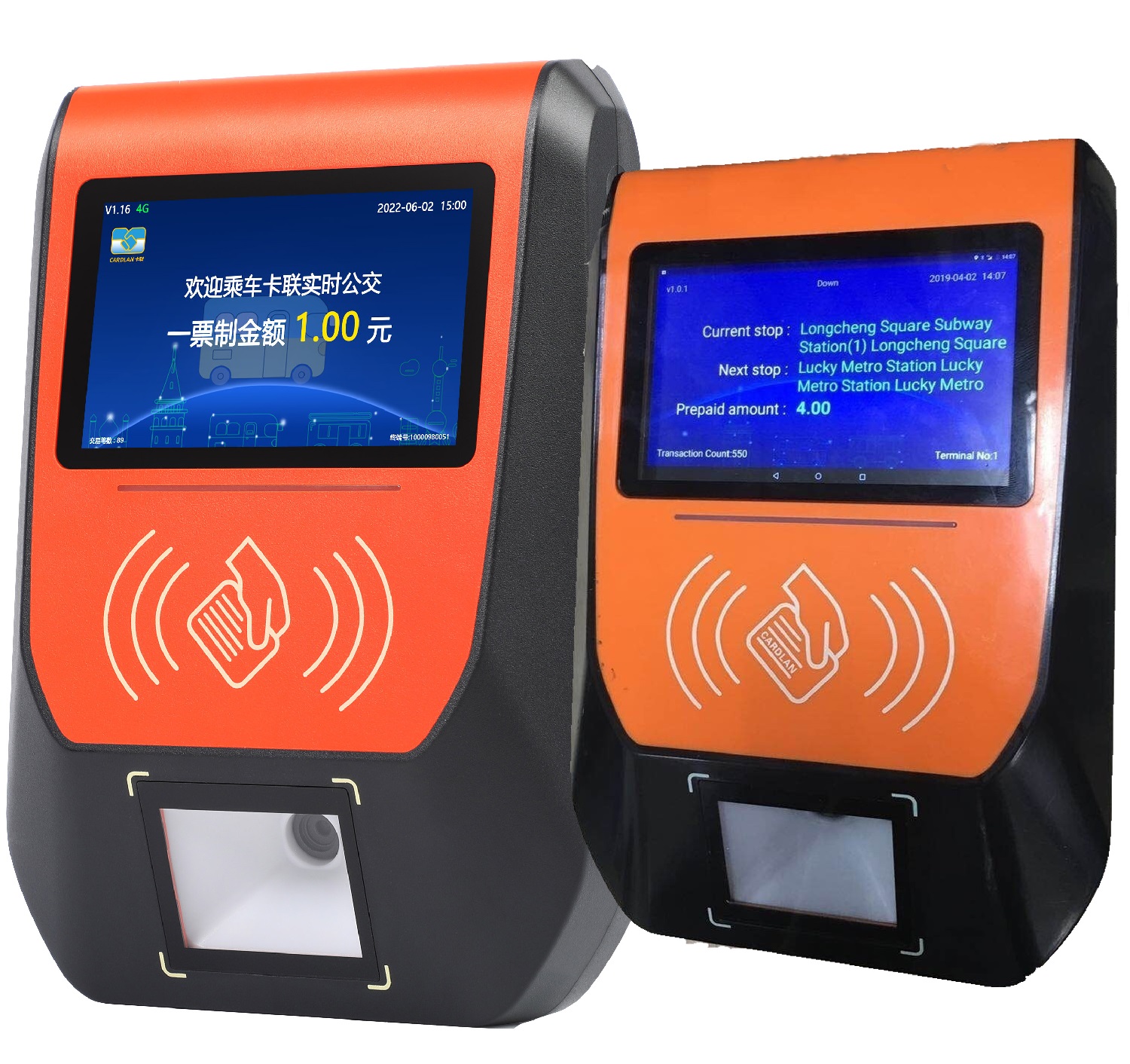 Cardlan Validator support SDK and API for development