
Beijing Bus Group released the 2017 Corporate Social Responsibility Report and introduced the related work of Beijing Public Transport in 2018. According to reports, urban public transport is studying the relevant channels of mobile payment, and the public is expected to use the QR code to take buses. In terms of security management, the bus group will continue to increase its security administrator this year. All future buses will be equipped with security administrators, and the number of line security administrators in the core zone will increase to two.
Future QR Code to pay
Yesterday, Bus Group released its 2017 Corporate Social Responsibility Report. In 2017, the bus group's passenger traffic reached 3.187 billion passengers, a decrease from the previous year. Relevant person in charge said that the development of the subway network and the emerging traffic on the Internet are all reasons for the drop in the number of passengers. In response to these factors, this year, the bus group will continue to optimize the network. The overall principle is to reduce the number of urban repeat routes and increase the coverage of suburban new towns. The number of bus lines that have been optimized and adjusted this year is 40, involving many urban areas in Beijing.
In terms of services, buses in Beijing City are expected to increase mobile payment channels in the future. Relevant person in charge, is currently studying through the machine conversion method compatible with mainstream payment channels, "mainly through brushing QR code scan code to pay the fare." At present, it is not yet determined whether the payment is made through the new App or whether it has been paid through Yitong. Relevant person in charge said that the bus group is currently docking with related companies such as the One Card Company, but the timetable for scanning the code has not yet been determined.
All the buses in the future are equipped with a key alarm
In terms of security, in 2017, public transport staff and flight attendants properly handled 6046 incidents on various types of operating vehicles. Among them, 53 passengers were prevented from illegally scattering leaflets on buses, and passengers were advised to carry 2138 pieces of dangerous goods with more than two kilograms of liquor, fireworks, paint and other dangerous goods, and 2,921 other law and order problems.
In 2017, the total number of public transport crews in Beijing reached 43,842, which will increase gradually and eventually reach full coverage. Two security administrators will also be deployed on some of the routes in the core area. For some flight attendants who fail to meet the standards, there will be an exit mechanism. At the same time, Beijing will also deploy a one-button alarm mechanism on buses, and all vehicles will be deployed in the future. "At present, the new one-button alarm device is already standard, and other vehicles will also be added to the alarm device."
In terms of vehicle structure, Beijing Public Transport Group will continue to increase the allocation of clean energy and new energy vehicles. At present, of the 21,000 vehicles in the bus group, the proportion of fresh energy vehicles has reached 75%, and the energy structure of vehicles will continue to be optimized in the future.
“ Mobile one card payment” already been one year
Beijing Youth Daily reporter learned from the Beijing Municipal Traffic Card Company that at present, urban public transport can already use the mobile phone to pay.
In June last year, the one card company launched the "mobile phone card" this smart travel tool, allowing people to travel without having to carry a physical card, brush NFC mobile phone can be used for bus, subway. Since the mobile phone card has been fully promoted, it has been warmly welcomed by passengers thanks to its many advantages such as online card opening, convenient portability and convenient recharging.
In addition, for the iPhone, this year, the Municipal Card Company launched the “Apple Pay to Swipe Beijing Card” function. Its working principle is to load related applications of Beijing Card on iPhone or Apple Watch devices, so that it can be used in the urban traffic areas such as public transport and subway, and has the advantages of online card opening, convenient portability, and convenient recharging. , to provide users with a new card-swiping experience.
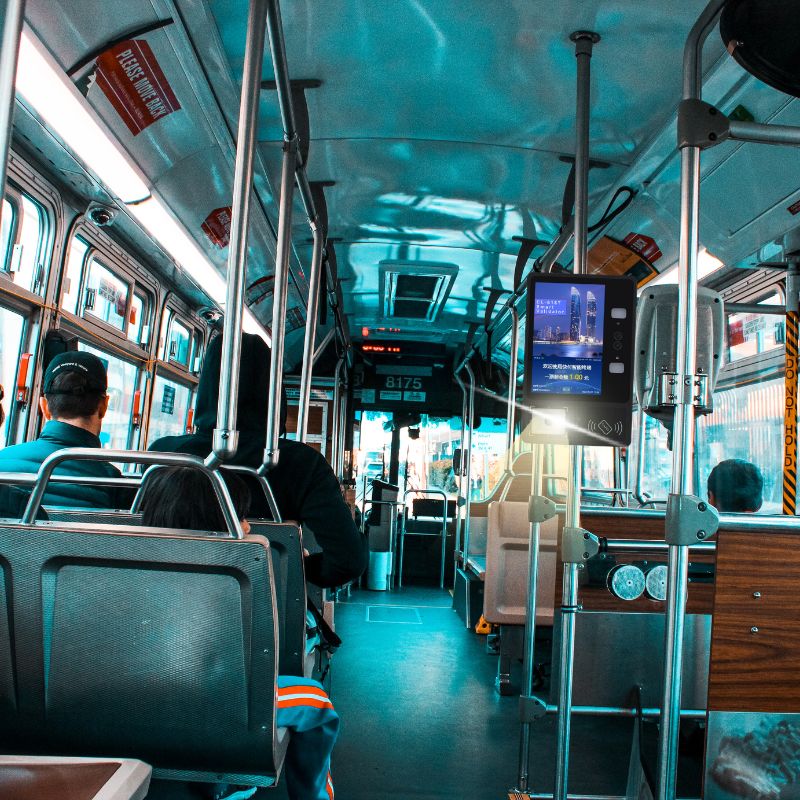 Why do some buses have only one card reader while others have two?
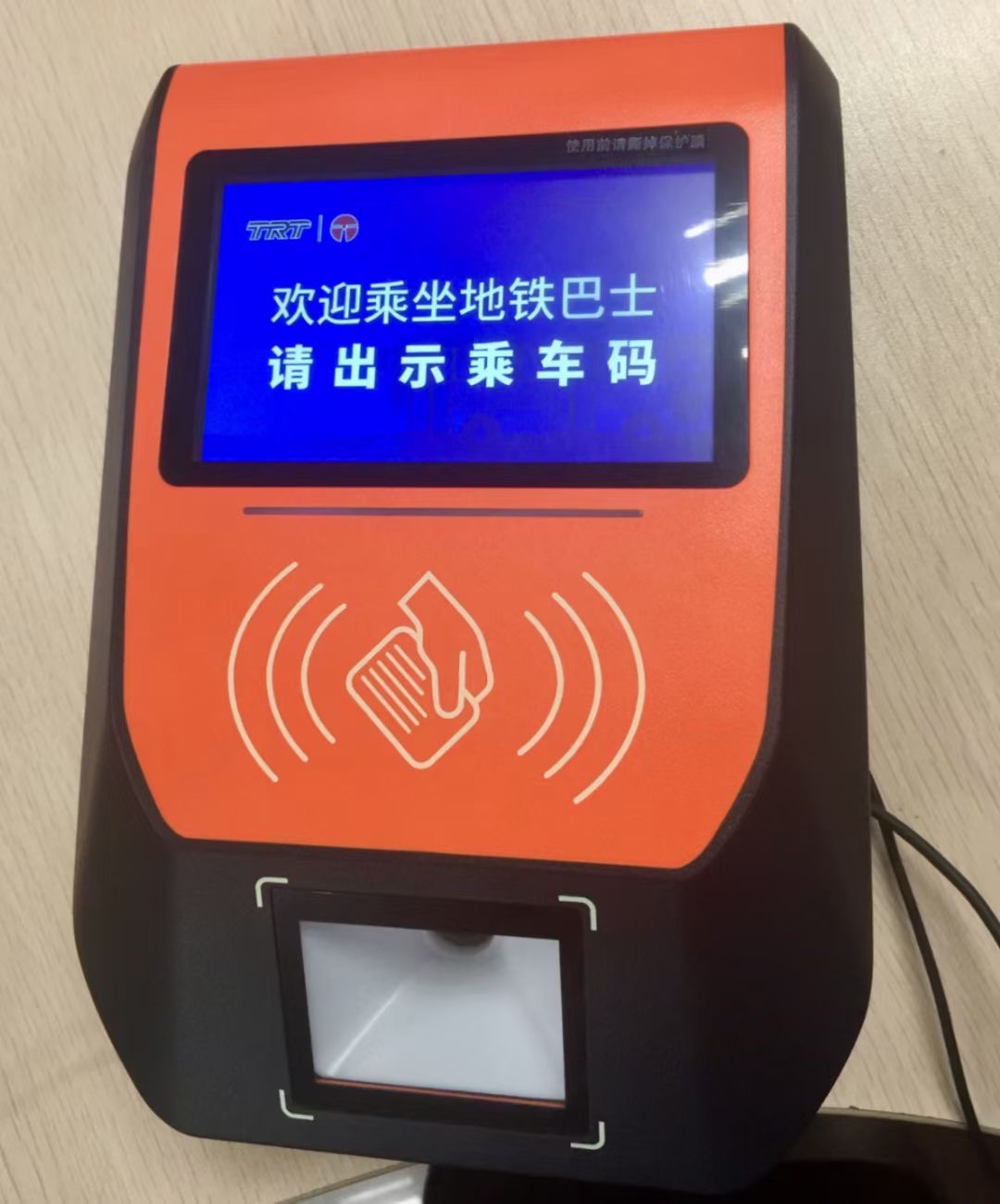 Can Bus Zonal Fare Collection Be Applied to Metro Systems?
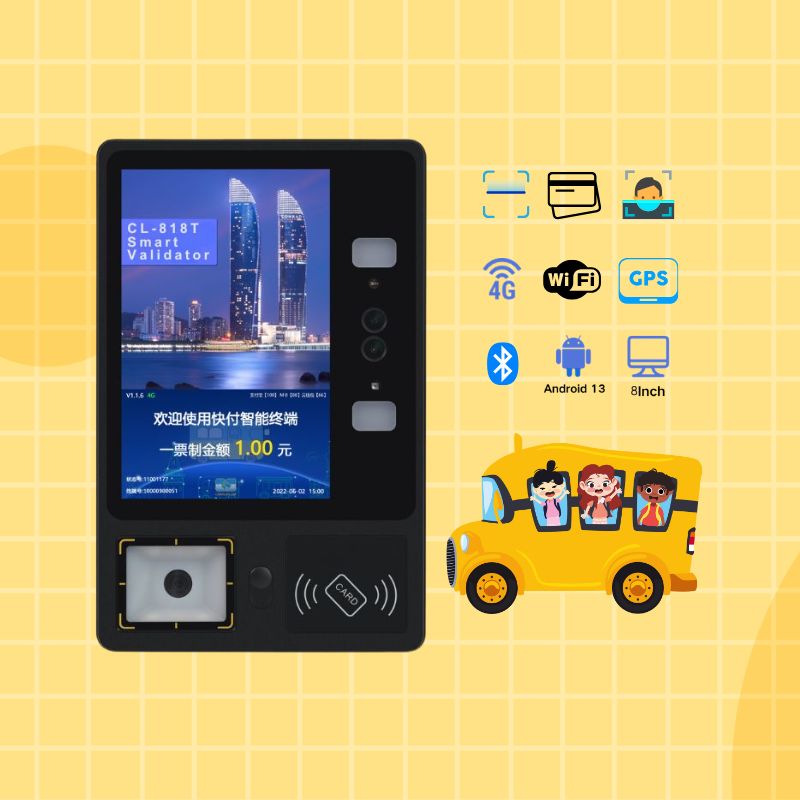 In which fields can prepaid cards be used for bus card readers?
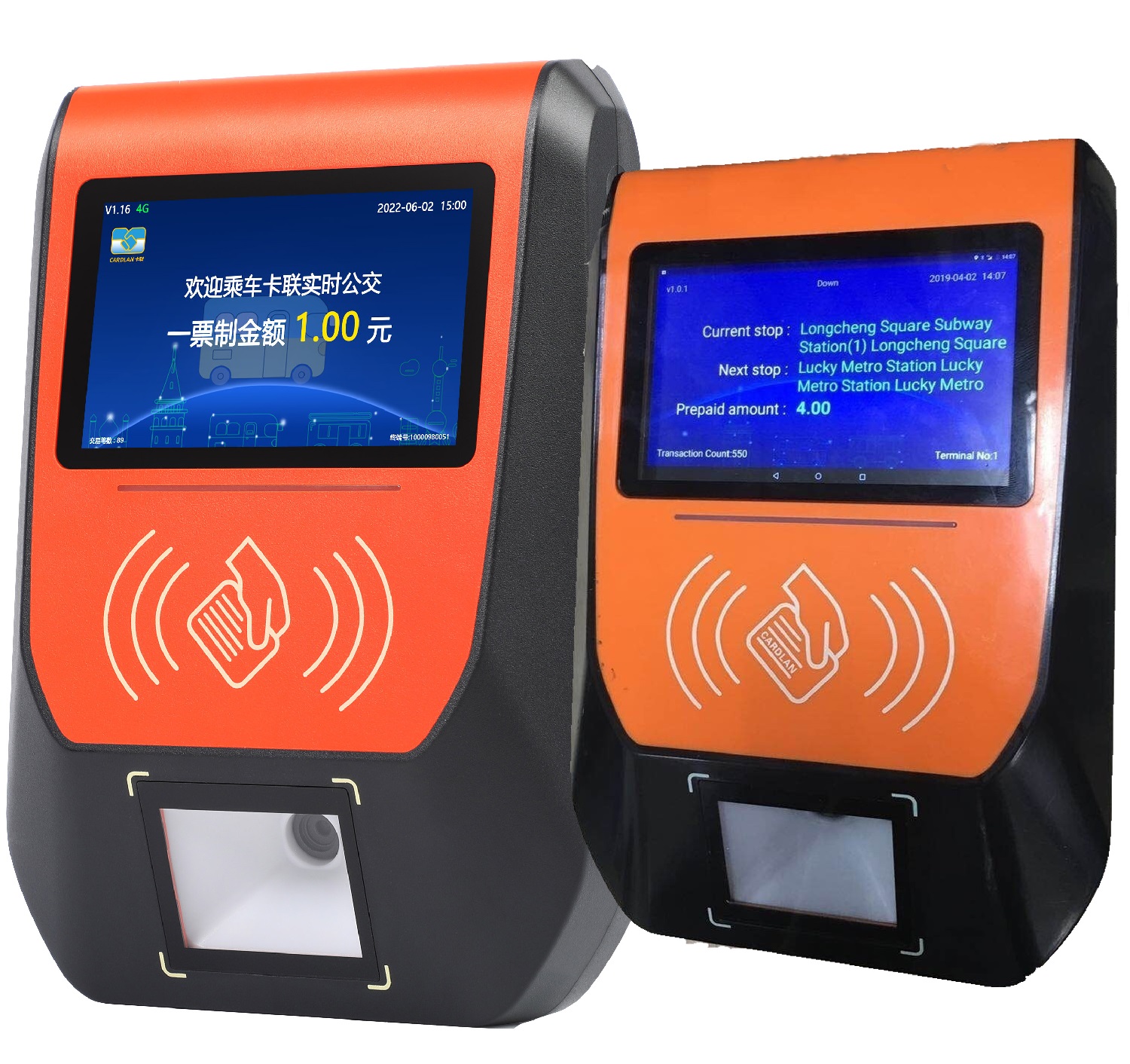 Cardlan Validator support SDK and API for development