The intelligent canteen management solution includes 8 aspects:
1. Establish a cafeteria management system: This system can achieve real-time monitoring and management of cafeteria dishes, inventory, orders, dining and other data, improve management efficiency, improve service quality, and reduce costs.
2. Implement cafeteria dish management: flexibly set dishes according to different populations, seasons, and holidays, optimize dish combinations through data analysis, and improve customer satisfaction.
3. Implement canteen inventory management: Real time monitoring of incoming, outgoing, and inventory status of ingredients, ensuring freshness and quality of ingredients, and reducing wastage rates.
4. Implement cafeteria order management: Customers can place orders through their mobile phones or terminals, and orders are automatically pushed to the backend, improving ordering efficiency and reducing queuing time.
5. Implement cafeteria dining management: achieve self-service ordering, card swiping settlement, dining statistics and other functions, improve dining efficiency, and improve service quality.
6. Implement cafeteria data analysis: By analyzing sales, inventory, customer dining and other data, provide data support for cafeteria managers, help them optimize management strategies, and improve management efficiency.
7. Realize intelligent operation of cafeteria: Through the application of intelligent devices and software, achieve automation and intelligence of cafeteria operation, improve operational efficiency and service quality.
8. Establishing an online cloud cafeteria: Through the construction of an online platform, a new model of smart restaurants that integrates online and offline is achieved, providing a more convenient, efficient, and personalized service experience.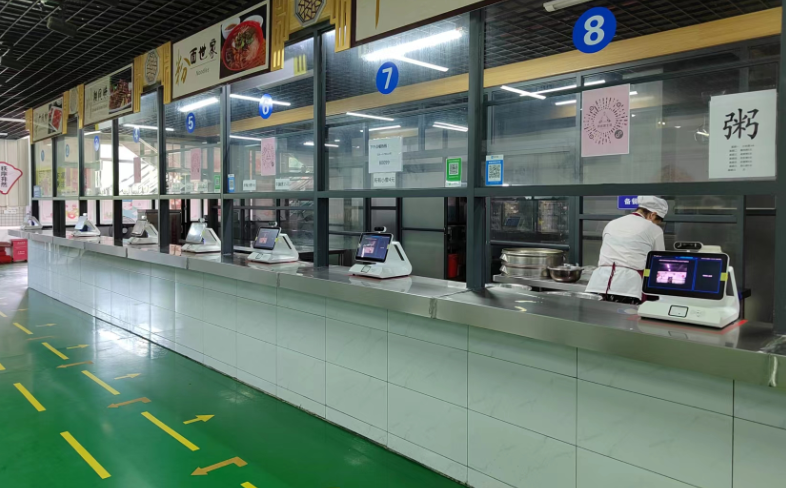 The card connected intelligent cafeteria management solution consists of a face recognition dual screen toll machine and a catering data management system, which can be divided into four parts: ordering, dining, operation, and supervision. Based on the Android system, the self-service charging device integrates facial recognition, card swiping, code scanning, and printing, which can help diners achieve various self-service functions, including self-service recharge, facial information binding, consumption record query, etc Balance query and nutrition query services can improve management efficiency, improve service quality, reduce costs, and provide users with a more convenient, fast, safe, and healthy dining experience.
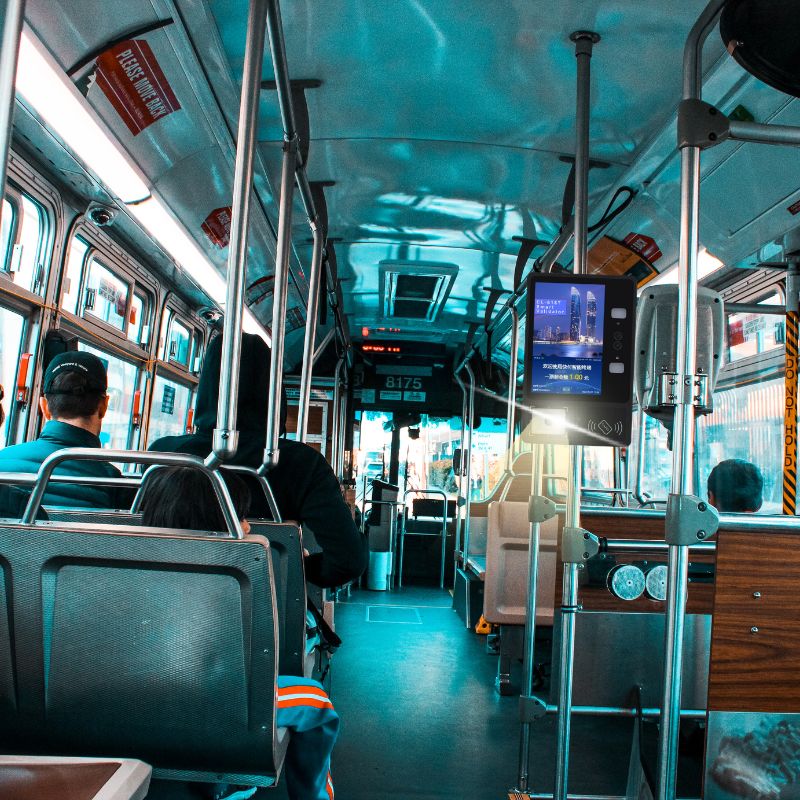 Why do some buses have only one card reader while others have two?
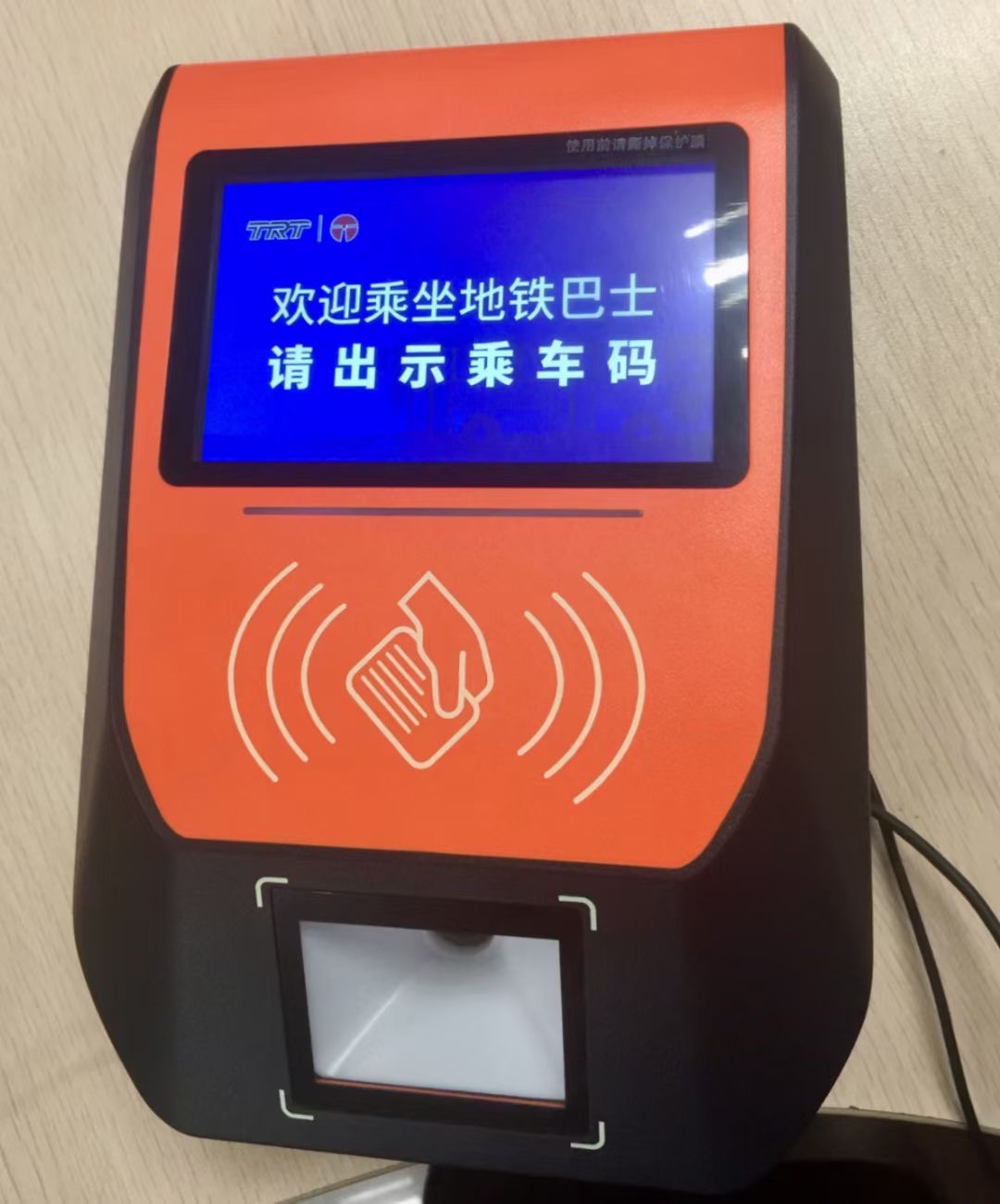 Can Bus Zonal Fare Collection Be Applied to Metro Systems?
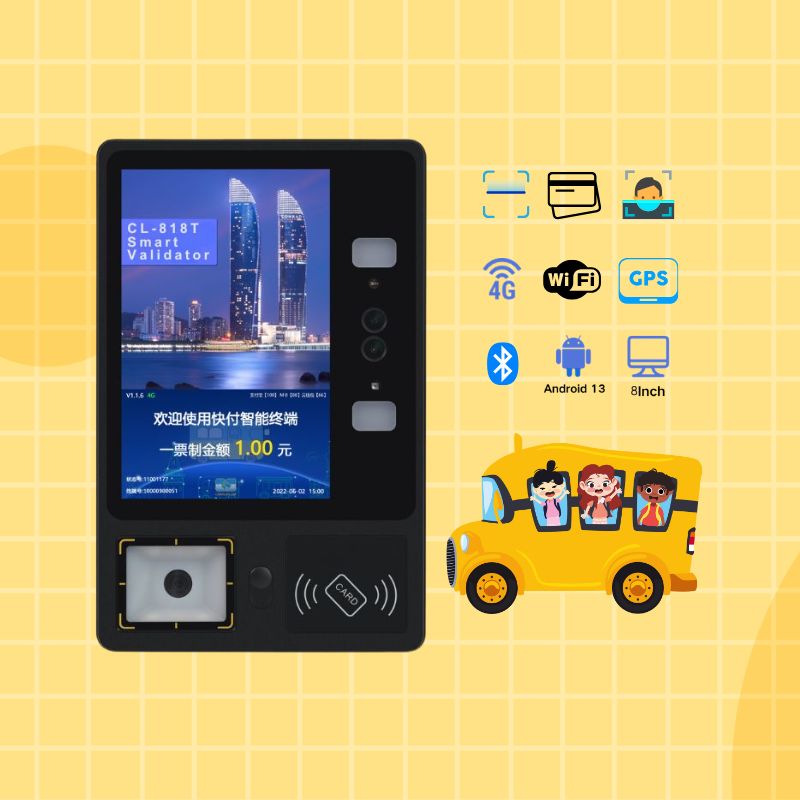 In which fields can prepaid cards be used for bus card readers?
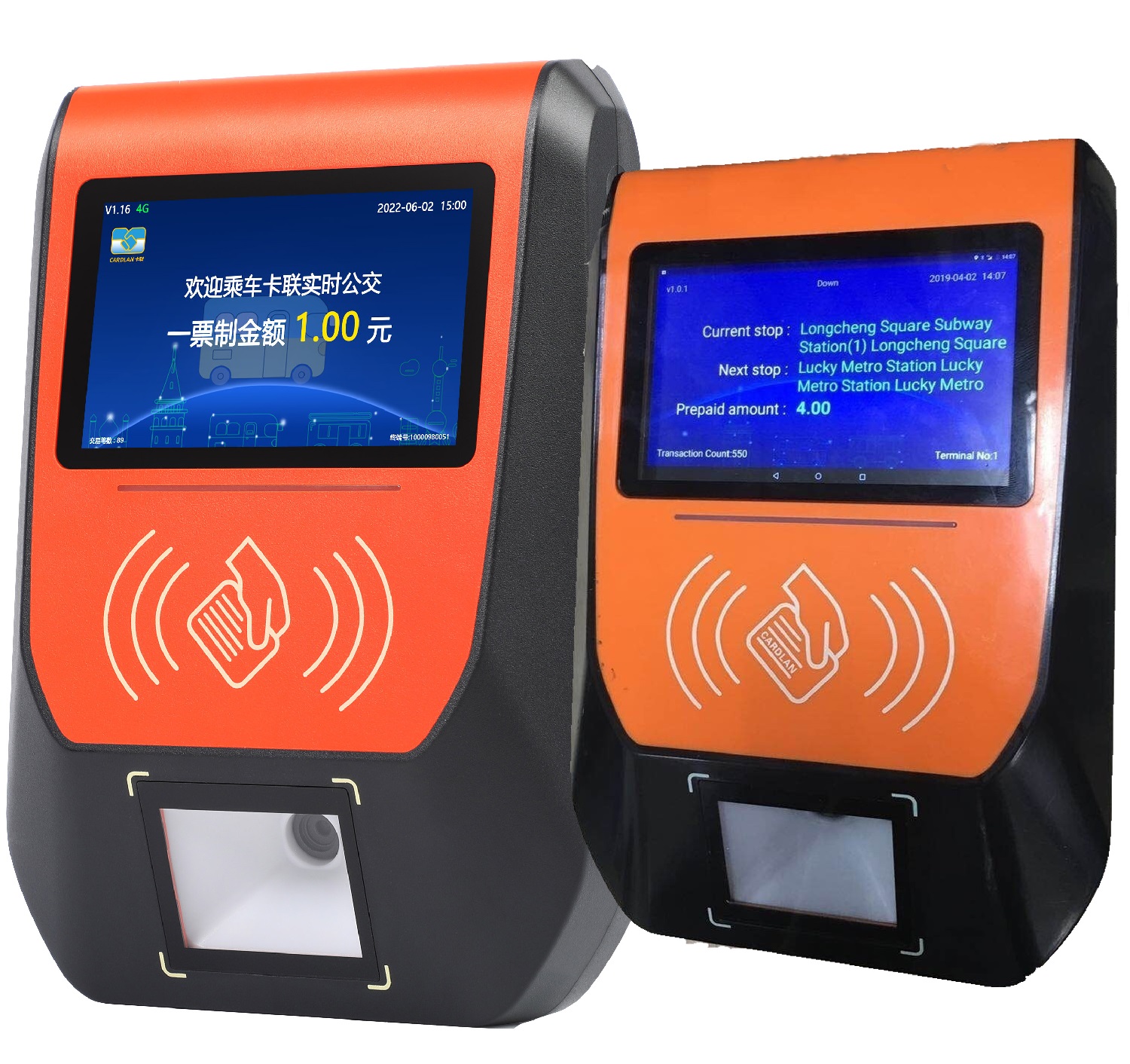 Cardlan Validator support SDK and API for development