
Public Transport Card System:
Core functions include processing payments (e.g., card swipes, QR code scans) and recording transaction data such as boarding/alighting times and locations.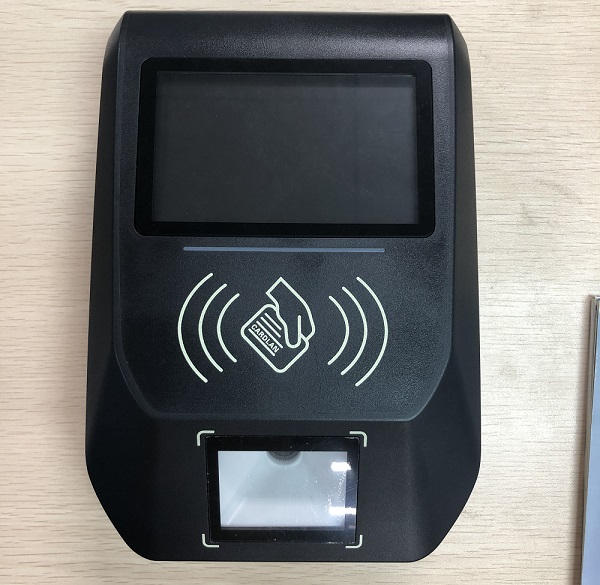
Passenger Flow Statistics System:
Focuses on analyzing passenger flow data (e.g., hourly/daily ridership, station/route-specific traffic) to optimize scheduling and resource allocation.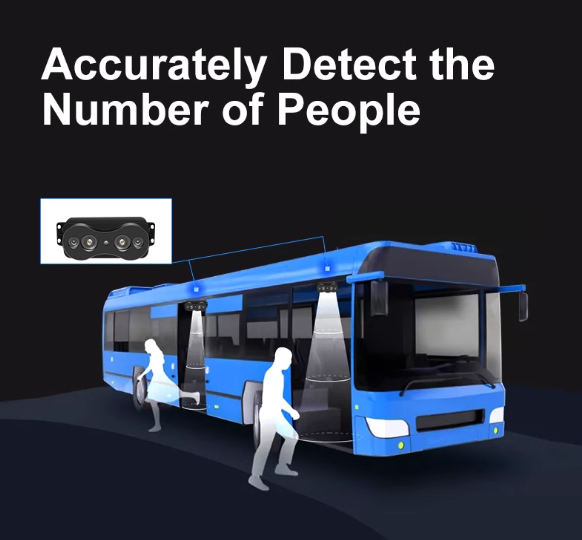
Relationship:
The card system provides raw data (e.g., boarding records), while the statistics system transforms this data into actionable insights. Together, they enhance operational efficiency and passenger experience.
Dependency Scenario:
If the statistics system directly relies on card system data (e.g., estimating ridership from card swipes), it acts as a "helper" that depends on the card system.
Independence Scenario:
If the statistics system uses alternative technologies (e.g., onboard cameras, infrared sensors, pressure sensors), it operates independently. The two systems cross-validate data (e.g., sensors compensate for cash-paying passengers not tracked by card systems).
Precision Scheduling:
Combining card transaction timestamps/locations with real-time passenger counts enables dynamic adjustments to bus frequencies, reducing overcrowding or empty runs.
Resource Optimization:
Analyzes peak/off-peak patterns to optimize vehicle allocation (e.g., deploying larger/smaller buses) and driver shifts.
User Experience:
Predicts crowded periods and sends alerts to passengers or displays real-time vehicle occupancy via apps.
Data Gaps:
Card systems may miss cash-paying passengers or fare evaders, requiring sensor-based systems to fill gaps.
Privacy Concerns:
Video-based or individual tracking methods must comply with data protection laws.
In smart transportation ecosystems, passenger flow systems may integrate with GPS, AI prediction models, and decision-support platforms, evolving beyond a "helper" role into a comprehensive management tool.
The passenger flow statistics system and the public transport card system are best described as "data partners." The former leverages card data alongside other technologies to deliver high-level analytics, jointly driving the intelligence and efficiency of public transport operations.
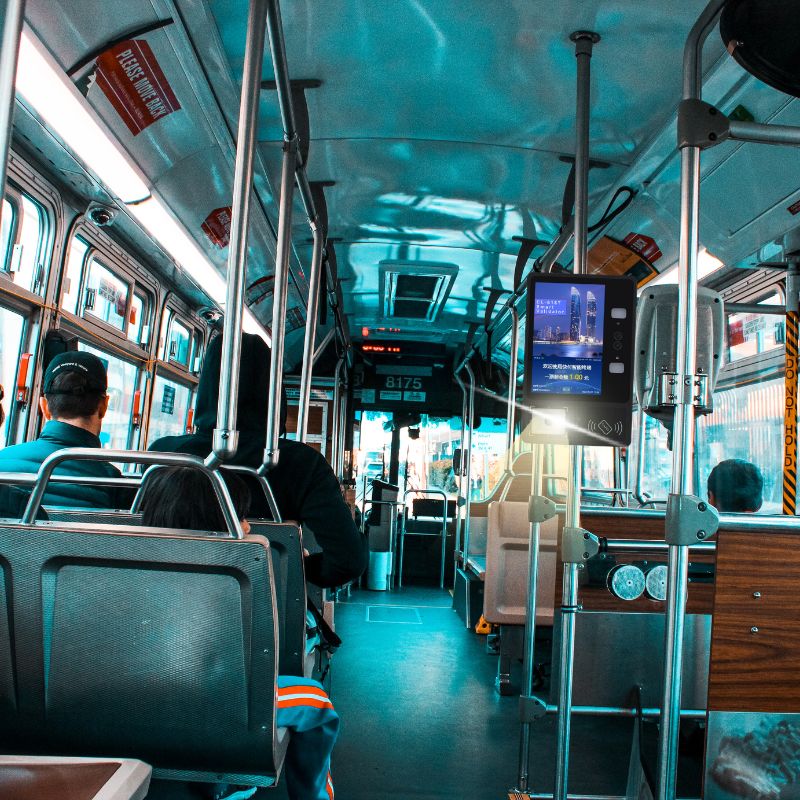 Why do some buses have only one card reader while others have two?
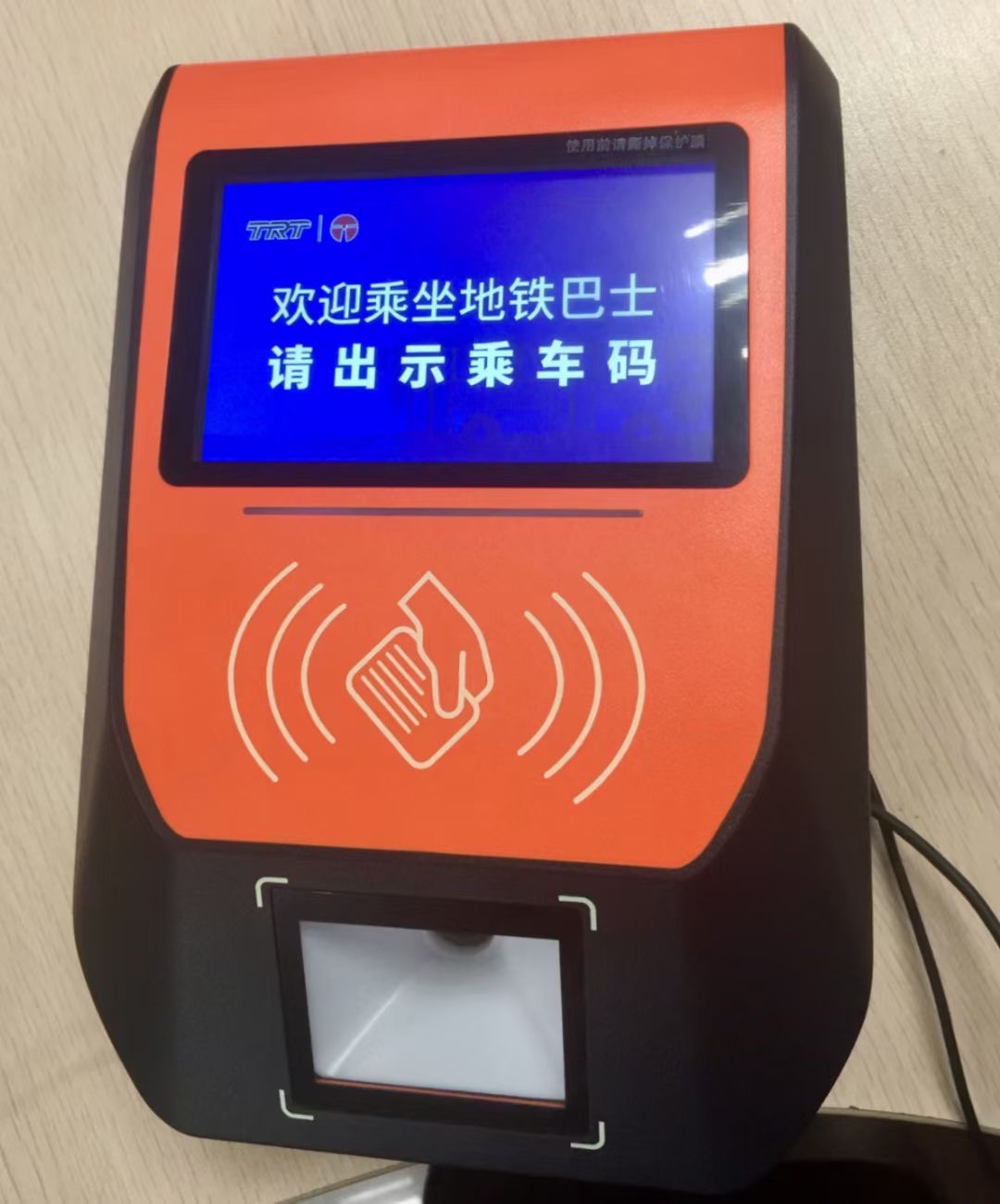 Can Bus Zonal Fare Collection Be Applied to Metro Systems?
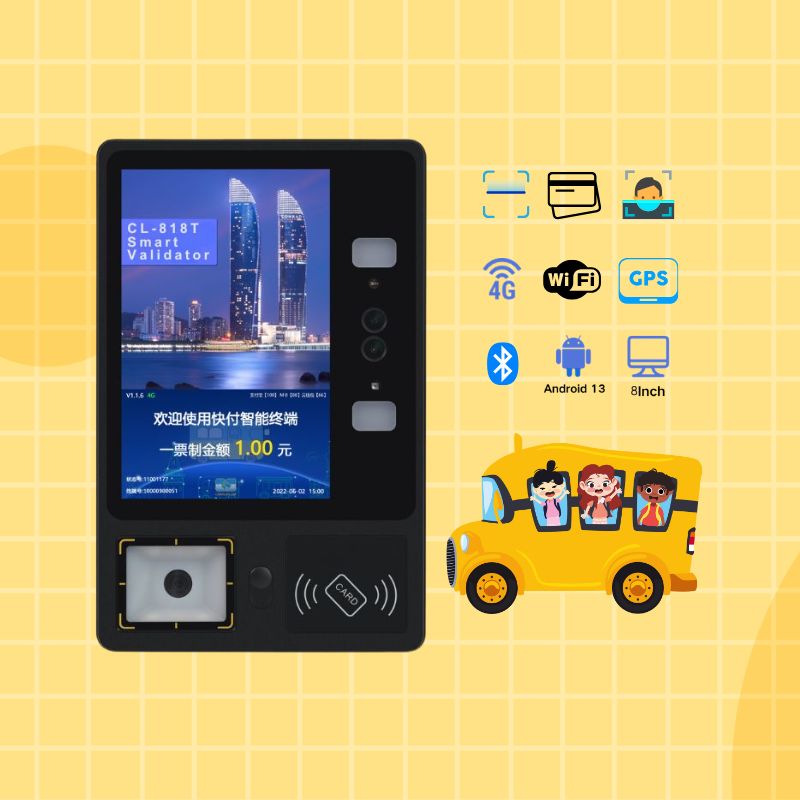 In which fields can prepaid cards be used for bus card readers?
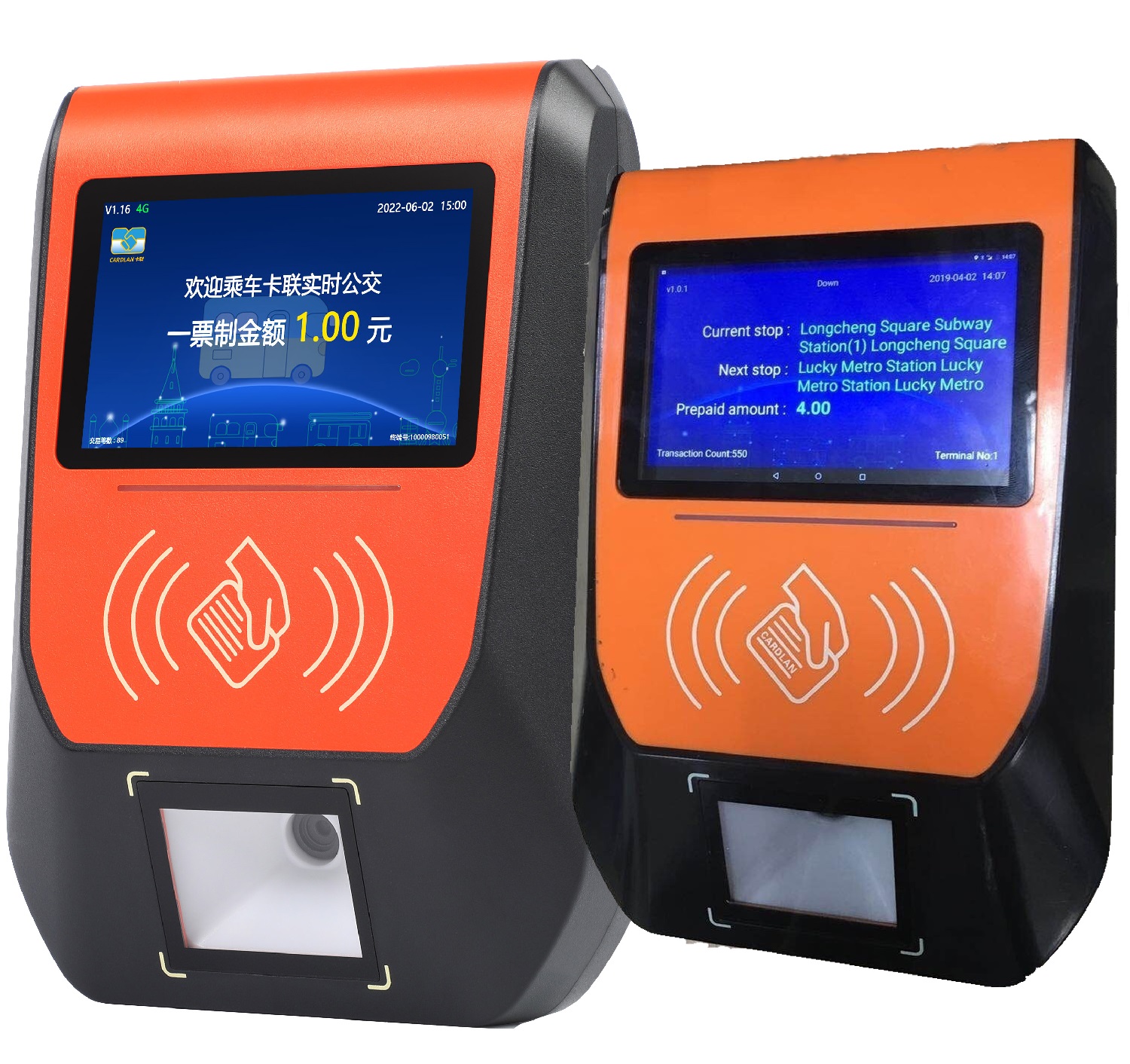 Cardlan Validator support SDK and API for development