
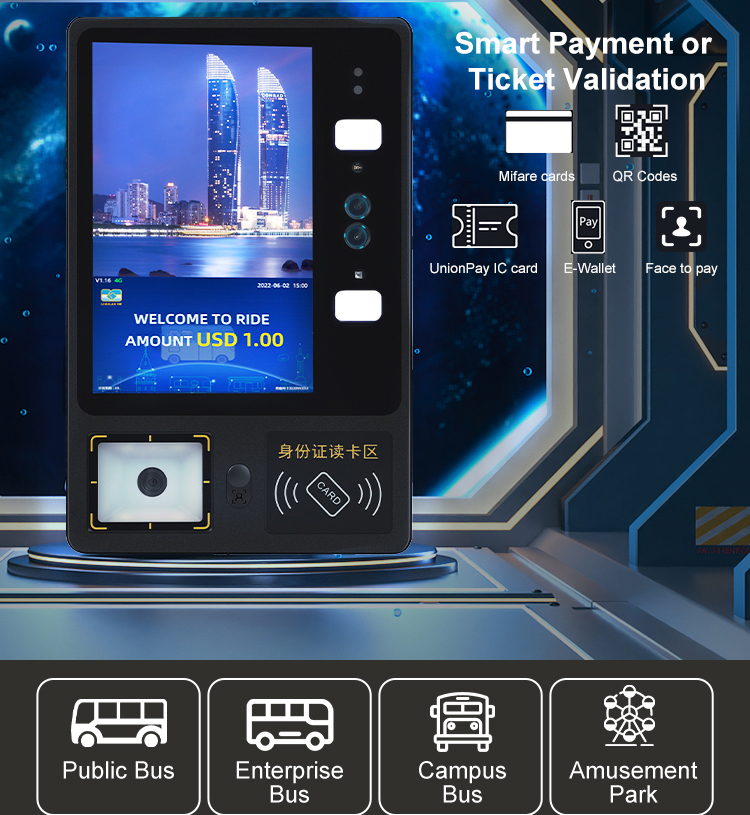
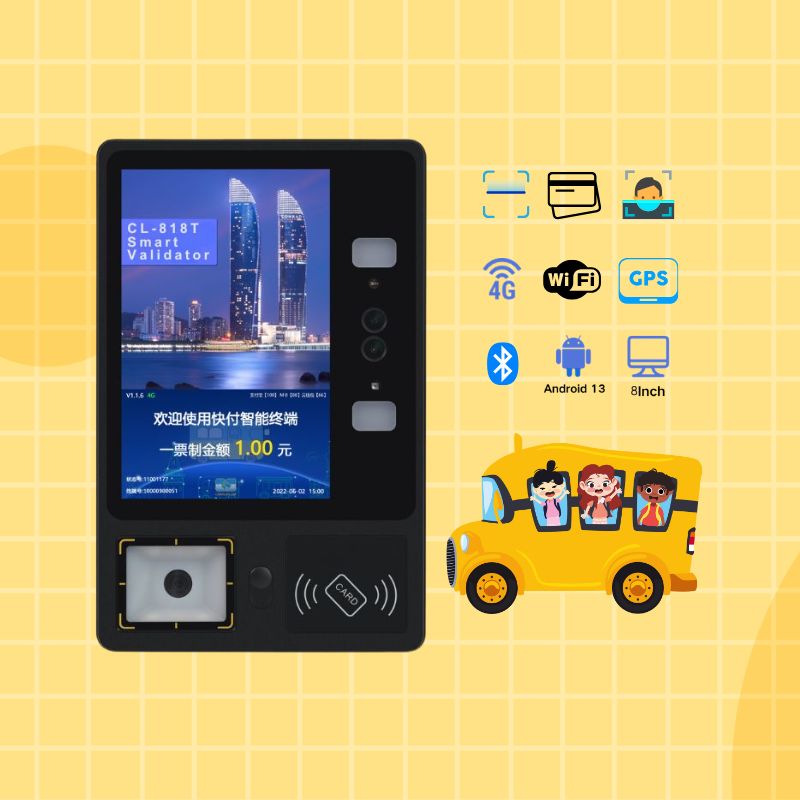
CL-A818 G smart bus validator can support Facial recognition, RFID card, QR scanning with GPS positioning module, support 4G, WIFI wireless communication etc. Can be used for electronic payment or card validation in following field:
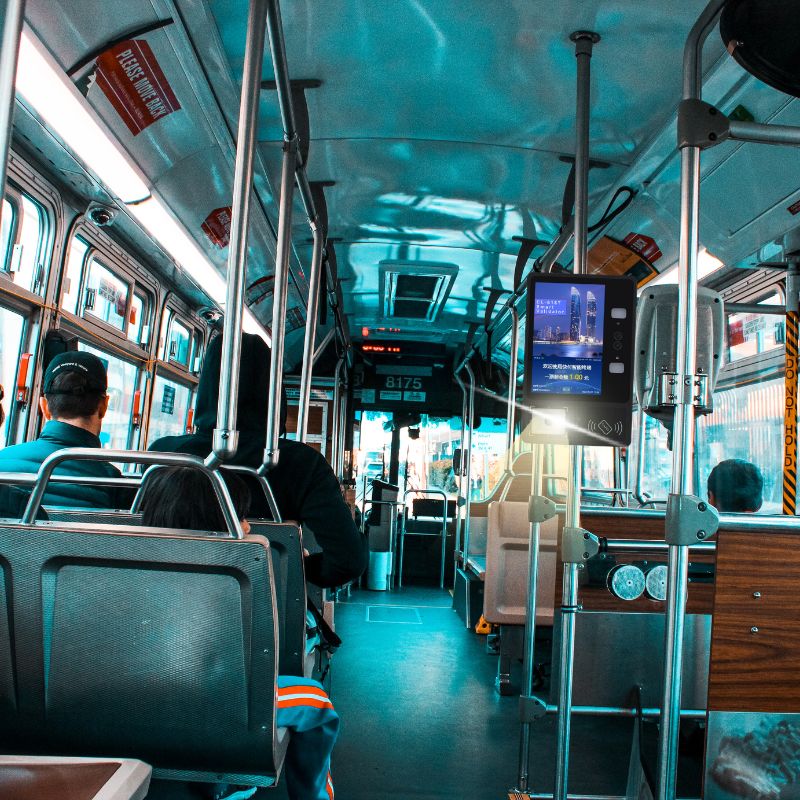
l Public transport fare collection
l Scenic spots/amusement park card payment
l Balance inquiry
l Employee shuttle bus card validation
l Safety school bus system
Main parameters
|
Name: |
Smart Terminal |
|
Operating System: |
Android7.1 |
|
CPU: |
Qualcomm eight-core 64-bit ARM Cortex-A53, built-in Qualcomm AdrenoTM 506 CPU, main frequency 2GHz |
|
RAM: |
DDR3 2G |
|
Data storage: |
eMMC 16G(default)、Max support TF card expend to 64G |
|
Storage |
|
|
Data Capacity: |
more than 2 million detailed data for console storage, extensible |
|
Blacklist: |
One hundred thousand pcs default,extensible |
|
Working Environment |
|
|
Working Temperature: |
-20℃~65℃ |
|
Storage Temperature: |
-40℃~85℃ |
|
Working Humidity: |
0-90%(non-condensing) |
|
Physical Parameter |
|
|
Dimension: |
270x169x72mm(do not include installation parts) |
|
Housing material: |
|
|
LCD display |
|
|
Display: |
8 inch TFT-LCD, 1280*800 LCD brightness can be 250cd/400cd optional, the default is 250cd, if the user has an outdoor use scene, it is recommended to choose 400cd. |
|
Indicator light: |
Red and green |
|
Camera |
|
|
Scanning: |
Wide angel/QR /customized |
|
Facial recognition |
Binocular, wide dynamic face recognition camera, default feature library capacity: 20,000 1. Binocular camera, support live detection; 2. Supports adaptation to different face algorithms; 3. Customers can choose the whole package or our company provides SDK secondary development kits or algorithms to assist customers in application development. |
|
Voice Prompt |
|
|
Sound Prompt: |
Buzzer、Single channel loudspeaker |
|
Voice Prompt: |
16KHz,16bit single channel voice prompt |
|
Power Supply Specification |
|
|
Working Voltage: |
DC 8V-55V |
|
RFID |
|
|
Support standard: |
ISO-14443 Type A/B |
|
Reading Distance: |
0~40mm |
|
Working Frequency: |
13.56Mhz |
|
Card Type: |
MiFare Classic, CPU card |
|
Scanning Function |
|
|
Support Type |
Support 1D code and 2D code |
|
Interface |
|
|
Communication Interface: |
USB(type A)、USB(Micro 5pin)、RS485 and TTL-232 optional |
|
Multi-screen display interface |
HDMI(optional) |
|
Positioning Function |
|
|
Position way: |
GPS、beidou (optional) |
|
Working Mode |
|
|
Working Mode: |
Stand-alone or connect to server |
|
Power Consumption |
|
|
Power Consumption: |
≤15 W |
|
Warning Function |
|
|
Warning Function |
Warning when card balance is insufficient or data memory is full |
|
Wireless Communication |
|
 Why do some buses have only one card reader while others have two?
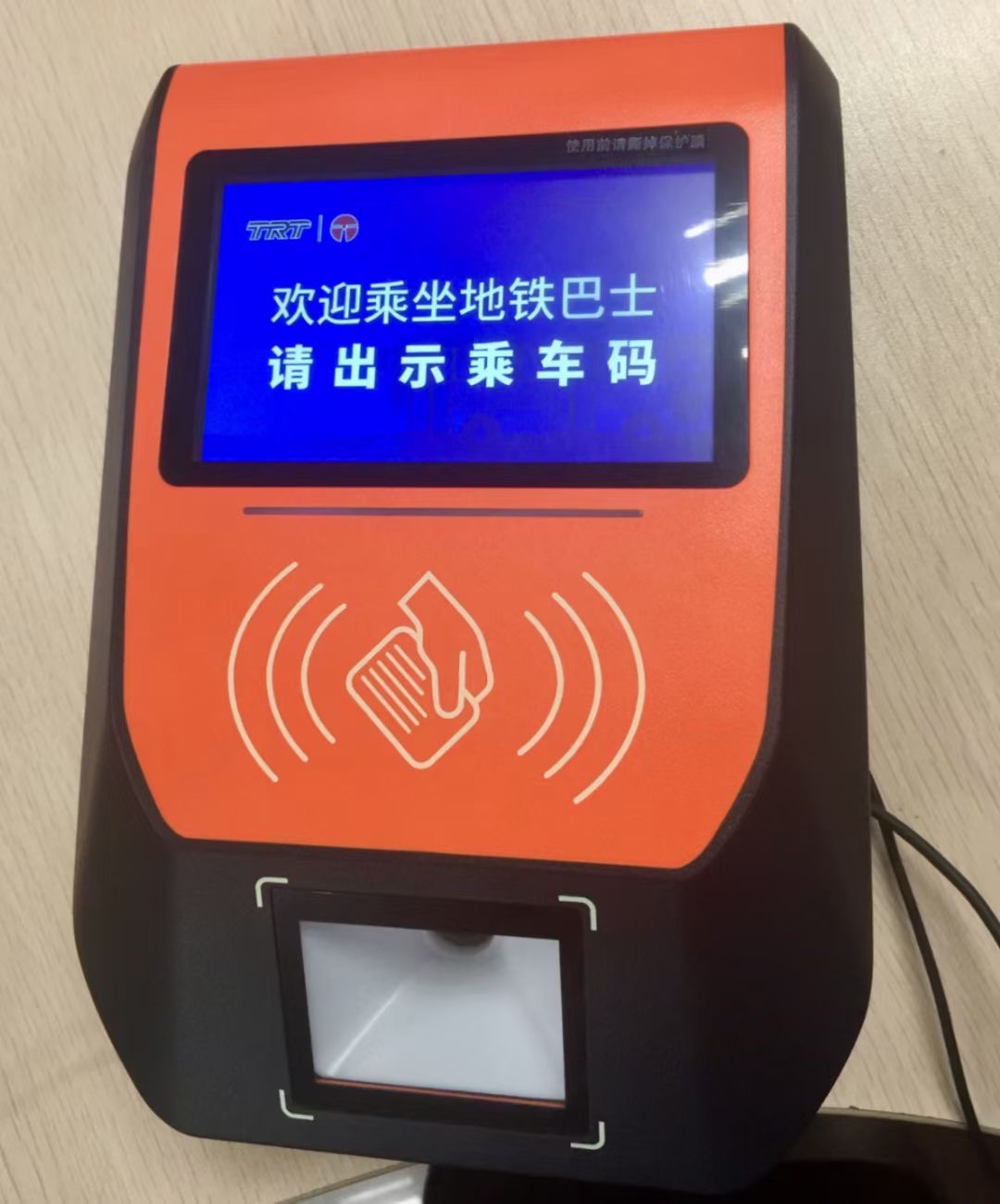 Can Bus Zonal Fare Collection Be Applied to Metro Systems?
 In which fields can prepaid cards be used for bus card readers?
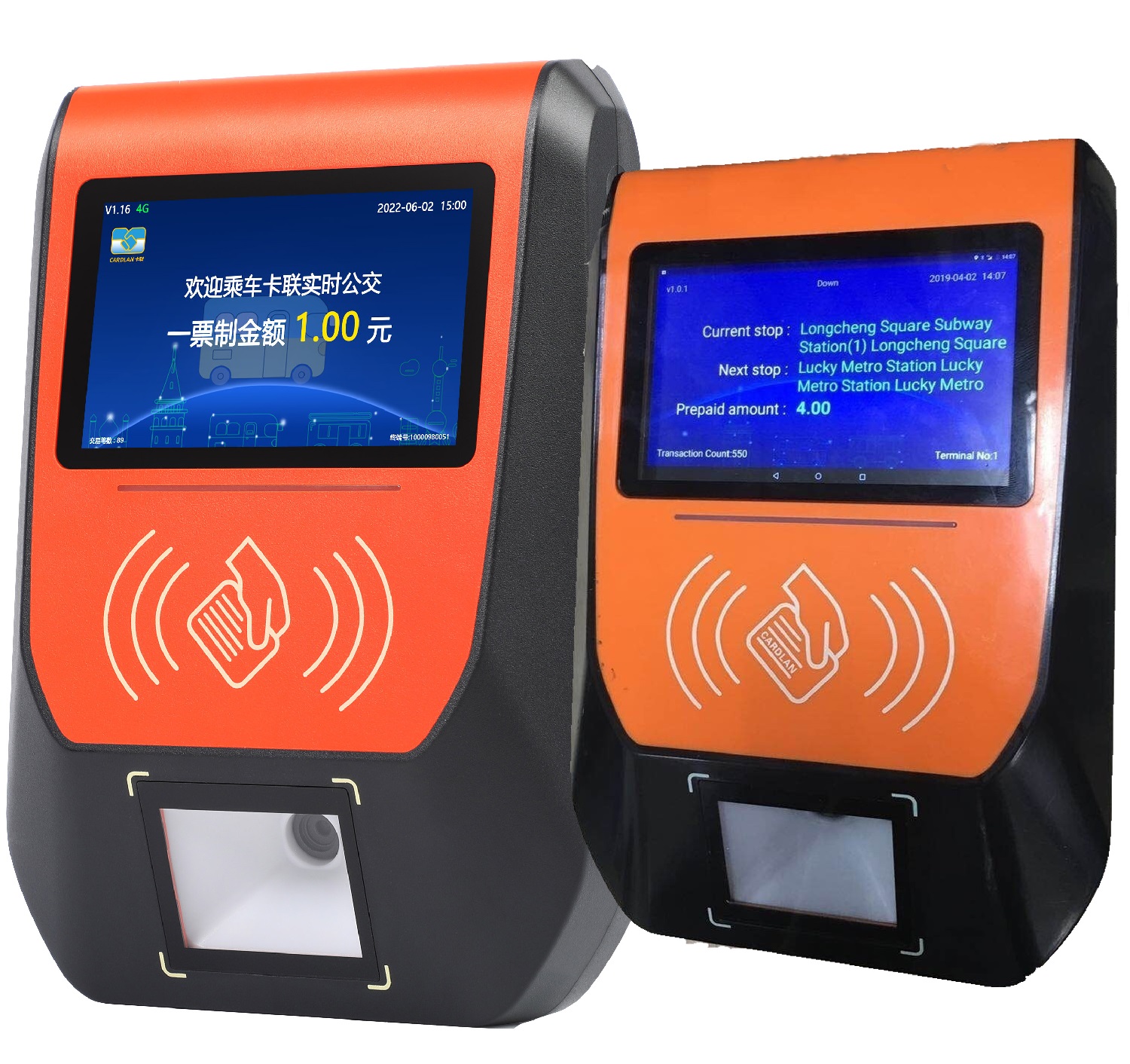 Cardlan Validator support SDK and API for development