
Payment Methods in Different Fields of China:
In today's interconnected world, the payment methods used in different fields have become increasingly diverse and advanced. From e-commerce to physical stores, from online platforms to mobile applications, a range of payment options is available to cater to different needs and preferences. In this article, we will explore the different payment methods used in various fields and their characteristics.
Retail Stores: In physical retail stores, customers can use cash, debit cards, credit cards, and mobile payments such as Apple Pay or Google Wallet. Debit and credit cards are the most common methods, and they provide a secure and convenient way to pay. Mobile payments have also become increasingly popular, as they allow customers to pay quickly and easily using their smartphones.
E-commerce: When shopping online, customers can choose from a range of payment methods, including credit cards, debit cards, PayPal, Amazon Pay, and more. These methods are secure and convenient, as they allow customers to quickly checkout and complete their purchases. Some e-commerce platforms also offer escrow services to ensure the safety of transactions.
Mobile Applications: Many mobile applications require users to provide payment information for in-app purchases or subscriptions. Common payment methods include credit cards, debit cards, PayPal, and gift cards. These methods allow users to easily purchase digital goods or services without leaving the app.
Online Banking: When it comes to online banking, customers can use a variety of secure and convenient payment methods such as online transfers, bill payments, and direct debits. These methods allow customers to manage their finances easily from any device with an internet connection.
Cryptocurrency: Cryptocurrency such as Bitcoin has emerged as a new form of payment in recent years. It allows users to make transactions without the need for a third party or traditional banking system. Although it is still relatively niche, cryptocurrency is gaining popularity among certain groups of people who value privacy and decentralization.
In conclusion, the payment methods used in different fields have evolved significantly over time to meet the needs of customers and businesses. From cash and checks to digital wallets and cryptocurrency, the options available today provide a seamless and secure way to conduct transactions. As technology continues to advance, we can expect even more innovative payment methods in the future that will further enhance the customer experience.
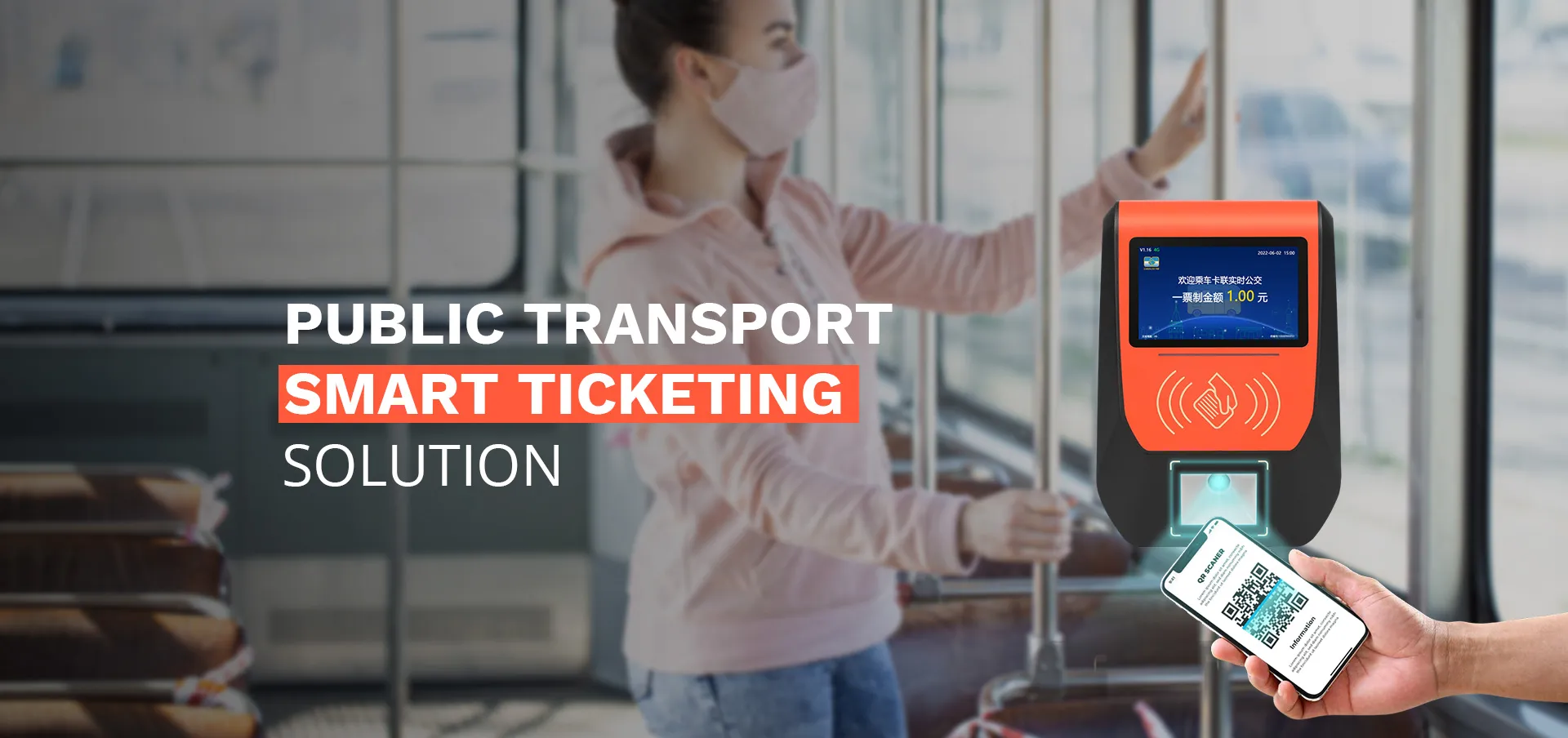
 Why do some buses have only one card reader while others have two?
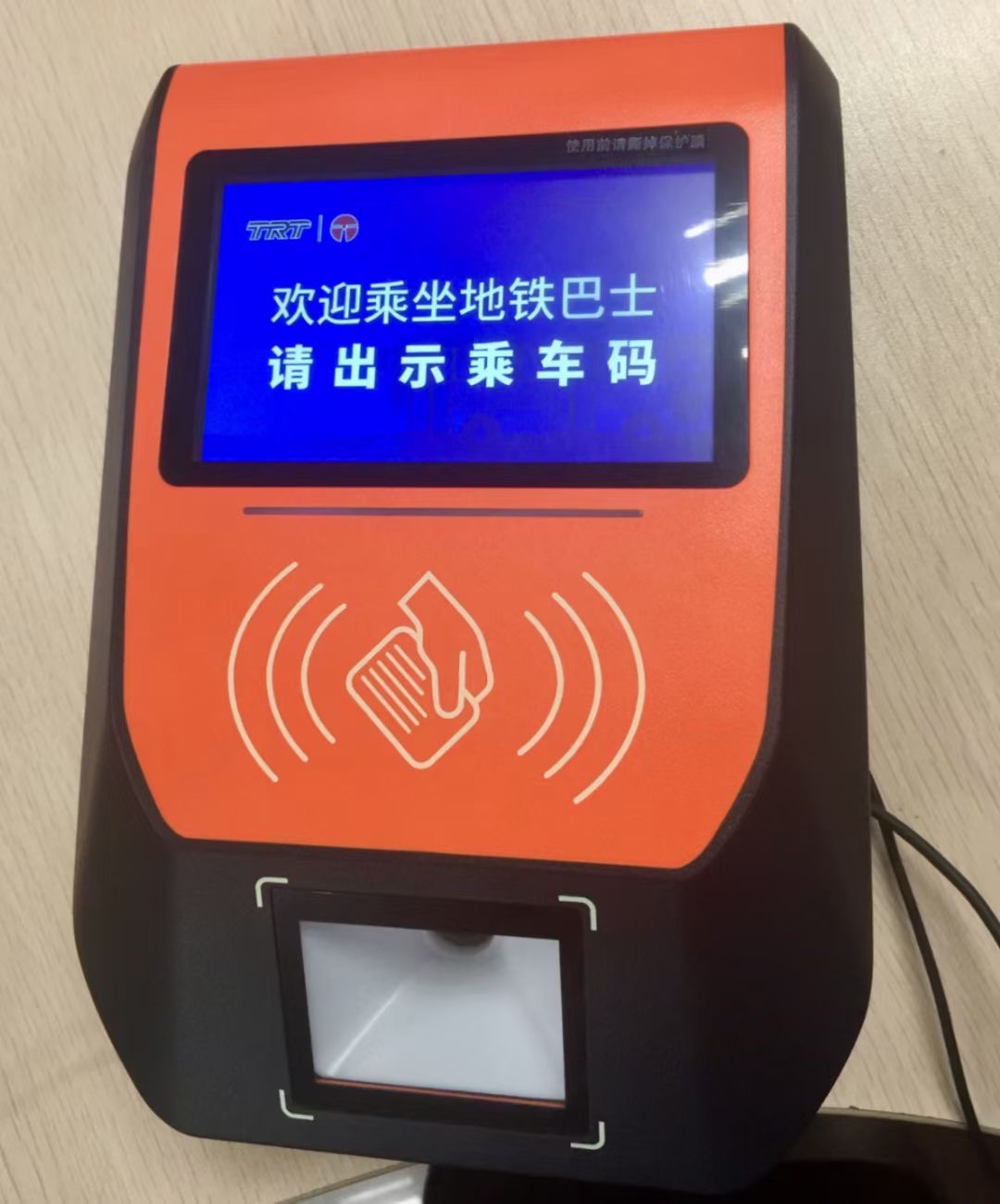 Can Bus Zonal Fare Collection Be Applied to Metro Systems?
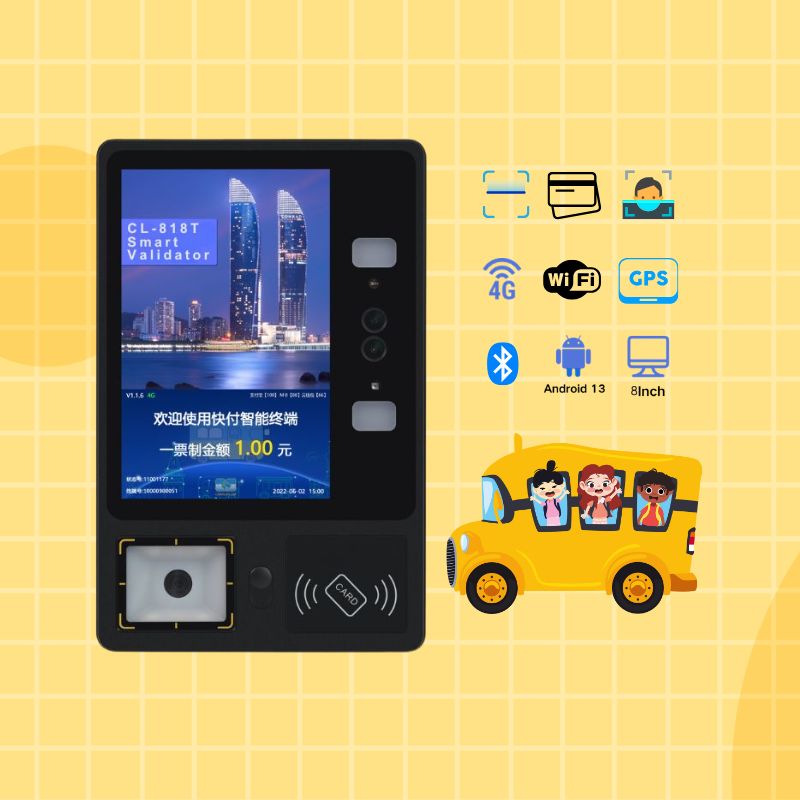 In which fields can prepaid cards be used for bus card readers?
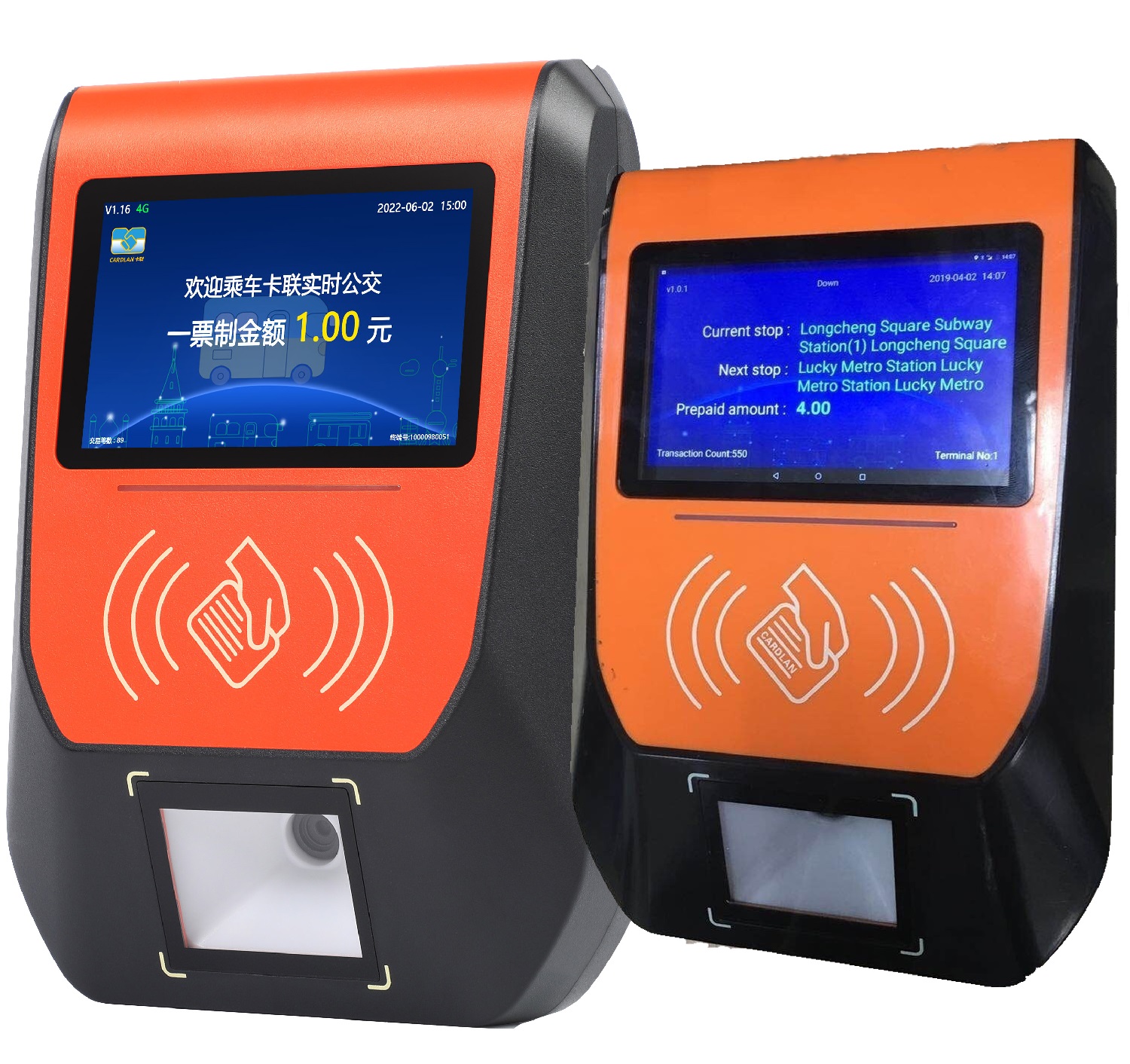 Cardlan Validator support SDK and API for development