Public Transport Card Reader System Proposal
1. Project Background
With the rapid development of urban public transportation, the card reader system has become a critical component of bus operations. It enhances boarding efficiency, reduces cash transactions, and improves operational management. This proposal outlines the design of an efficient, stable, and user-friendly public transport card reader system.
2. System Objectives
- **Improve Boarding Efficiency**: Reduce passenger boarding time and enhance bus operation efficiency.
- **Minimize Cash Transactions**: Lower cash management costs and mitigate counterfeit currency risks.
- **Real-Time Data Management**: Enable real-time upload and analysis of transaction data for operational management.
- **Support Multiple Payment Methods**: Compatible with transport cards, QR codes, NFC, and other payment methods to meet diverse passenger needs.
3. System Architecture
The public transport card reader system consists of the following components:
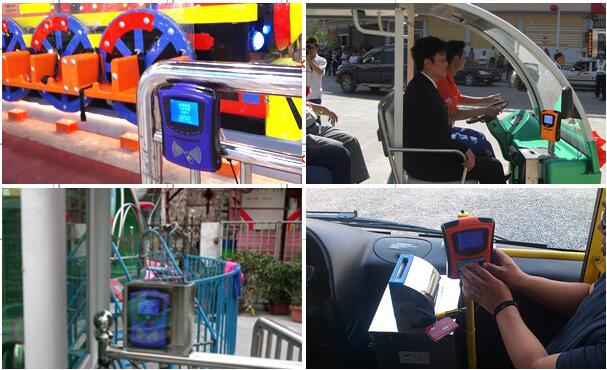
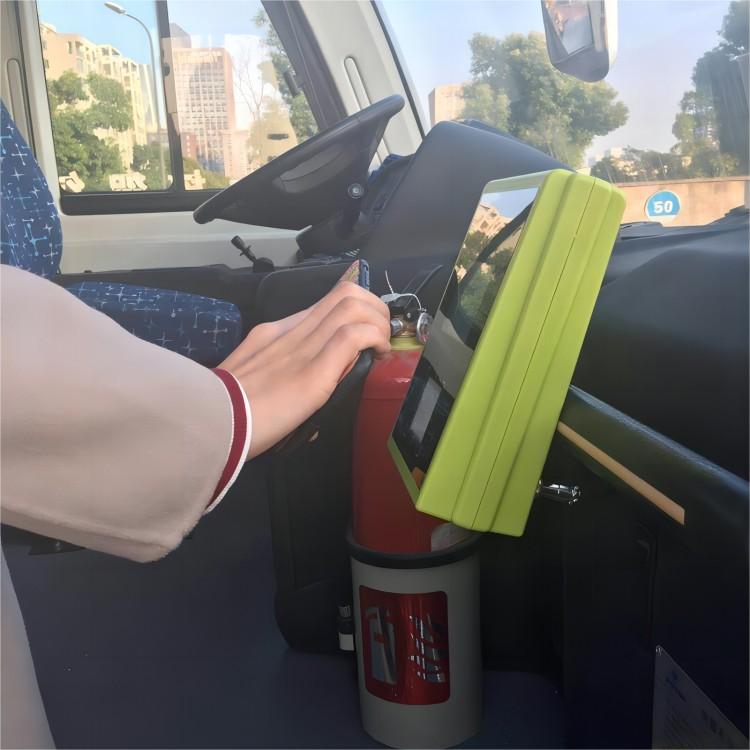
- **Hardware**: Card reader terminal, communication module, power supply module, display screen, printer, etc.
- **Software**: Embedded operating system, payment processing software, data upload module, and backend management system.
4. Hardware Design
4.1 Card Reader Terminal
- **Processor**: High-performance embedded processor to support multitasking.
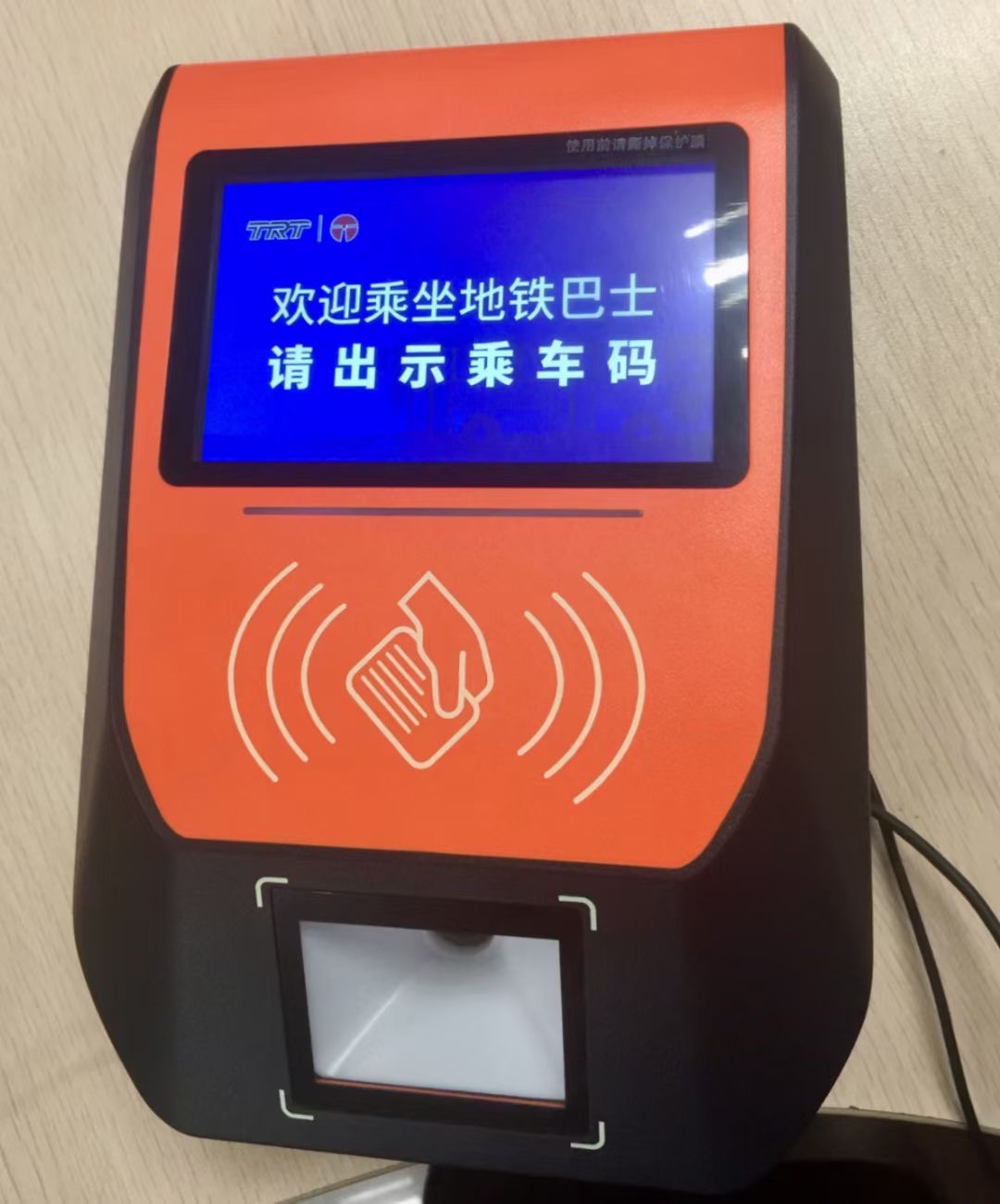
- **Card Reading Module**: Supports transport cards, NFC, QR codes, and other payment methods.
- **Display Screen**: LCD or LED screen to display payment amount, balance, and transaction status.
- **Communication Module**: Supports 4G/5G, Wi-Fi, and Bluetooth for real-time data upload.
- **Power Supply Module**: Powered by vehicle electricity with a backup battery to ensure operation during power outages.
- **Printer**: Optional receipt printer for transaction records.
4.2 Security Design
- **Data Encryption**: High-strength encryption algorithms to ensure transaction data security.
- **Tamper-Proof Design**: Anti-tamper casing to prevent malicious damage.
- **Anti-Counterfeit Detection**: Supports transport card authentication to prevent fraudulent use.
5. Software Design
5.1 Embedded Operating System
- Utilizes a real-time operating system (RTOS) for high efficiency and stability.
- Supports multitasking to handle card reading, communication, and display simultaneously.
5.2 Payment Processing Software
- **Transport Card Payment**: Supports fast reading and deduction of transport cards.
- **QR Code Payment**: Compatible with mainstream QR code payment methods such as Alipay and WeChat Pay.
- **NFC Payment**: Supports mobile NFC payments, including Apple Pay and Google Pay.
5.3 Data Upload Module
- **Real-Time Upload**: Transaction data is uploaded to the backend management system in real-time via 4G/5G networks.
- **Offline Storage**: Temporarily stores data locally during network outages and uploads once the network is restored.
5.4 Backend Management System
- **Data Monitoring**: Real-time monitoring of transaction data from buses for operational management.
- **Report Generation**: Automatically generates daily, weekly, and monthly operational reports for data analysis.
- **Remote Updates**: Supports remote software updates to ensure continuous system improvement.
6. System Features
- **Fast Payment**: Supports multiple payment methods for quick transactions.
- **Balance Inquiry**: Passengers can check their transport card balance on the reader.
- **Transaction History**: Passengers can view recent transaction records.
- **Voice Prompts**: Provides voice prompts to inform passengers of transaction status.
- **Fault Alerts**: Self-diagnostic function to alert and upload fault information automatically.
7. System Advantages
- **Efficiency**: Supports multiple payment methods to reduce boarding time.
- **Stability**: High-reliability hardware and software design for long-term stable operation.
- **Security**: Multiple security measures to ensure transaction data safety.
- **User-Friendly**: Simple operation for both passengers and drivers.
- **Scalability**: Supports future integration of new payment methods.
8. Implementation Plan
- **Requirement Analysis**: Communicate with public transport companies to clarify requirements.
- **System Design**: Complete hardware and software design.
- **Development and Testing**: Develop the system and conduct rigorous testing.
- **Pilot Operation**: Conduct pilot operations on selected buses, collect feedback, and optimize.
- **Full-Scale Deployment**: Expand deployment after successful pilot testing.
9. Maintenance and Support
- **Regular Maintenance**: Provide regular hardware maintenance and software updates.
- **Technical Support**: Offer 24/7 technical support to ensure system operation.
- **Fault Resolution**: Establish a rapid response mechanism for timely fault resolution.
10. Budget and Costs
- **Hardware Costs**: Includes card reader terminals, communication modules, display screens, etc.
- **Software Development Costs**: Includes embedded system development, payment processing software, and backend management system.
- **Maintenance Costs**: Includes regular maintenance, technical support, and fault resolution.
11. Conclusion
The proposed public transport card reader system is efficient, stable, secure, and user-friendly. It significantly enhances bus operation efficiency, reduces cash transactions, and meets the demands of modern urban public transportation. With a well-planned implementation and maintenance strategy, this system will deliver substantial value to public transport companies and passengers.

 Why do some buses have only one card reader while others have two?
 Can Bus Zonal Fare Collection Be Applied to Metro Systems?
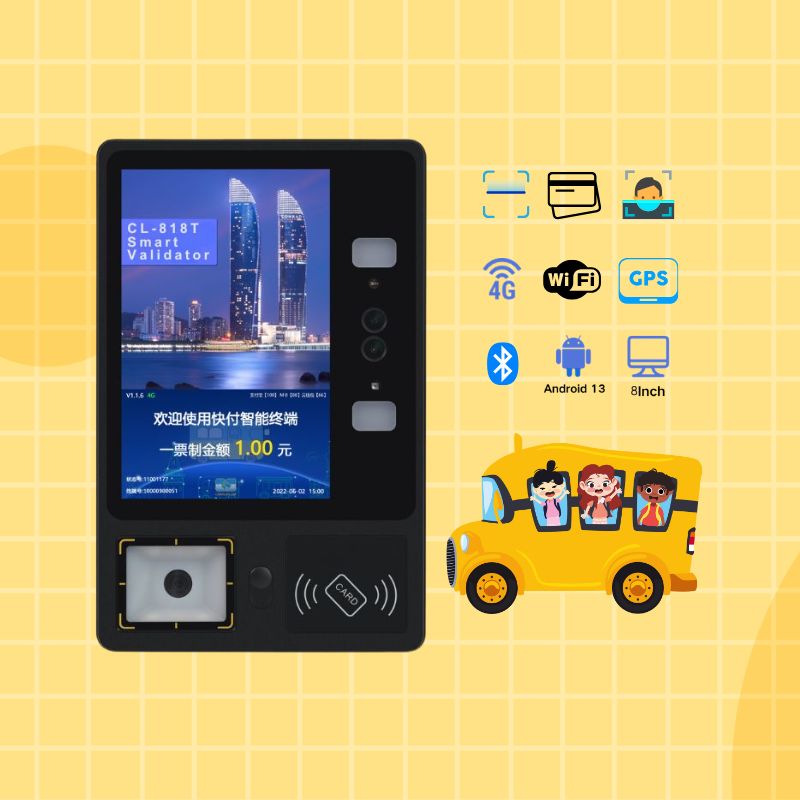 In which fields can prepaid cards be used for bus card readers?
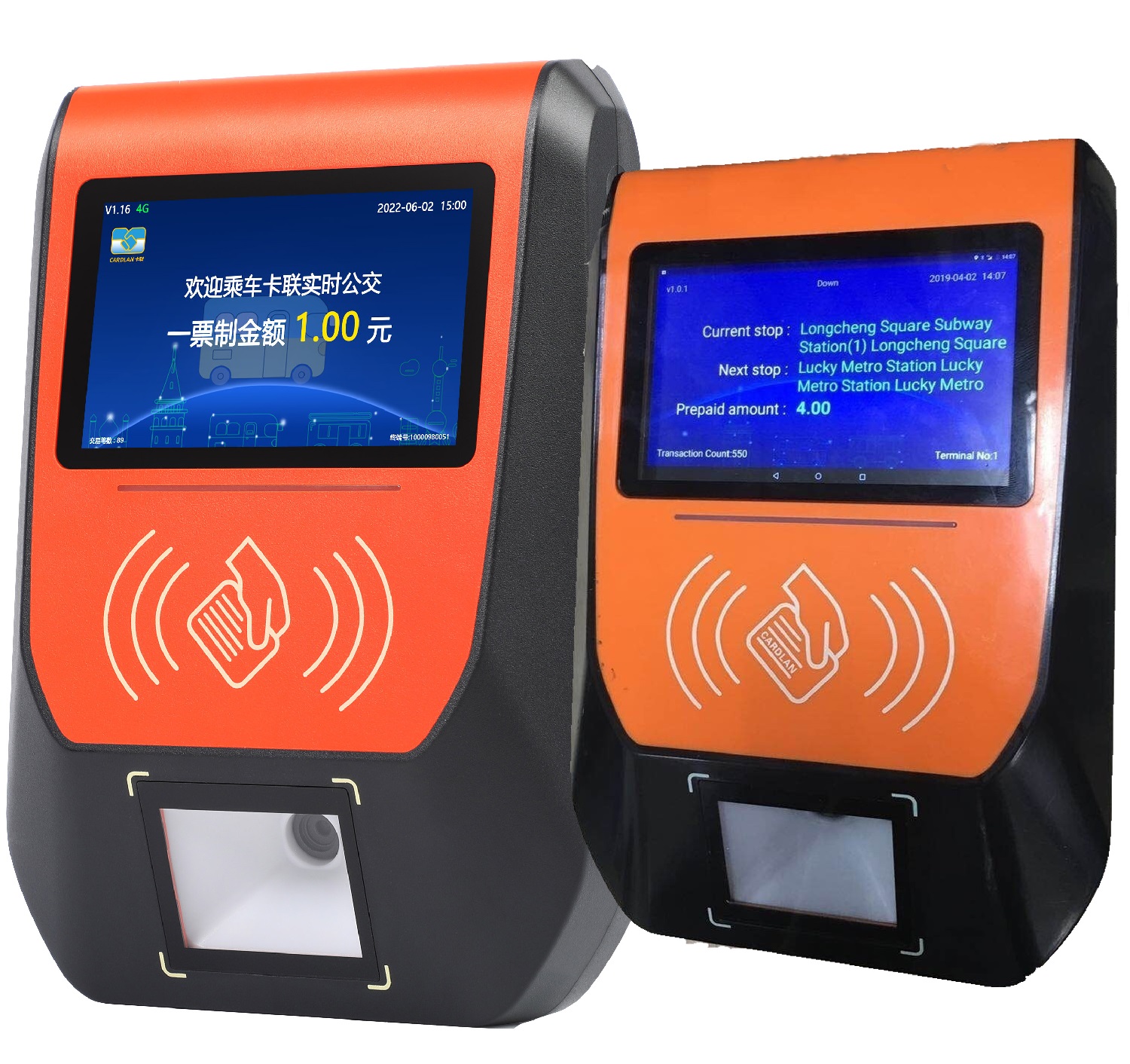 Cardlan Validator support SDK and API for development