
Public Transport Fare Collection, GPS Announcer, and Onboard Display System

Views : 4612
Author : Kathy
Update time : 2025-09-29 16:36:07

I. GPS Announcer System

  1. Technical Principle
    Based on BeiDou/GPS satellite positioning technology, combined with Geographic Information System (GIS-T) and wireless communication (3G/4G/5G), the onboard terminal obtains real-time vehicle location information, dynamically calculates the distance to the next stop and estimated arrival time, and triggers voice announcements. Some systems support Text-to-Speech (TTS) technology, allowing flexible adjustment of announcement content and voice tone.

  2. Core Functions

    • Automatic Announcement‌: Achieves precise stop detection (within 1-2 meters) using preset stop coordinates.
    • Manual Announcement‌: Drivers can manually trigger announcements via the control panel.
    • Video Monitoring‌: Integrated camera module supports real-time in-vehicle monitoring and event recording.
    • Dispatching Management‌: Supports shift scheduling, speed limit alerts, and operational data logging.
  3. Hardware Configuration
    Typical devices include high-precision GPS modules (e.g., U-blox), 32-bit processors, LCD displays (3-inch color screens), HIFI-grade amplifiers, and multiple interface extensions (e.g., USB, CAN bus).

II. Fare Collection System

  1. Integration Method
    The fare collection machine typically connects to the announcer via reserved interfaces (e.g., RS232/485), supporting ISO/IEC 14443 Type A smart cards for fare payment and passenger flow data synchronization.

  2. Data Integration
    Fare collection records can be uploaded to the dispatching center for analyzing peak passenger flow and optimizing route schedules.

III. Onboard Display System

  1. Onboard Display Terminals

    • Electronic Route Sign‌: LED or LCD screens display the route number, direction, and next stop information in real time, with some supporting full-color advertising playback.
    • Information Screen‌: Embedded terminals can switch between camera feeds and dispatching instructions.
  2. Smart Bus Stop Displays
    Synchronize vehicle locations via wireless transmission, dynamically showing arrival times, crowding levels, and transfer recommendations. Some displays integrate solar power supply.

IV. Typical Application Cases

  • Jiaxing Pinghu Bus (Zhejiang)‌: Uses Hikvision integrated systems to link automatic announcements with fare collection.
  • Shenzhen Basitong System‌: Provides a full-chain solution including GPS announcers, passenger counters, and electronic bus stop displays.

V. Technical Standards and Scalability

  • Complies with the Ministry of Transport's JT/T794-2011 onboard terminal technical requirements, supporting integration with passenger flow counters, advertising screens, and other devices.
  • Some manufacturers offer customized development services, supporting SD card-based route data updates and software upgrades.
Related News
Read More >>
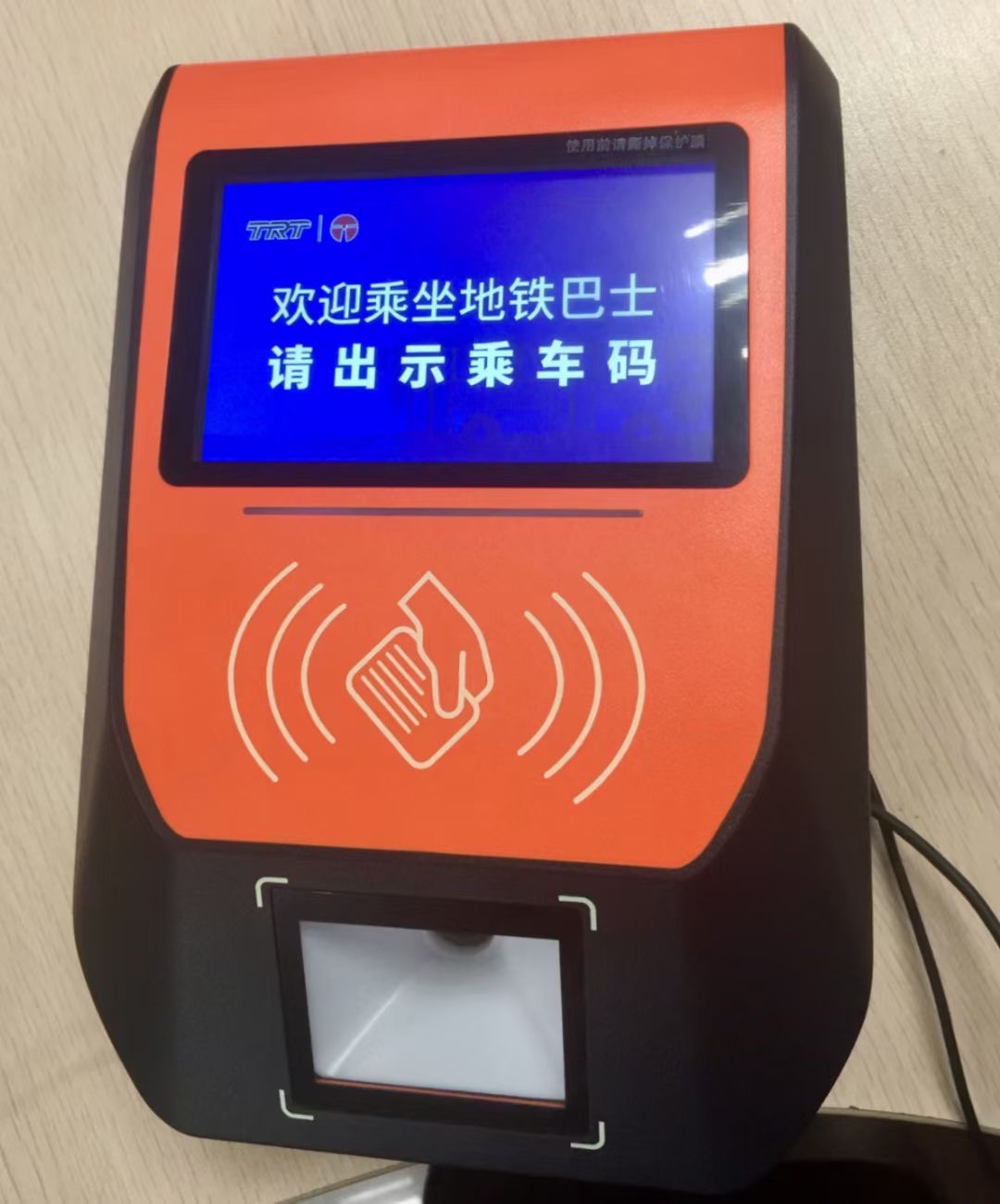
Why do some buses have only one card reader while others have two? Why do some buses have only one card reader while others have two?
Apr .09.2026
Whether a bus is equipped with one or two card readers mainly depends on the fare calculation method of the route: single-fare routes usually only require passengers to tap their cards once when boarding, so one card reader is sufficient; while distance-based fare routes require passengers to tap their cards both when boarding and alighting to calculate the actual trip cost, hence two card readers are needed.
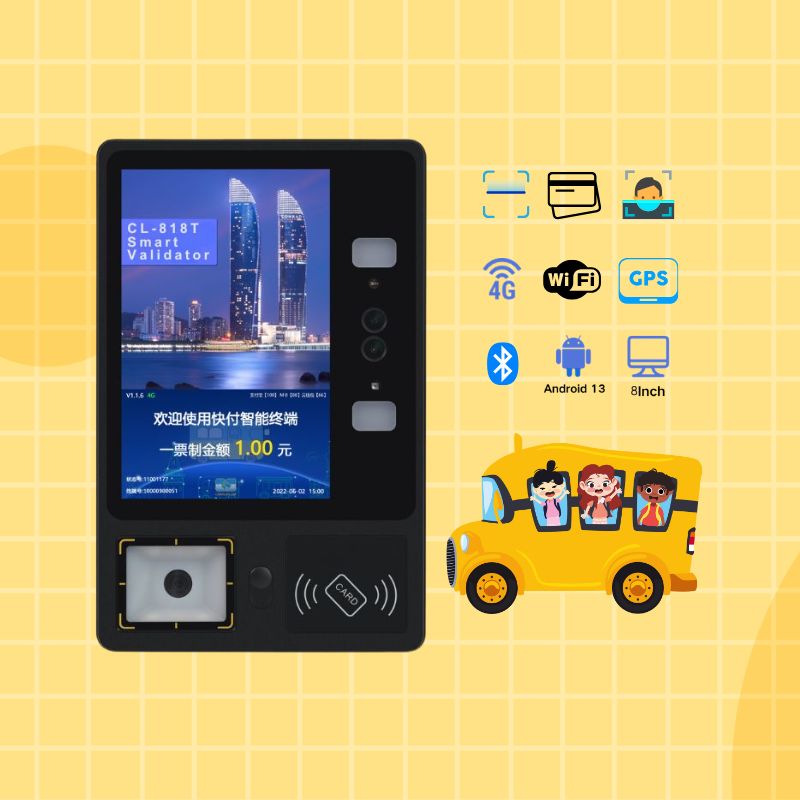
‌Can Bus Zonal Fare Collection Be Applied to Metro Systems? ‌Can Bus Zonal Fare Collection Be Applied to Metro Systems?
Apr .02.2026
Cardlan Zonal fare collection support tap on and tap out to realize station fare collection.
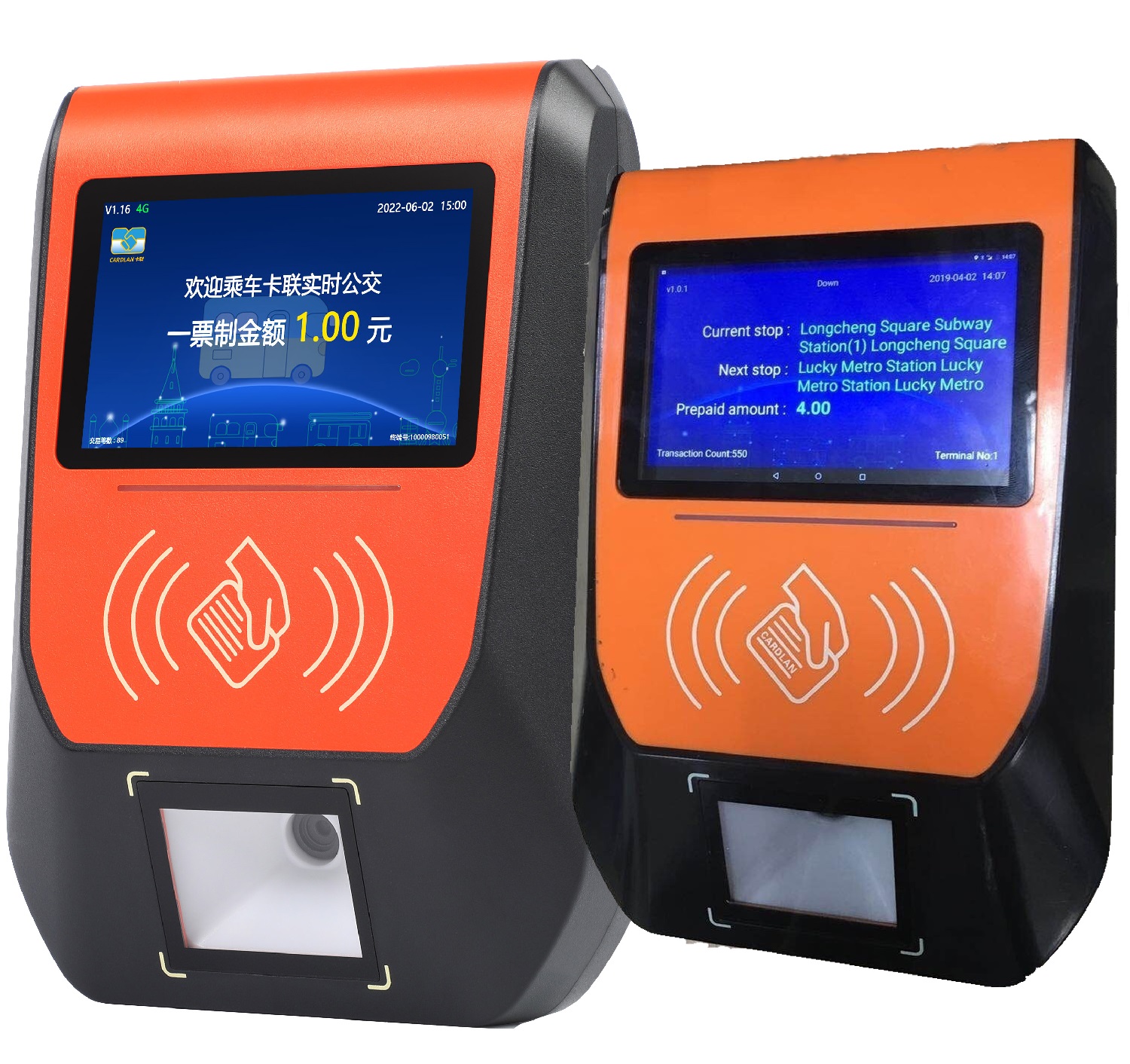
In which fields can prepaid cards be used for bus card readers? In which fields can prepaid cards be used for bus card readers?
Mar .30.2026
The usage scope of prepayment cards varies by type—single-purpose, multi-purpose, and industry-specific—and extends to travel, salary disbursement, gifts, online payments, financial inclusion, and transportation with retail and tourism integration.
Cardlan Validator support SDK and API for development Cardlan Validator support SDK and API for development
Mar .27.2026
Cardlan's bus card readers explicitly support secondary development and integration, and provide SDKs and API interfaces‌ for system integration and feature customization.