Public transportation segmented charging scheme
Here are some typical segmented charging schemes for public transportation and their characteristics:
1、 Charge by distance in segments
Xiamen model:
Within the group route: The ticket price is 1 yuan.
Cross group route:
Within 20 kilometers (including 20 kilometers) of the route: ticket price is 1 yuan.
For routes with a mileage of over 20 kilometers, segmented pricing will be implemented, with a ticket price of 1 yuan per segment and a maximum ticket price of 2 yuan.
Preferential Policy: For those who use regular EasyCard to settle, they can enjoy a 20% discount on the mileage and fare of regular public transportation; Specific groups of people (such as students, the elderly, military personnel, etc.) enjoy free or half price discounts.
Shenzhen mode:
Small and medium-sized bus routes:
The total distance does not exceed 10 kilometers: a one ticket system is implemented, with a ticket price of 1 yuan per person.
If the total distance exceeds 10 kilometers but does not exceed 20 kilometers: a segmented ticket system will be implemented, with a fare of 1 yuan per person for distances not exceeding 10 kilometers and 2 yuan per person for distances exceeding 10 kilometers.
Bus route: For routes with a total distance exceeding 20 kilometers, the ticket price will be implemented according to the current public bus fare policy.
2、 Charging in segments based on the number of stations
Although segmented charging based on the number of stations is not as common as segmented charging based on distance in public transportation, some cities or specific routes may adopt this method. The specific plan will be formulated according to the local actual situation, such as adding a certain amount of fees after taking a certain number of stations.
3、 The advantages of segmented charging
Fairness: Charges are based on the actual distance or number of stops traveled by passengers, which more fairly reflects their travel costs.
Resource optimization: By leveraging prices, encourage short distance passengers to choose low-carbon modes of transportation such as walking or cycling, thereby optimizing the use of public transportation resources.
Income increase: For long-distance passengers, segmented fares may lead to higher ticket prices, thereby increasing the revenue of public transportation operators.
4、 Implementation precautions
Ticket pricing: When formulating segmented pricing plans, it is necessary to fully consider factors such as local economic development level, residents' income level, and public transportation operating costs.
Information Disclosure: Ensure the transparency and openness of the segmented charging scheme, allowing passengers to fully understand the fare calculation method and preferential policies.
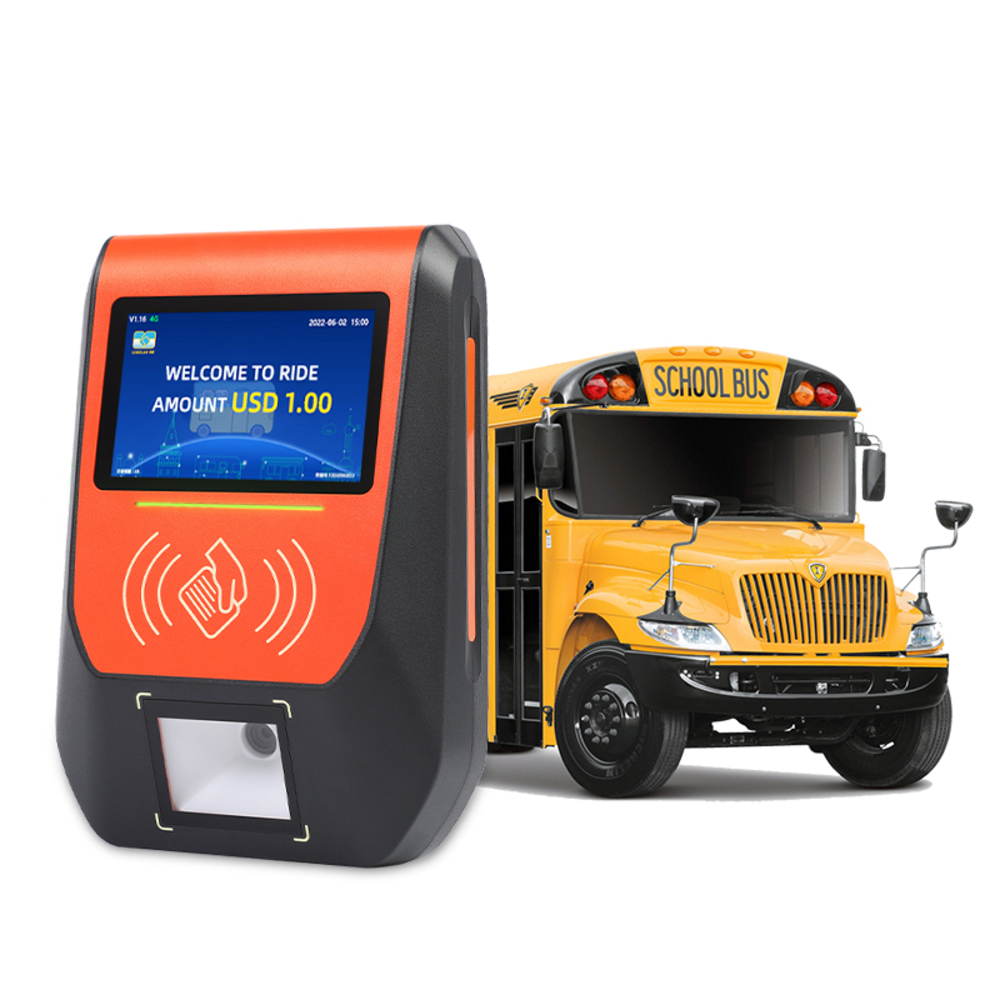
Equipment upgrade: For routes that require billing based on distance or number of stations, it may be necessary to upgrade and modify the bus and ticketing systems.
Passenger education: Strengthen passenger education, guide them to use the ticketing system correctly and understand the advantages and rules of segmented charging.
In summary, the segmented pricing scheme for public transportation is an effective way to set ticket prices, which can more fairly reflect passengers' travel costs and promote the effective utilization of public transportation resources. However, attention should be paid to relevant matters during the implementation process to ensure the smooth implementation of the plan and passenger satisfaction.

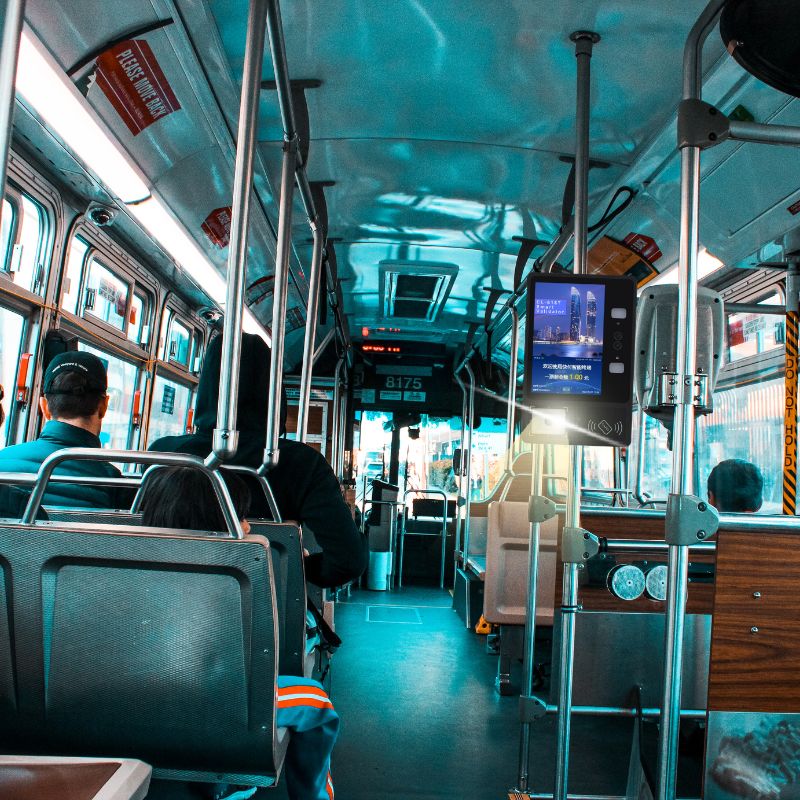 Why do some buses have only one card reader while others have two?
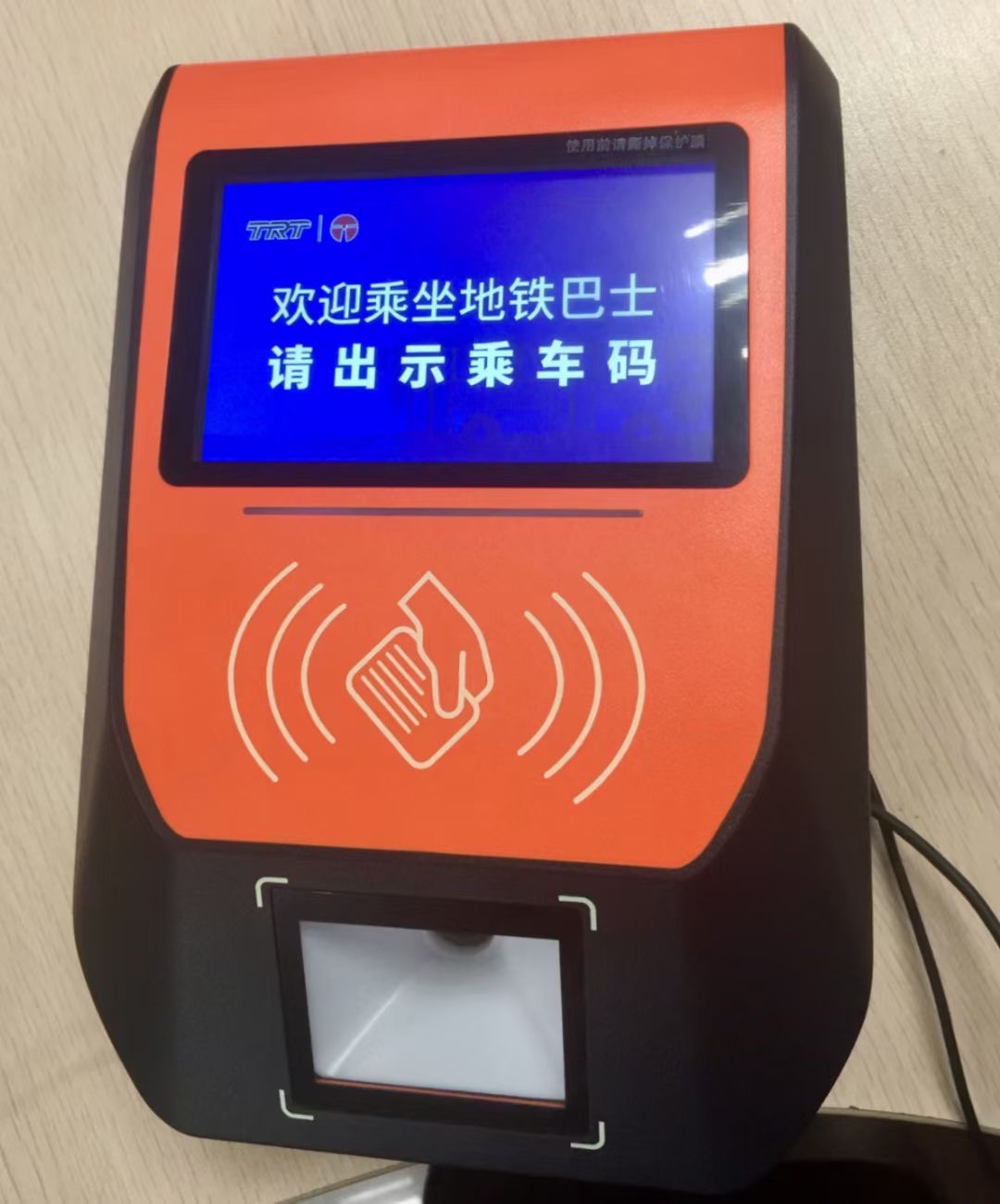 Can Bus Zonal Fare Collection Be Applied to Metro Systems?
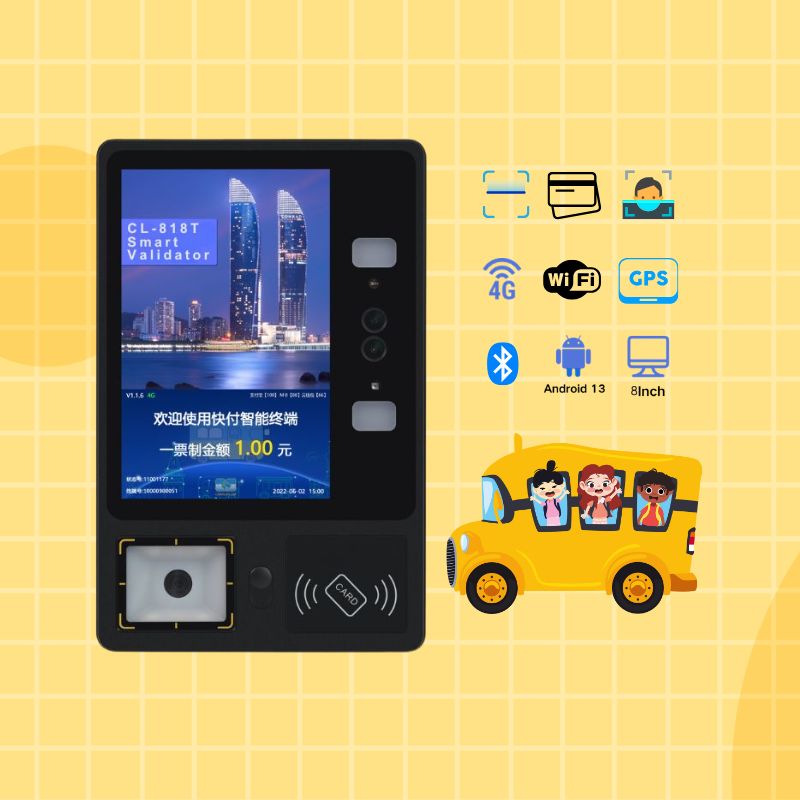 In which fields can prepaid cards be used for bus card readers?
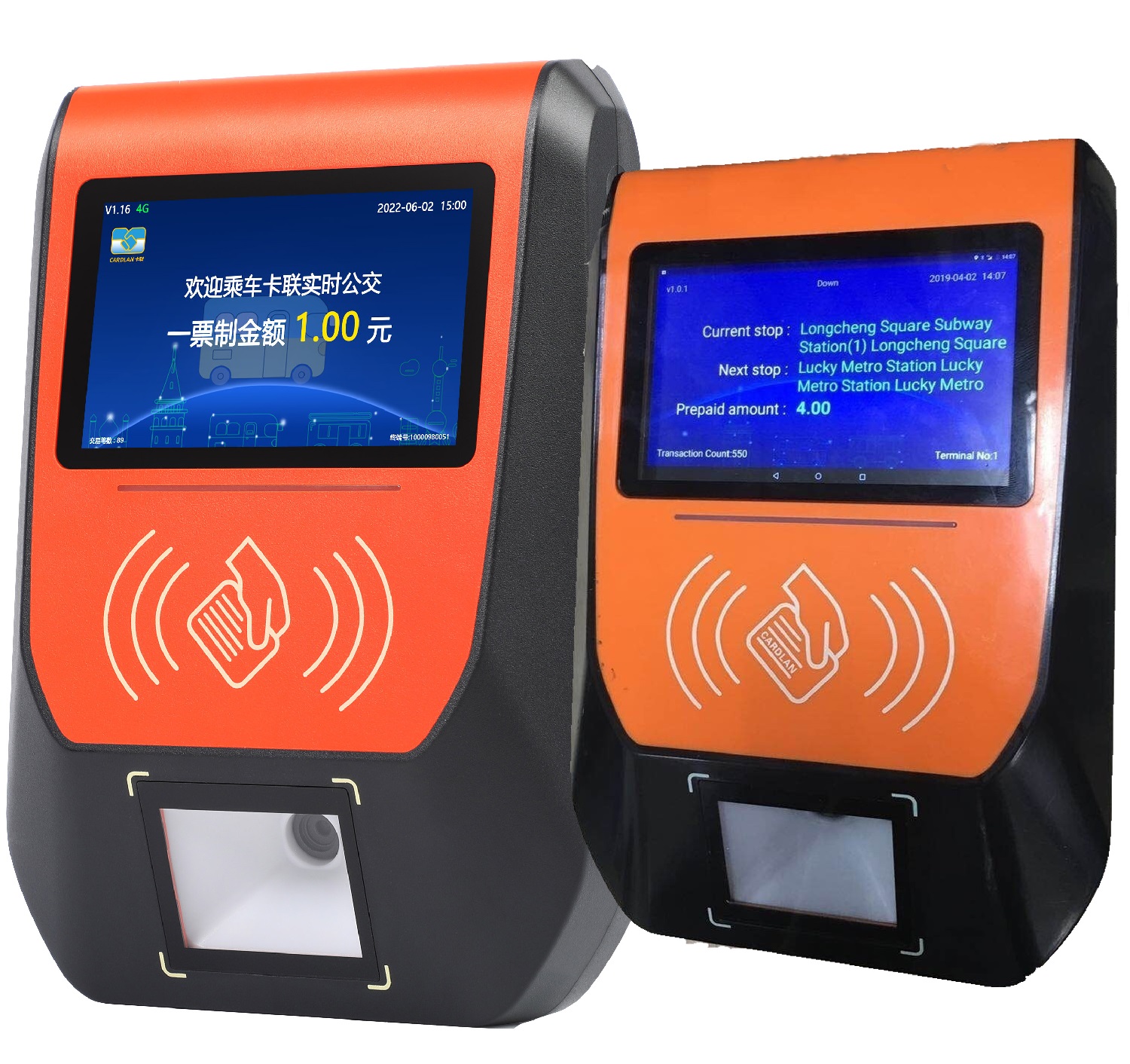 Cardlan Validator support SDK and API for development