
Forgetting to bring your card or with no change is an anecdote while going out by bus, If you take bus by mobile phones, you can save a lot of things. With the rapid development of "Internet +" and public transport information and the popularity of smart phones, more and more payment methods can be transferred to the mobile phone.
The mobile phone QR code scanning code payment function can be used in the public transportation field, which not only facilitates the citizens' travel, eases urban traffic congestion, is more low-carbon and environmentally friendly, but also contributes to the promotion of urban economic and social development.
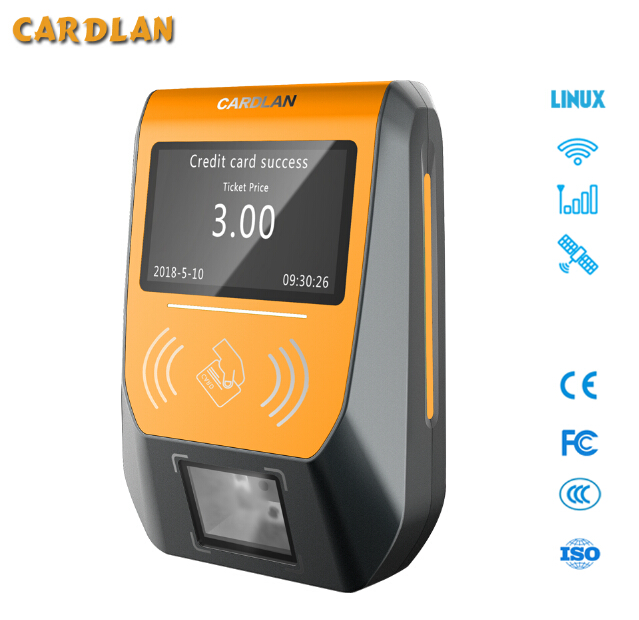
Urban public transport is the main artery of a city. With the development of urban economy, urban public transport is constantly being upgraded, and it is becoming more and more high-end and convenient. Bus credit card reader from Shenzhen Cardlan Technology further improved the rich and upgraded scan code payment function, and striven to take the safer, more convenient and more comfortable payment service into the daily travel of the citizens, continuously improve the travel experience of the citizens, and provide service for the development of intelligent transportation.
It is an irresistible trend to promote the “QR code” payment of public transportation and create a “low-carbon” city. It avoids the shortcomings such as inconvenient recharge, easy loss, and inability to view the credit card records during the use of the physical bus card.
The arrival of QR code has brought new opportunities and challenges to the city card industry. Emerging products will inevitably bring about the development of related enterprises, but at the same time, it will also bring impact to the original products. Cardlan Technology has been committed to the card development of the city card development business and has provided terminal equipment and hardware and software solution for the city card operators for many years. Innovation is the key to enterprise development. Based on the needs of the times, Cardlan Technology has continuously carried out innovative design and independently developed the bus-type QR code terminal, which supports the citizen card, city card, bus card, financial IC card, and now the mobile phone QR code scanning code payment function has been added, which provides more choices for citizens to travel by bus, and promotes the development of “full payment” in the transportation field. At the same time, the innovation of technology has greatly improved the scanning speed.
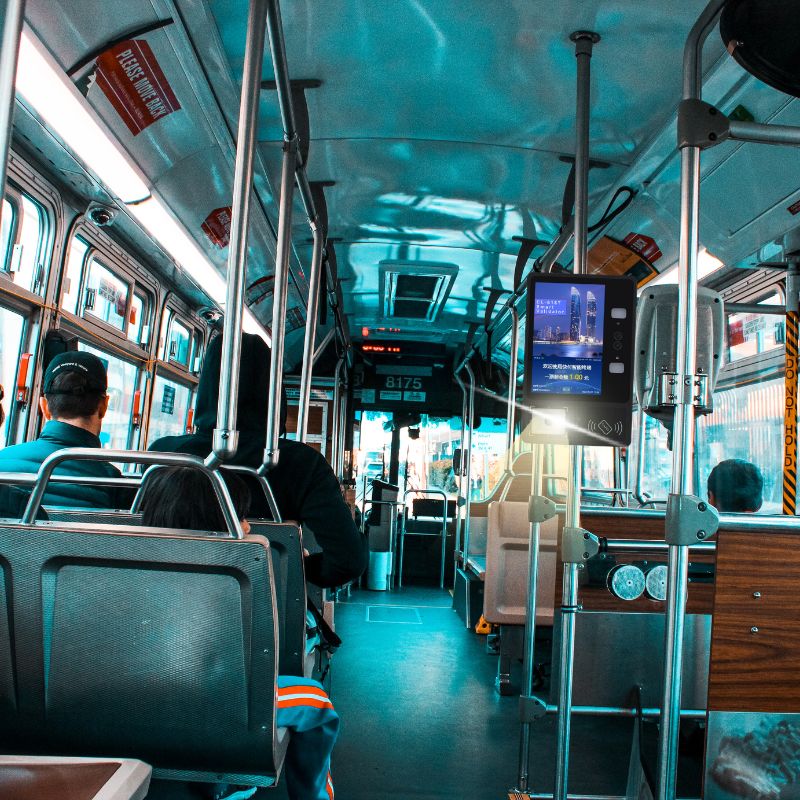 Why do some buses have only one card reader while others have two?
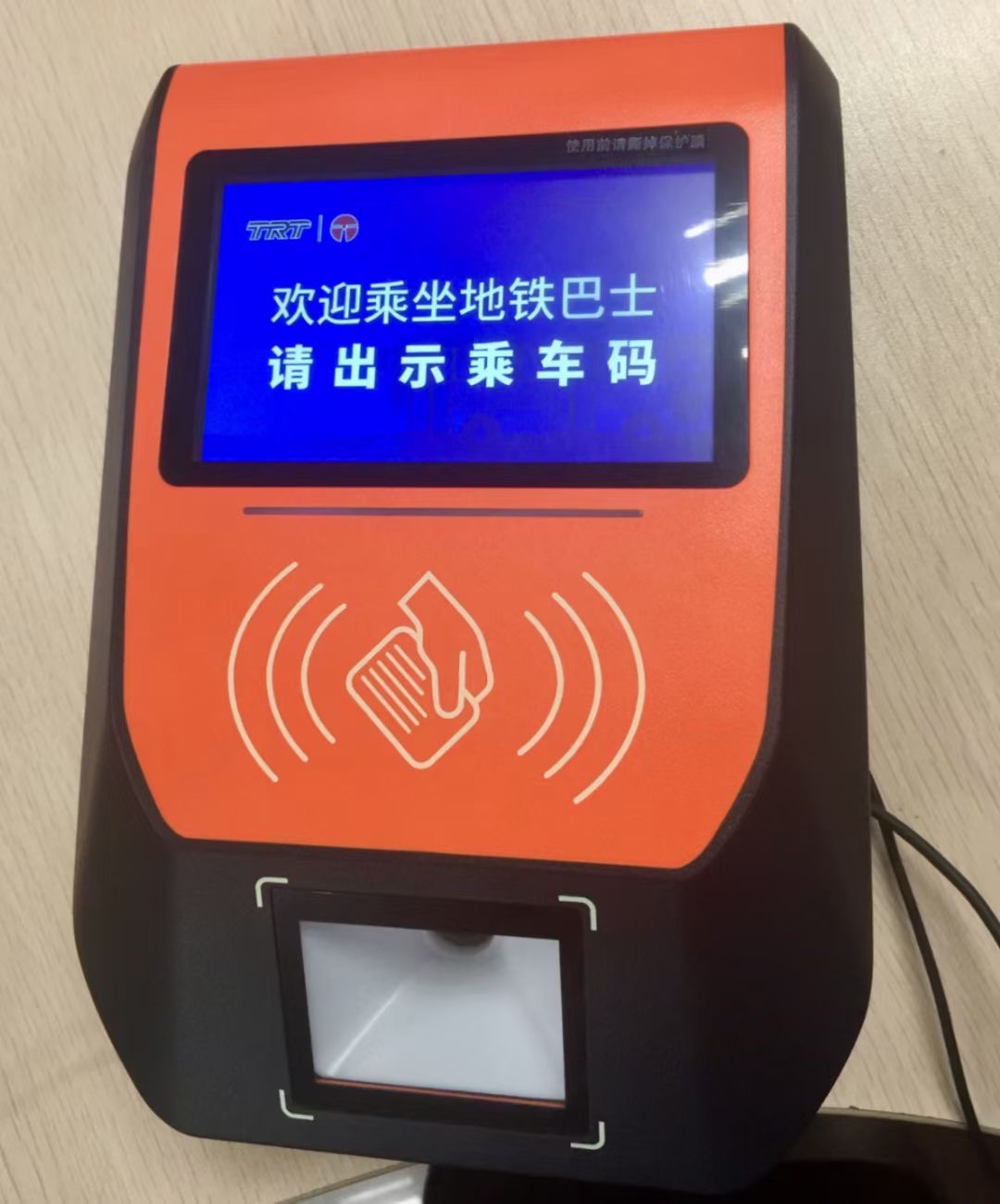 Can Bus Zonal Fare Collection Be Applied to Metro Systems?
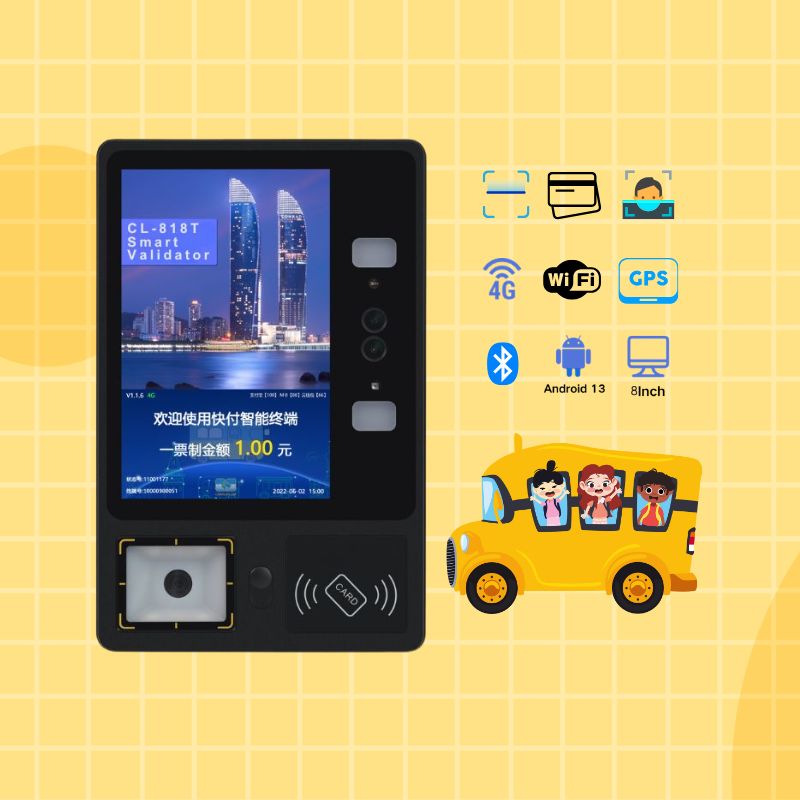 In which fields can prepaid cards be used for bus card readers?
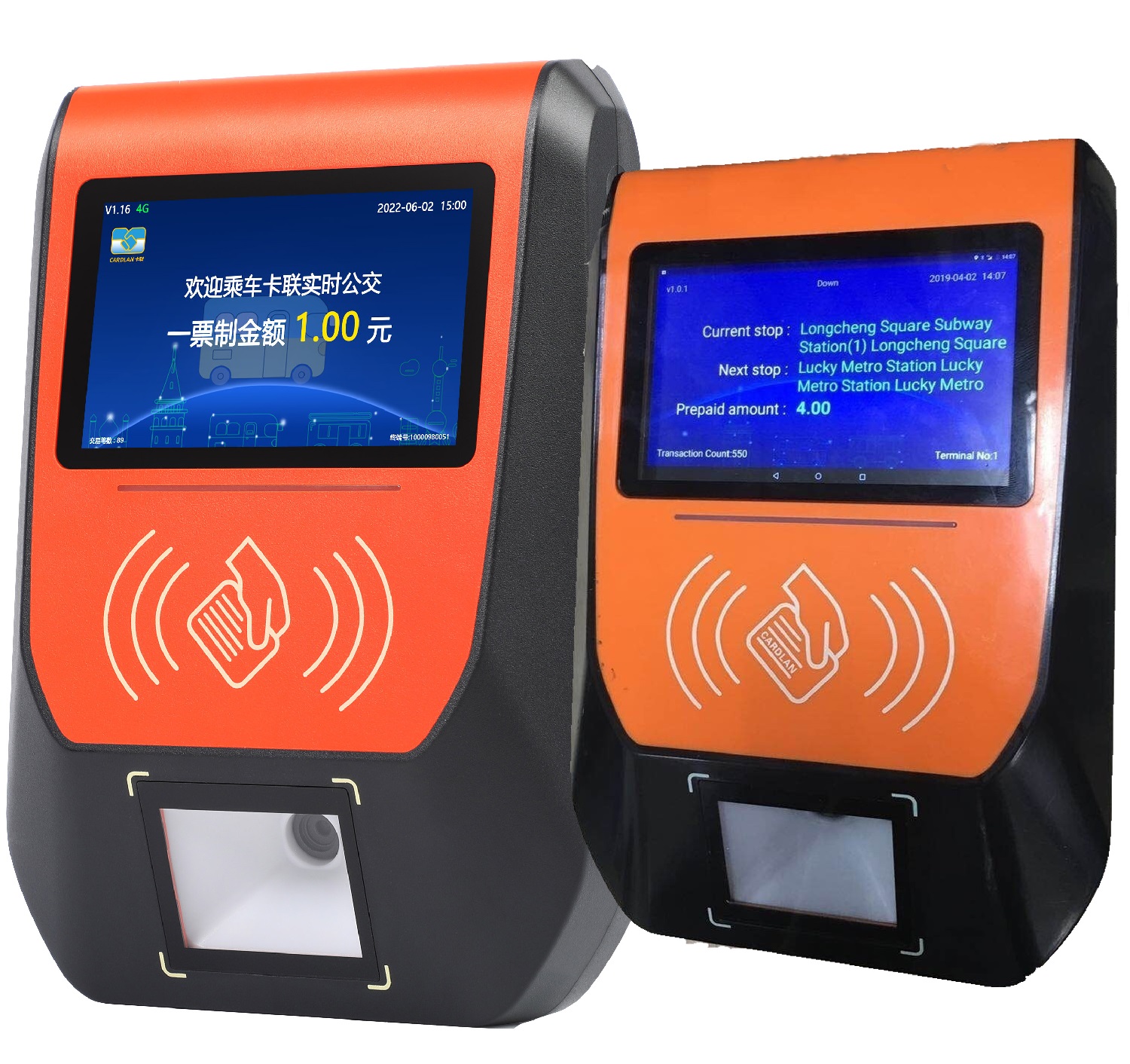 Cardlan Validator support SDK and API for development