
RFID Technology: Revolutionizing Multiple Industries
Radio Frequency Identification (RFID) technology has emerged as a groundbreaking innovation in recent years, revolutionizing various fields across diverse industries. Its ability to wirelessly identify and track objects using radio waves has made it an indispensable tool in various applications, ranging from retail to healthcare, logistics, and more.
1. Retail Industry
RFID technology has had a profound impact on the retail industry. It has enabled retailers to improve inventory management, reduce stock-out situations, and enhance the shopping experience for customers. RFID tags attached to products allow for real-time tracking of inventory, enabling retailers to know exactly where their products are located and how many of them are available. This technology has also led to the development of smart shelves that can automatically detect when a product is taken off the shelf, thus updating inventory systems in real-time.
2. Healthcare
In the healthcare industry, RFID technology is being used to improve patient care and hospital operations. RFID tags can be attached to medical equipment, drugs, and even patients themselves, enabling hospitals to track their location and usage in real-time. This has led to a reduction in the loss of medical equipment, better inventory management, and improved patient safety. RFID-enabled smart cabinets can automatically track and dispense drugs, ensuring that the right medication is given to the right patient at the right time.
3. Logistics and Supply Chain Management
RFID technology has also revolutionized the logistics and supply chain industry. By tagging items with RFID tags, companies can track their products throughout the entire supply chain, from manufacturing to delivery. This provides real-time visibility into inventory levels, shipment status, and delivery routes, enabling companies to make informed decisions and improve operational efficiency. RFID-enabled smart containers can also provide real-time tracking of goods in transit, reducing the risk of loss or theft.
4. Transportation and Toll Collection
In the transportation industry, RFID technology is being used for toll collection and traffic management. RFID-enabled toll tags can be mounted on vehicles, allowing for automatic toll collection as vehicles pass through toll plazas. This has significantly reduced the time taken for toll collection, improved traffic flow, and reduced the need for cash handling. RFID technology is also being used in parking systems, enabling automatic payment and faster entry/exit from parking lots.
5. Animal Tracking and Wildlife Management
In the field of animal tracking and wildlife management, RFID technology has enabled researchers and conservationists to monitor the movement and behavior of animals in their natural habitats. RFID tags can be attached to animals, allowing for real-time tracking of their location, migration patterns, and interactions with other animals. This data can provide valuable insights into animal behavior and ecology, enabling better conservation and management strategies.
In conclusion, RFID technology has revolutionized various industries by providing real-time tracking and identification capabilities that were previously unimaginable. Its applications range from improving retail inventory management to enhancing patient care in healthcare facilities, and from revolutionizing logistics operations to revolutionizing toll collection and animal tracking. As RFID technology continues to evolve and improve, its impact on various industries will only become more profound.
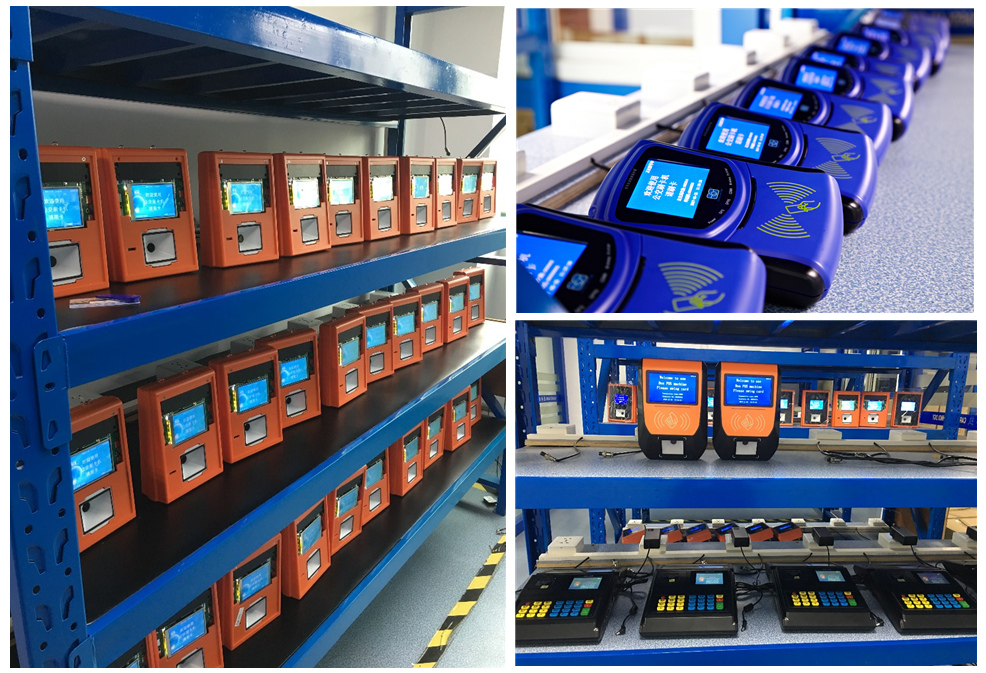
 Why do some buses have only one card reader while others have two?
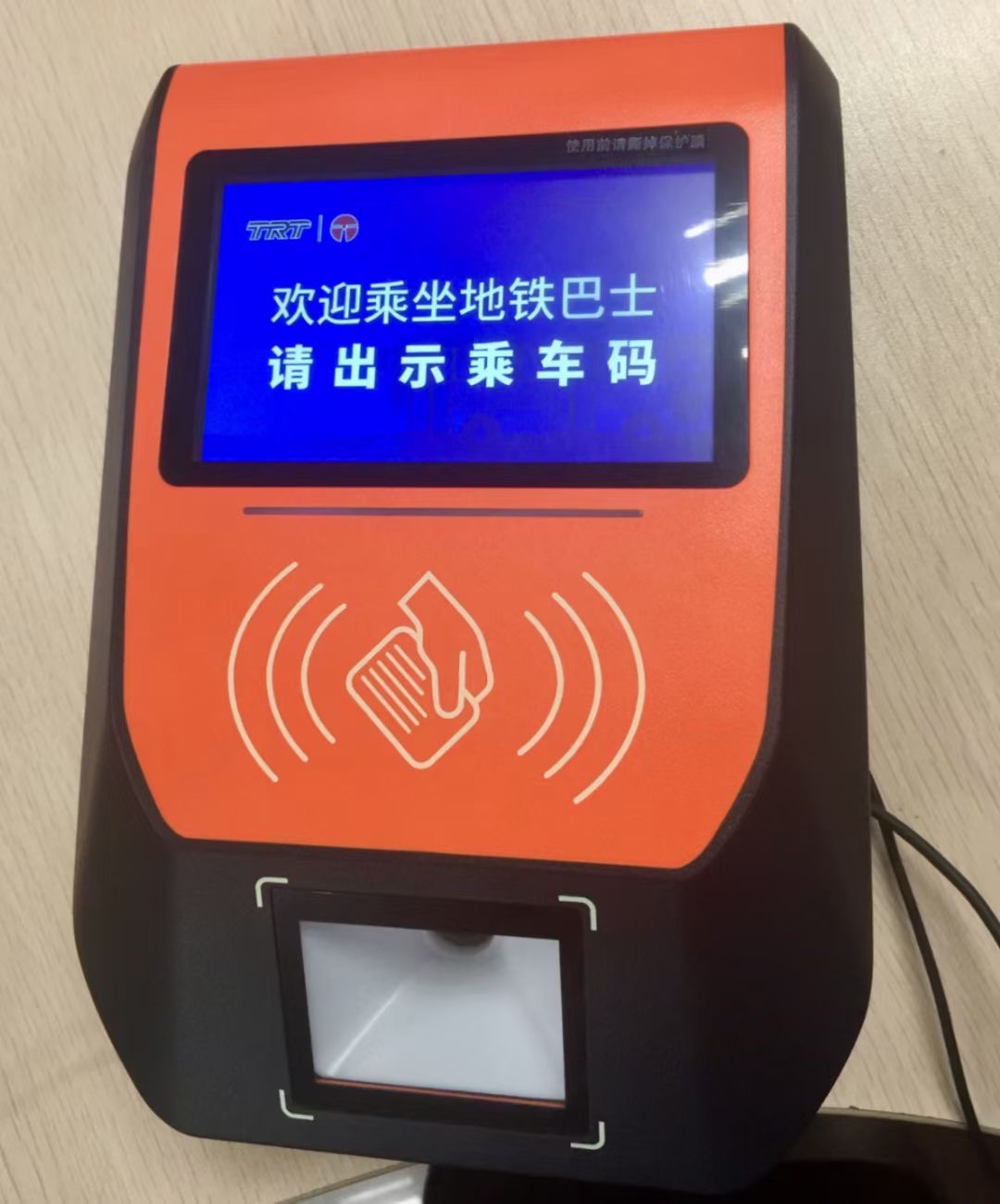 Can Bus Zonal Fare Collection Be Applied to Metro Systems?
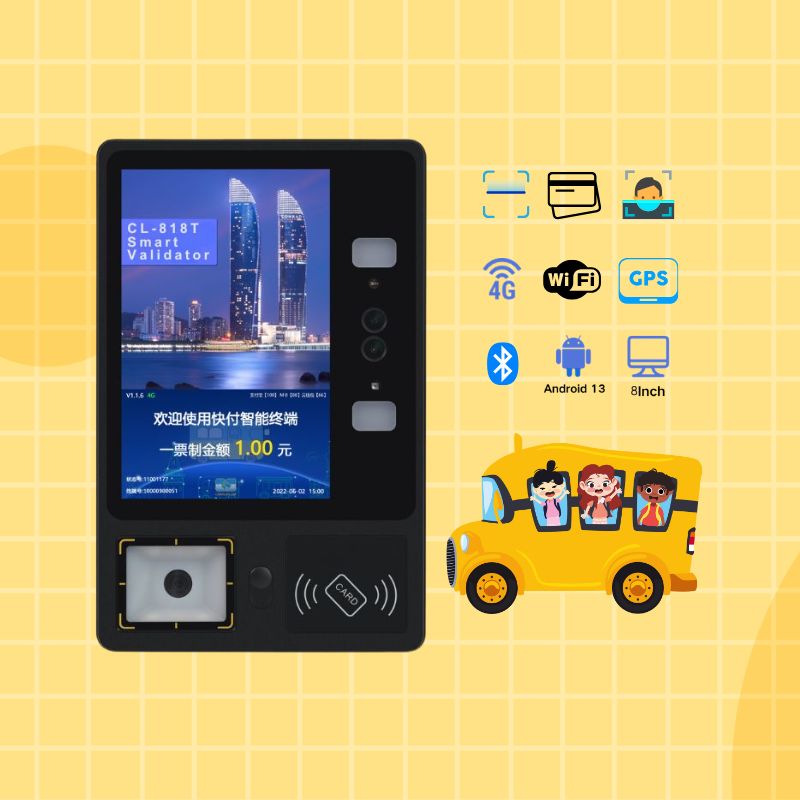 In which fields can prepaid cards be used for bus card readers?
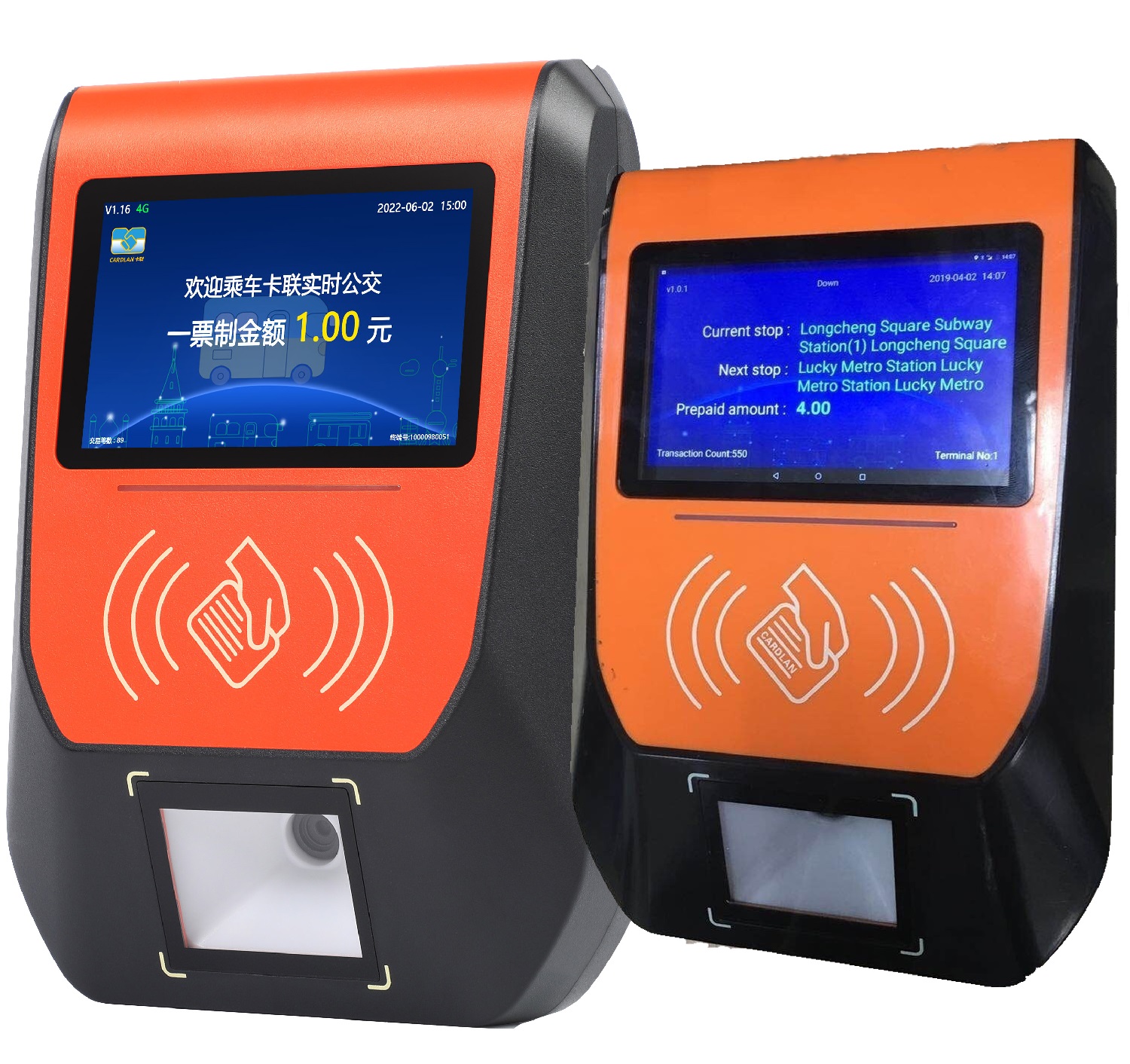 Cardlan Validator support SDK and API for development