
“Smart Travel” has changed from a concept to a practical lifestyle, providing more intelligent services to citizens and foreign visitors. The electronic bus code scanning toll machine produced by Shenzhen CardLan Tech has improved the intelligent level of urban transportation, and also integrated the smart travel service into the daily life of the public. The citizens and foreign tourists can enjoy Convenient ride experience of the mobile payment.

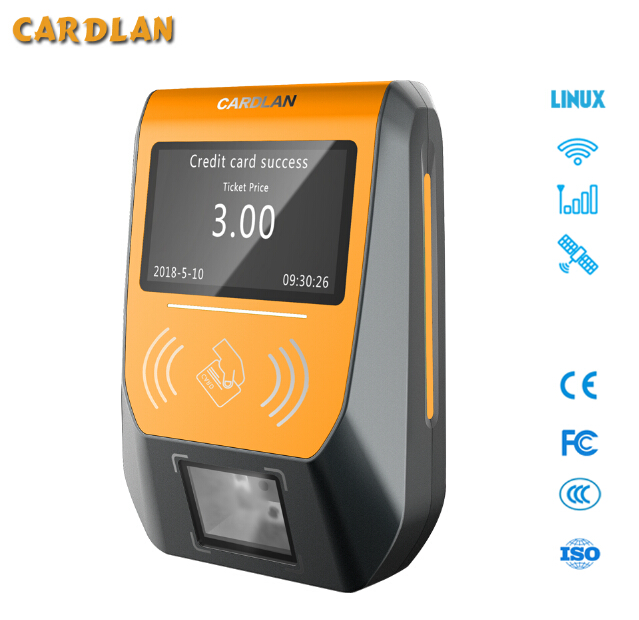
In the construction of smart cities, the role of “smart travel” in the field of transportation cannot be underestimated. At present, with the acceleration of urbanization, more and more young people are pouring into the city, which has brought tremendous pressure on urban transportation. On traditional urban roads, public travel flows according to their own wishes. Without knowing other roads, it is easy to cause traffic congestion.
At present, artificial intelligence technology has been able to monitor and analyze roads in real time, providing guidance for evacuating traffic, relieving traffic pressure, and improving people's operational efficiency. Nowadays, intelligent traffic lights are also being developed and applied. The traditional traffic lights have a fixed conversion time, and the conversion time cannot be adjusted according to the real-time traffic of people, and the efficiency is low. Intelligent traffic lights can now adjust time based on people's real-time traffic, speed up traffic, and make people's lives more convenient.
CardLan Tech shares smart travel electronic bus code scanning ride toll machine, bus payment system integration to achieve QR code scanning payment, a variety of payment methods meet the different needs of the general public, no cash, no matter, credit card and mobile phone can make the payment. The application on the bus also improves the work efficiency and service quality of the bus company. The QR code bus swiping machine has large storage capacity, high confidentiality, high tracking performance, strong damage resistance, large redundancy, low cost, convenient and fast, and improved service level of the bus transportation industry.
With the promotion of electronic bus card code scanning payment, the public can have more choices in public travel, more freedom and fault tolerance. With the popularity of smart phones and the development of the technology industry, a comprehensive electronic era has arrived. CardLan Tech will continue to consider how to help more people enjoy the benefits of technology, just as passengers can enjoy the benefits of scanning technology.
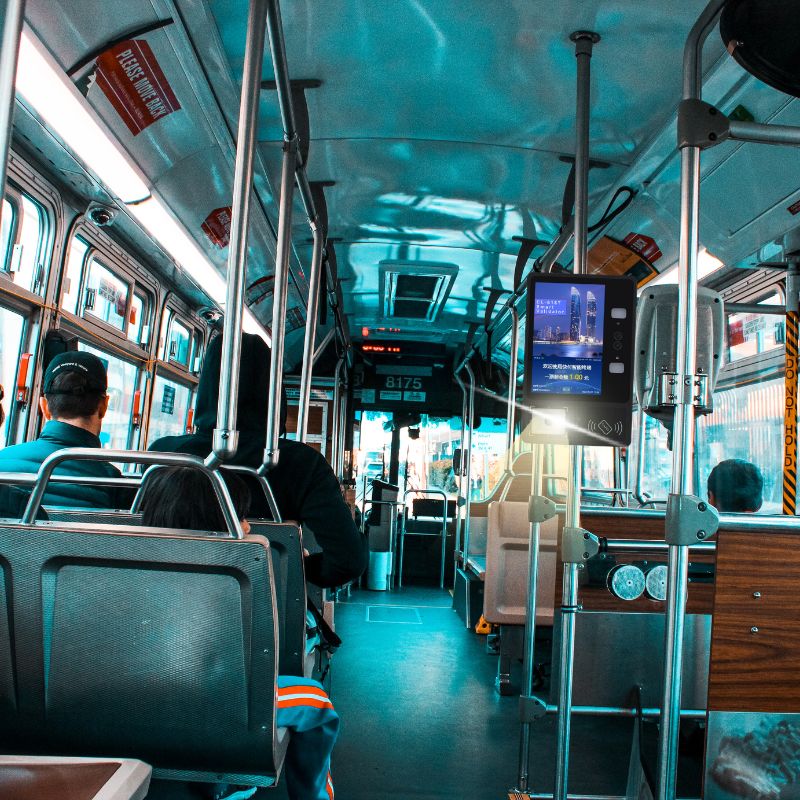 Why do some buses have only one card reader while others have two?
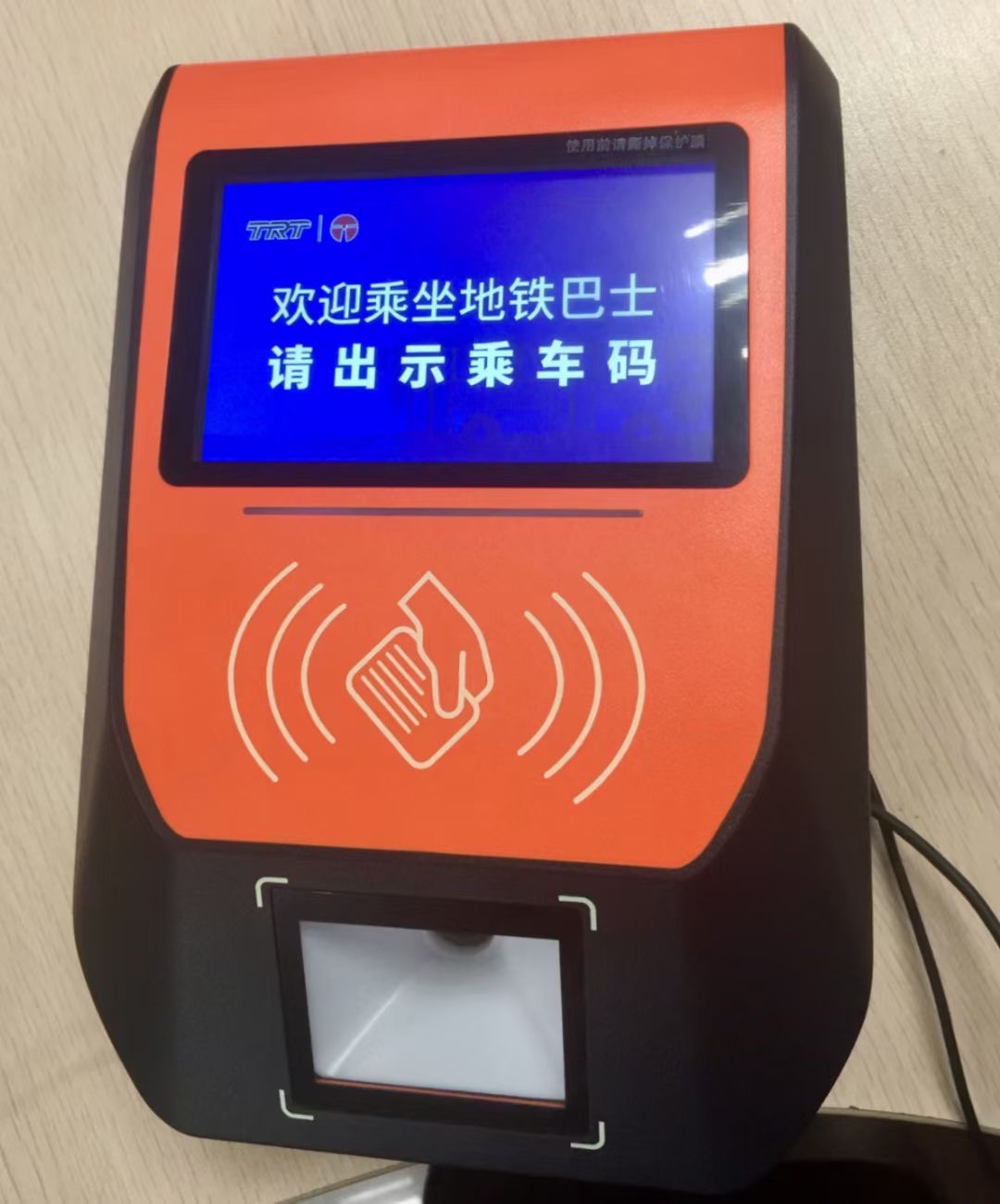 Can Bus Zonal Fare Collection Be Applied to Metro Systems?
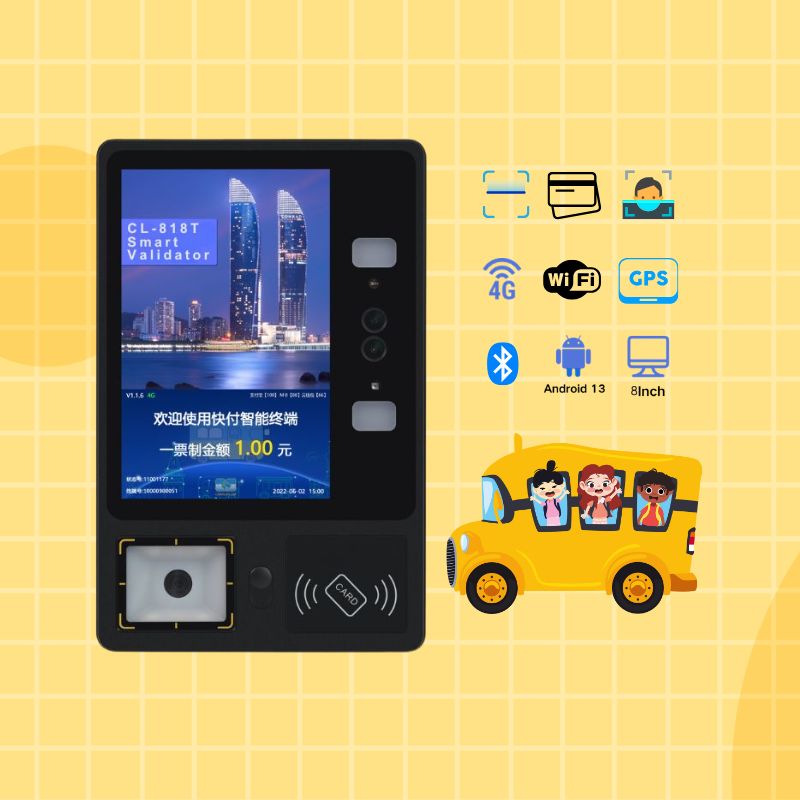 In which fields can prepaid cards be used for bus card readers?
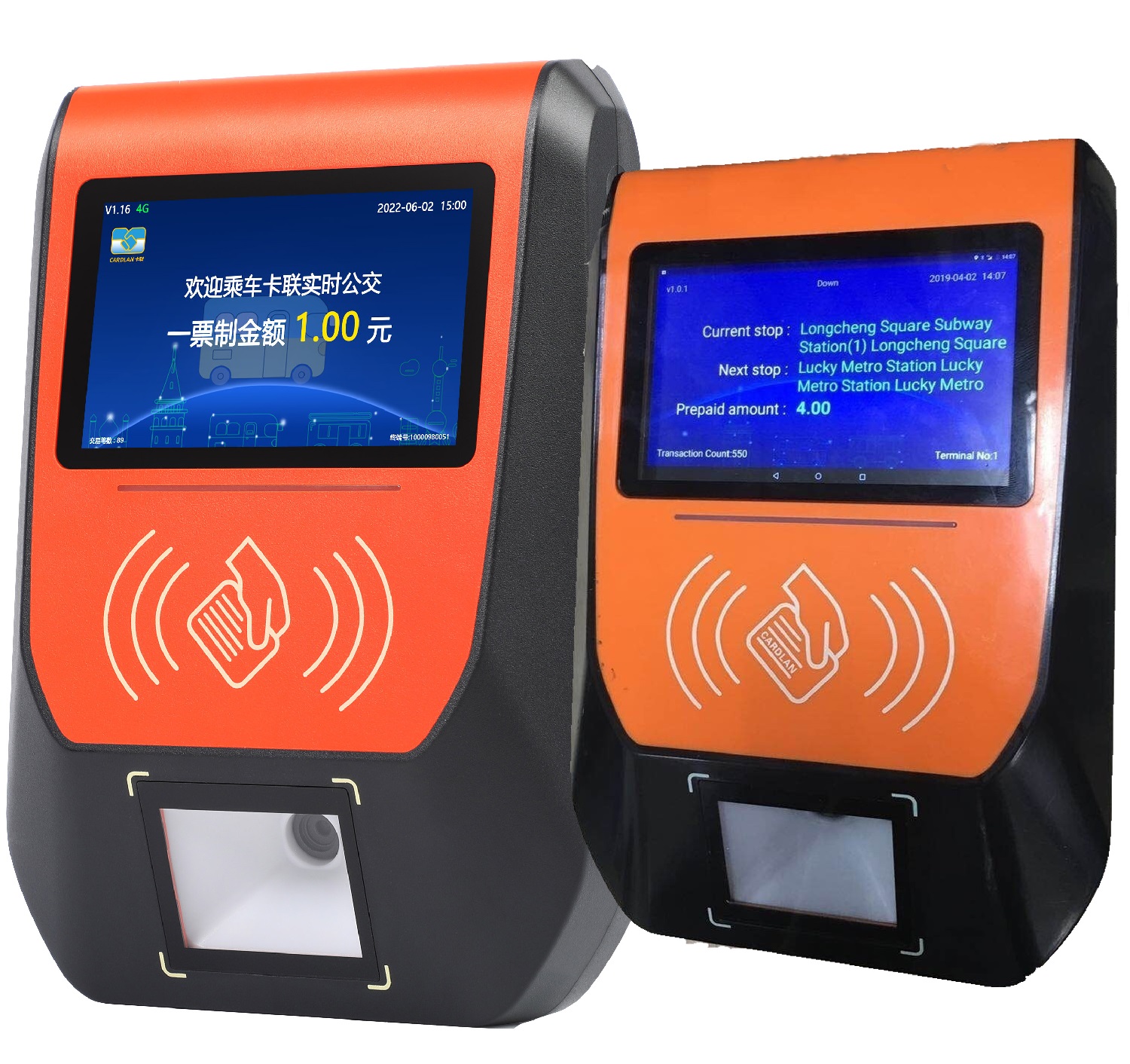 Cardlan Validator support SDK and API for development