
The 5G era is coming soon. This highway will connect all fields, and various fields will undergo earth-shaking changes. In the field of bus intelligent payment terminals for many years, it has witnessed the payment from IC card to scan code payment, and the current scan code. The bus payment toll terminal turned to the face recognition bus toll machine, deeply felt that the speed of technology development is fast, maybe go out for a small vacation, many new products on the market are already strange to you. Let's talk about the brush face payment bus scan payment machine.
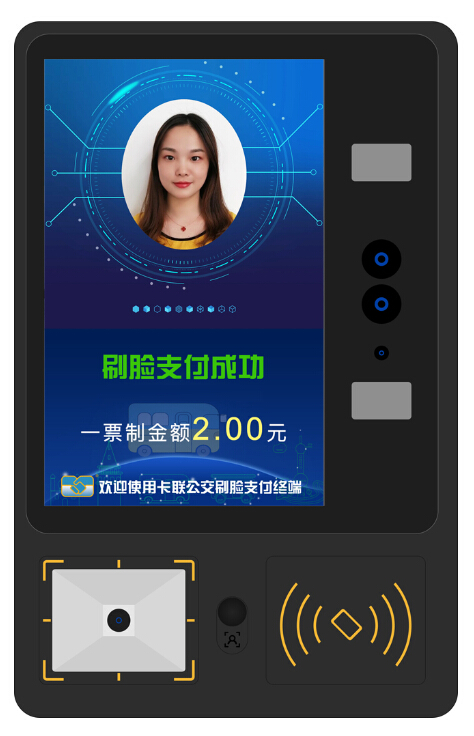

From the outside economy in 2019, it can be said that it is very sluggish, turbulent, and the Sino-US trade war is constantly escalating. For enterprises engaged in research, development, production and sales of public transportation intelligent terminals, there is basically no impact. China's domestic demand is still very huge. In addition, China's status in the international arena is rising, and naturally there will be no major fluctuations in the economy due to some external changes. Instead, it will motivate the Chinese to move towards a bright and independent road of independent innovation.
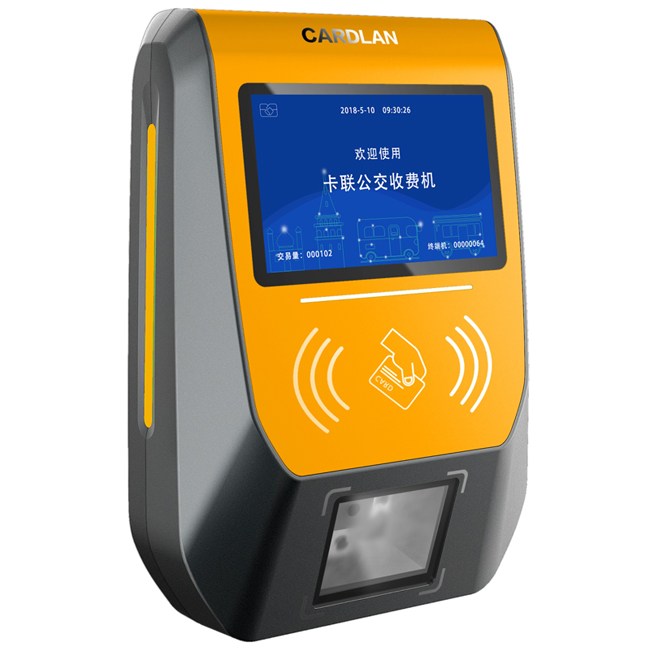
Bus intelligent terminal manufacturers like Shenzhen Cardlan, starting from 2015, the company has developed a scanning code bus toll machine. By 2017, the products have been very mature and fully put into the market. By the end of 2019, the face recognition bus card machine is basically out. This speed is very amazing, let's take a look at these companies.
Shenzhen Cardlan is a high-tech enterprise. It is a large-scale intelligent hardware terminal enterprise with a history of nearly 20 years and based on the development and production of smart payment terminals. It was listed on the New Third Board in 2017 (stock code: 872168). China's well-known card smart traffic intelligent terminal operators have sold more than 100,000 smart payment terminals at home and abroad, and the market share ranks first in the country. The company has independent intellectual property rights and has passed the national high-tech enterprise certification, dual-soft certification, and the Ministry of Housing and Construction's interconnection and certification.
Cardlan’s mission of “changing public transportation with intelligent terminals”, which has been practiced for more than ten years, adheres to the road of technological innovation, and provides travellers with safe, green, efficient, convenient and diverse public transport services. Promote the rapid innovation and development of the smart travel industry.
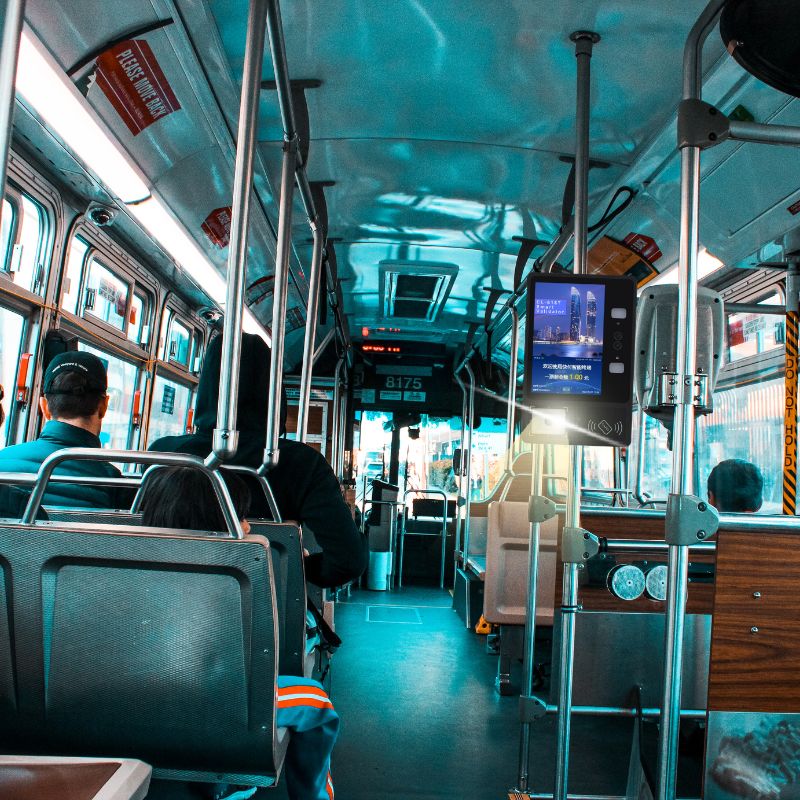 Why do some buses have only one card reader while others have two?
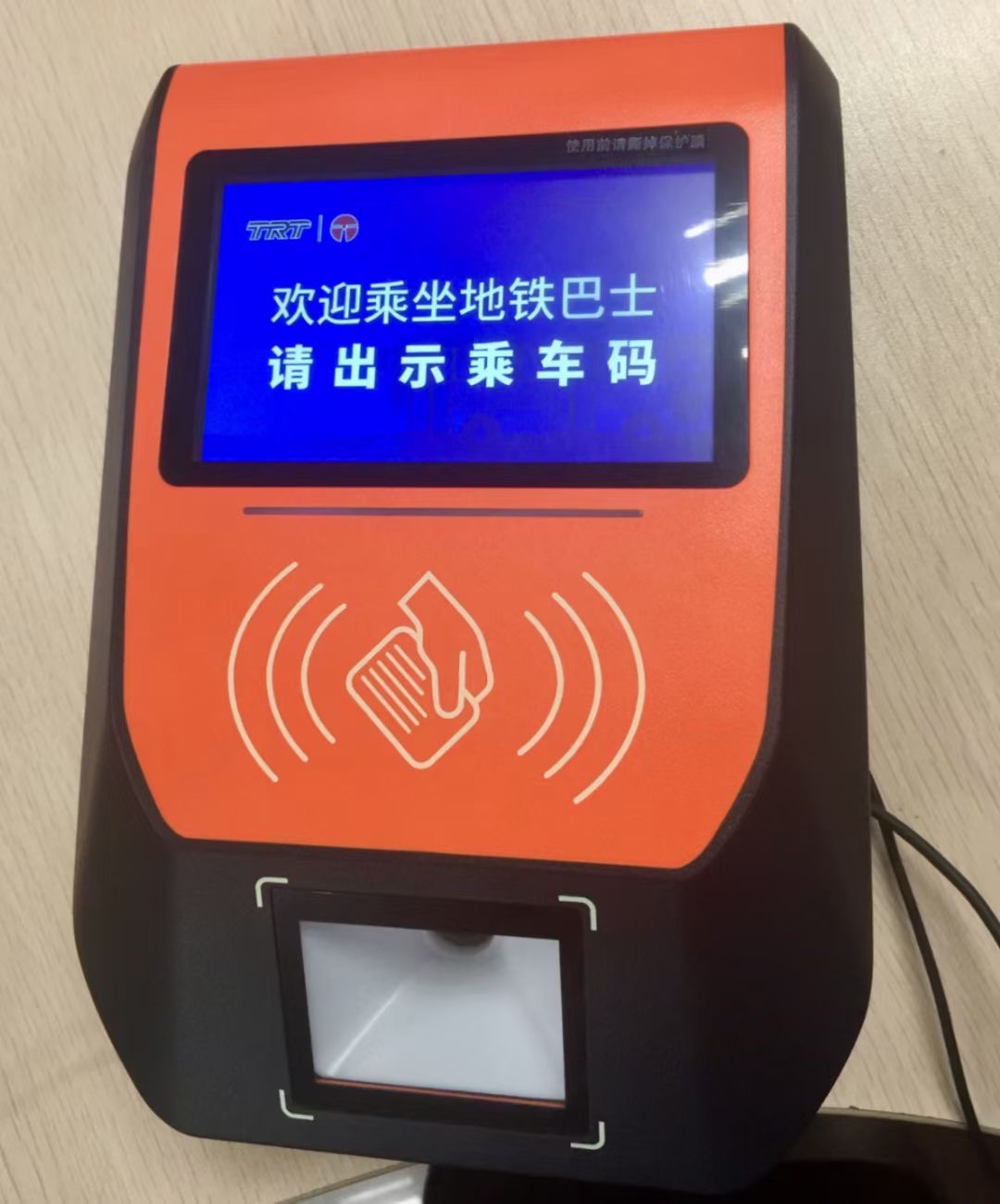 Can Bus Zonal Fare Collection Be Applied to Metro Systems?
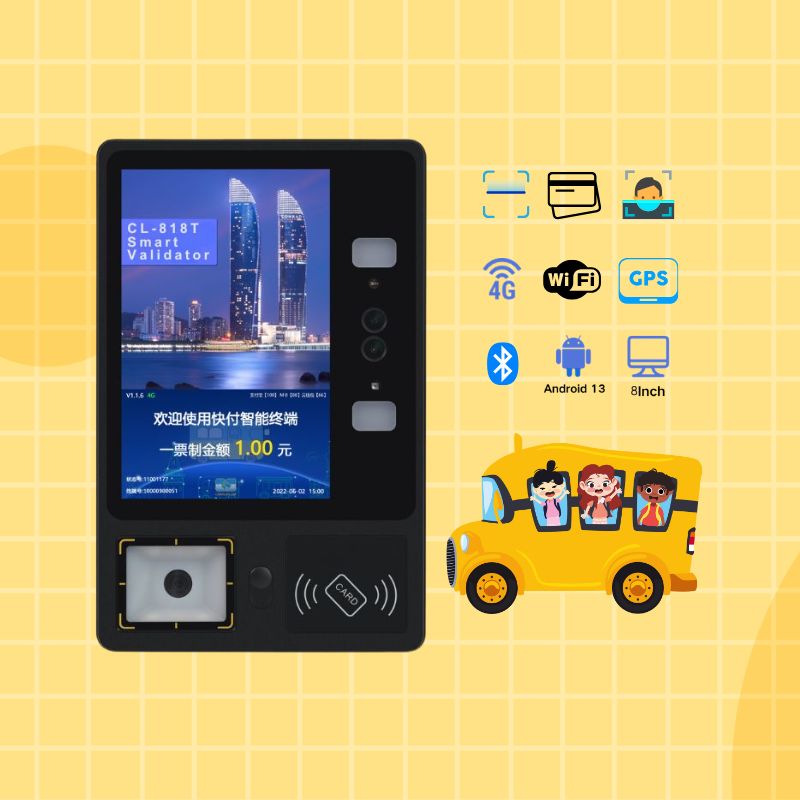 In which fields can prepaid cards be used for bus card readers?
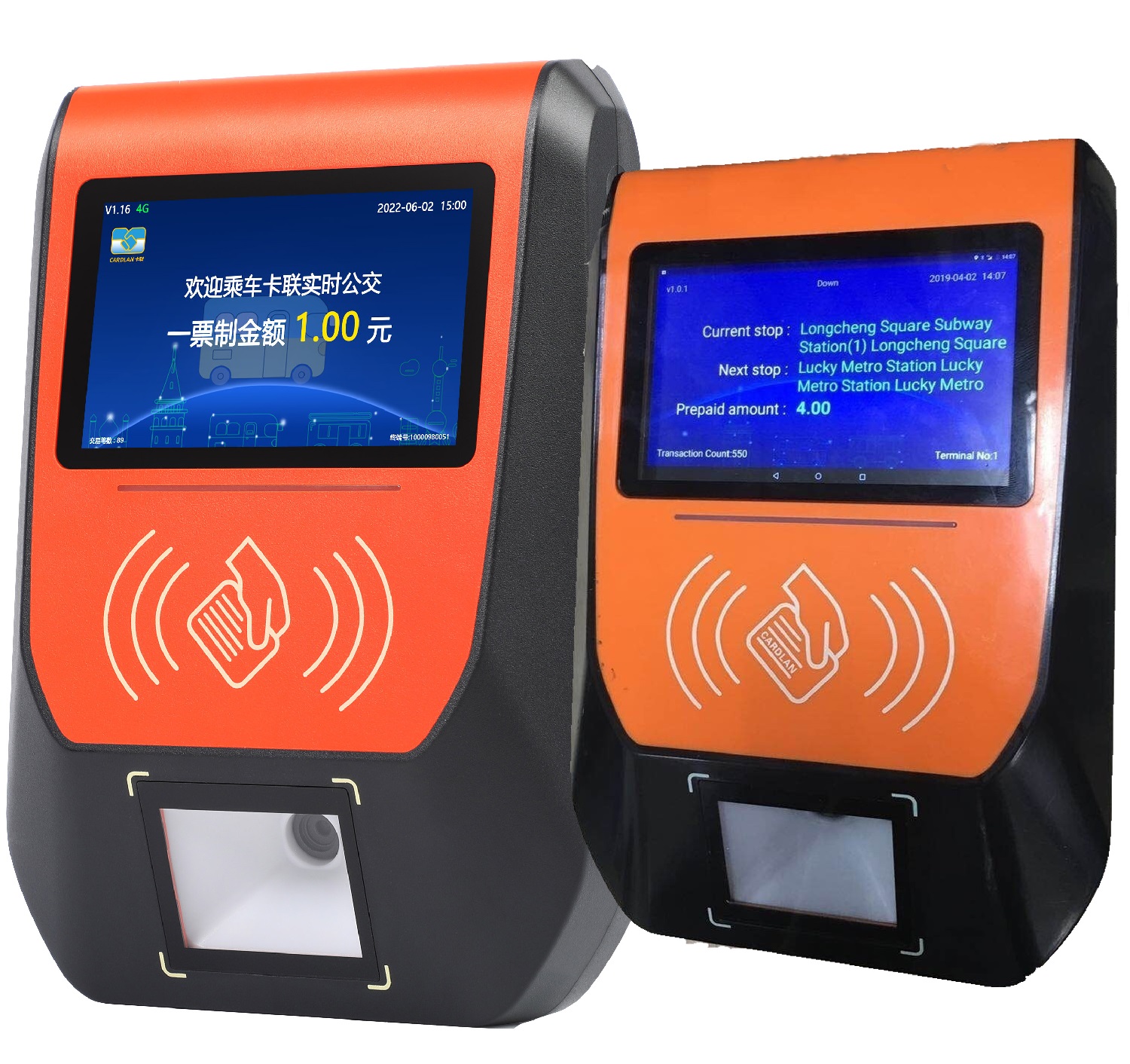 Cardlan Validator support SDK and API for development