This shifts bus scheduling from an experience-based model to a precise, data-driven approach.
1. Core Principle: Spatiotemporal Data Fusion
This integration goes beyond simple device coexistence; it involves deep data interaction:
Real-time Binding: The moment a passenger swipes their card, the onboard intelligent terminal immediately captures the current GPS coordinates and station code. It packages "Who (Card ID), When (Timestamp), and Where (GPS Location/Station)" into a single complete record.
Full-Route Tracking: While the GPS tracker continuously reports the vehicle's trajectory, the card reader logs passenger boarding and alighting nodes. Combining these allows the system to reproduce the vehicle's operational status and passenger load changes on an electronic map in real time.
2. Key Application Scenarios and Value
Precise Passenger Flow Analysis (OD Survey)
Using GPS alone only reveals the vehicle's location, while card readers alone only show boarding counts. When combined, the system can algorithmically infer alighting stations to generate a complete OD Matrix (Origin-Destination Analysis). This enables bus companies to scientifically optimize route alignments and station placements, avoiding resource waste.
Intelligent Scheduling and Dispatching
Dispatch centers can monitor passenger flow volume across specific road sections in real time. If card data indicates a surge in ridership on a certain segment, the system can immediately instruct vehicles to increase frequency or deploy short-turn services, achieving dynamic scheduling and significantly improving punctuality.
Safety and Audit Management
By cross-referencing GPS trajectories with card records, abnormal operational behaviors (such as swiping outside designated stations or deviating from routes) can be effectively identified. Furthermore, when integrated with video surveillance, the system can quickly locate vehicles and retrieve onboard footage during disputes or emergencies, ensuring the safety of drivers and passengers.
Diversified Payment and Convenient Services
Modern fare collection terminals are deeply integrated with GPS and mobile networks, supporting various payment methods like Alipay and WeChat Pay while uploading data in real time. Passengers can use mobile apps to check vehicle locations and crowding levels, enabling "just-in-time" travel.
3. Technical Implementation Methods
Hardware Integration: Typically, an onboard intelligent gateway (often called a "black box") serves as the hub, connecting card readers and GPS locators via RS485 or CAN buses to achieve local data aggregation.
Wireless Transmission: Leveraging 4G/5G networks, high-value fused data is transmitted in real time to cloud management platforms, supporting remote monitoring and big data analysis.
System Compatibility: Mature solutions are now capable of compatibilizing GPS devices and card readers from different brands and models, ensuring seamless integration between new and legacy systems and preventing information silos.

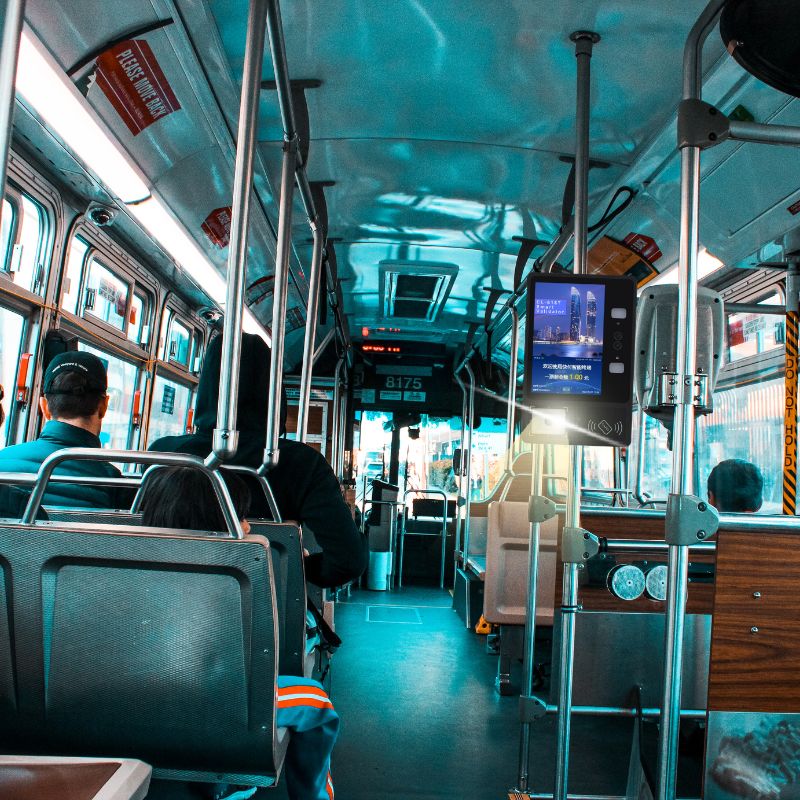 Why do some buses have only one card reader while others have two?
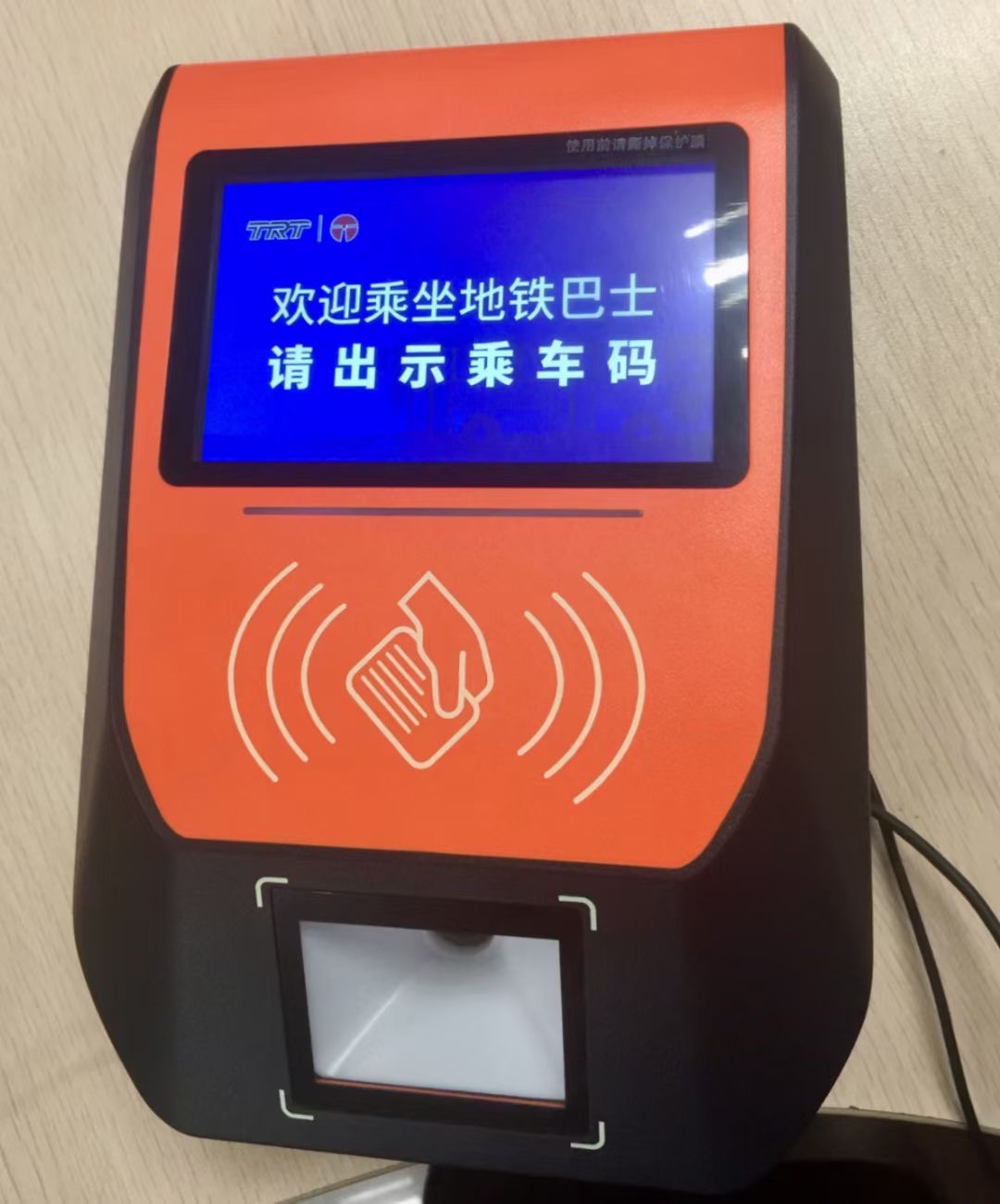 Can Bus Zonal Fare Collection Be Applied to Metro Systems?
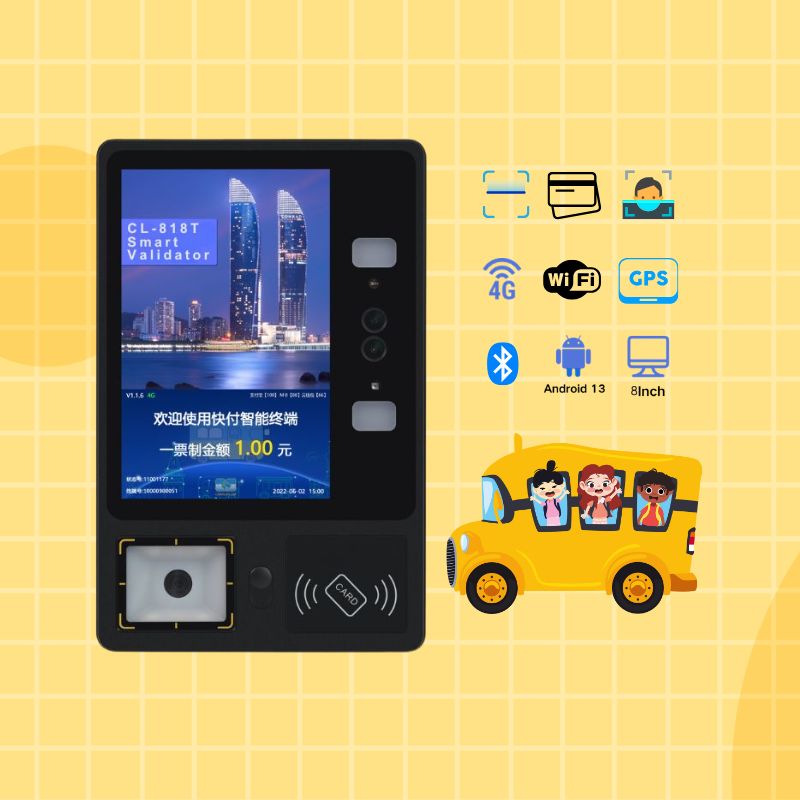 In which fields can prepaid cards be used for bus card readers?
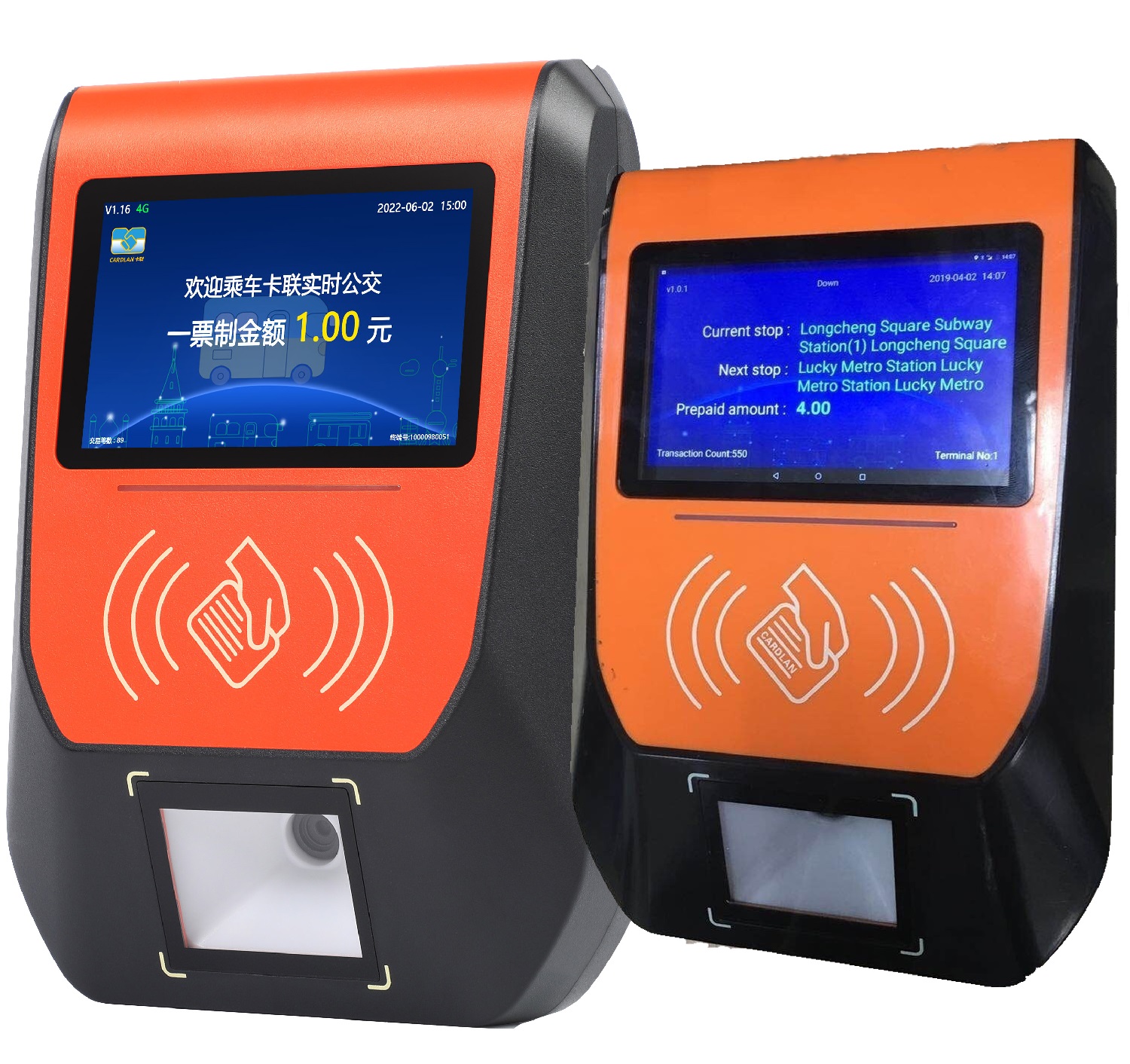 Cardlan Validator support SDK and API for development