
What are the functions of a bus card reader?
The bus card reader plays a significant role in modern public transportation. Typically installed near the entrance or coin box of buses or other public transport vehicles, it facilitates passengers' payment processes. Here are the main functions of the bus card reader:
Payment Function: This is the most basic function of the bus card reader. Passengers can pay for their rides by swiping cards, scanning codes (such as QR codes), or using contactless IC cards. This payment method is not only fast but also reduces the inconvenience and safety hazards associated with cash transactions.
Balance Inquiry: Some advanced bus card readers allow passengers to check their card balances, enabling them to keep track of their expenses and avoid insufficient funds that could affect their travel.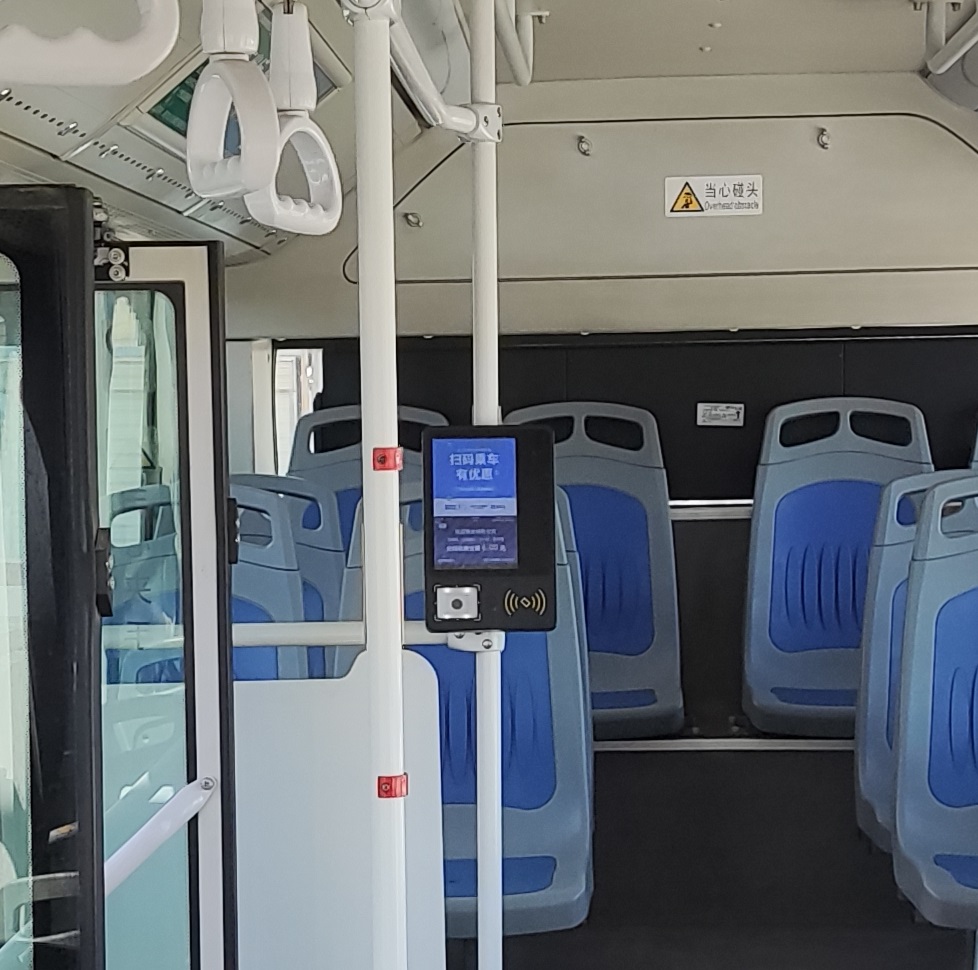
Discount Calculation: The bus card reader can automatically calculate and apply various discounts, such as student discounts, senior citizen discounts, and disabled person discounts. These discounts are usually applied automatically based on the card type or the passenger's age and identity, eliminating the need for manual operations.
Transaction Records: The bus card reader records each transaction, including the time, amount, and card number. This information is crucial for bus companies as it can be used to analyze passenger flow, revenue, and adjust operational strategies.
Data Communication: The bus card reader is usually connected to the bus company's backend system, enabling real-time upload of transaction data, receipt of system instructions, and updates. This data communication function ensures the normal operation of the card reader and the timeliness of information.
Fault Indication: When the bus card reader malfunctions or experiences abnormalities, it will emit a warning sound or display an error message, allowing passengers and staff to detect and address the issue promptly.
Compatibility with Multiple Payment Methods: With technological advancements, modern bus card readers typically support various payment methods, such as bank cards and mobile payments, catering to the needs of different passengers.
In summary, by integrating various functions, the bus card reader provides passengers with a convenient and secure payment experience while also offering effective management and data analysis tools for bus companies.
 Why do some buses have only one card reader while others have two?
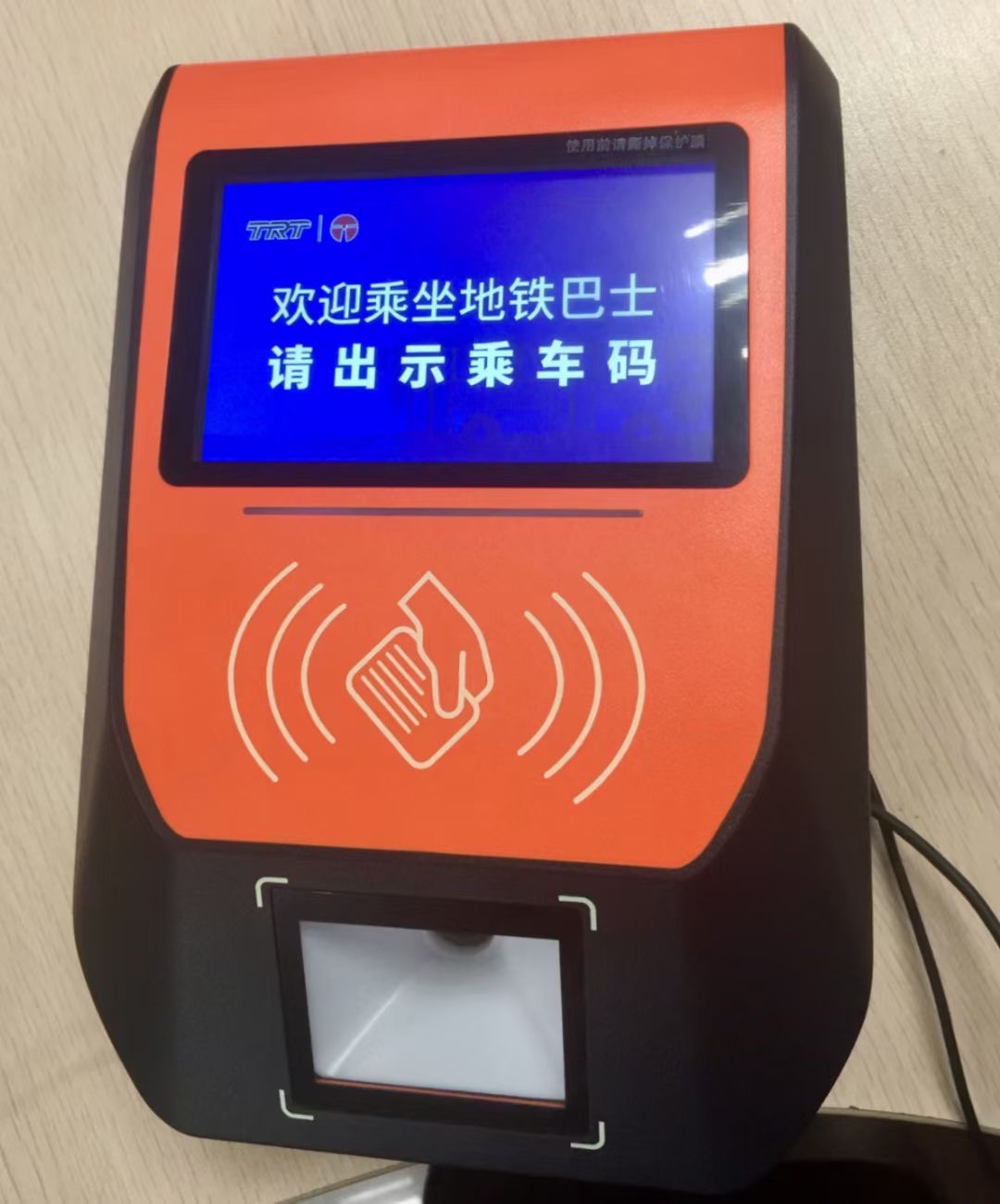 Can Bus Zonal Fare Collection Be Applied to Metro Systems?
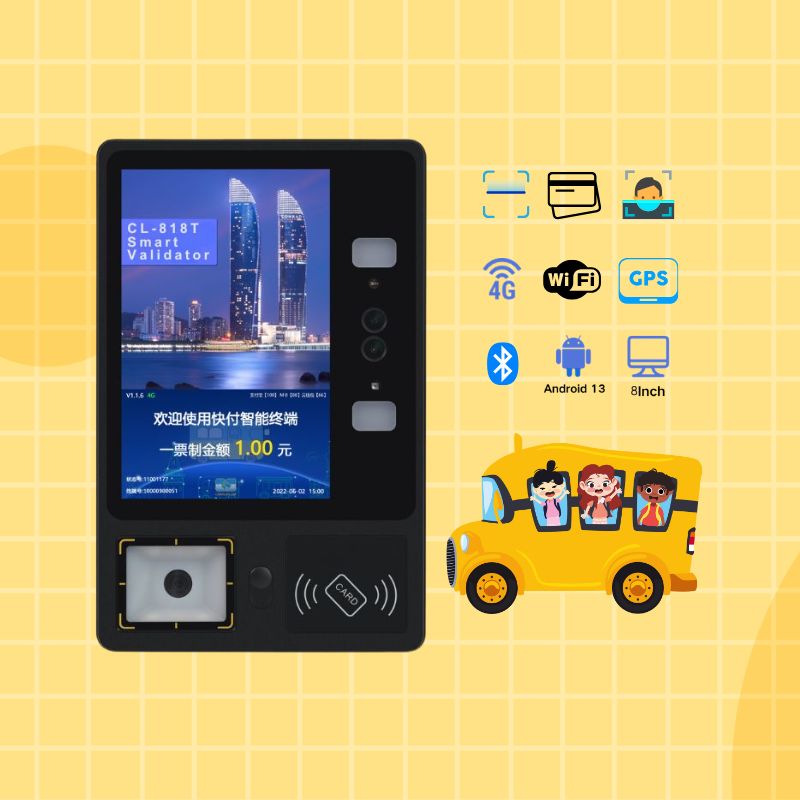 In which fields can prepaid cards be used for bus card readers?
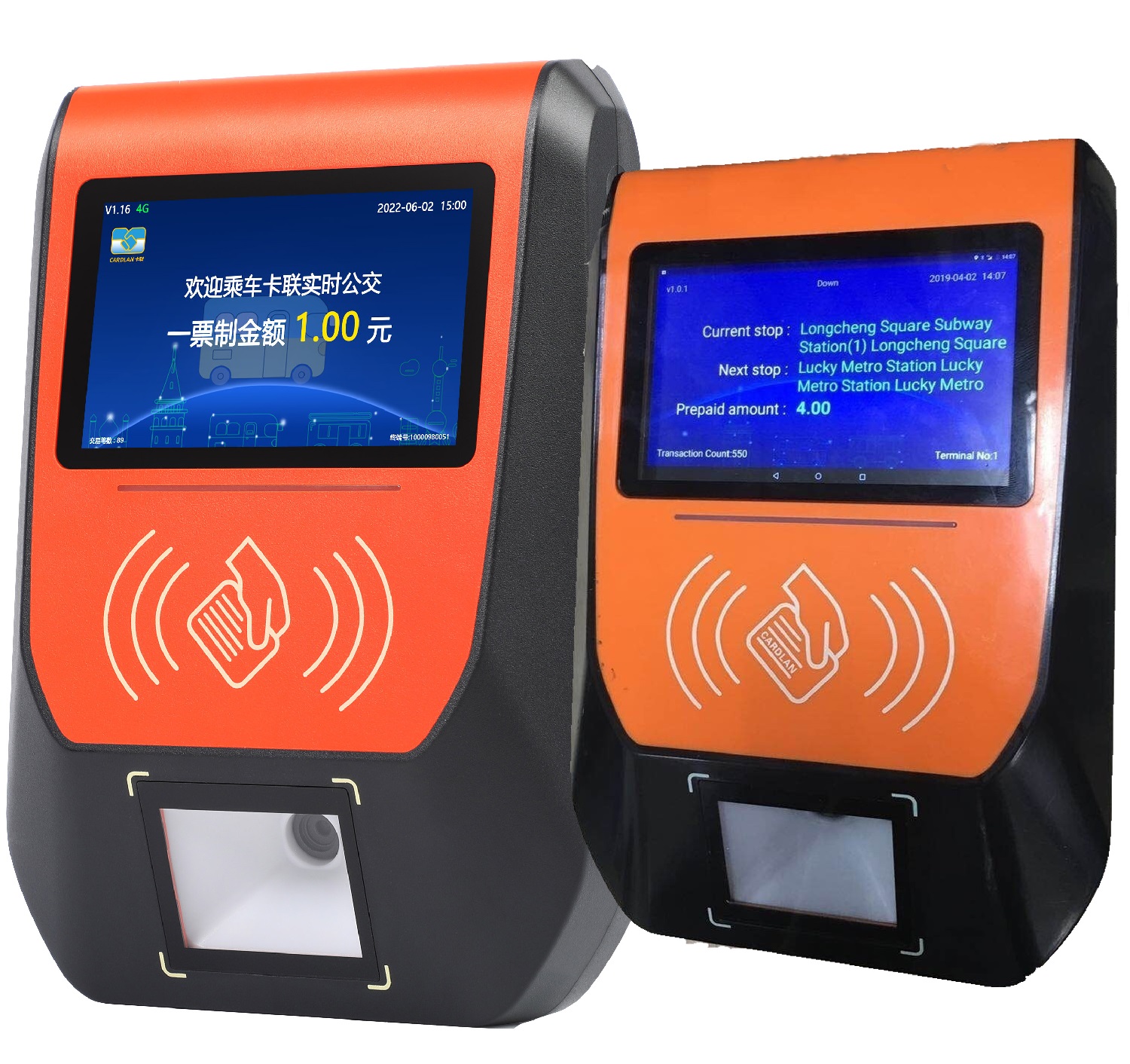 Cardlan Validator support SDK and API for development