What other innovations can be designed for the public transportation fare collection system?
The bus fare collection system is an automated system used by bus companies to charge passengers for public transportation services. The public transportation fare collection system usually includes components such as on-board fare terminals, intelligent IC cards, and backend management systems. Vehicle mounted toll terminals are usually located on buses or bus stops, used to read passenger smart card information and complete fare operations. The backend management system is responsible for managing smart cards, processing and analyzing charging data, etc.
There are various implementation methods for public transportation fare collection system, including contactless IC cards, QR code payments, etc. A contactless IC card is a type of smart card that allows passengers to make payments with just a gentle wave of the card in front of the charging terminal. Scan code payment refers to passengers using their mobile phones or other devices to scan the QR code on the charging terminal and complete the payment operation. The implementation of a public transportation fare collection system can greatly improve the efficiency and quality of public transportation services, reduce manual intervention and error rates, and also facilitate the use and payment of passengers.
What other innovations can be designed for the public transportation fare collection system?
1. Mobile payment: Introducing mobile payment technology, such as QR code payment, NFC payment, etc., allows passengers to complete payment operations through mobile phones or other smart devices, improving the convenience and efficiency of payment.
2. Combining smart IC cards with mobile devices: Combining smart cards with mobile devices (such as smartphones, smartwatches, etc.) allows passengers to make payments directly through the device without the need to carry physical cards, making it more convenient and efficient.
3. Electronic wallet: Establish an electronic wallet system that allows passengers to make payments through the electronic wallet without carrying cash or bank cards. Electronic wallets can be linked to mobile devices or bank cards for fast payment.
4. Data analysis and optimization: By analyzing and mining data from the public transportation fare collection system, optimize public transportation routes and toll collection strategies, and improve the operational efficiency and service quality of public transportation companies.
5. Self service ticket vending machine: Set up a self-service ticket vending machine at the bus stop or inside the bus, allowing passengers to purchase tickets or recharge electronic wallets through the self-service ticket vending machine, improving ticket purchasing efficiency and convenience.
6. Social media payment: the bus fare collection system is combined with social media platforms (WeChat, Alipay), so that passengers can pay through social media platforms, and can also query the travel records, balance and other information through social media platforms.
7. Biometric technology: Introducing biometric technologies such as palm vein payment, facial payment, etc., enables passengers to complete payment operations through biometric technology, improving payment security and convenience.
8. Intelligent bus stop sign: Set up intelligent screens and payment devices on the bus stop sign, allowing passengers to check the arrival time, ticket prices, and other information of the vehicle through the screen, and complete payment operations through the payment device.
The above innovative public transportation fare collection system construction plan aims to improve the efficiency, convenience, safety, and user experience of the public transportation fare collection system, meet the needs of modern passengers, and promote the development of the public transportation industry.

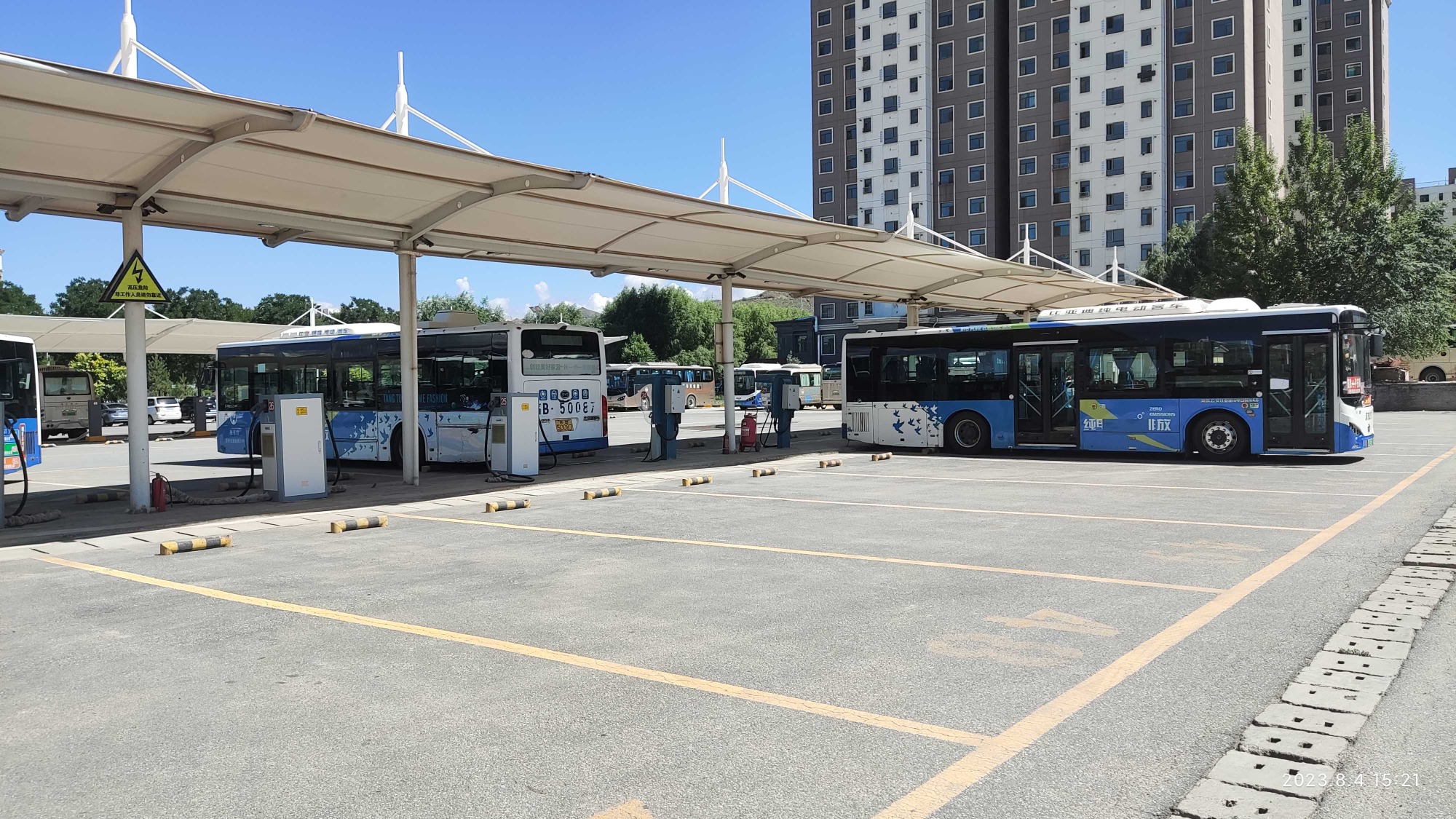
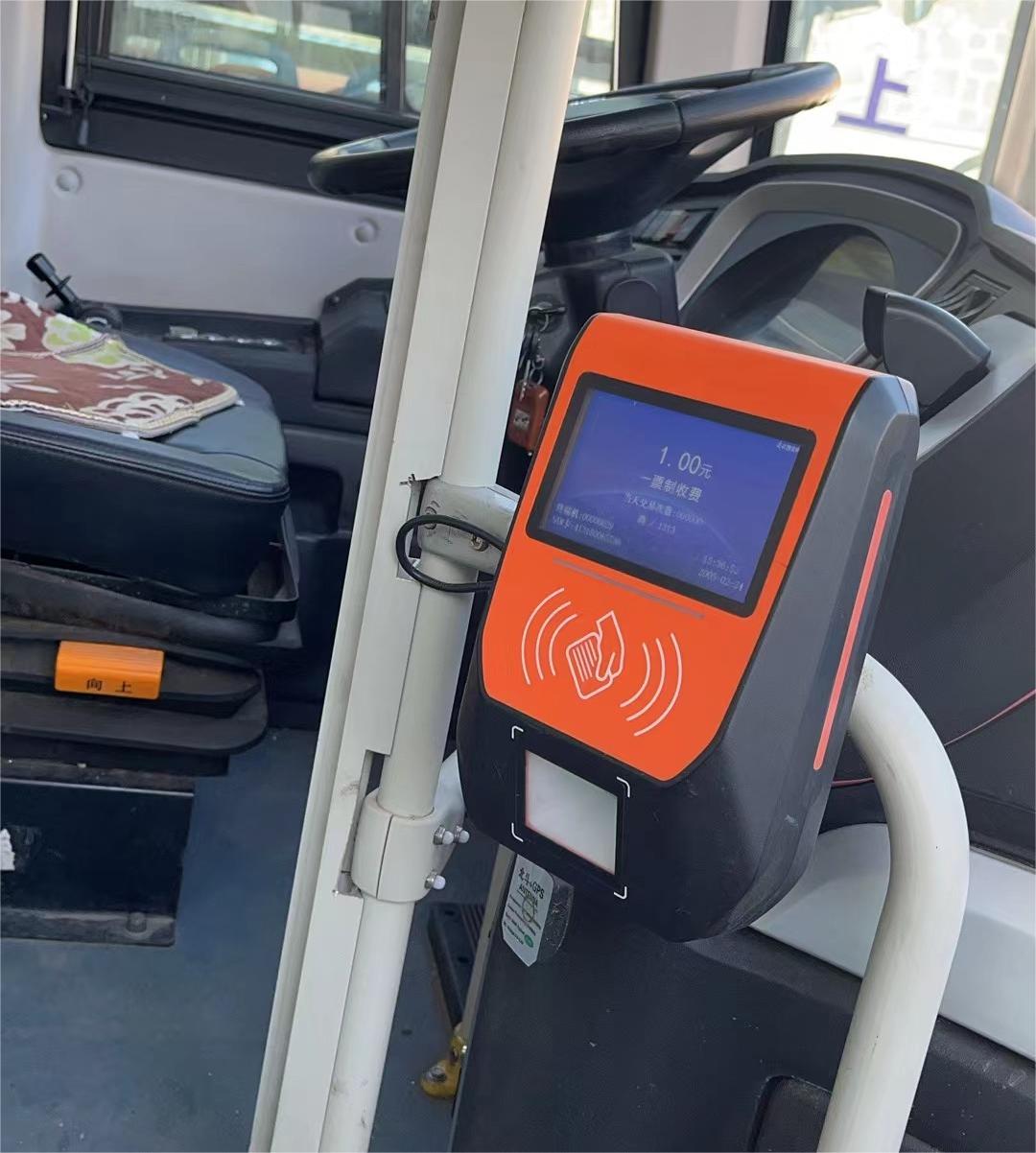
 Why do some buses have only one card reader while others have two?
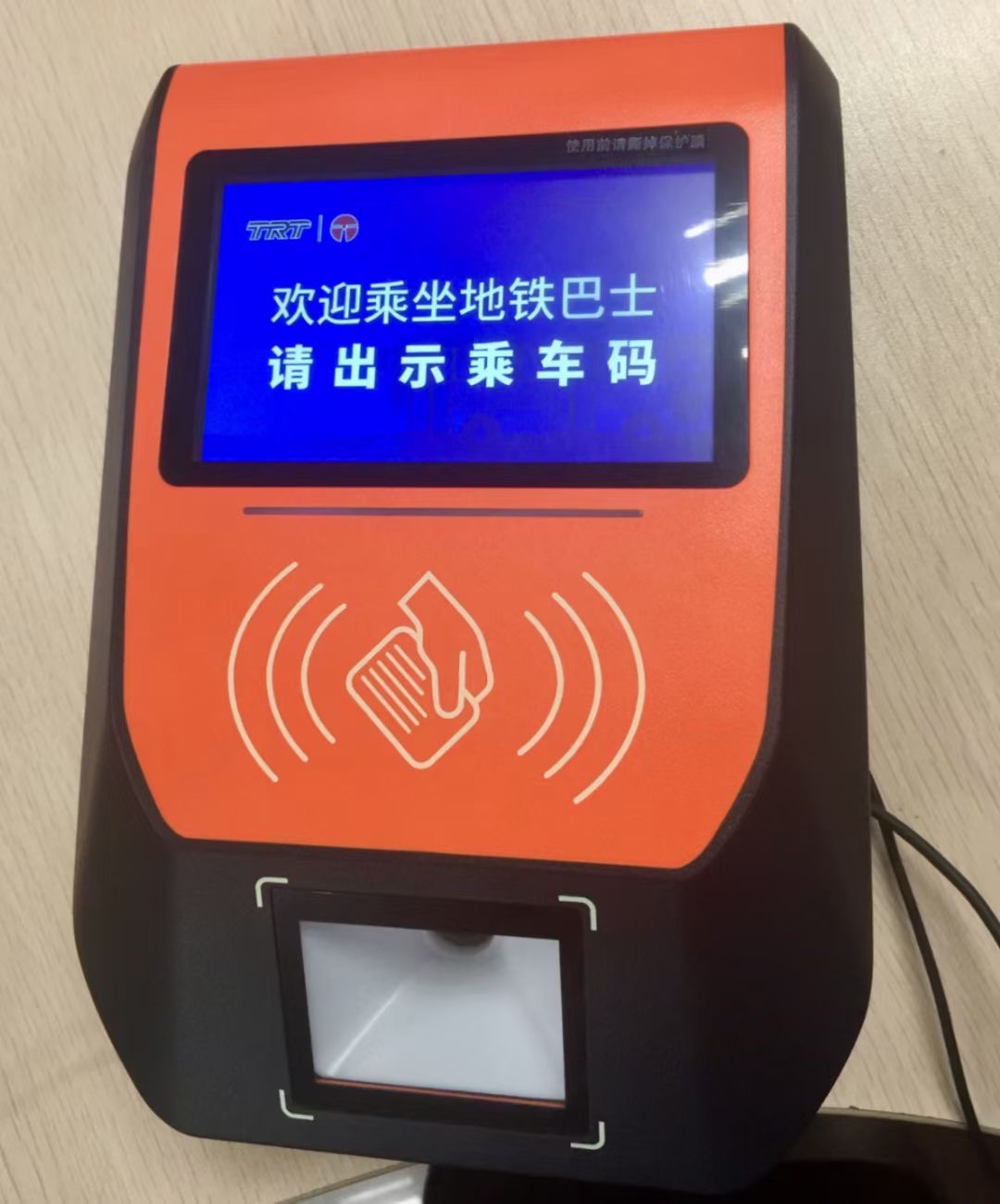 Can Bus Zonal Fare Collection Be Applied to Metro Systems?
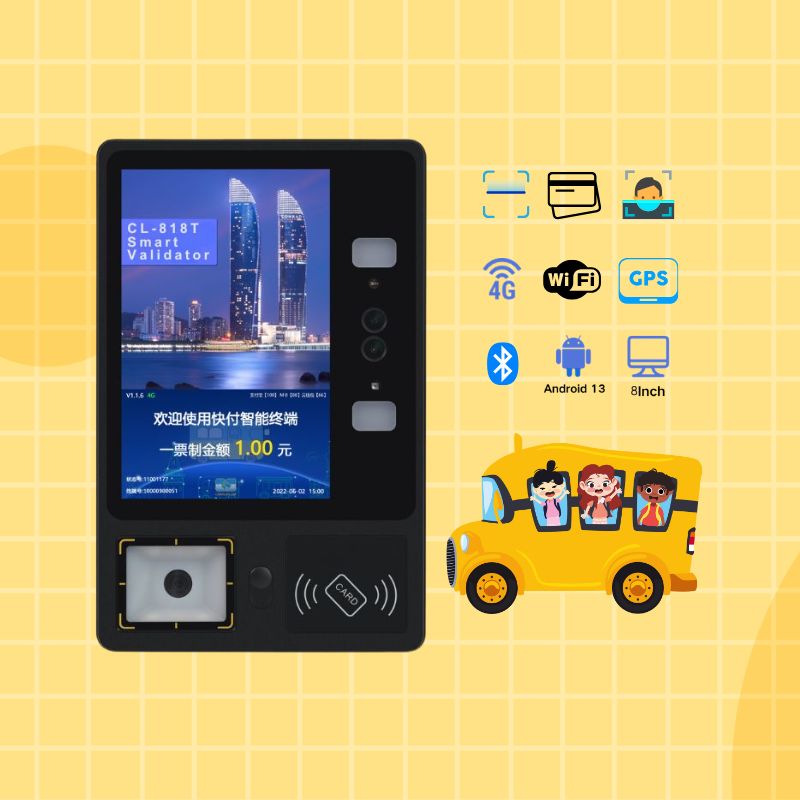 In which fields can prepaid cards be used for bus card readers?
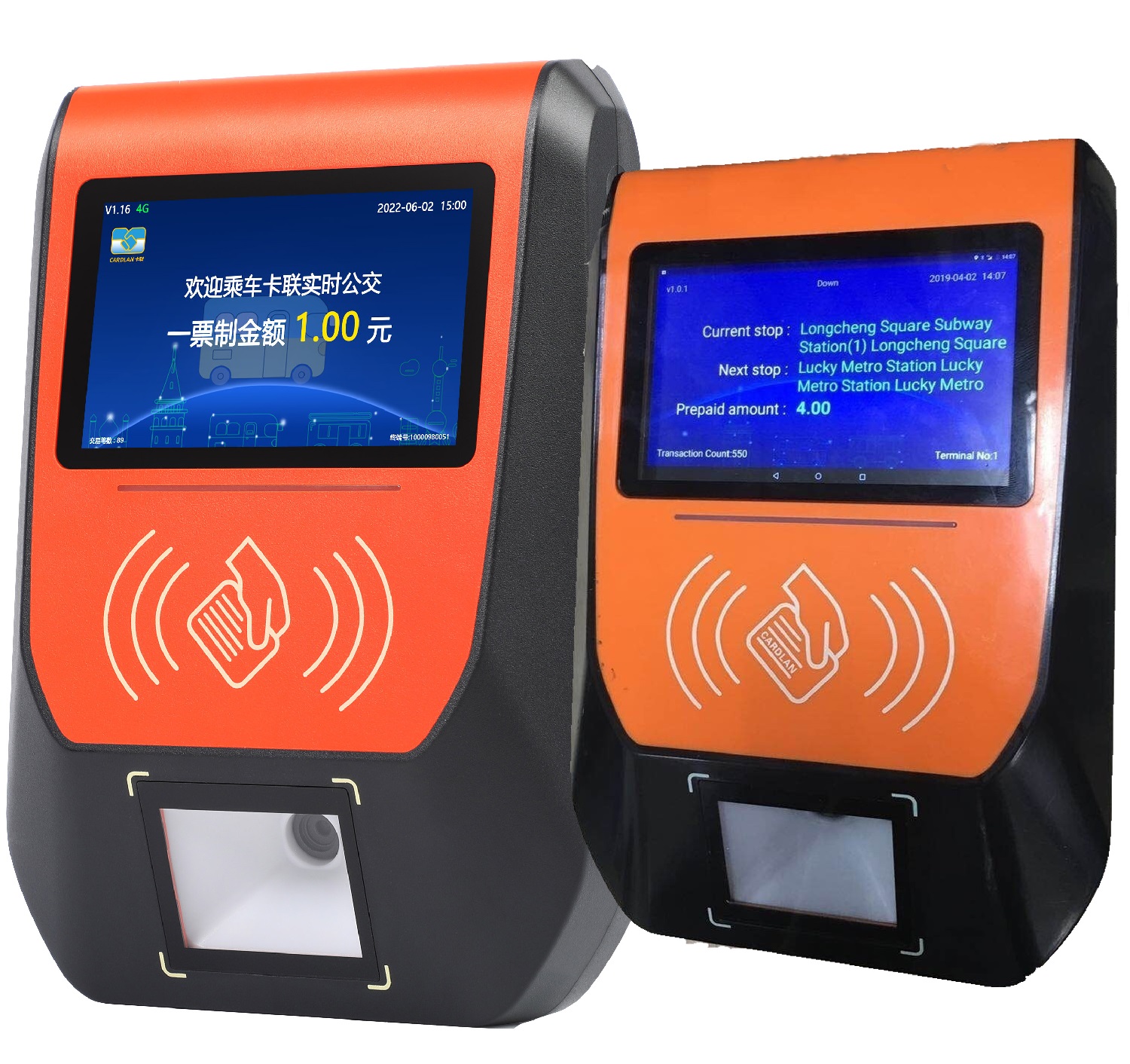 Cardlan Validator support SDK and API for development