
In order to expand the scope of mobile payment and facilitate citizens' life, Wing Payment is promoting the strategic layout of passenger code business in an all-round way. Through the cooperation with UnionPay's passenger code, Wing Payment has provided passenger code service in more than 50 cities in Haikou, Hefei, Zhengzhou, Jinan and other countries. It links mobile payment technology with the development of bus travel scenarios and industry ecology integration. It will make rapid efforts in the field of bus travel, cultivate intelligent transportation and implement the concept of green travel.
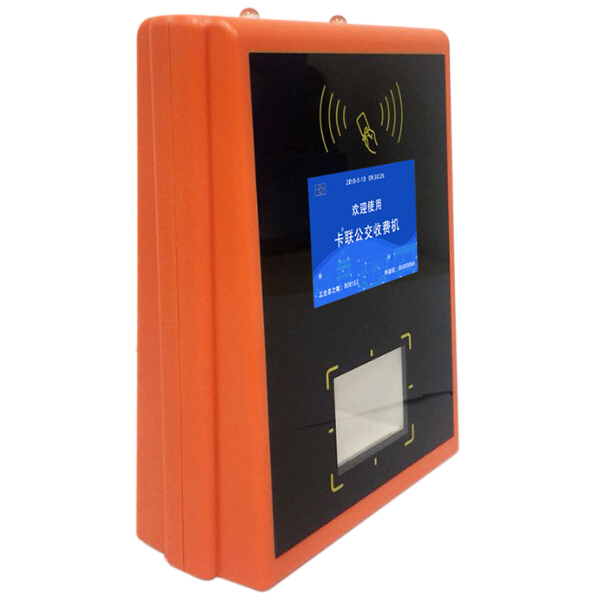

In recent years, with the development of e-commerce platform and new retail business, mobile payment has basically covered the daily shopping, entertainment and other consumption scenarios. However, there are still many inconveniences in the field of transportation which plays a pivotal role, especially in the field of public transport with huge traffic.
As one of the most important scenarios of micro-high frequency and mobile payment, public transport is related to people's daily travel and vital interests. Alipay and WeChat, which occupy nearly 90% of China Mobile's payment market, are paying attention to the field of transportation. As the first of the three major operators in China. China Telecom pays by the third party. Its wing payment is also frequently used for the layout of traffic trips. Through strategic cooperation with UnionPay, China Telecom expedites the layout of passenger code business. In the future, users will have a convenient new experience of paying by bus. Without complicated steps, they can experience the convenient ride experience brought by "scan" and "pay" by selecting "scan code" by paying APP by wing, so as to make healthy and environmentally friendly lifestyle unimpeded.
It is reported that Wing Payment will also introduce more preferential travel policies to meet the needs of passengers with different payment habits, so as to achieve both convenience and benefits, while improving the travel experience of citizens and urban happiness index. At present, Guangzhou, Nanchang, Sanya, Zhuhai and other places have entered the stage of equipment debugging. At that time, Wing Payment will provide more urban residents with safe, convenient and comfortable travel experience. While helping green travel, it will lead traffic travel into an era of high efficiency and low carbon mobile payment.
As a third-party payment platform of China Telecom, Wing Payment covers a wide range of convenience scenarios such as water, electricity, coal, communication, transportation, e-commerce and shopping.
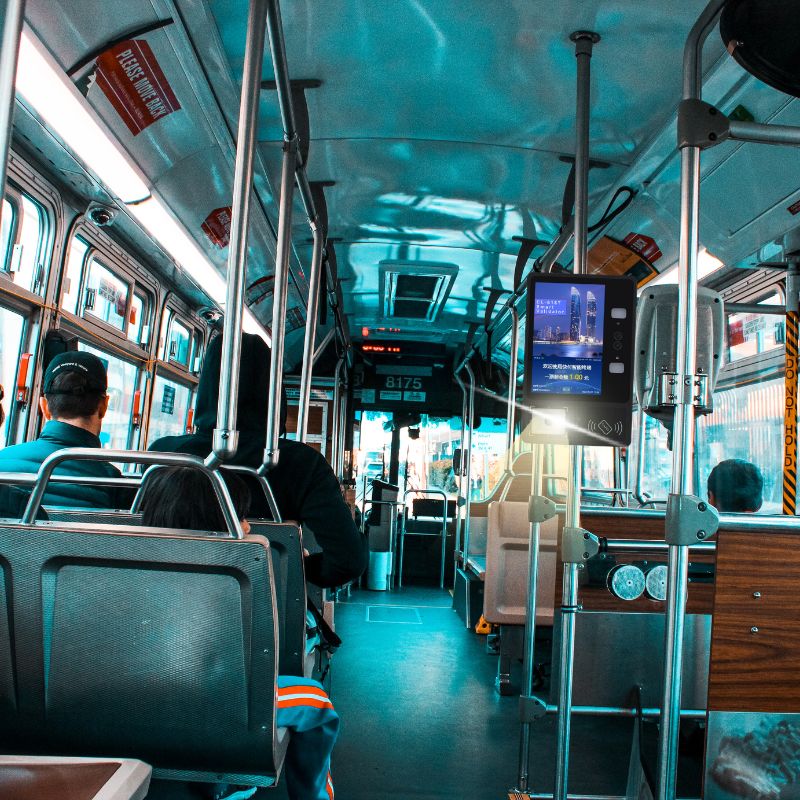 Why do some buses have only one card reader while others have two?
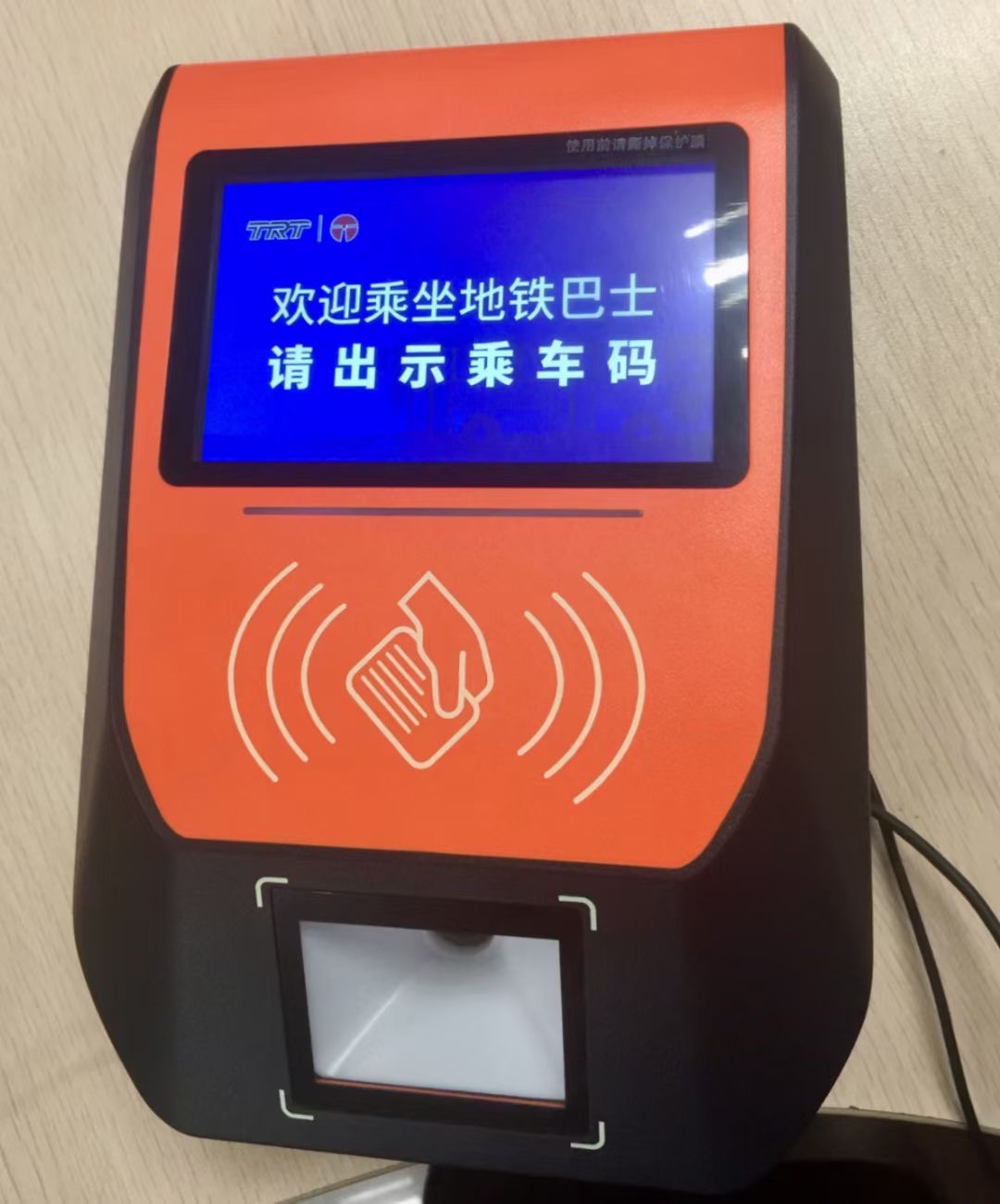 Can Bus Zonal Fare Collection Be Applied to Metro Systems?
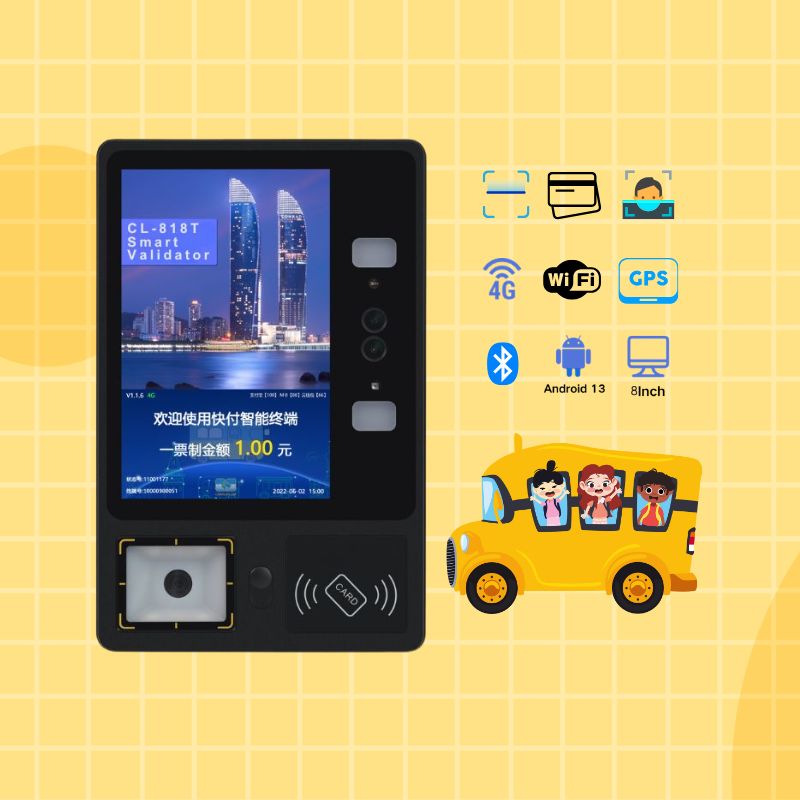 In which fields can prepaid cards be used for bus card readers?
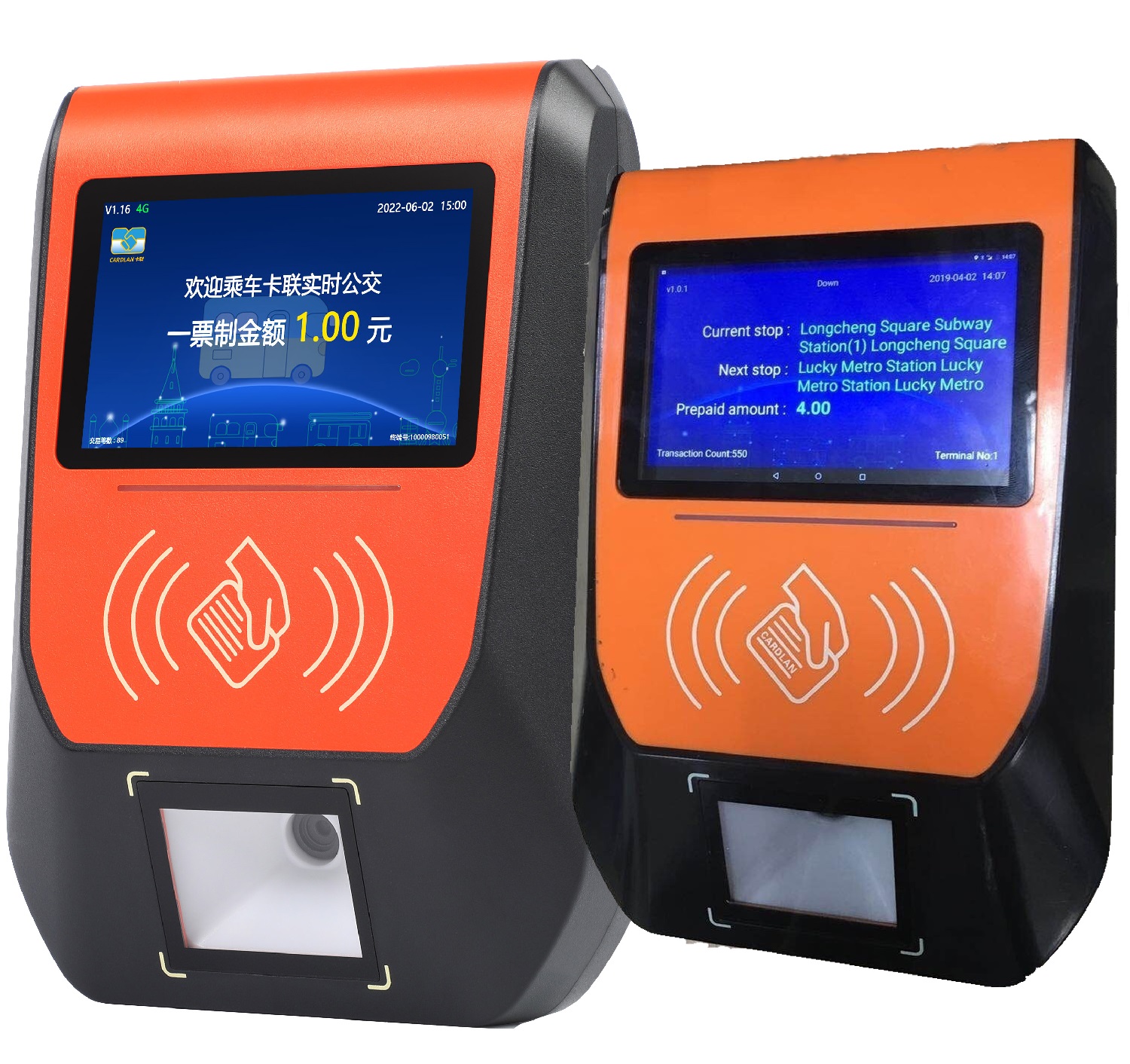 Cardlan Validator support SDK and API for development