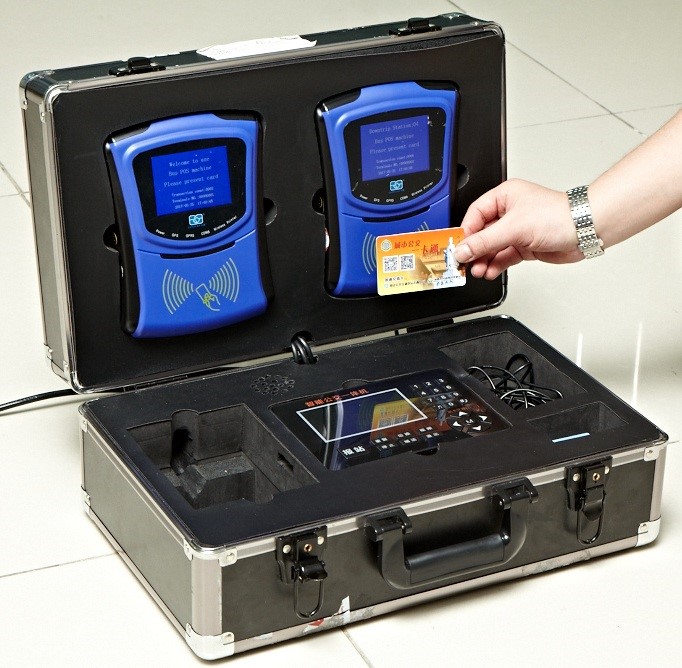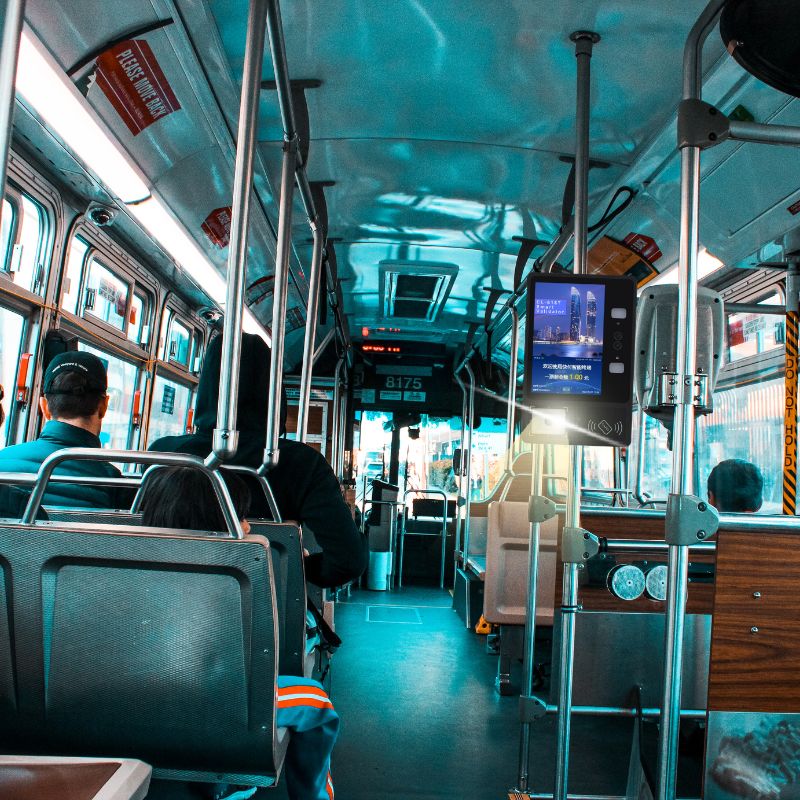
2025 School Bus Card & Facial Recognition Verification System Comprehensive Guide

Views : 7569
Author : Kathy
Update time : 2025-03-24 15:49:44

I. Core Functional Modules

  1. Multi-mode Verification Compatibility

    • Supports facial recognition, physical student cards, dynamic QR codes, and mobile NFC verification for diverse scenarios‌.
    • Built-in dual-lens camera with anti-spoofing (blocks photos/videos), recognition speed ≤2 seconds.
  2. Real-time Data Integration

    • Successful verification triggers instant notifications (with timestamps/vehicle IDs) to parents, latency ≤30 seconds‌.
    • Driver interface displays real-time passenger counts and auto-generates absentee reports‌.

II. Operational Procedures

  1. Data Enrollment & Binding

    • Students must pre-register facial data or link student cards via school app, encrypted storage ensured‌.
    • Contract staff require separate fee-deduction authorization (pay-per-ride or prepaid)‌.
  2. Boarding Verification

    • Facial Recognition‌: Face dual-lens camera at 40-60cm distance for liveness detection‌.
    • Card/NFC‌: Place physical card near sensor (3-5cm) or align mobile NFC with device base‌.
    • Dynamic QR Code‌: Generate encrypted code; scan at 10-15cm distance, refreshes every 30s to prevent fraud.

III. Security & Hardware Specifications

  1. Data Protection

    • Data encrypted with national cryptographic algorithms, compliant with GB/T 35273-2020 privacy standards.
    • Offline mode stores up to 2,000 verification records locally.
  2. Device Features

    • 7-inch anti-glare IPS touchscreen (720*1280 resolution), multi-touch support.
    • IP65-rated dustproof/waterproof design, GPS/BeiDou dual-mode positioning for rugged environments‌.
Related News
Read More >>
Why do some buses have only one card reader while others have two? Why do some buses have only one card reader while others have two?
Apr .09.2026
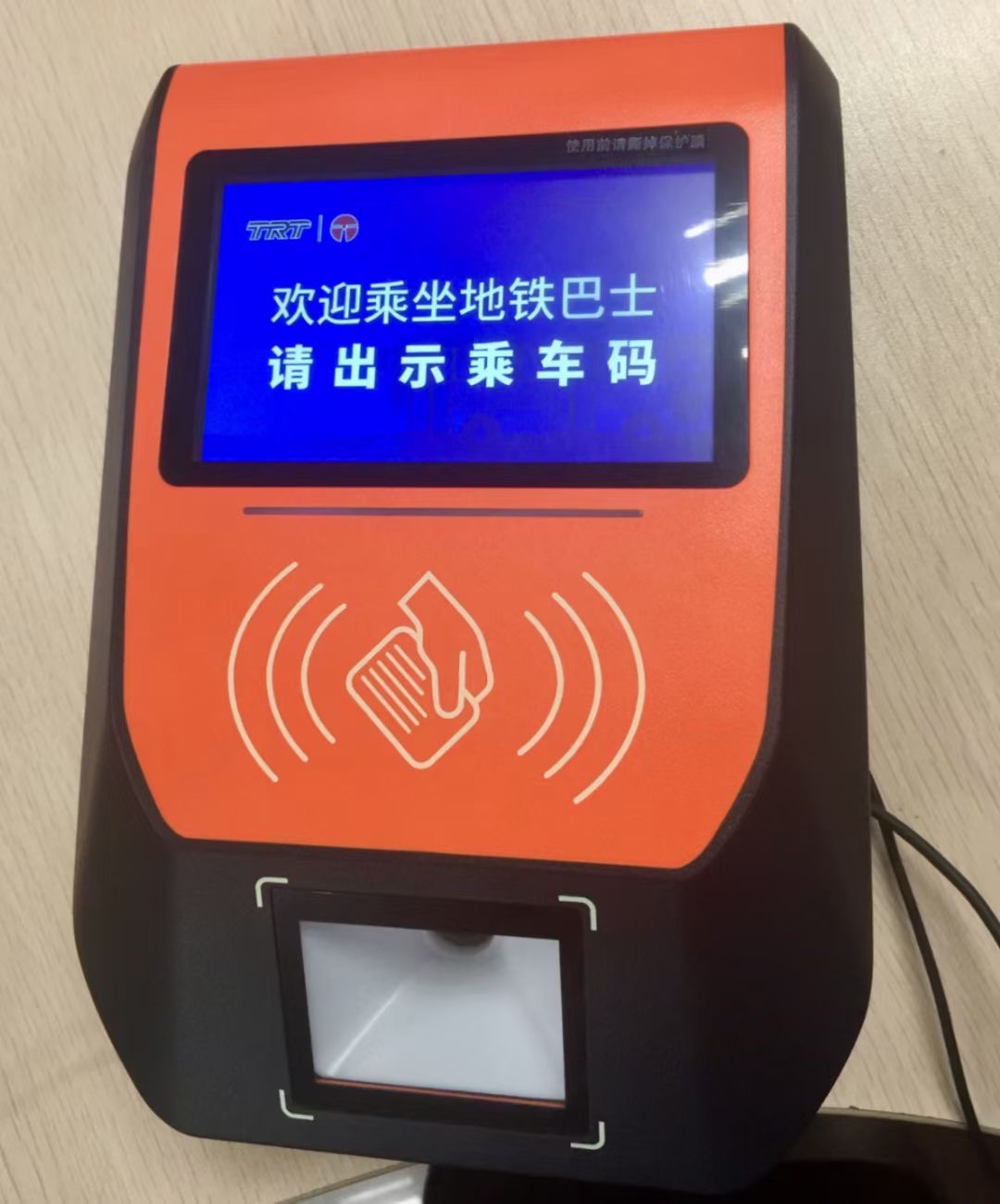
Whether a bus is equipped with one or two card readers mainly depends on the fare calculation method of the route: single-fare routes usually only require passengers to tap their cards once when boarding, so one card reader is sufficient; while distance-based fare routes require passengers to tap their cards both when boarding and alighting to calculate the actual trip cost, hence two card readers are needed.
‌Can Bus Zonal Fare Collection Be Applied to Metro Systems? ‌Can Bus Zonal Fare Collection Be Applied to Metro Systems?
Apr .02.2026
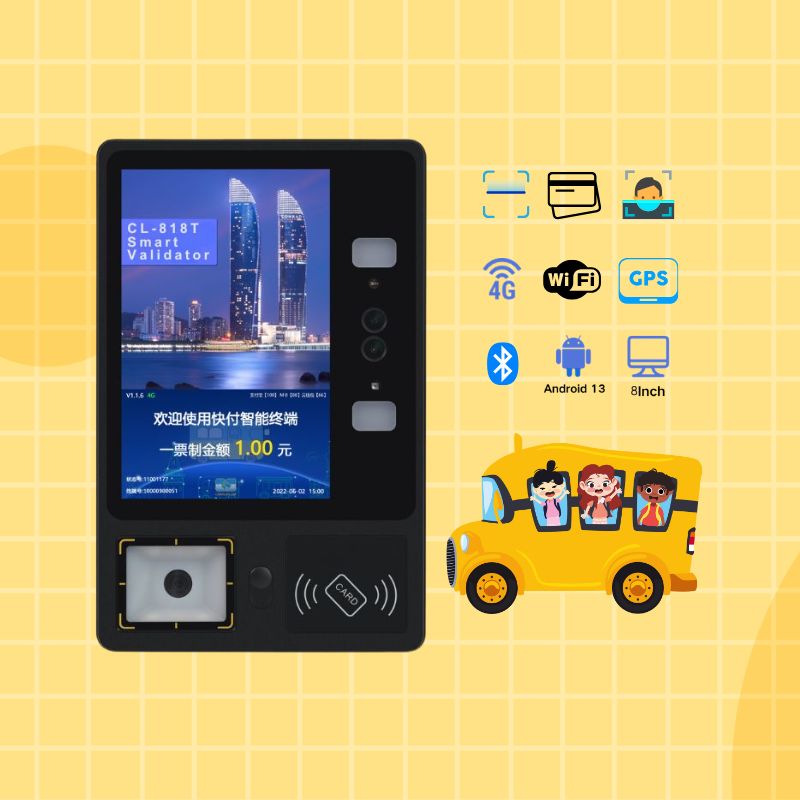
Cardlan Zonal fare collection support tap on and tap out to realize station fare collection.
In which fields can prepaid cards be used for bus card readers? In which fields can prepaid cards be used for bus card readers?
Mar .30.2026
The usage scope of prepayment cards varies by type—single-purpose, multi-purpose, and industry-specific—and extends to travel, salary disbursement, gifts, online payments, financial inclusion, and transportation with retail and tourism integration.
Cardlan Validator support SDK and API for development Cardlan Validator support SDK and API for development
Mar .27.2026
Cardlan's bus card readers explicitly support secondary development and integration, and provide SDKs and API interfaces‌ for system integration and feature customization.