
Campus Smart Card
A Campus Smart Card serves as a multifunctional tool essential for campus life. Below is key information about the Campus Smart Card:
Identity Verification
Access control systems (dormitories, libraries, labs, etc.).
Exam/event check-ins and attendance tracking.
Payment Services
Pay for meals, campus stores, shuttle buses, self-service printers, etc.
Some schools allow balance recharging via Alipay/WeChat integration.
Library Services
Book borrowing/returning, seat reservations.
Additional Services
Utilities (water/electricity) recharge, sports facility bookings, transcript printing, etc.
New Student Registration
Issued during enrollment; activated with ID or admission letter.
Balance Recharging
Offline: Use self-service kiosks (often in cafeterias or admin buildings).
Online: Official campus app, WeChat official account, or Alipay/WeChat mini-programs.
Loss Reporting & Replacement
Report loss immediately via app, website, or service counter.
Replace at the card service center with valid ID; a replacement fee may apply (10-30 CNY).
Insufficient Balance
Recharge promptly; some venues allow temporary credit (e.g., cafeterias).
Card Not Recognized
Check for physical damage or visit the service center for chip testing.
Incorrect Information
Contact the card center to update details (name, student ID, etc.).
Graduation/Leaving School
Refund remaining balance and deactivate access permissions (some schools let you keep the card as a souvenir).
Safekeeping: Avoid folding, soaking, or exposure to high temperatures/magnetic fields.
Password Setup: Default password is usually the last 6 digits of your ID; change it for security.
Mobile Alerts: Enable SMS notifications for real-time transaction updates.
Validity: Some cards expire after graduation; transfer balances in advance.
Mobile Virtual Card: Use NFC or QR codes for contactless payments.
Inter-Campus Compatibility: Shared use with nearby universities or public transit (e.g., metro systems).
Data Analytics: Track spending habits or receive nutrition insights via transaction records.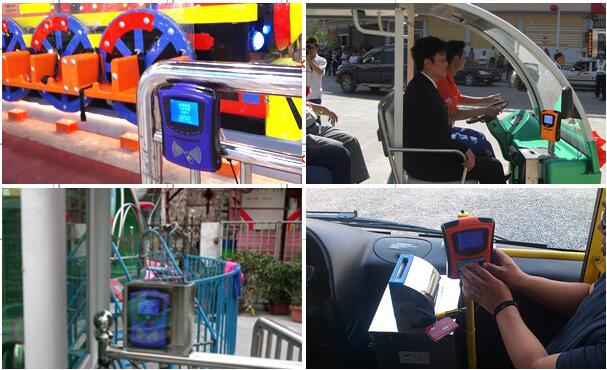
For specific issues (e.g., card binding, replacement steps), contact your school’s Smart Card Service Center or refer to the official campus website.
 Why do some buses have only one card reader while others have two?
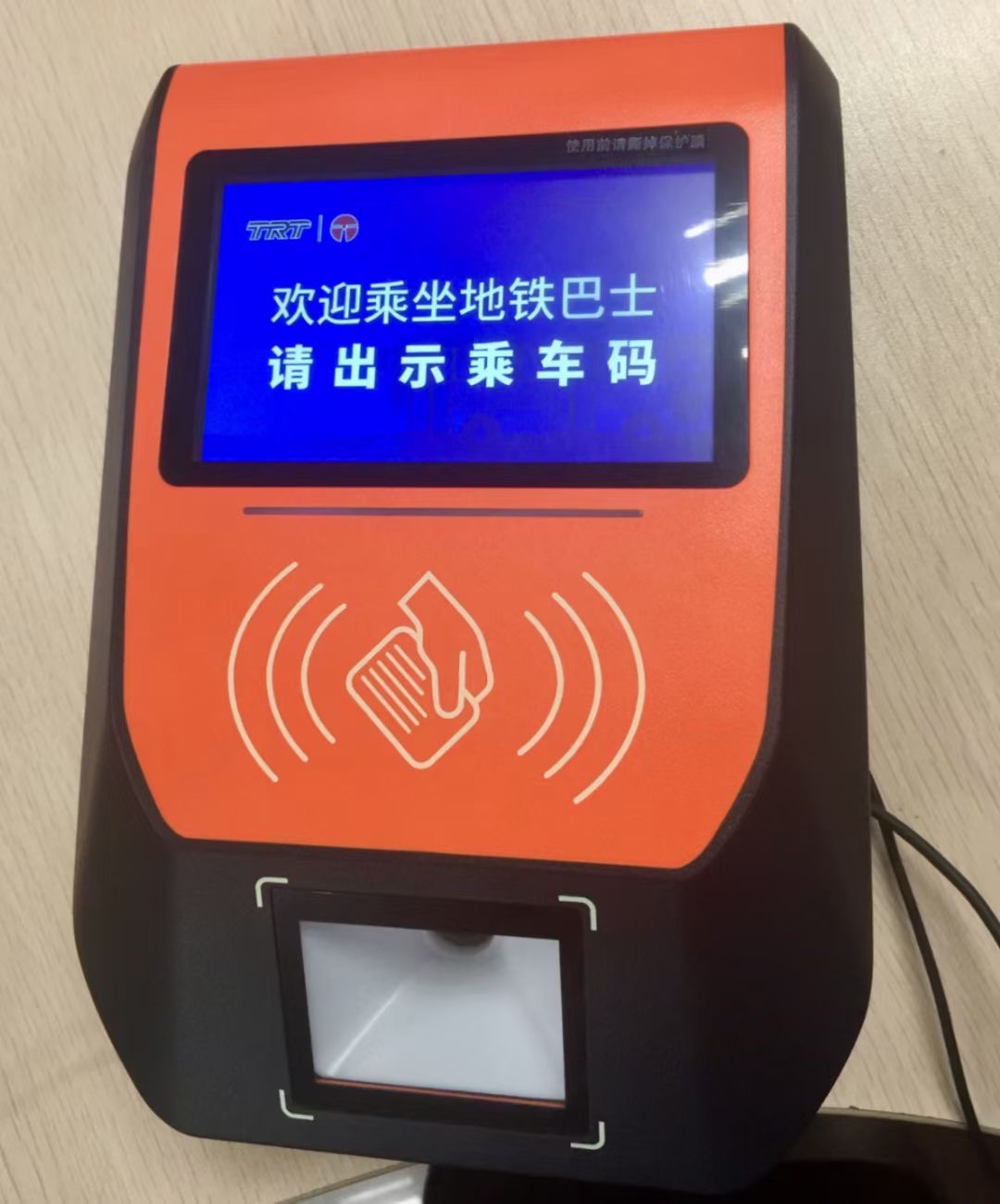 Can Bus Zonal Fare Collection Be Applied to Metro Systems?
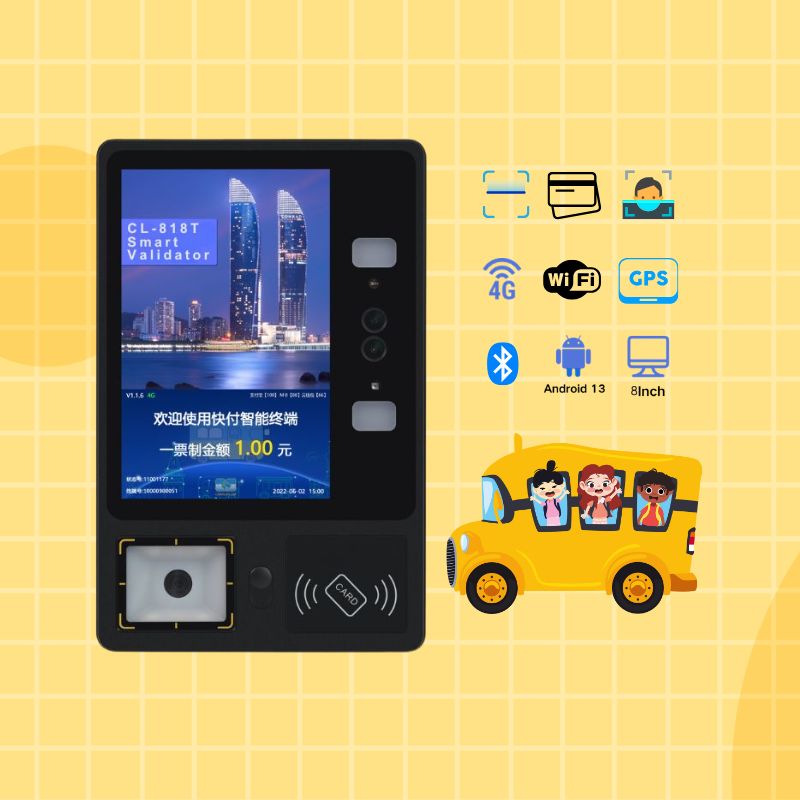 In which fields can prepaid cards be used for bus card readers?
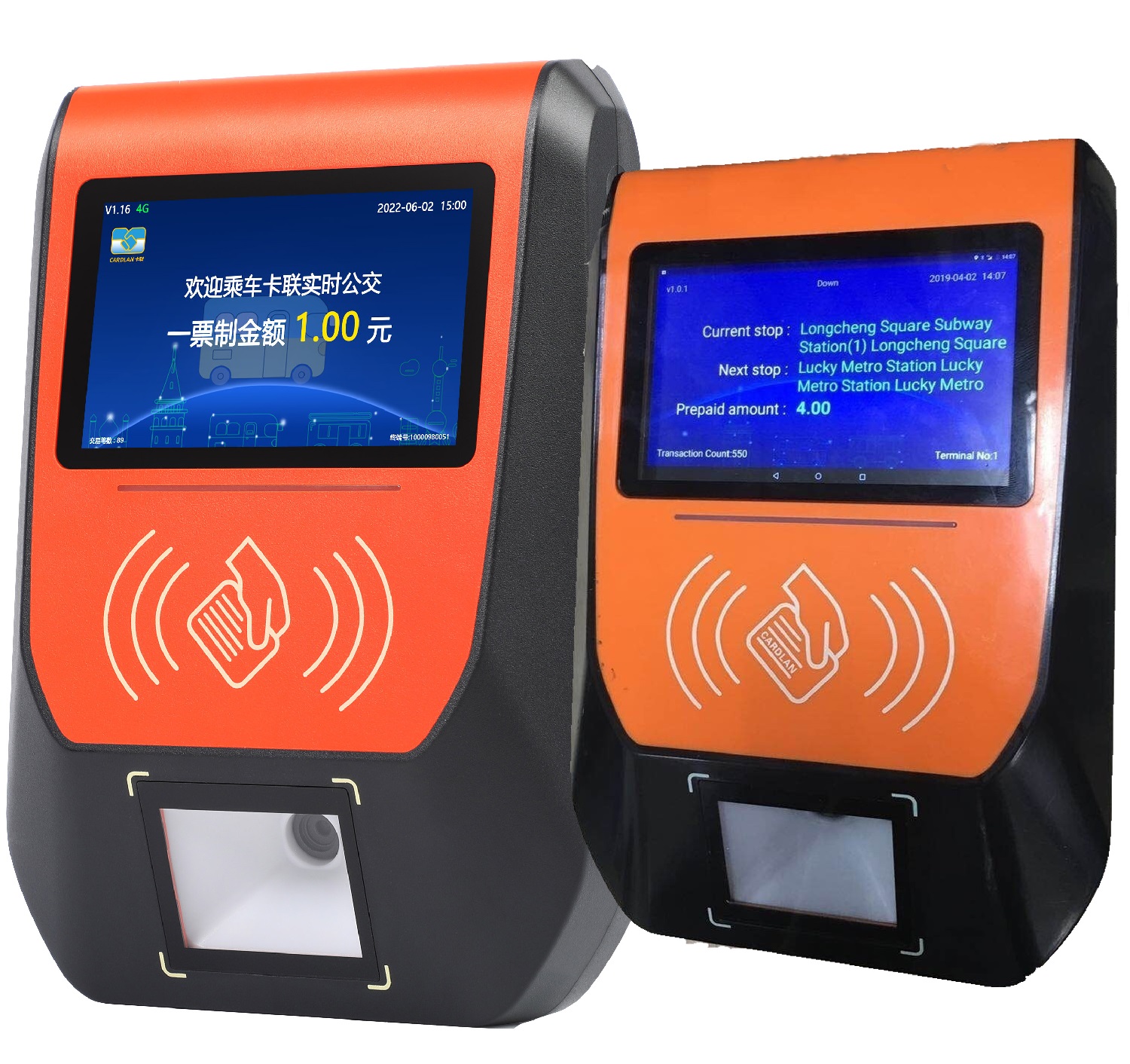 Cardlan Validator support SDK and API for development