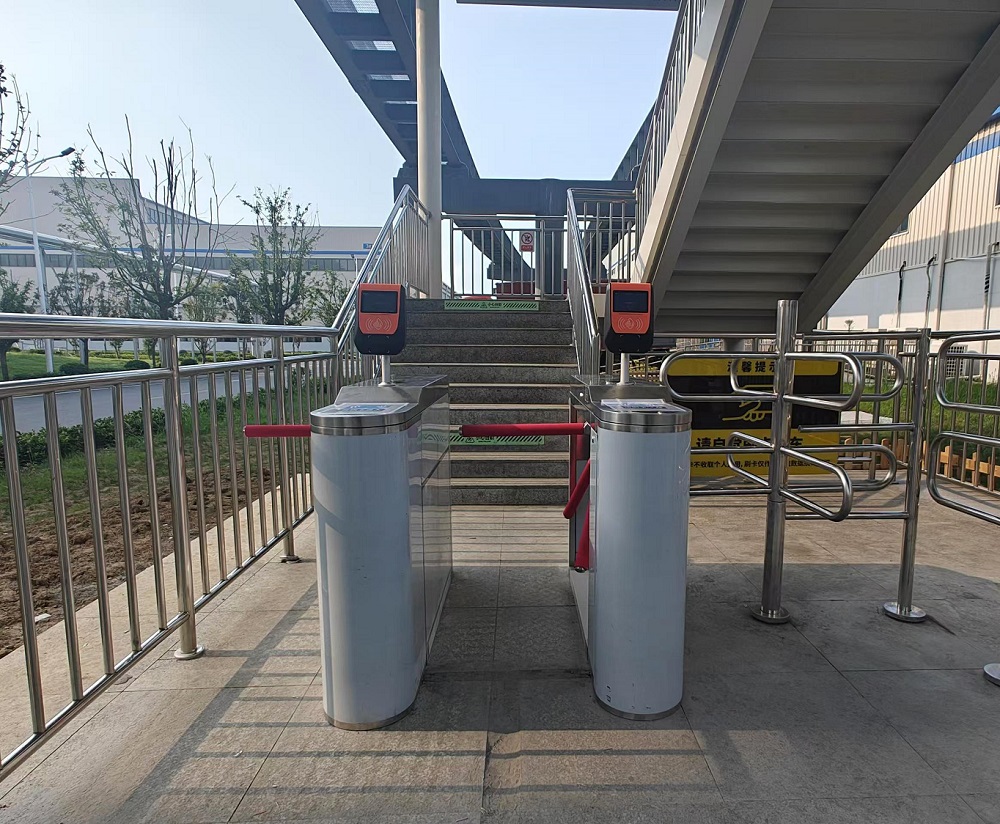
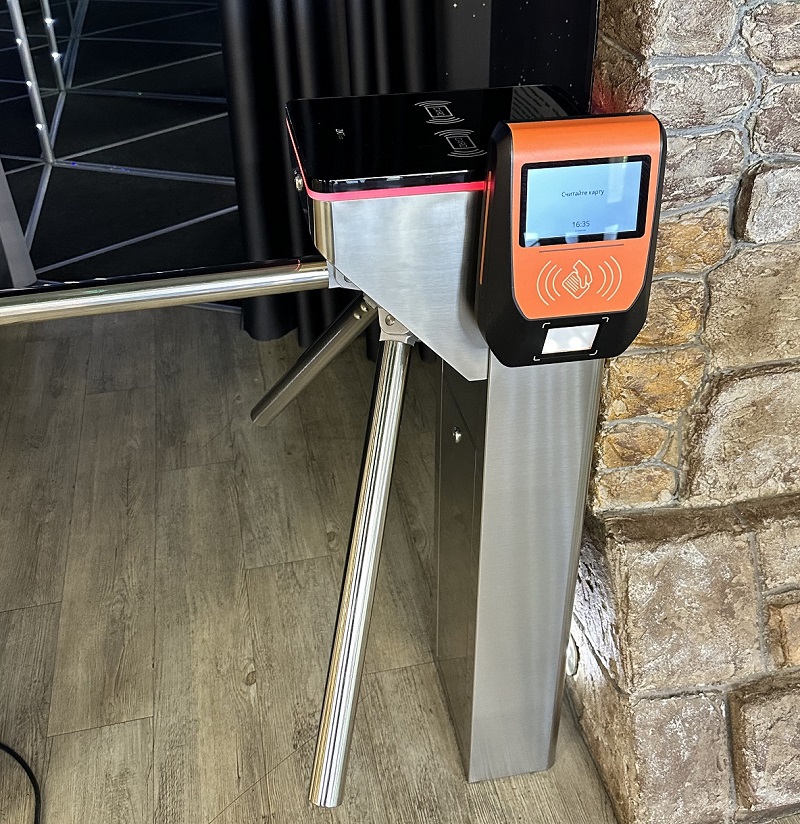
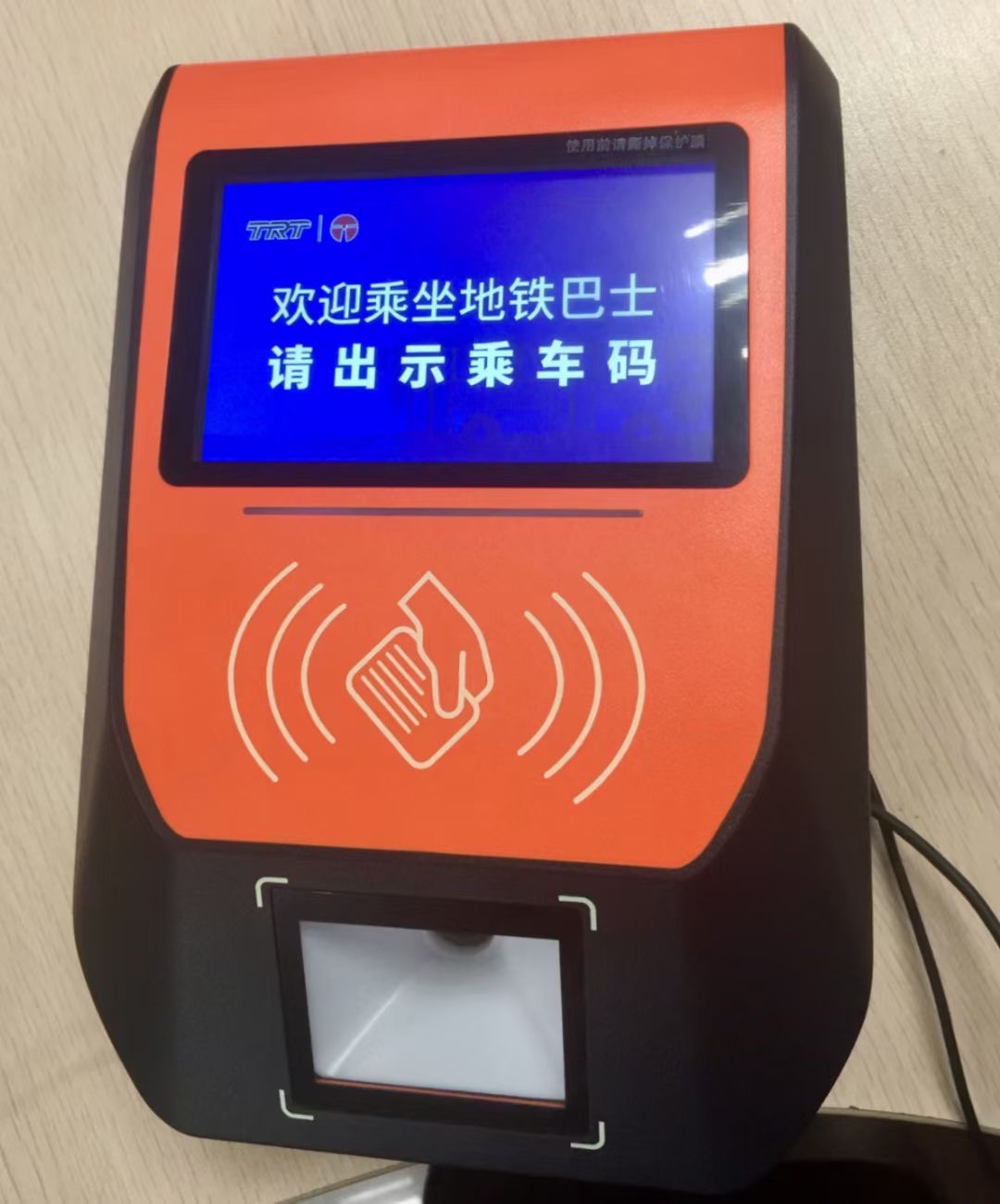
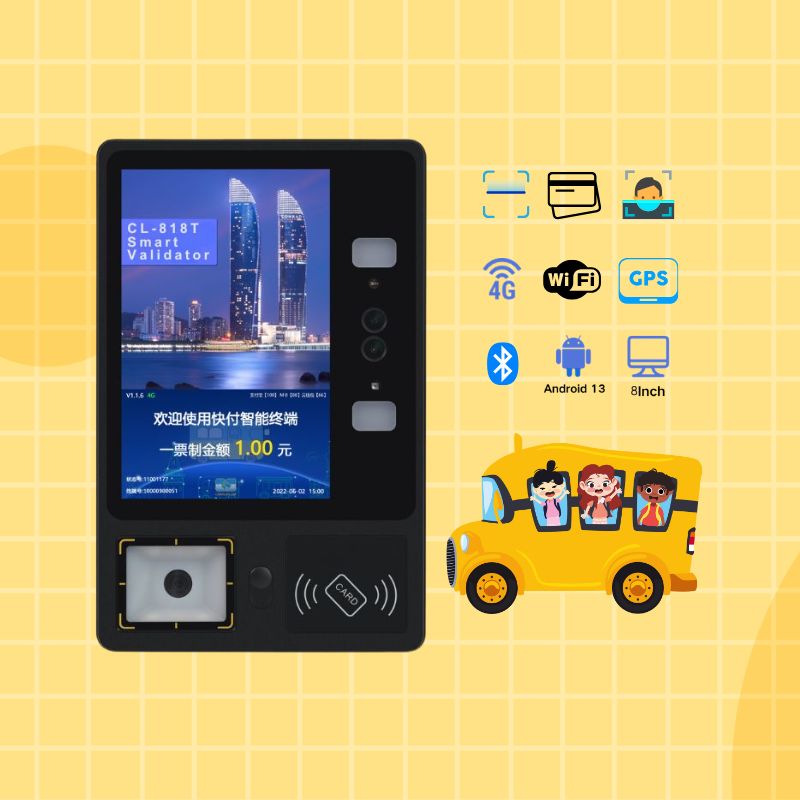
The system includes hardware (such as card readers, turnstiles) and software (such as backend management systems, payment interfaces).
---
**System Overview**
The card-based payment deduction system for amusement parks uses smart card technology (IC cards, RFID cards, or QR codes) to enable visitor identification, payment deduction, and data management. It supports multiple deduction modes (per use, per time, packages, etc.) and integrates with turnstiles, POS machines, and other devices to achieve automated management.
---
2. **System Features**
- **Visitor Features**
- **Card Swipe Entry**: Visitors enter the park by swiping IC cards, RFID cards, or scanning QR codes.
- **Balance Inquiry**: Real-time display of card balance on turnstiles or inquiry terminals.
- **Recharge Function**: Supports online (APP, mini-programs) or offline (recharge machines, ticket offices) recharge.
- **Consumption Record Inquiry**: Visitors can check detailed consumption records through the APP or inquiry terminals.
- **Package Purchase**: Supports purchasing discounted packages (e.g., all-day passes, family packages).
- **Management Features**
- **Card Management**: Includes card issuance, loss reporting, card replacement, and deactivation.
- **Rate Setting**: Sets deduction rules for different amusement projects (e.g., per use, per time, packages).
- **Real-Time Monitoring**: Monitors visitor flow, device status, and transaction records in real time.
- **Financial Reports**: Automatically generates daily, weekly, and monthly financial reports.
- **Data Analysis**: Analyzes visitor consumption behavior to optimize operational strategies.
---
3. **Deduction Rules**
- **Per Use Deduction**: Fixed amount per use (e.g., 20 yuan per use).
- **Per Time Deduction**: Deduction based on playtime (e.g., 10 yuan per hour).
- **Package Deduction**:
- **All-Day Pass**: One-time deduction for unlimited access throughout the day.
- **Family Package**: Multiple people share one card to enjoy discounted prices.
- **Project Combination Package**: Discounted deduction for multiple project combinations.
- **Promotions**: Supports holiday discounts, member discounts, etc.
---
4. **Hardware Requirements**
- **Smart Cards**: IC cards, RFID cards, or QR code cards.
- **Card Swiping Devices**:
- Turnstile-integrated card readers: For entry and exit.
- POS machines: For amusement project deductions.
- **Recharge Terminals**: Devices supporting cash, bank cards, and mobile payments.
- **Servers**: For data storage and processing.
- **Network Equipment**: Ensures all devices are connected for real-time data synchronization.
---
5. **Software Requirements**
- **Backend Management System**:
- Card management, rate setting, financial statistics, real-time monitoring, etc.
- **Payment Interface**:
- Supports multiple payment methods such as WeChat, Alipay, and bank cards.
- **Mobile Application**:
- Visitors can recharge, check balances, and view consumption records through the APP or mini-program.
- **Data Synchronization**:
- Ensures real-time synchronization of all device data to avoid duplicate deductions or data loss.
---
6. **Security Measures**
- **Data Encryption**: Ensures the security of card swiping and payment data.
- **Permission Management**: Different administrators have different operation permissions.
- **Anti-Cheating Mechanism**: Prevents card duplication or illegal use.
- **Data Backup**: Regularly backs up data to prevent data loss.
---
7. **Implementation Steps**
1. **Requirement Research**: Clarify the amusement park's scale, visitor flow, budget, and other needs.
2. **System Design**: Design the system architecture, functional modules, and deduction rules.
3. **Equipment Procurement and Installation**: Purchase and install card swiping devices, turnstiles, servers, and other hardware.
4. **Software Development and Integration**: Develop the backend management system, mobile application, and integrate payment interfaces.
5. **System Testing**: Comprehensive testing of system functions, security, and stability.
6. **Training and Launch**: Train staff and officially launch the system.
7. **Maintenance and Upgrades**: Regularly maintain the system and upgrade features based on needs.
---
8. **Budget and Costs**
- **Hardware Costs**:
- Smart cards, card swiping devices, turnstiles, servers, network equipment, etc.
- **Software Costs**:
- Backend management system development, mobile application development, payment interface integration, etc.
- **Maintenance Costs**:
- System maintenance, equipment repairs, data backups, etc.
- **Personnel Costs**:
- System administrators, technical support personnel, etc.
---
9. **Expected Outcomes**
- **Enhanced Visitor Experience**: Fast entry, convenient payments, and real-time inquiries.
- **Improved Management Efficiency**: Automated deductions, real-time monitoring, and financial statistics.
- **Increased Revenue**: Attracts more visitors through packages and promotions.
- **Data-Driven Operations**: Optimizes amusement projects and services through data analysis.
---
10. **Risks and Mitigation**
- **Equipment Failure**: Regular maintenance and backup equipment.
- **Data Leakage**: Strengthen data encryption and permission management.
- **Payment Failures**: Provide multiple payment methods and ensure stable payment interfaces.
- **Visitor Complaints**: Set up a customer service center to address visitor issues promptly.
---
Conclusion
The card-based payment deduction system for amusement parks significantly enhances visitor experience and operational efficiency through smart card technology and automated management systems. With reasonable hardware configuration, software development, and security management, the system ensures stable operation while bringing higher revenue and better management outcomes to the amusement park.

 Why do some buses have only one card reader while others have two?
 Can Bus Zonal Fare Collection Be Applied to Metro Systems?
 In which fields can prepaid cards be used for bus card readers?
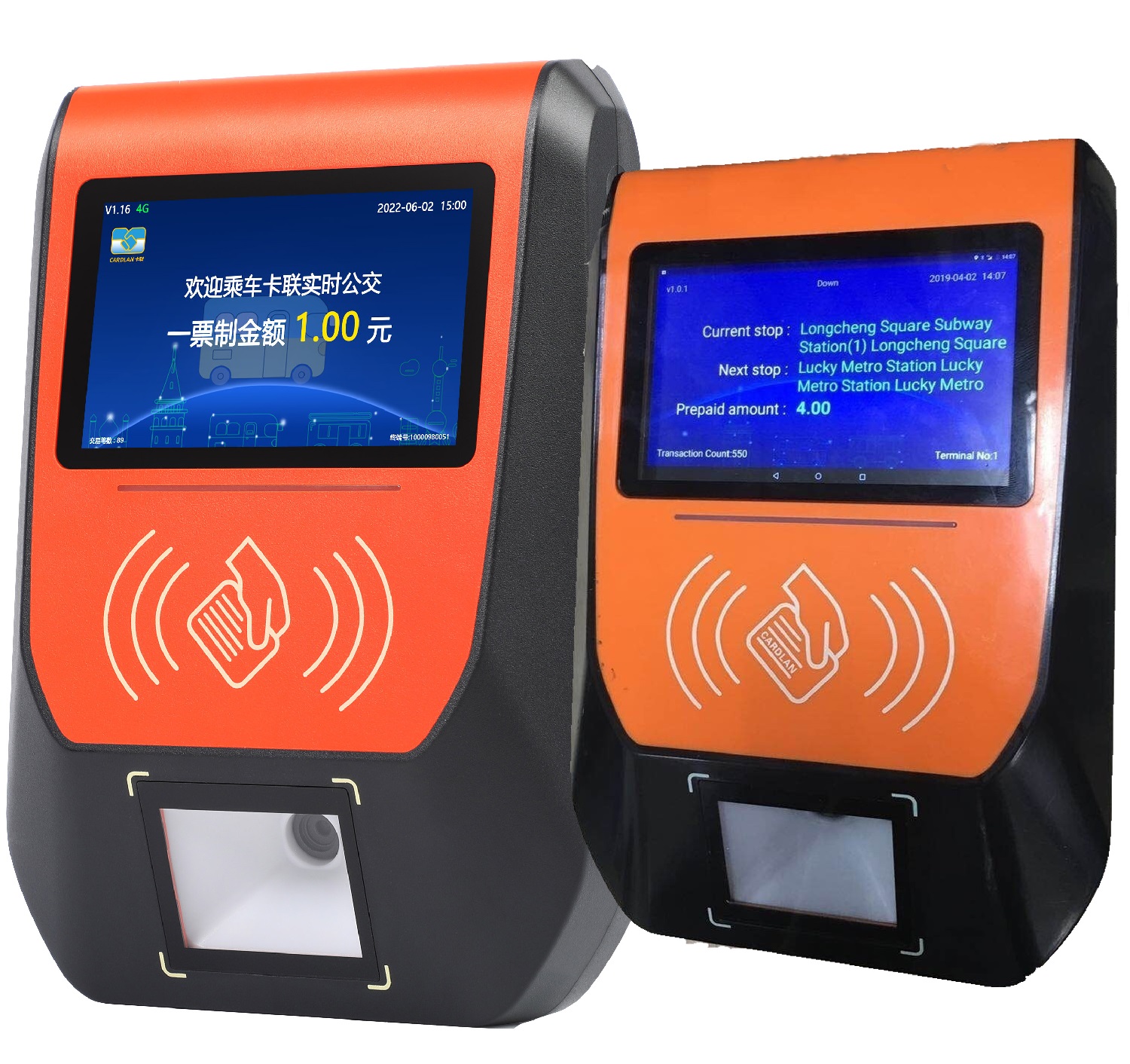 Cardlan Validator support SDK and API for development