1. Core Verification Methods
-
Card Swiping
- Employees use company badges/IC cards for identity validation (success prompt for authorized staff; access denial for others).
- Offline operation: Temporarily stores data without network, auto-syncs when connected.
- Deduction function: Auto-charges preloaded balances for contractors/outsourced personnel.
-
Dynamic QR Codes
- Employees generate refreshable codes (per-minute update) via WeCom/DingTalk; scanners prevent screenshot spoofing.
- Limits: 2 concurrent logins per account to deter resale.
-
Facial Recognition (Optional)
- Accelerates authentication and payment via face scanning.
2. Management Capabilities
-
Granular Access Control
- Configures route permissions by department/role (e.g., executives access cross-route services); auto-revokes access upon resignation.
- Supports allowlists/blocklists to prevent unauthorized riders.
-
Data Analytics & Dispatch Optimization
- Tracks real-time boarding counts and vehicle occupancy for route adjustments.
- Integrates GPS and reservation data for intelligent shuttle scheduling.
-
Anomaly Detection
- Alerts triggered by repeated card swipes; GPS-binds devices to vehicles to deter misuse.
⚙️ 3. Technical Features
-
Flexible Deployment
- Operates online/offline with 10-year chip data retention.
- Sealed design for harsh environments.
-
System Integration
- Syncs swiping/scanning with attendance records; auto-generates Commuting Reports.
- GPS linkage: Real-time vehicle tracking and ETA queries for employees.
4. Business Value
- Cost Efficiency: Case study shows 25-35% rental cost shared by employees; 70% wait time reduction.
- Leakage Prevention: Dynamic codes + permission controls eliminate unauthorized usage.
Case Study: Logistics park deployment reduced average wait time from 18 to 5 minutes with 90% fewer complaints.
The system supports hybrid solutions (card/QR/face recognition) tailored to enterprise scales and objectives (e.g., cost-sharing models, priority lanes).

 Why do some buses have only one card reader while others have two?
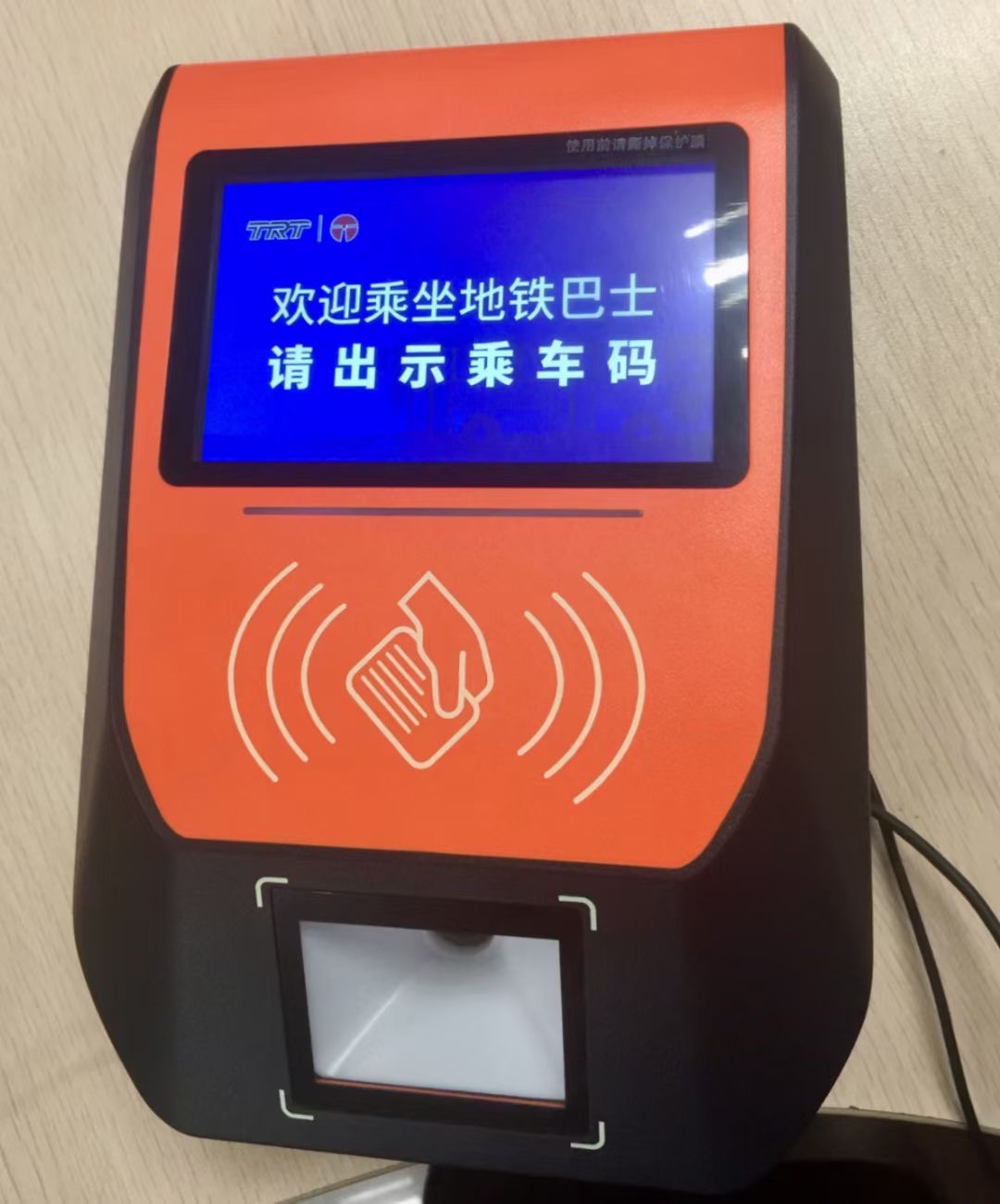 Can Bus Zonal Fare Collection Be Applied to Metro Systems?
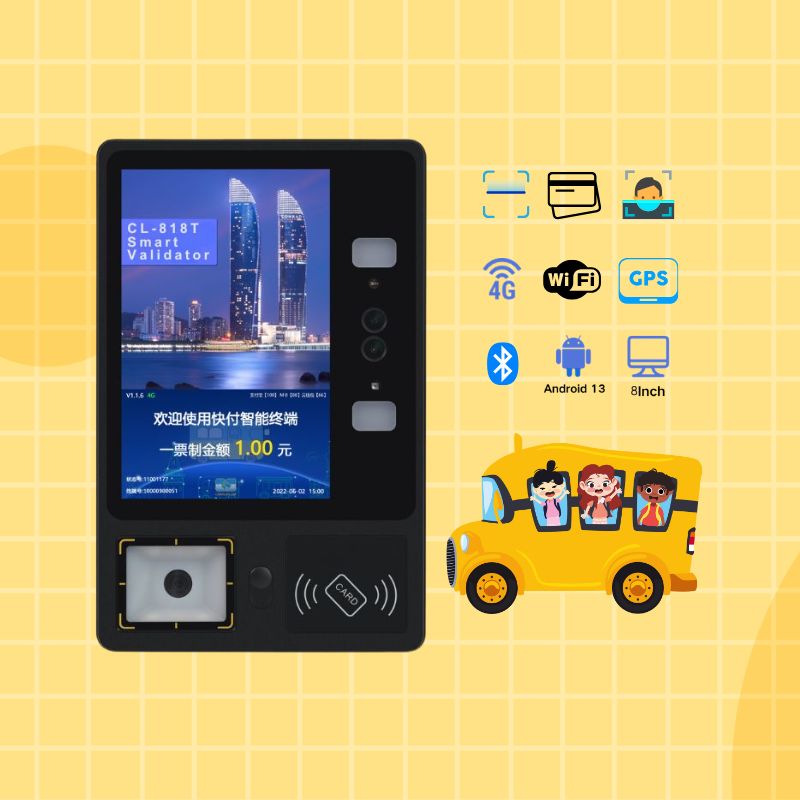 In which fields can prepaid cards be used for bus card readers?
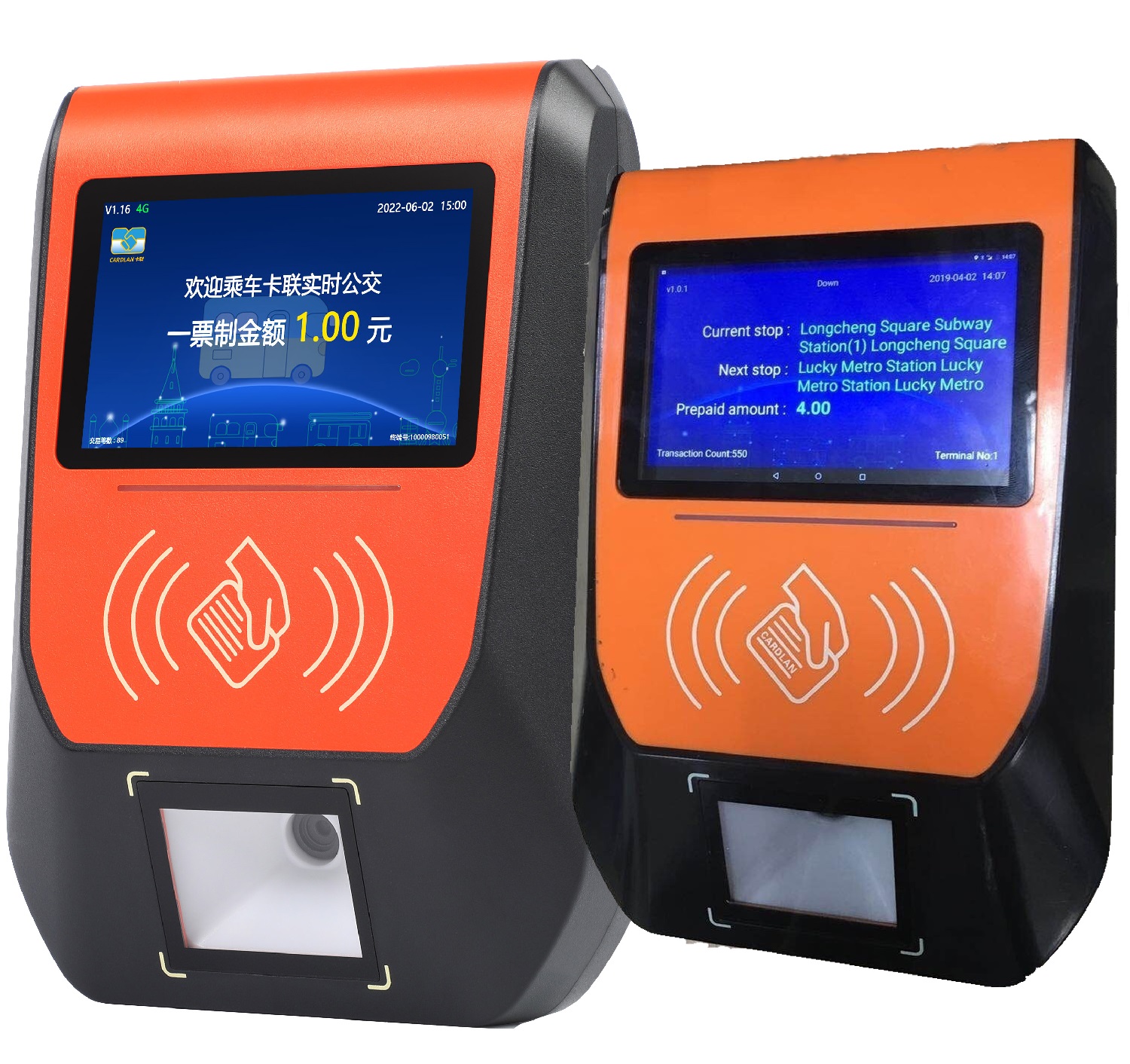 Cardlan Validator support SDK and API for development