
Real-time Data Transmission
Ticketing Information Synchronization: Records of fare payments (e.g., WeChat, Alipay, IC card transactions) are uploaded to the backend in real time via WiFi, preventing data backlog and improving settlement efficiency.
Vehicle Location Monitoring: Integrated with GPS/BeiDou modules, real-time transmission of vehicle location and driving trajectories supports backend dispatching and route optimization.
Remote Management and Upgrades
Remote Parameter Deployment: Enables backend remote updates of fare tables, route information.
Firmware Upgrades: Batch deployment of system updates via WiFi reduces manual maintenance costs.
Multi-source Data Integration
Video Surveillance Transmission: Security footage from onboard cameras can be transmitted in real time to monitoring centers (requiring 4G/5G routers), enhancing public safety response capabilities.
Health Code Verification: Upgraded systemsuse WiFi connectivity to verify passengers’ nucleic acid status, automatically issuing alerts for expired results.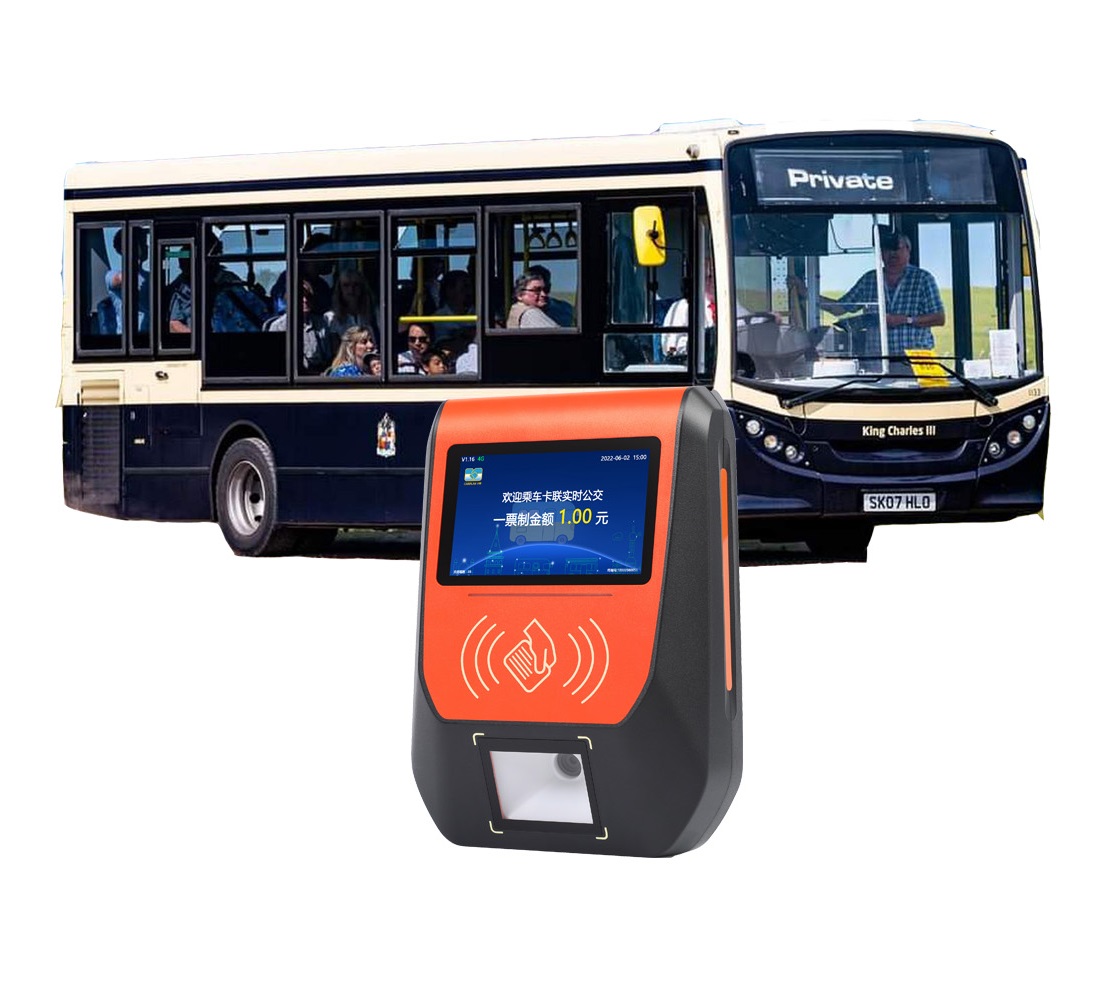
⚠️ II. Key Limitations and Challenges
Network Stability Issues
Mobile Environment Interference: Signal interruptions or delays occur during vehicle movement due to tunnels, high-rise obstructions, or base station handovers .
Bandwidth Bottlenecks: Early 3G/4G networks struggled with concurrent multi-device data (e.g., video surveillance + ticketing data), requiring 5G or dual-SIM aggregation routers for mitigation.
High Deployment and Maintenance Costs
Hardware Investment: High unit cost of smart terminals with fleet-wide coverage requirements.
Data and Access Fees: Annual operator data fees and "access fees" paid to bus companies create significant cost pressure.
Fragile Profit Model: Advertising or data service revenue often fails to cover costs, relying on government subsidies or joint ventures.
Security and Compliance Risks
Data Encryption Requirements: Compliance with Ministry of Public Security’s "Level 3 Cybersecurity Certification" necessitates end-to-end encryption, increasing hardware complexity .
Transmission Protocol Vulnerabilities: Public WiFi risks hijacking, requiring dedicated APNs or VPN tunnels for isolation (e.g., GPRS private network solutions).
Compatibility and Coverage Limitations
Legacy Device Adaptation Difficulty: Some terminals require optional WiFi modules.
Uneven Coverage: Priority deployment on high-passenger routes leaves remote areas underserved long-term.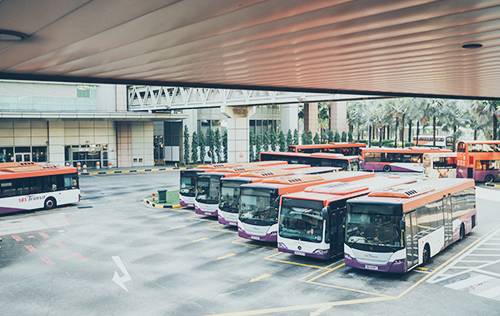
WiFi in bus fare systems serves as the "data artery" of intelligent transportation, delivering significant value in real-time operations and remote management. However, network instability, cost pressures, and security risks remain key bottlenecks. Future solutions demand:
5G technology upgrades,
Government-enterprise cost-sharing (e.g., waiving access fees),
Edge computing (local preprocessing to reduce bandwidth dependency),
while exploring dual-profit models.
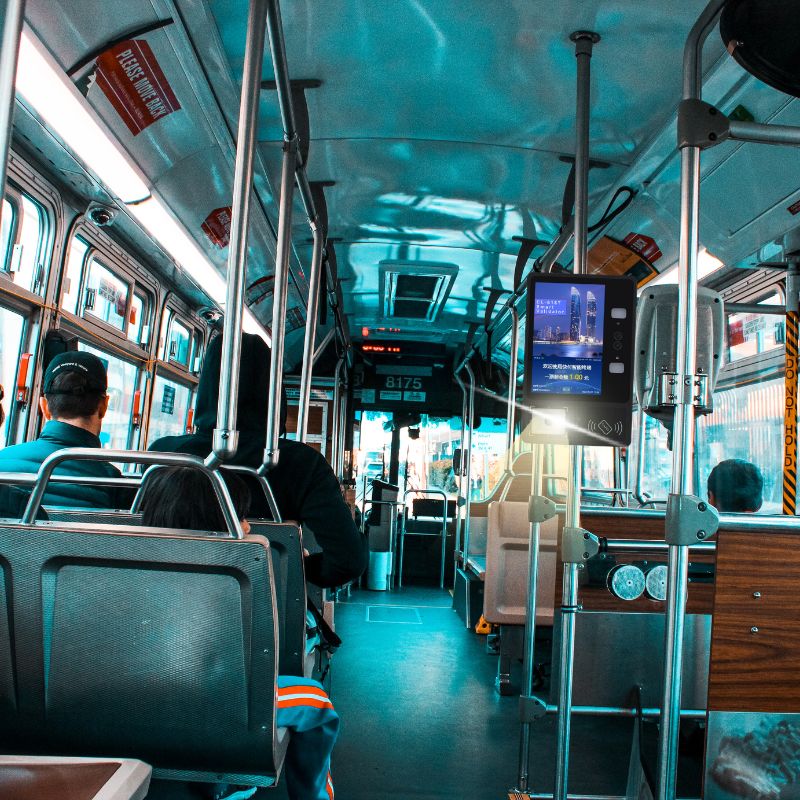 Why do some buses have only one card reader while others have two?
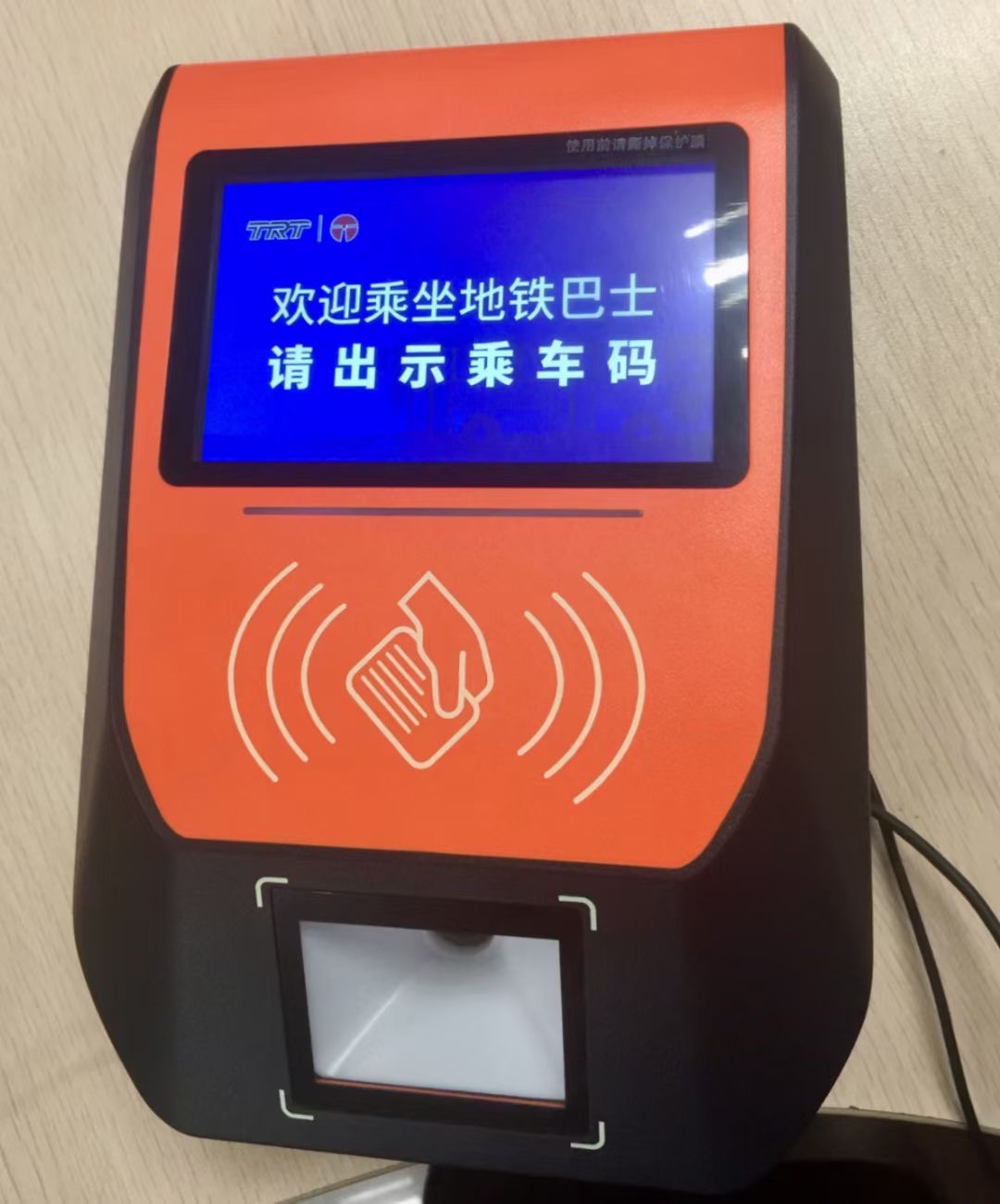 Can Bus Zonal Fare Collection Be Applied to Metro Systems?
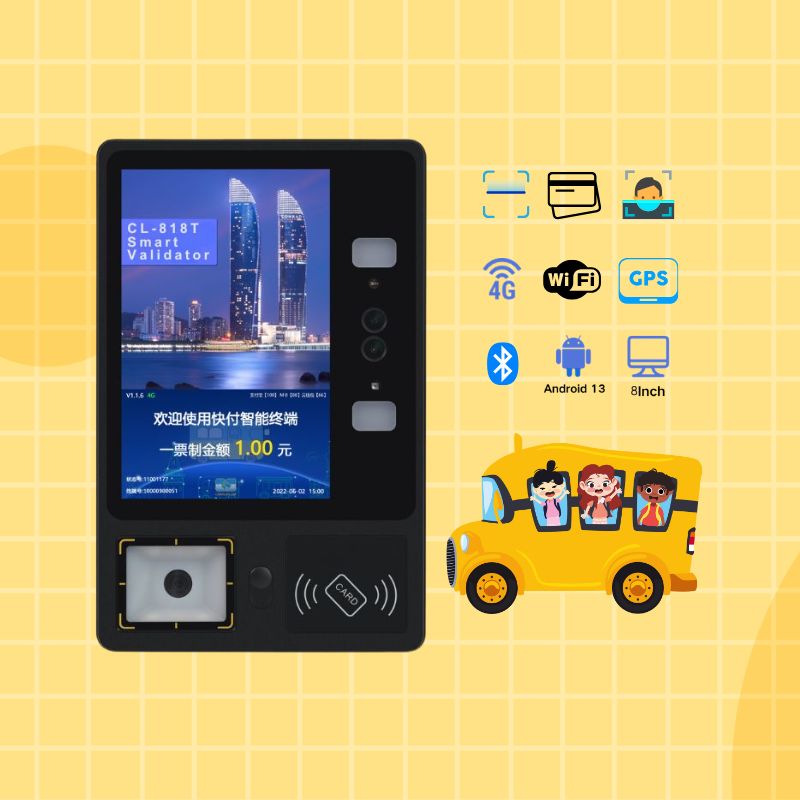 In which fields can prepaid cards be used for bus card readers?
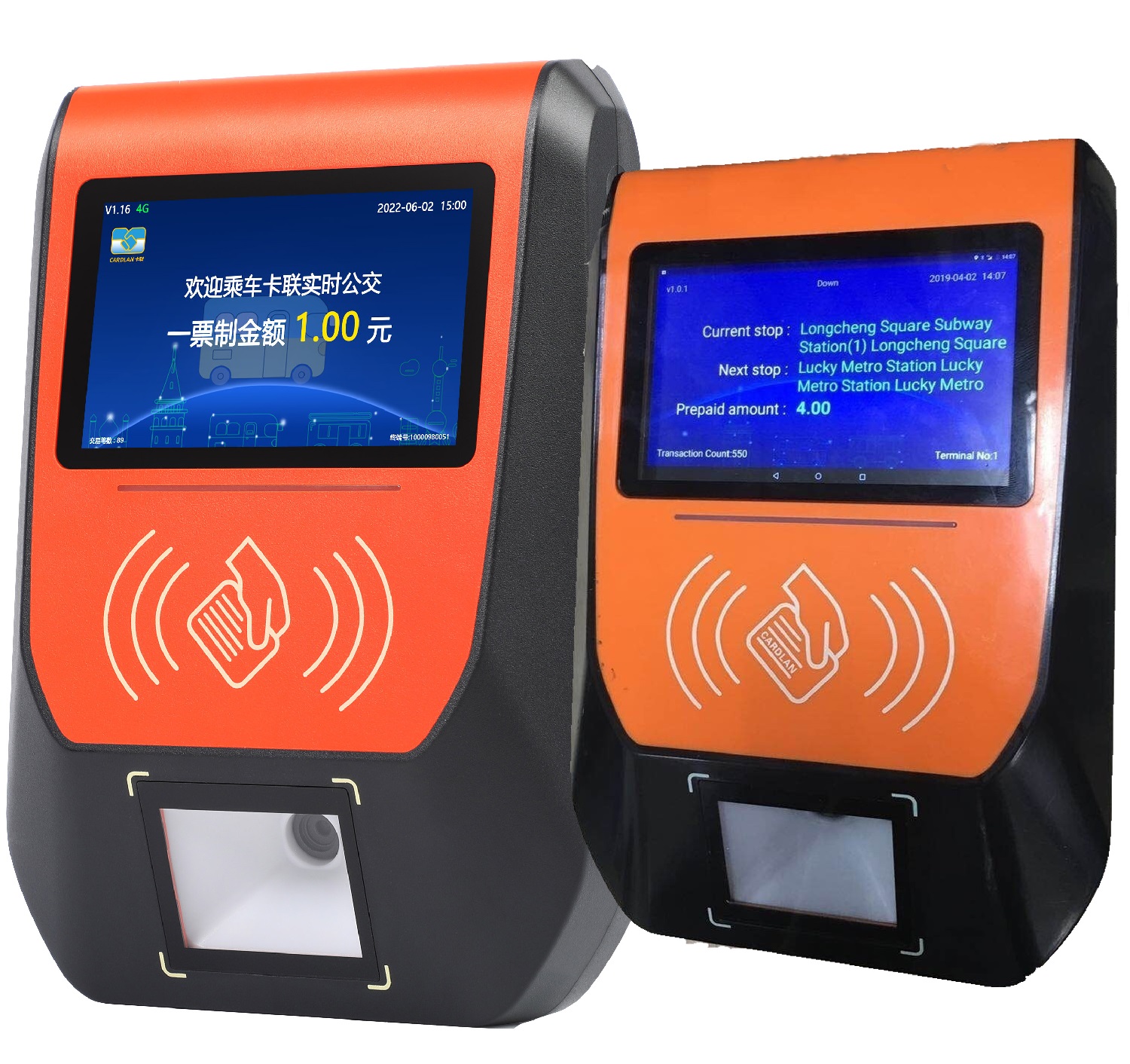 Cardlan Validator support SDK and API for development