
Analysis of Core Architecture and Application Scenarios of School Bus System

Views : 7145
Author : Kathy
Update time : 2025-05-27 10:25:14

I. Identity Verification and Dynamic Monitoring

  1. Multi-modal Identity Verification

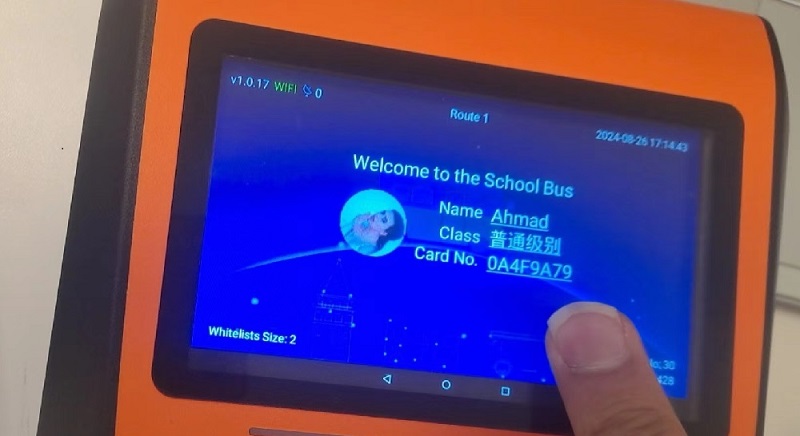
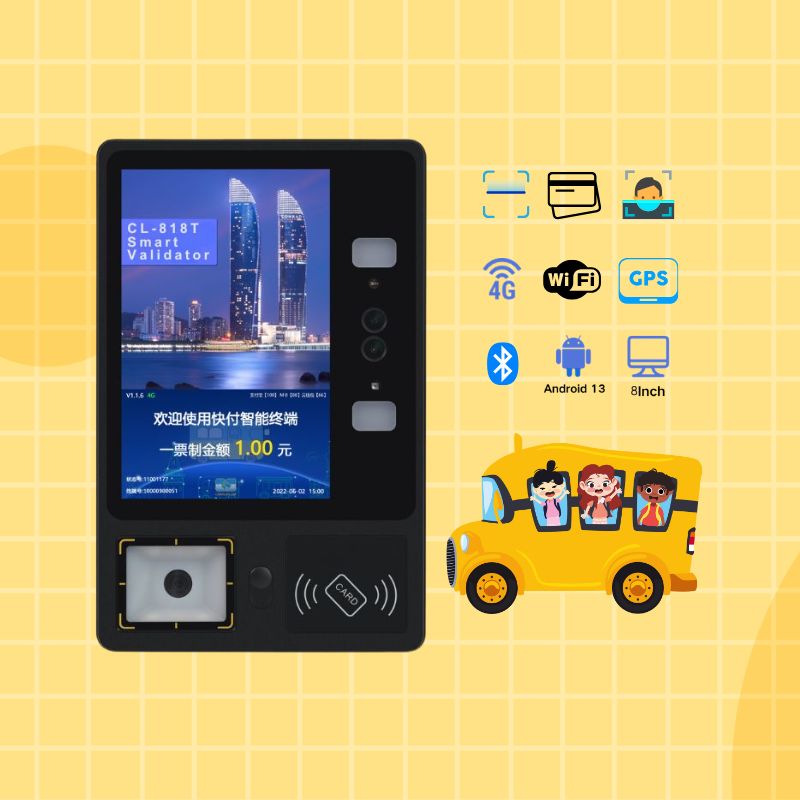
    • Students authenticate boarding/alighting via ‌smart IC cards‌ or ‌facial recognition‌, with dual-mode flexibility for scenarios like peak-hour contactless passage 2][4][7.
    • Verification speed: ‌0.3 seconds per person‌, with real-time photo capture and push notifications to parents (some systems include temperature screening) 4][7.
  2. GPS Real-time Tracking and Route Management
    • Buses equipped with ‌BeiDou + GPS dual-mode positioning‌ modules. Parents and administrators can monitor live vehicle locations, estimated arrival times, and historical routes via WeChat or apps 2][5][8.
    • Geo-fencing‌ triggers alerts for route deviations or speeding, with voice prompts to drivers 4][7.
    •  

II. Parent and Management Features

  1. Parental Monitoring and Alerts

    • Parents receive ‌arrival reminders‌, boarding/alighting photos, and temperature data. Custom geo-fencing notifies them when students enter/exit designated zones 2][
      .
    • Stranded student alerts‌ are sent to parents and drivers if students miss boarding or remain onboard post-trip 5][8.
  2. Data Analytics and Operational Optimization

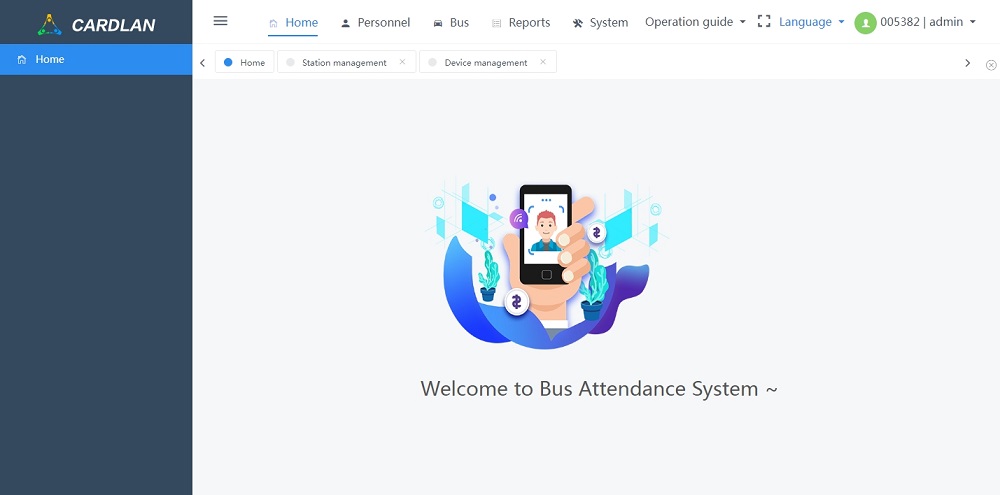
    • Admin dashboards auto-generate ‌attendance reports‌ (daily ridership, absentees) and operational metrics (punctuality, trip duration) with visualizations 2][6][8.
    • Historical data optimizes routes, adjusts stops, and reduces idle driving via dynamic scheduling .

III. Example System Configuration

python
# School Bus Terminal Integration (Reference: Honghua, Wanshicheng solutions) class SchoolBusSystem: def __init__(self): self.auth_mode = ["IC Card", "Facial Recognition"] # Dual verification $3][4$ self.gps_module = "BeiDou + GPS Dual-mode" # <5m accuracy $6][7$ self.communication = "4G/5G Wireless" # Real-time cloud sync $7$ def parent_notification(self): # Push content: location, photo, temperature, ETA return {"type": "WeChat/APP Push", "content": "encrypted_data"} # AES-256 encryption $4][8$
IV. Performance Outcomes

  • University Case Study‌: "Card + Facial Recognition" reduced peak-hour boarding time by ‌60%‌ and parent wait times by ‌40%‌ 2][6.
  • Safety Improvement‌: Geo-fencing and (stranded alerts) cut regional school bus incidents by ‌92%‌ 4][5.

(Note: Code examples illustrate logic; actual implementation requires hardware and protocol adjustments.)
Related News
Read More >>
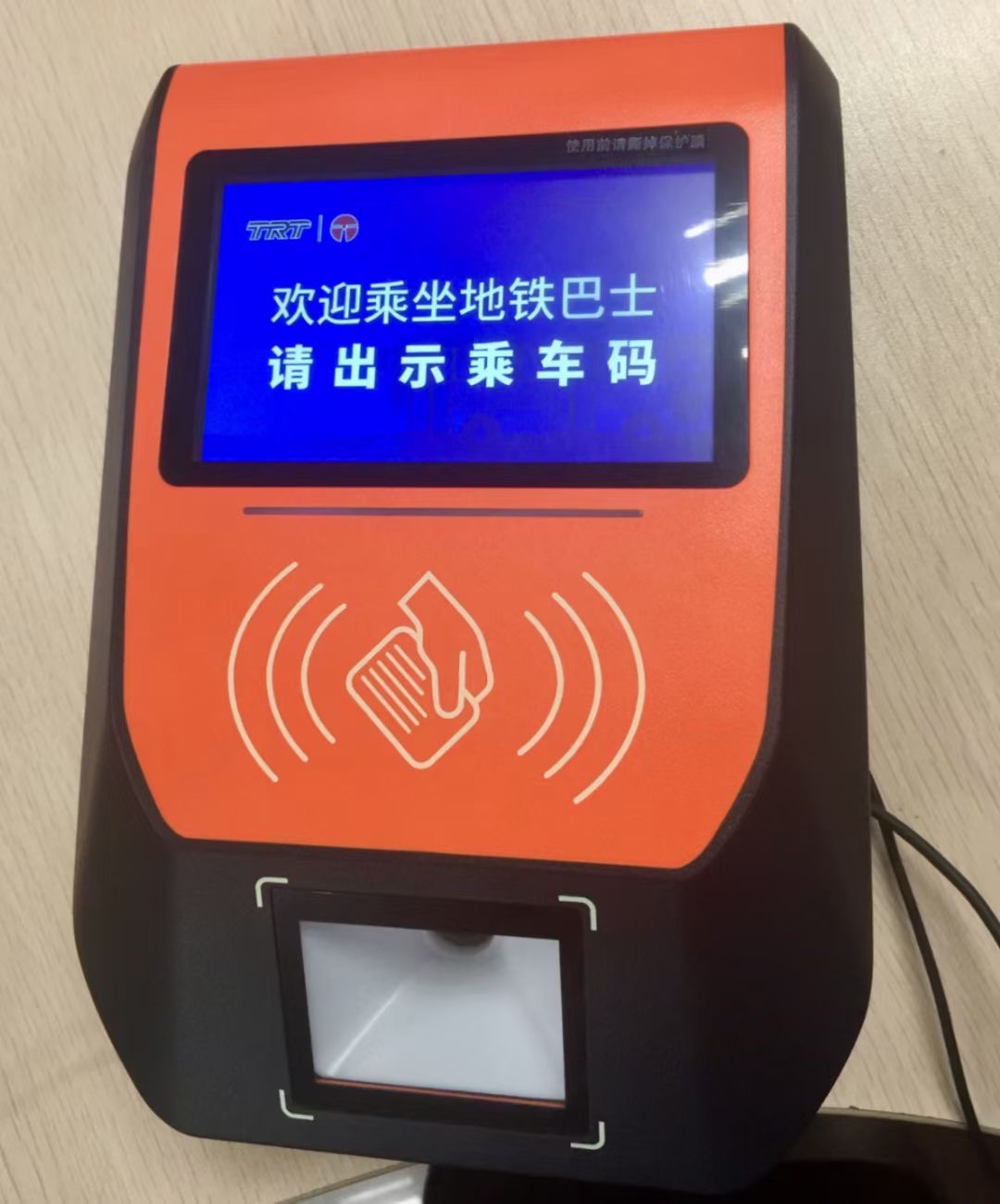
Why do some buses have only one card reader while others have two? Why do some buses have only one card reader while others have two?
Apr .09.2026
Whether a bus is equipped with one or two card readers mainly depends on the fare calculation method of the route: single-fare routes usually only require passengers to tap their cards once when boarding, so one card reader is sufficient; while distance-based fare routes require passengers to tap their cards both when boarding and alighting to calculate the actual trip cost, hence two card readers are needed.
‌Can Bus Zonal Fare Collection Be Applied to Metro Systems? ‌Can Bus Zonal Fare Collection Be Applied to Metro Systems?
Apr .02.2026
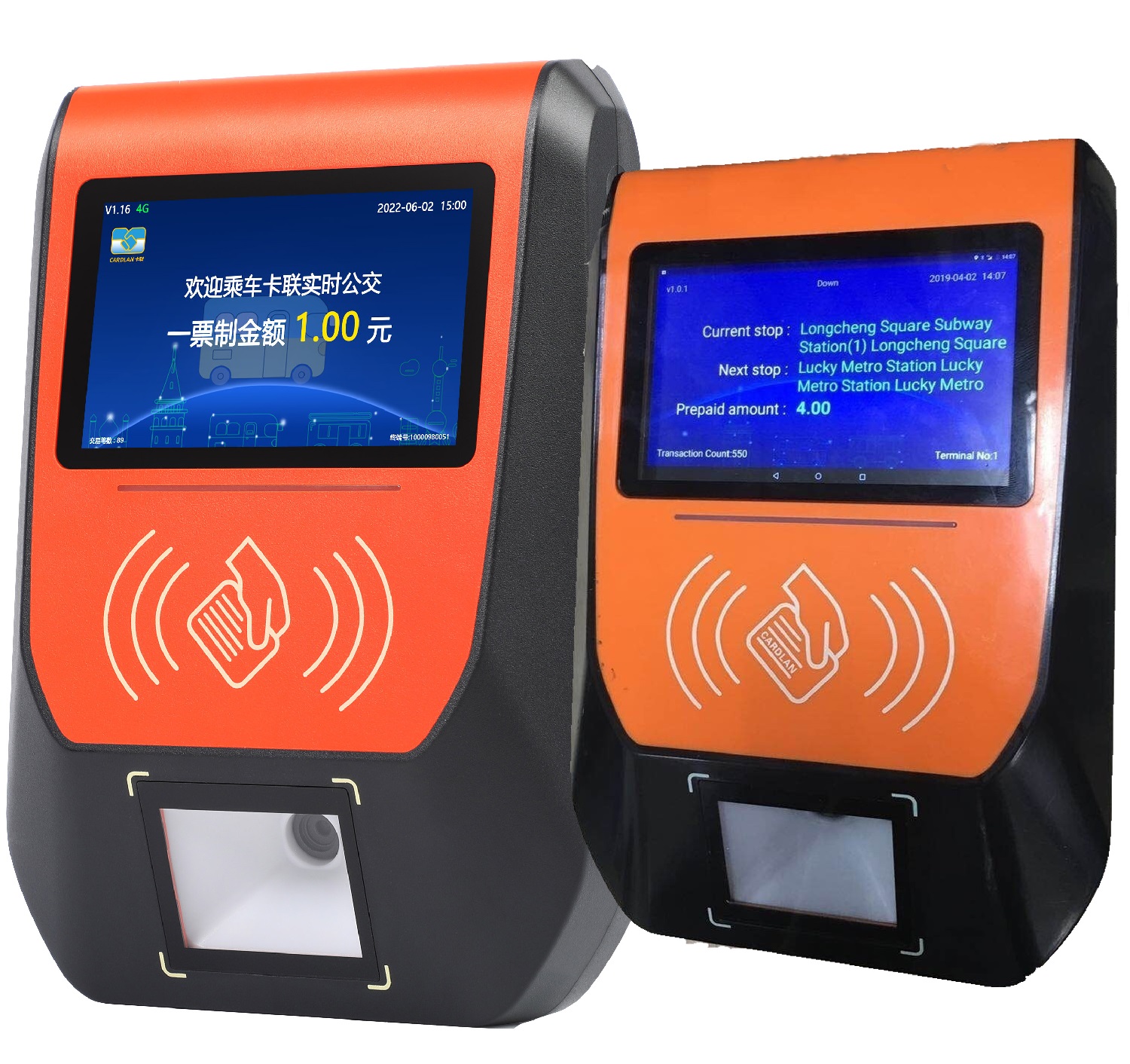
Cardlan Zonal fare collection support tap on and tap out to realize station fare collection.
In which fields can prepaid cards be used for bus card readers? In which fields can prepaid cards be used for bus card readers?
Mar .30.2026
The usage scope of prepayment cards varies by type—single-purpose, multi-purpose, and industry-specific—and extends to travel, salary disbursement, gifts, online payments, financial inclusion, and transportation with retail and tourism integration.
Cardlan Validator support SDK and API for development Cardlan Validator support SDK and API for development
Mar .27.2026
Cardlan's bus card readers explicitly support secondary development and integration, and provide SDKs and API interfaces‌ for system integration and feature customization.