Analysis of Bus Card Reader and Barrier Gate Operation Mode

Views : 6961
Author : Kathy
Update time : 2025-05-12 15:52:47

I. Technical Principles and Operational Models of Bus Card Readers

  1. Technical Architecture

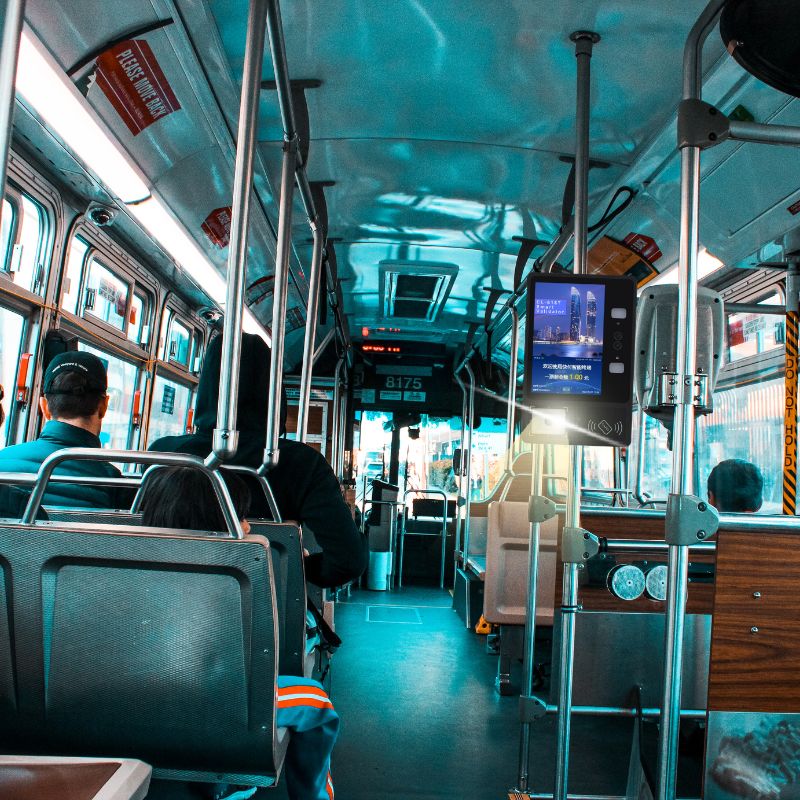
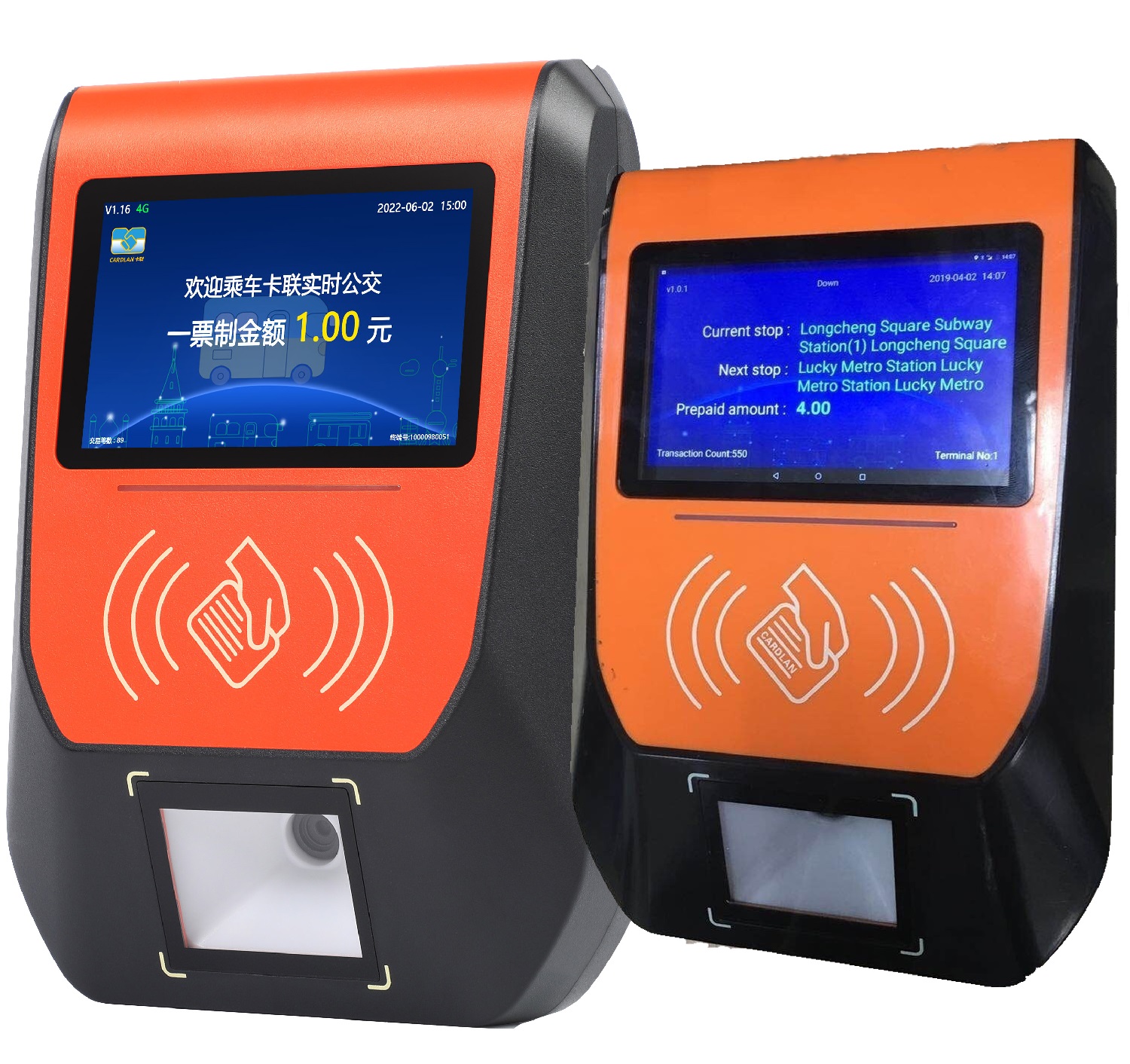
    • Bus card readers utilize contactless IC card technology, transmitting data via radio frequency identification (RFID). The system consists of onboard readers, backend management systems, and user cards. Chips harvest energy through electromagnetic induction to enable data exchange and transaction verification, supporting multimodal payment methods such as transit cards, bank cards, and mobile virtual cards.
    • Core technologies include:
      • Card Reading Module‌: Compatible with multiple card types, capable of processing 100,000 transactions per second (high-concurrency capability);
      • Redundant Design‌: Weather-resistant hardware (e.g., nano-coated screens for extreme temperatures) ensures device reliability;
      • Data Loop‌: Real-time transmission of transaction records to backend systems, generating operational analytics reports on fares, routes, and peak hours.
  2. Operational Value

    • Efficiency Gains‌: Replaces cash transactions, reducing boarding/alighting time to less than 0.3 seconds per swipe;
    • Data-Driven Insights‌: Analyzes ridership distribution, peak hours, and route utilization to optimize transit networks (e.g., Changzhou’s bus system improved operational efficiency by 43.02% through data analytics);
    • Value-Added Services‌: Integrates with advertising systems (e.g., dynamically adjusting digital billboards based on passenger flow) to create a "payment-data-commerce" ecosystem.
    •  

II. Applications and Innovations in Gate Systems

  1. Core Functions

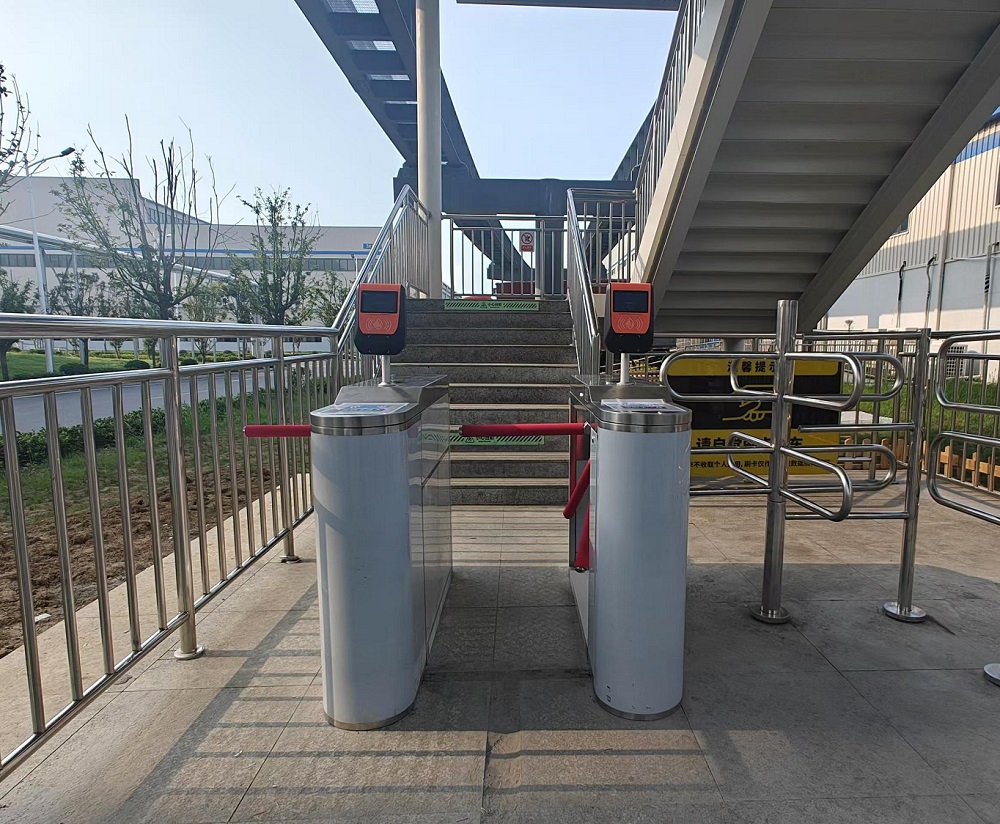
    • Access Control‌: Supports dual-mode verification (card/QR code) and computer vision for frictionless access, achieving 2,000 passengers/hour during peak times.
    • Safety Mechanisms‌: Behavior recognition algorithms detect risks (e.g., loitering or逆行) and trigger alerts.
  2. Operational Innovations

    • Dynamic Response‌: Integrates with demand-responsive transit (DRT) systems, enabling on-demand vehicle dispatching (e.g., Wuxi’s dynamic buses achieve a 3–5 minute response time);
    • Resource Integration‌: In transit hubs, gate systems unify metro, bus, and bike-sharing services under a "one-code access" model for seamless transfers;
    • Cost Optimization‌: Edge computing reduces data transmission costs, while ride-pooling algorithms (e.g., Wuxi’s 63% ride-pooling rate) minimize empty mileage.

III. Technology Convergence and Future Trends

  1. AIoT Integration

    • Multimodal sensing (computer vision + millimeter-wave radar) enables precise passenger flow analysis, supporting dynamic pricing and flexible scheduling;
    • NLP-powered smart assistants offer real-time route planning and language support;
  2. Sustainability

    • Solar-powered gates reduce carbon footprints;
    • Blockchain ensures payment security and enables cross-city interoperability of transit cards
    • Through technological iteration and operational innovation, bus card readers and gate systems are evolving from simple payment tools into "sensing-decision-service" intelligent platforms, transforming public transit infrastructure into comprehensive urban service ecosystems. 
Related News
Read More >>
Why do some buses have only one card reader while others have two? Why do some buses have only one card reader while others have two?
Apr .09.2026
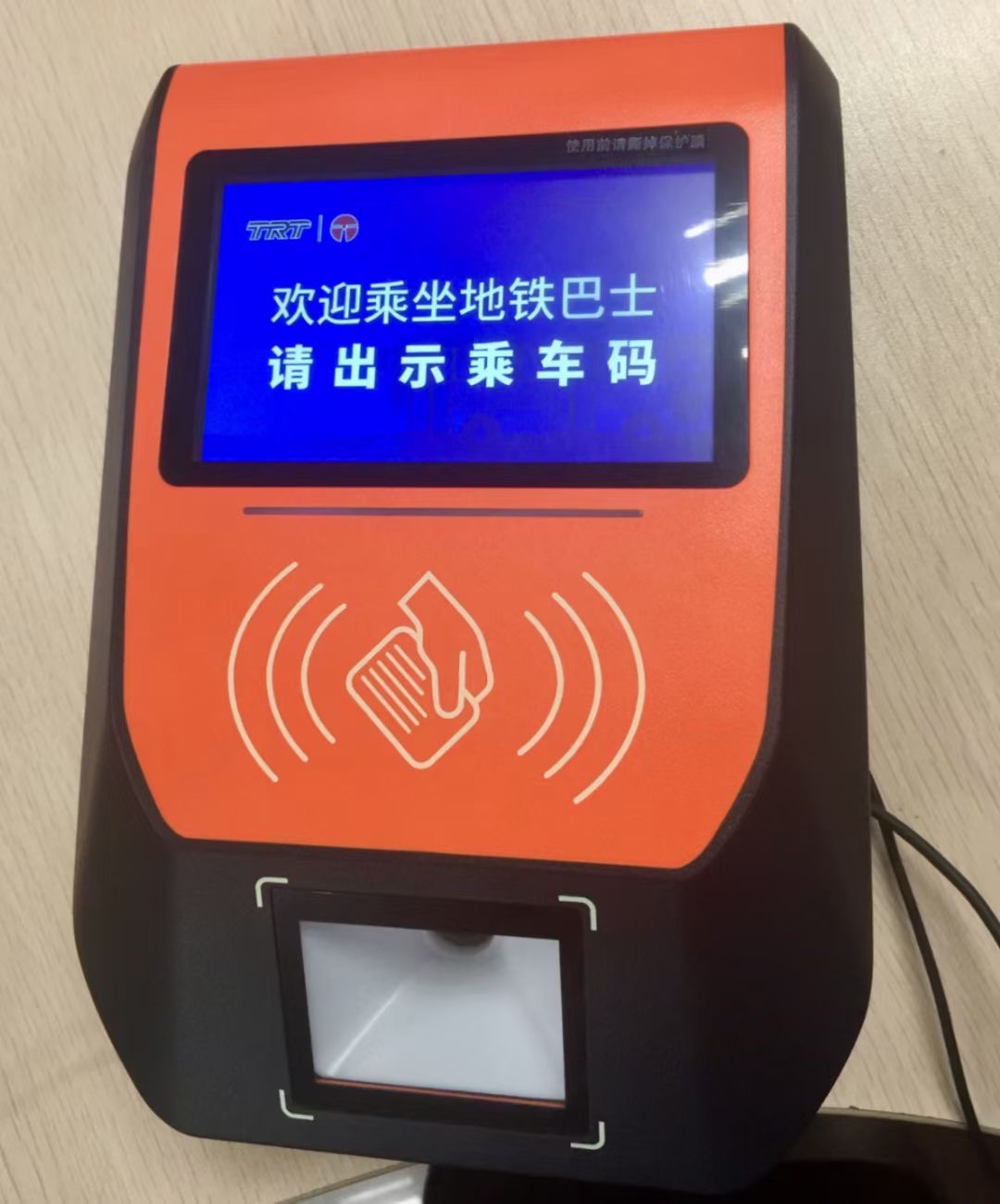
Whether a bus is equipped with one or two card readers mainly depends on the fare calculation method of the route: single-fare routes usually only require passengers to tap their cards once when boarding, so one card reader is sufficient; while distance-based fare routes require passengers to tap their cards both when boarding and alighting to calculate the actual trip cost, hence two card readers are needed.
‌Can Bus Zonal Fare Collection Be Applied to Metro Systems? ‌Can Bus Zonal Fare Collection Be Applied to Metro Systems?
Apr .02.2026
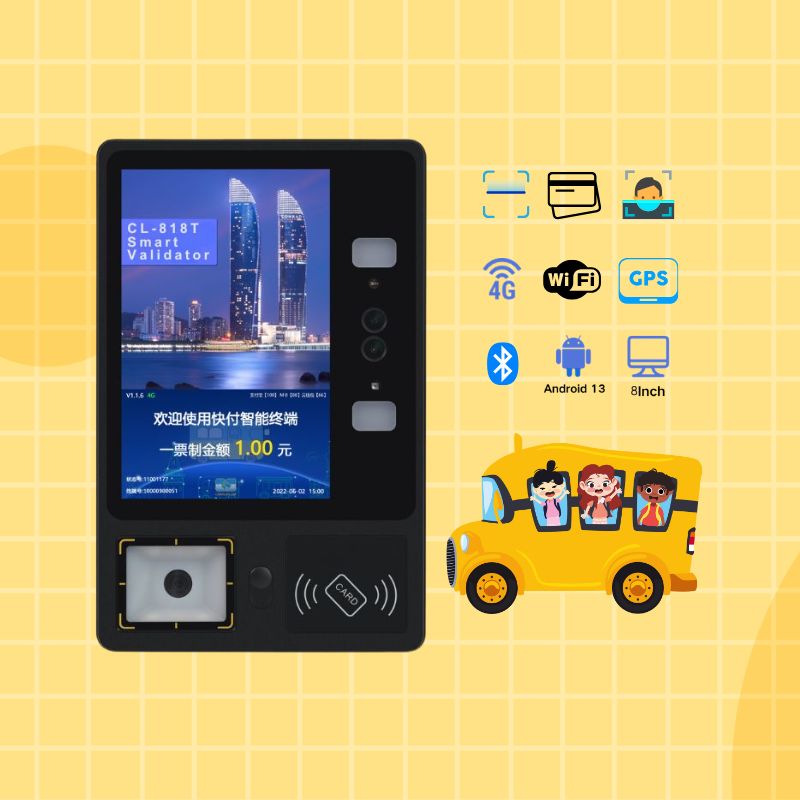
Cardlan Zonal fare collection support tap on and tap out to realize station fare collection.
In which fields can prepaid cards be used for bus card readers? In which fields can prepaid cards be used for bus card readers?
Mar .30.2026
The usage scope of prepayment cards varies by type—single-purpose, multi-purpose, and industry-specific—and extends to travel, salary disbursement, gifts, online payments, financial inclusion, and transportation with retail and tourism integration.
Cardlan Validator support SDK and API for development Cardlan Validator support SDK and API for development
Mar .27.2026
Cardlan's bus card readers explicitly support secondary development and integration, and provide SDKs and API interfaces‌ for system integration and feature customization.