I. Conventional Public Transit Scenarios
-
Multimodal Payment
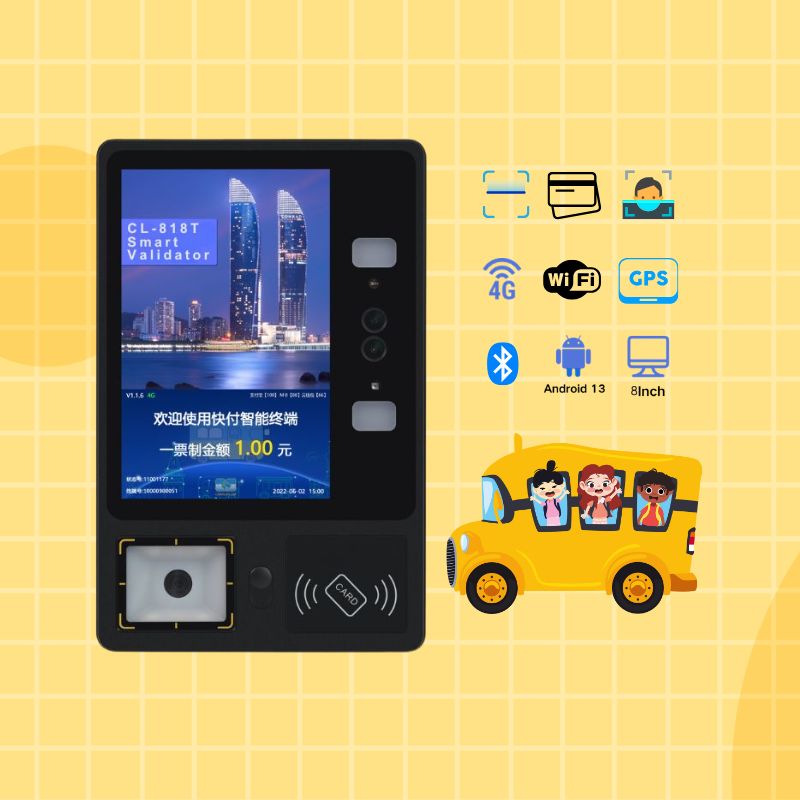
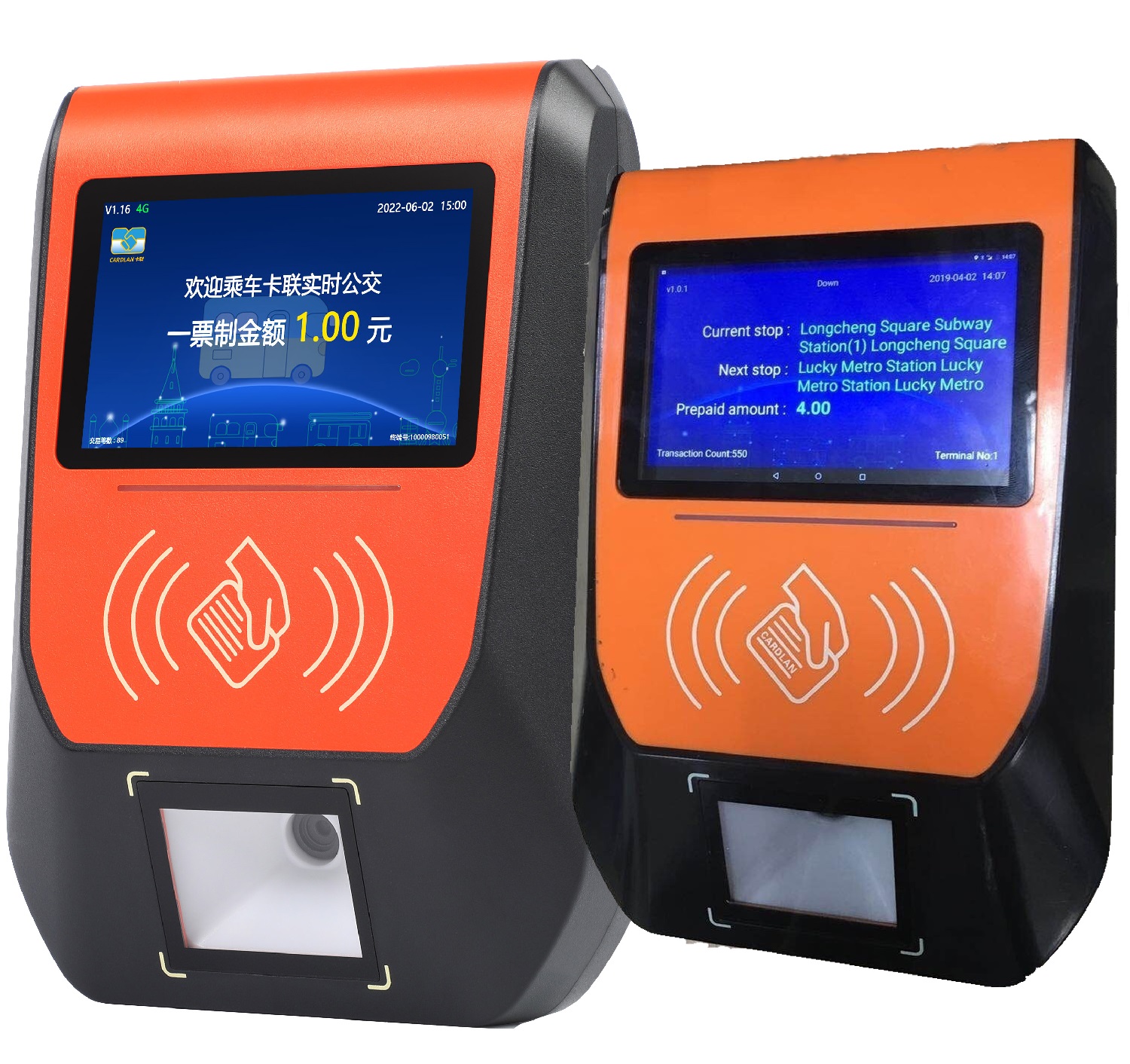
- Supports diverse payment methods including physical transit cards, financial IC cards, mobile virtual cards (NFC), QR codes (Alipay/WeChat), and offline scanning (network-independent).
- Some devices integrate facial recognition modules for "face-swiping" payments, eliminating the need for physical cards or smartphones.
-
Efficient Access & Data Management
- Transaction time per swipe is under 0.3 seconds, alleviating peak-hour crowding and improving operational efficiency.
- Real-time transaction data uploads enable route-specific passenger flow analysis and dynamic scheduling (e.g., adjusting departure intervals).
-
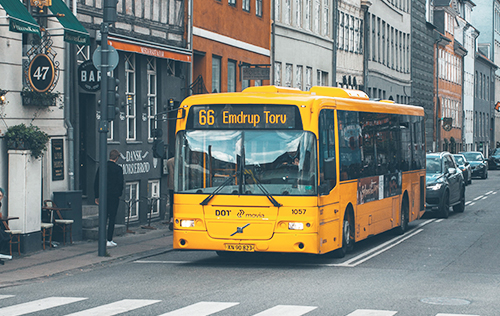
II. Smart Terminal Management Scenarios
-
Access Control in Transit Hubs
- Integrated card readers and gate systems enable "one-code access" for metro stations, BRT platforms, etc., with peak-hour throughput of 2,000 passengers/hour.
- Behavior recognition algorithms detect loitering or reverse movement, triggering security alerts.
-
Temporary Crowd Control
- Deployable gate systems manage pedestrian flow in offices, convention centers, or events, with time-slot or batch access rules (e.g., security checks for large gatherings).
III. Expanded Application Scenarios
-
Value-Added Services Integration
- Payment terminals sync with ad systems to display targeted promotions (e.g., restaurant discounts along commercial routes).
- Financial IC cards enable point redemption for fare discounts or loyalty perks.
-
Smart City Service Extensions
- Self-service kiosks offer card recharge, refunds, and route planning with <0.01% failure rate and 24/7 operation.
- Cross-scene payments via shared accounts (e.g., purchasing convenience store items with transit cards).

IV. Special Population Services
-
Accessibility Enhancements
- Post-boarding payment validation for passengers with mobility challenges or bulky luggage (drivers monitor via onboard cameras)3.
- Simplified facial recognition terminals for elderly users bypass smartphone payment barriers.
-
Emergency Adaptations
-real-name payment data aids pandemic contact tracing.
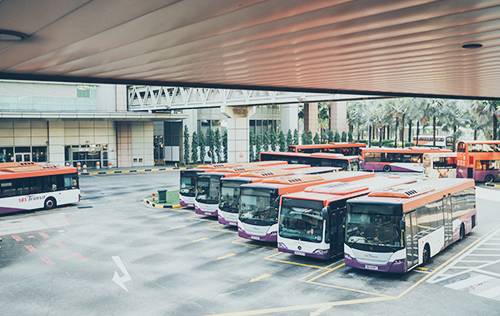
V. Cross-Scenario Innovations
| Application |
Technical Implementation |
Case Study |
| Multimodal Integration |
One-code access + edge computing |
Guangzhou BRT’s “palm-scan payment” system |
| Dynamic Resource Allocation |
Booking system + AI ride-pooling |
Wuxi’s dynamic buses reduce empty mileage by 37% |
| Low-Carbon Operations |
Solar power + blockchain data sharing |
All-electric gates cut carbon emissions at hubs |
Public transit card readers have evolved from basic payment tools into smart nodes for urban services, covering daily commutes, emergency management, personal services, and commercial integration.

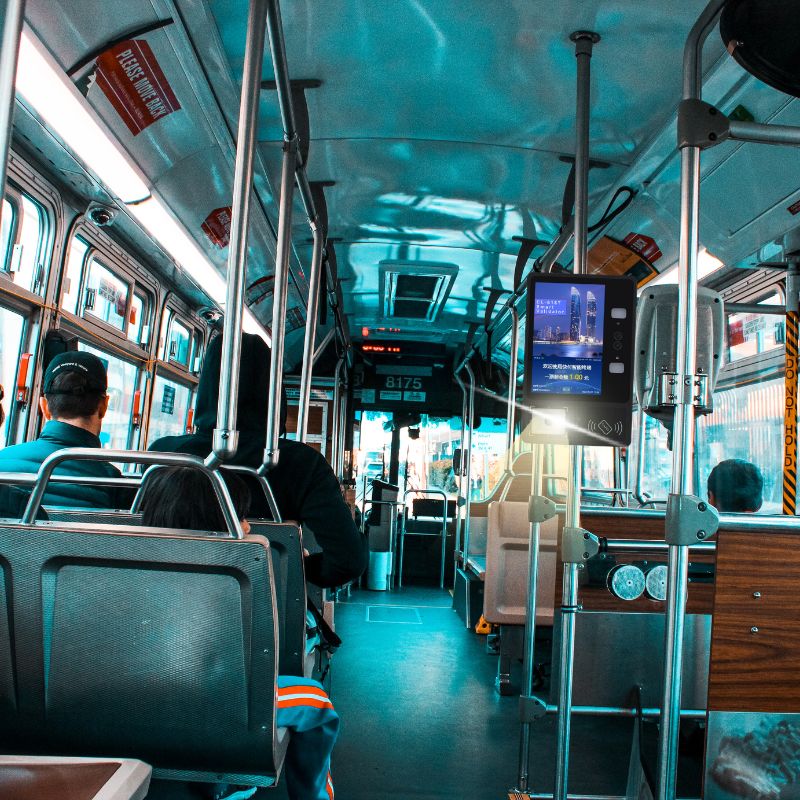 Why do some buses have only one card reader while others have two?
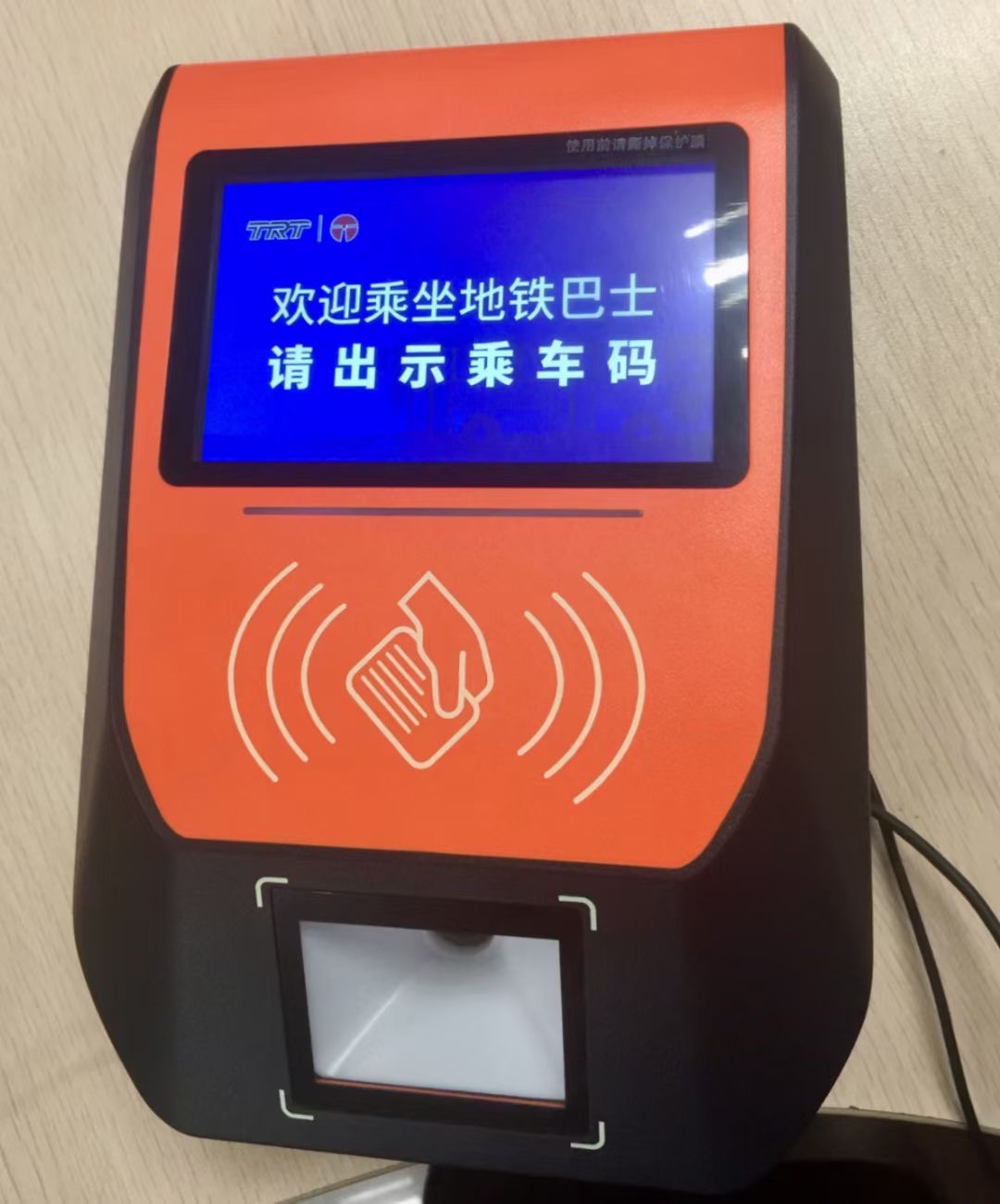 Can Bus Zonal Fare Collection Be Applied to Metro Systems?
 In which fields can prepaid cards be used for bus card readers?
 Cardlan Validator support SDK and API for development