I. Safety Facilities
- In-vehicle Monitoring & Security Systems
Real-time monitoring of abnormal conditions inside/outside the vehicle, analyzing driver fatigue and dangerous driving behaviors with early warnings and dispatch support.
- Anti-collision Features & Handrails
Includes guardrails, seat belts, and interior handholds to prevent passenger falls during sudden braking or turbulence.
- Fire Extinguishers & Emergency Escape Tools
Fire extinguishers are standard, while some vehicles include safety hammers and emergency exit doors.
- Flammable Material Detection
Sensors to detect gasoline, alcohol, and other hazardous liquids with instant alarms.
II. Convenience-Oriented Facilities
- Accessible Facilities
Wheelchair ramps, foldable seats, and designated wheelchair areas for passengers with disabilities.
- Payment Systems
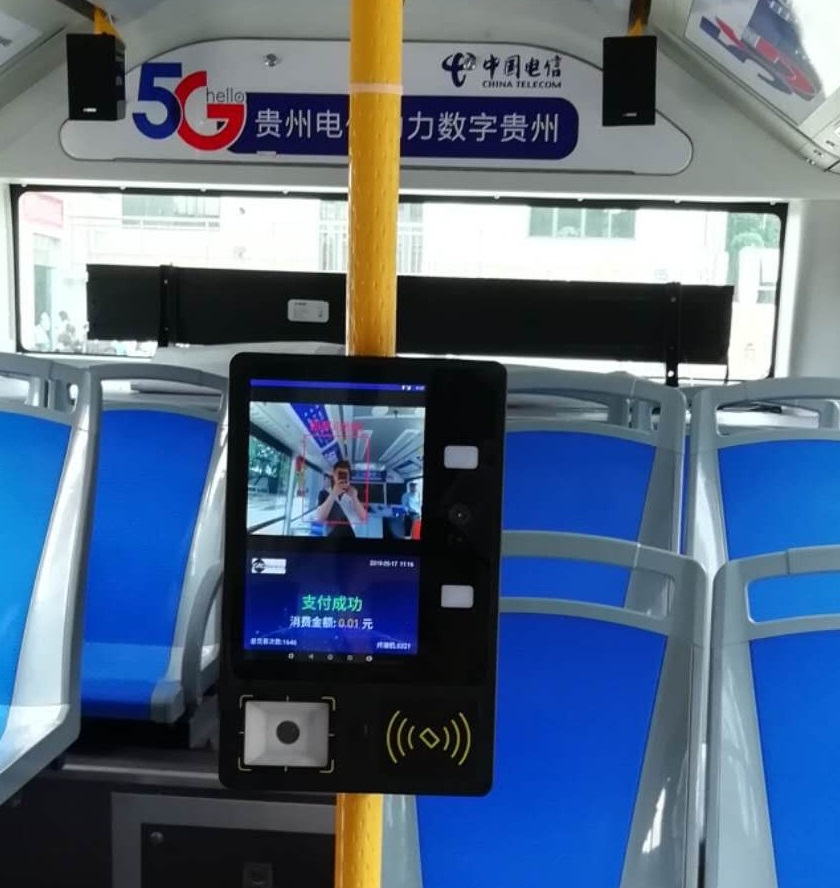
Supports multiple payment methods: transit cards, QR code scanners, etc.
- USB Charging Ports
Battery-powered mobile charging stations with protective covers.
- Priority Seating
Yellow-marked seats near doors for elderly, disabled, pregnant, and child passengers.
III. Passenger Information Systems
- Digital Display Screens
Real-time updates on vehicle location, arrival times, and transfers via LCD/LED screens.
- Voice Announcements
Bilingual stop notifications, safety reminders (e.g., slippery floors in rain), and seating courtesy prompts.
- Route Identification
Front/rear route number plates, interior route maps, and fare charts.
IV. Emergency Equipment
- Emergency Exits & Window-Breaking Tools
Clearly marked emergency exits; some buses feature automatic window-breaking systems.
- First-Aid Kits
Basic medical supplies for emergencies (available in high-end models).
These facilities should standardize safety while prioritizing passenger convenience. Configurations may vary by city or route, with pilot features like accessibility indicator tags in some regions.
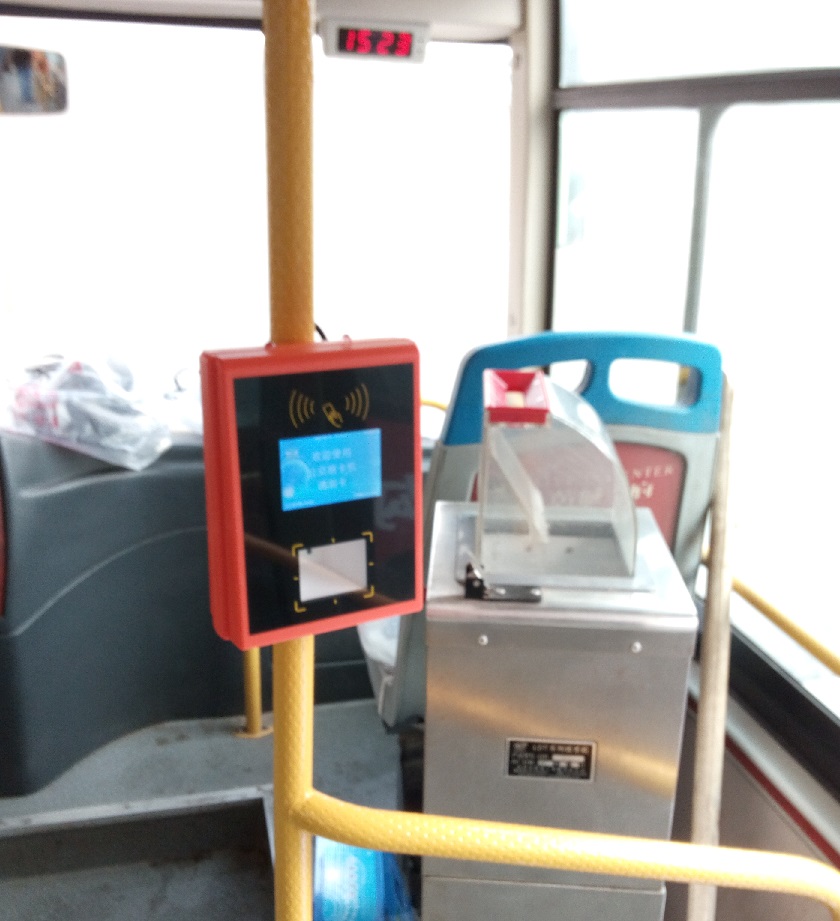
Cardlan can offer bus card readers, which support rfid nfc and qr code payment , and have English version with SDK and API for your secondary development, warm welcome!

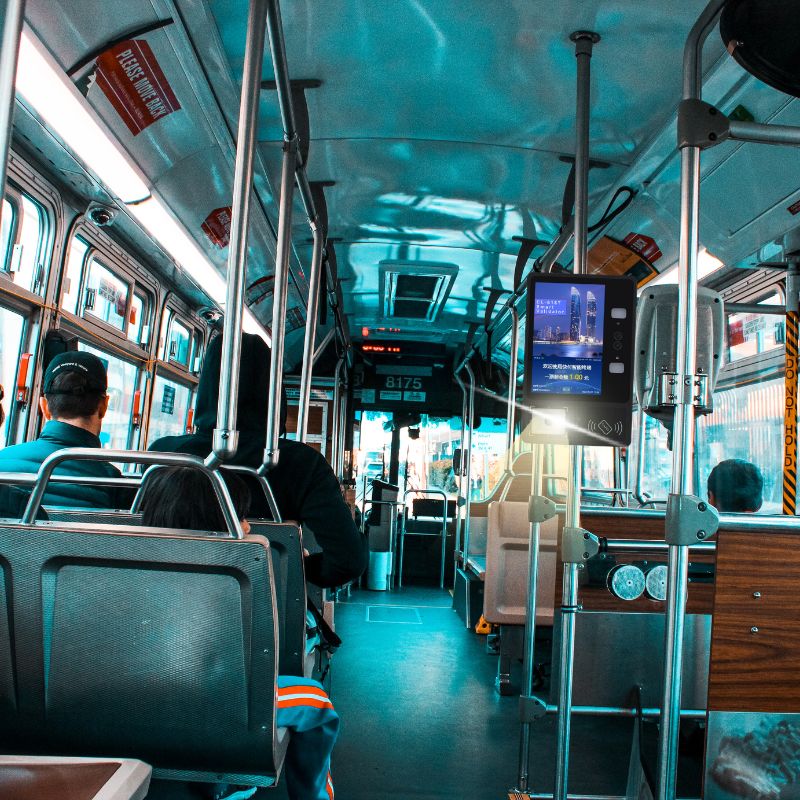 Why do some buses have only one card reader while others have two?
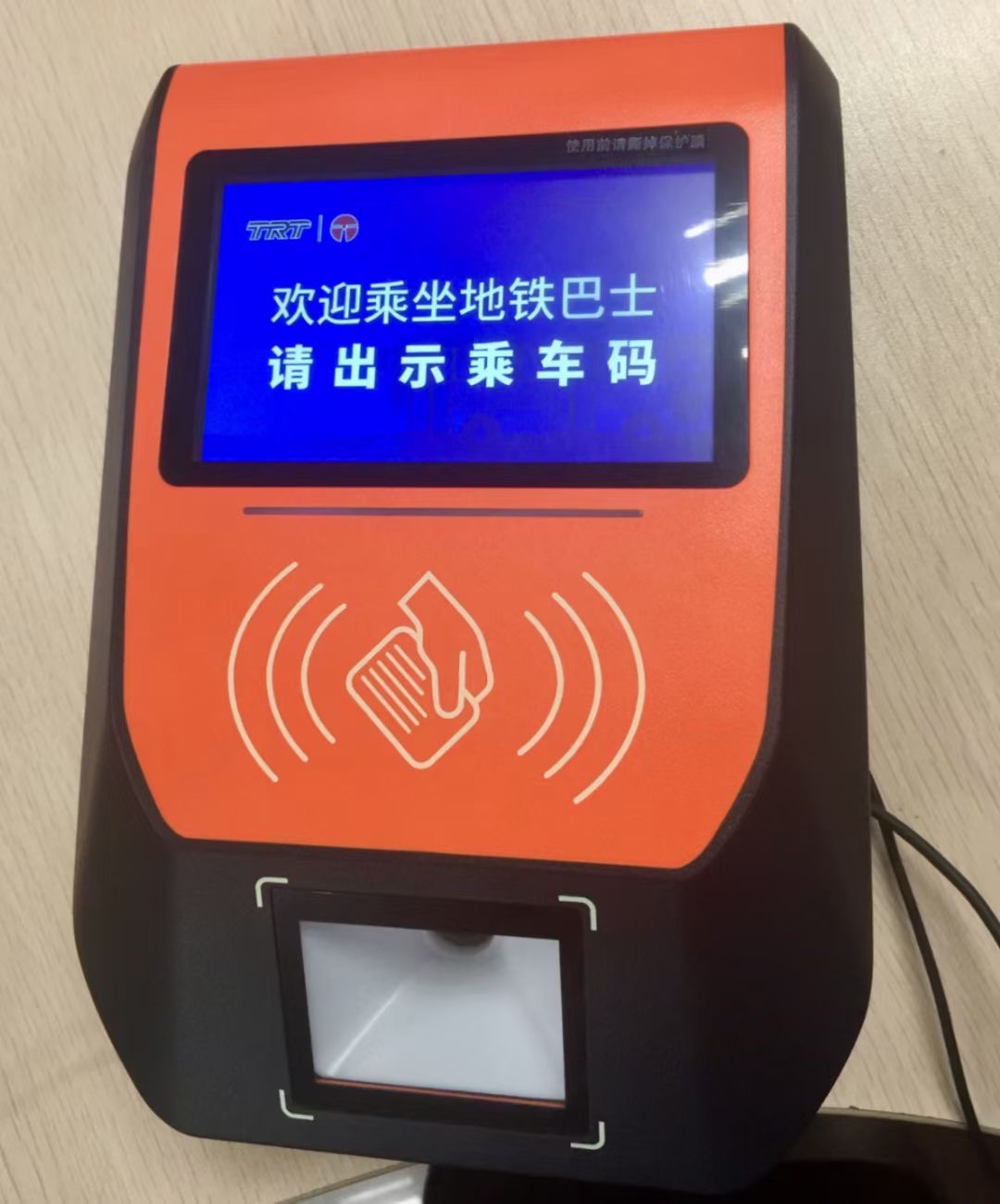 Can Bus Zonal Fare Collection Be Applied to Metro Systems?
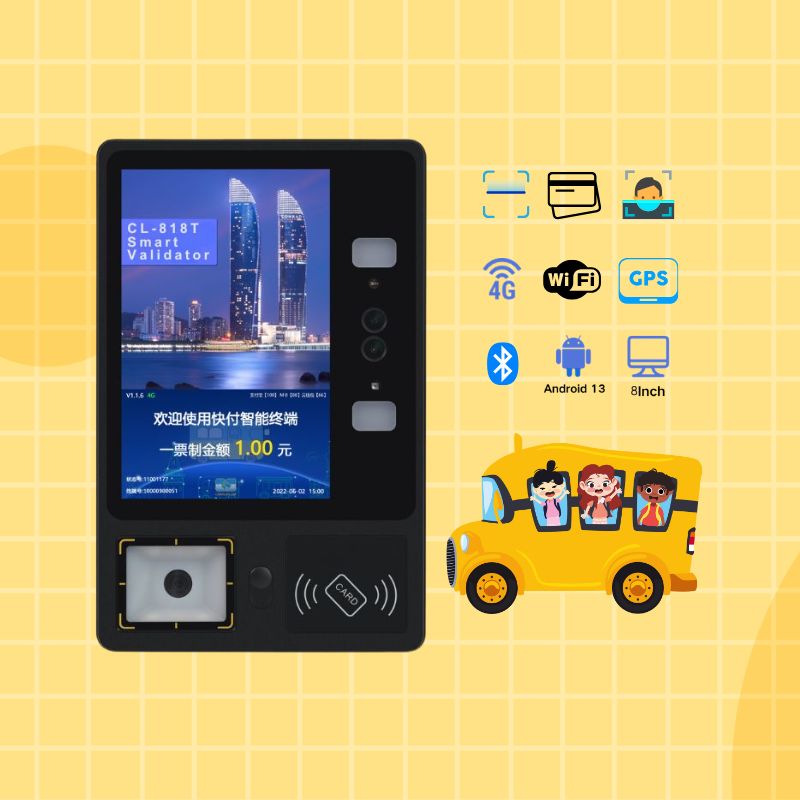 In which fields can prepaid cards be used for bus card readers?
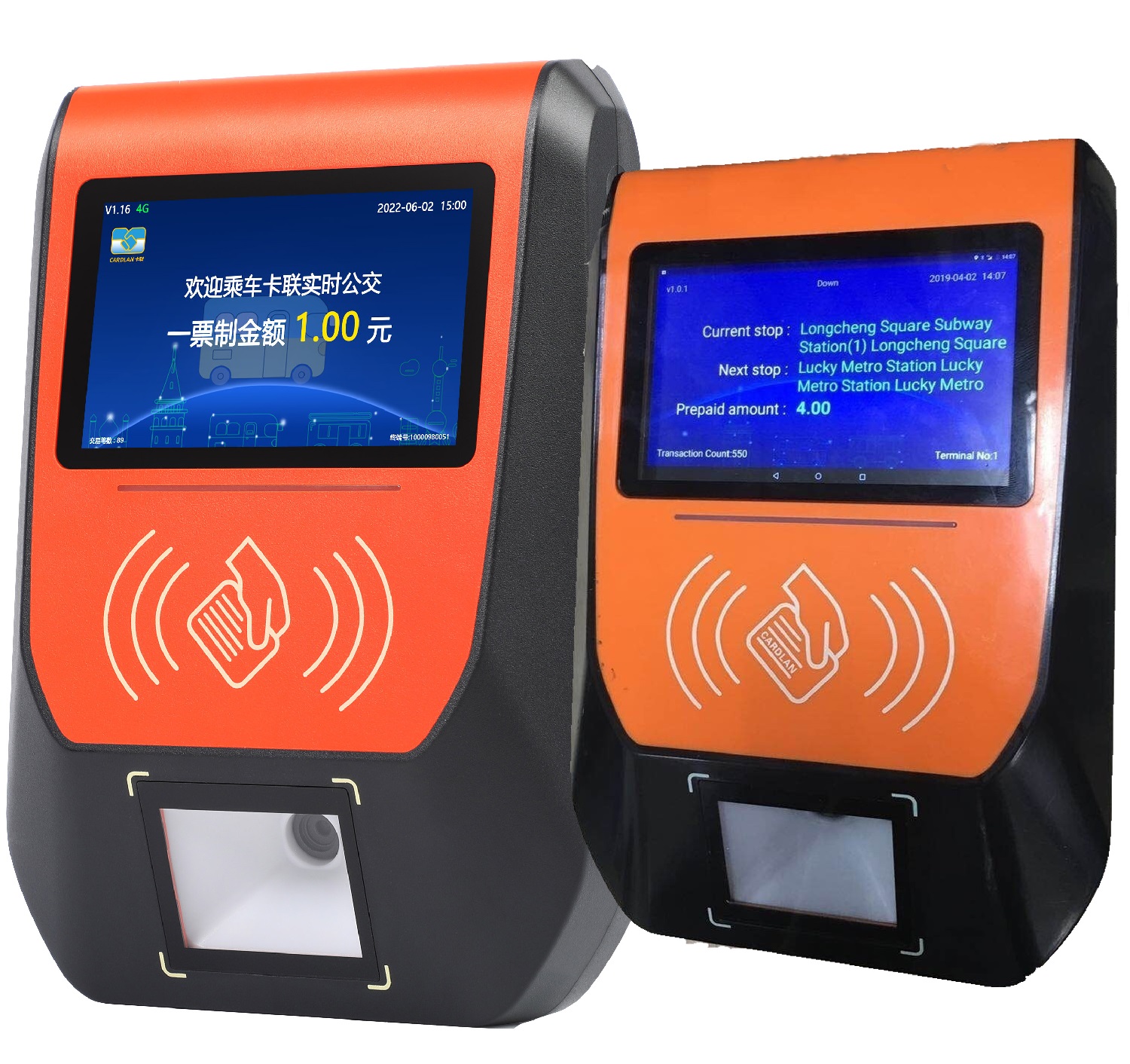 Cardlan Validator support SDK and API for development