Analysis of Conditions for Foreign Public Transport Card Payment Machine Projects
I. Technical Requirements
1. Multi-Payment Support
- Compatibility with international payment standards:
- NFC contactless payments (Visa, Mastercard, Apple Pay, etc.)
- QR code scanning (e.g., Alipay/WeChat Pay models)
- Local transit card systems (e.g., Calypso standard, MIFARE technology).
- Regional adaptations:
- NFC-focused markets (e.g., Europe/US): Ensure compliance with ISO 14443A standards.
- QR code-prevalent markets (e.g., Southeast Asia): Integrate dual offline technology for unstable networks.
2. Hardware Reliability
- Environmental resilience: Operate under extreme temperatures (-30°C to 70°C), voltage fluctuations, and humidity.
- Performance: Transaction completion within 0.3 seconds; multi-language interfaces; localized features (currency conversion, tax rules).
3. System Integration & Security
- Seamless integration with local transit management systems (ticketing, fare discounts, intermodal transfers).
- Data encryption and anti-tampering mechanisms.
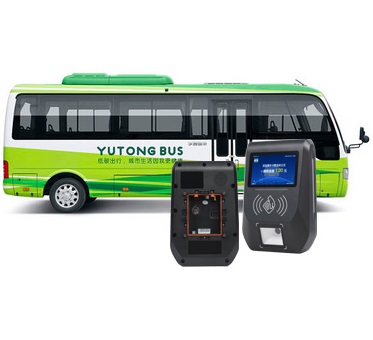
- Example: Korea’s smart transit system in Colombia unified fare collection (AFC) and fleet management (FMS).
II. Policy & Regulatory Compliance
1. Technical Certifications
- Meet local standards:
- Europe: Calypso certification
- South Korea: T-money system standards
- Example: Netherlands’ nationwide adoption of Philips’ MIFARE (ISO 14443A).
2. Data Privacy
- Adhere to regulations like EU GDPR for secure storage/transmission of payment data.
3. Partnerships
- Collaborate with governments and operators (e.g., Rome’s ATAC upgraded systems using public funds).
- Secure local operation qualifications (e.g., Malaysia mandates joint ventures with domestic partners).
III. Market & Operational Strategies
1. Localization Research
- Analyze payment preferences:
- NFC dominance in developed markets vs. QR code adoption in emerging markets.
- Address pain points: Coin dependency (India), transfer inefficiencies (Latin America).
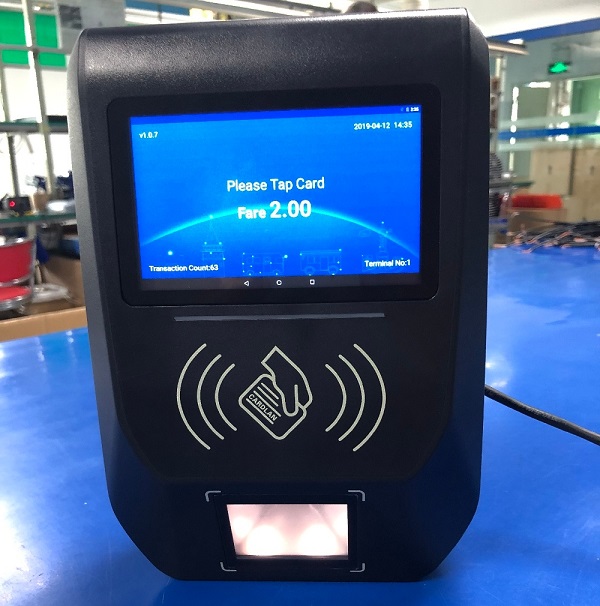
- Case: Cardlan partnered with Alipay to deploy dual offline QR terminals in Southeast Asia.
2. Funding & Supply Chains
- High upfront costs: Rome’s system overhaul exceeded €2.2 billion.
- Localize supply chains: Korea’s LG CNS used Colombian teams to install 7,000 terminals.
3. User Adoption
- Pilot projects to build trust (e.g., Rome’s mayor demoed card payments).
- Multilingual customer support for troubleshooting.
Conclusion
Success in overseas transit payment projects hinges on:
- Technical adaptability (NFC vs. QR code focus)
- Regulatory alignment (certifications, data laws)
- Localized operations (partnerships, user education)
Lessons from Chinese and Korean exporters highlight the value of pilot projects to validate feasibility before scaling. Companies must balance upfront investments with robust risk management to ensure long-term sustainability.

 Why do some buses have only one card reader while others have two?
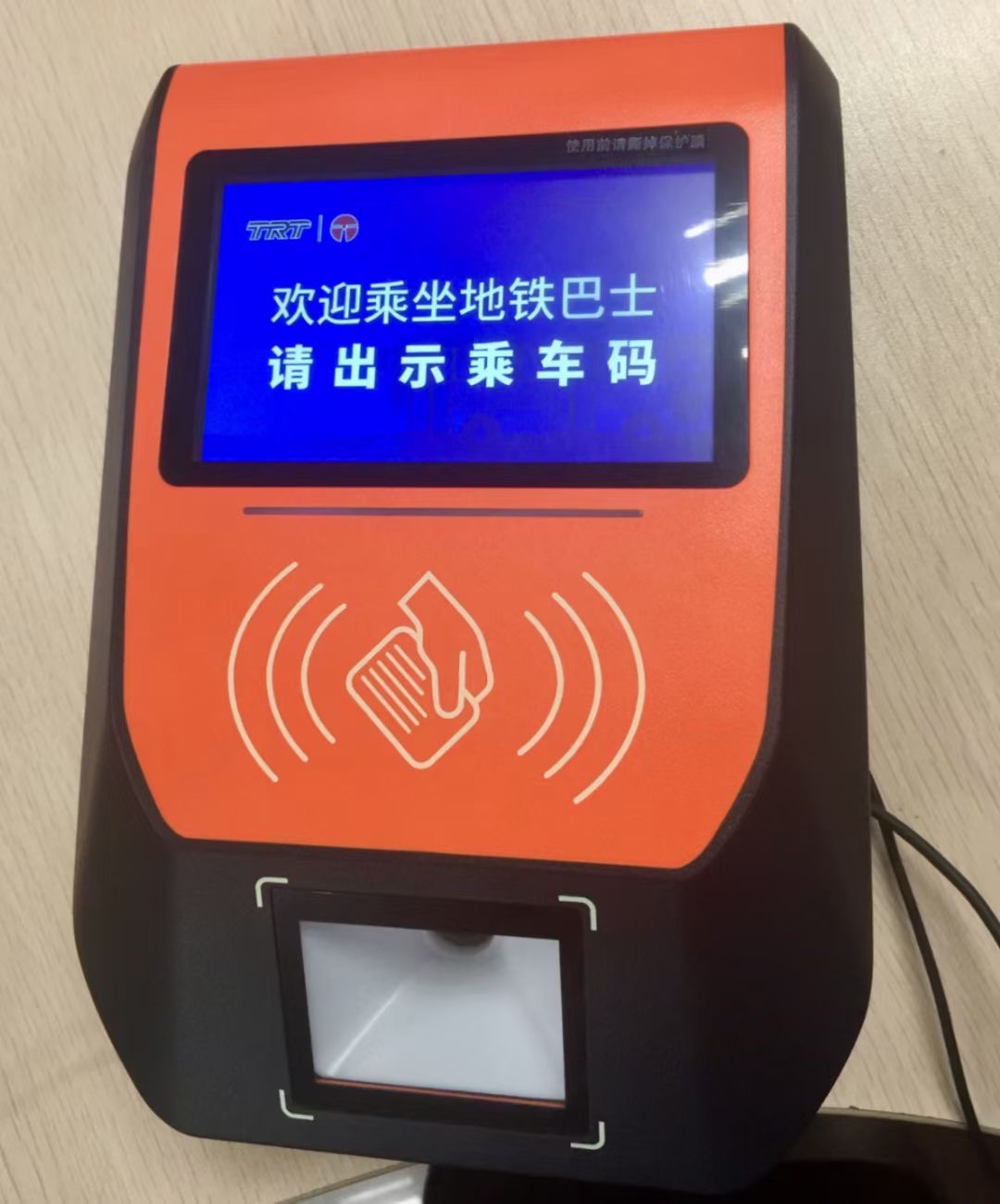 Can Bus Zonal Fare Collection Be Applied to Metro Systems?
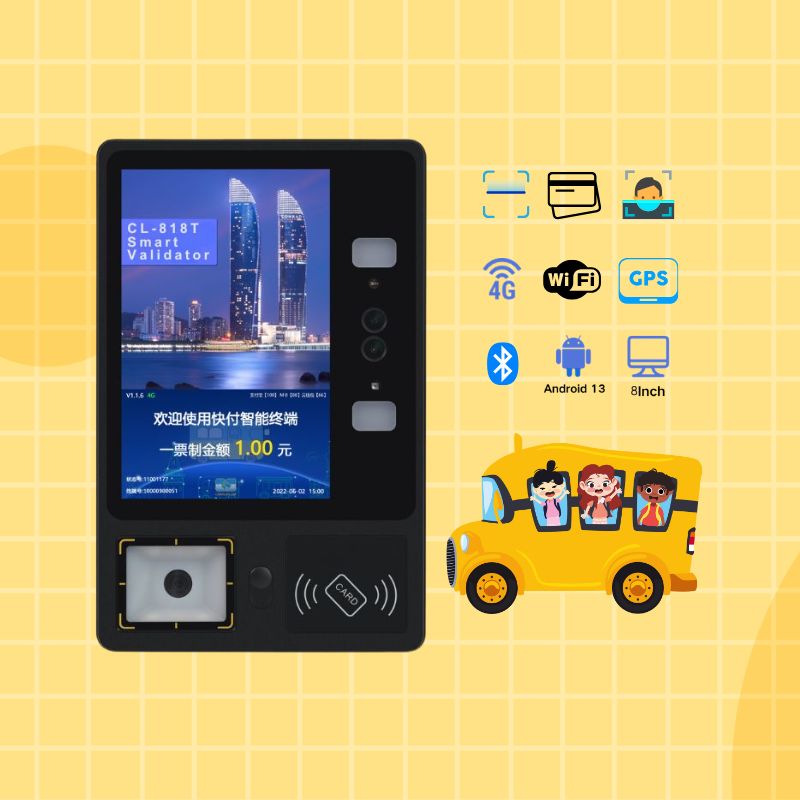 In which fields can prepaid cards be used for bus card readers?
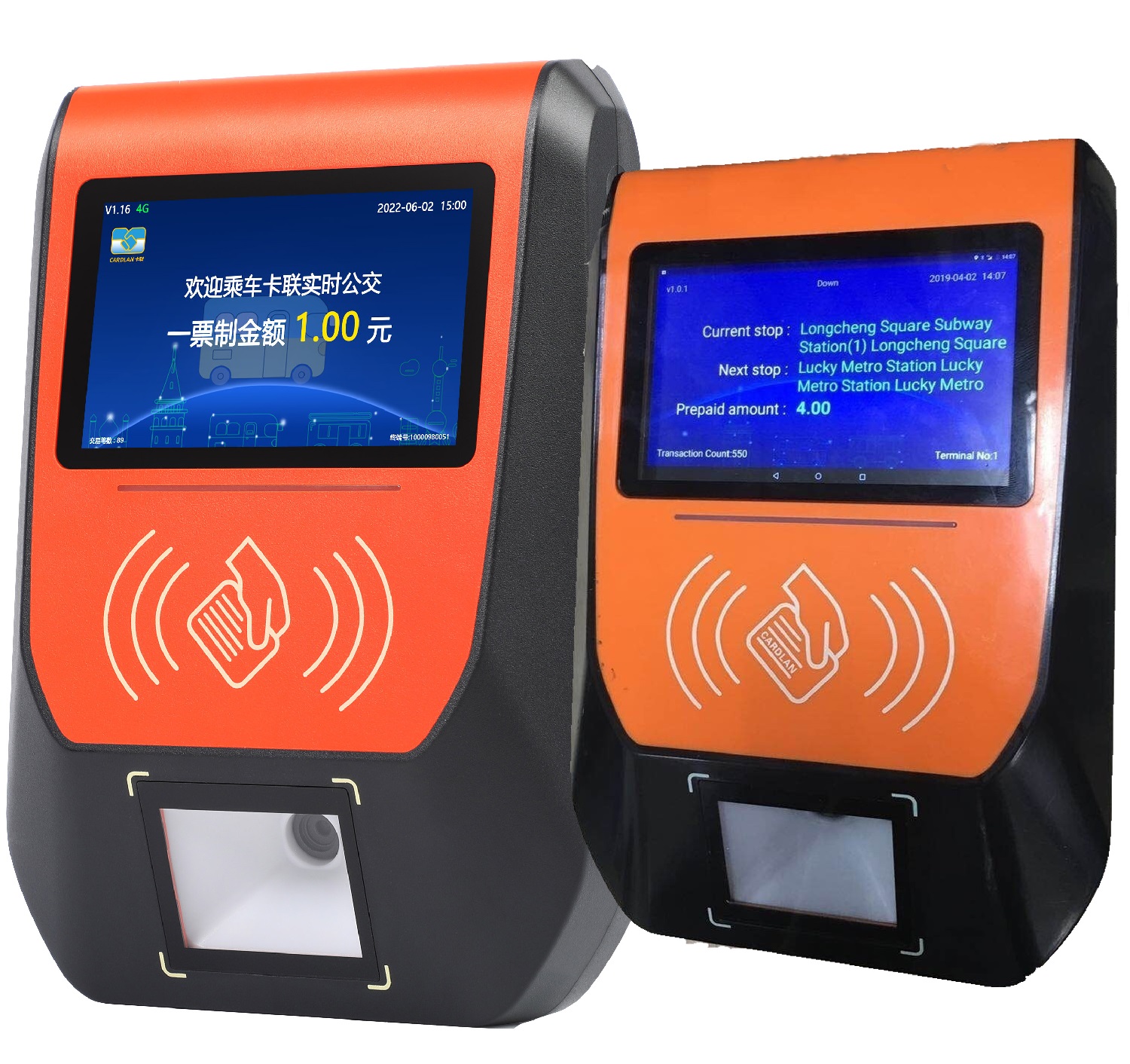 Cardlan Validator support SDK and API for development