
Student/Staff ID Binding
Users must input their student/staff ID (or national ID number), name, and initial password (default: last six digits of ID number; replace "X" with "0" if applicable) during first-time registration for identity verification.
Password Management
Users can modify the initial password and set a transaction password for account security. The system enforces regular password updates to prevent misuse.
WeChat/Alipay Integration
Dynamic QR Code Payments
Virtual cards generate dynamic QR codes refreshed in real-time to prevent screenshot fraud. Users can directly use WeChat/Alipay native payment codes for transactions.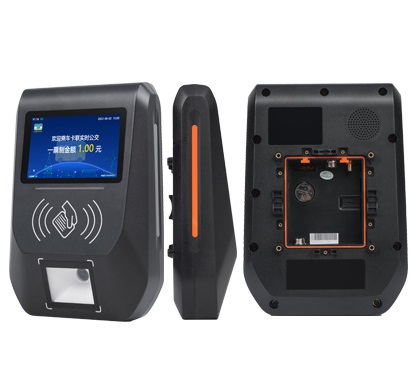
NFC-Enabled CPU Cards
Physical cards use NFC technology for rapid authentication in scenarios like cafeterias and access control, while maintaining backward compatibility with legacy systems.
Facial Recognition Payments
Deploy facial recognition terminals in high-frequency venues (e.g., cafeterias, stores) to enable contactless verification and payments, reducing reliance on physical cards.
Different user groups (e.g., faculty, students, visitors) are assigned customized spending limits and access permissions:
Mandatory Real-Name Verification
Users failing to complete authentication within the deadline will have third-party payment functions restricted, retaining only basic physical/virtual card usage.
Anomaly Monitoring & Resolution
Real-time detection of suspicious transactions (e.g., frequent micro-payments) triggers SMS alerts or temporary account freezes. Users can submit unfreeze requests via self-service terminals or online channels.
This multi-dimensional authentication framework balances convenience and security, suitable for integrated campus scenarios including payments, access control, and attendance tracking.
 Why do some buses have only one card reader while others have two?
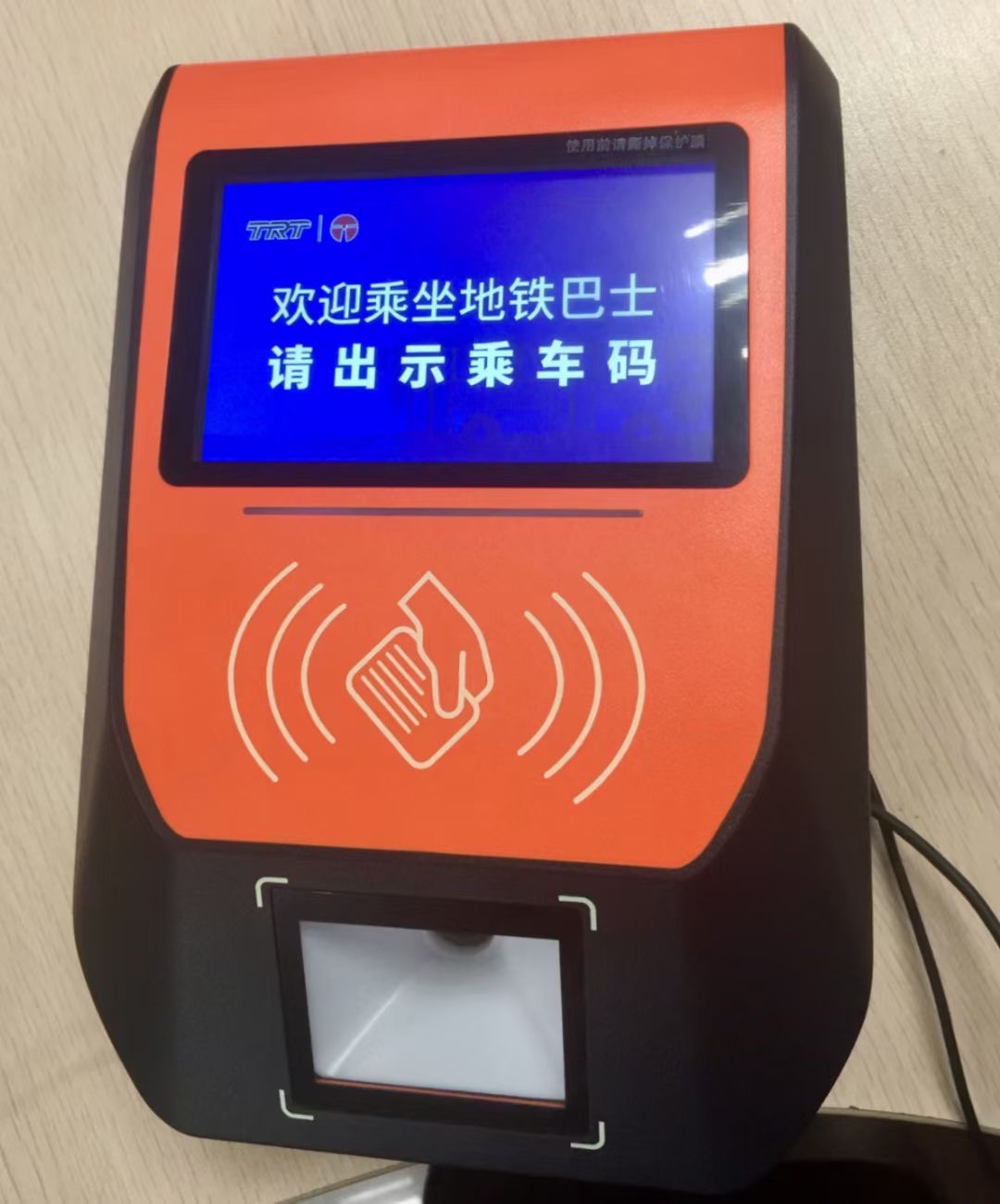 Can Bus Zonal Fare Collection Be Applied to Metro Systems?
 In which fields can prepaid cards be used for bus card readers?
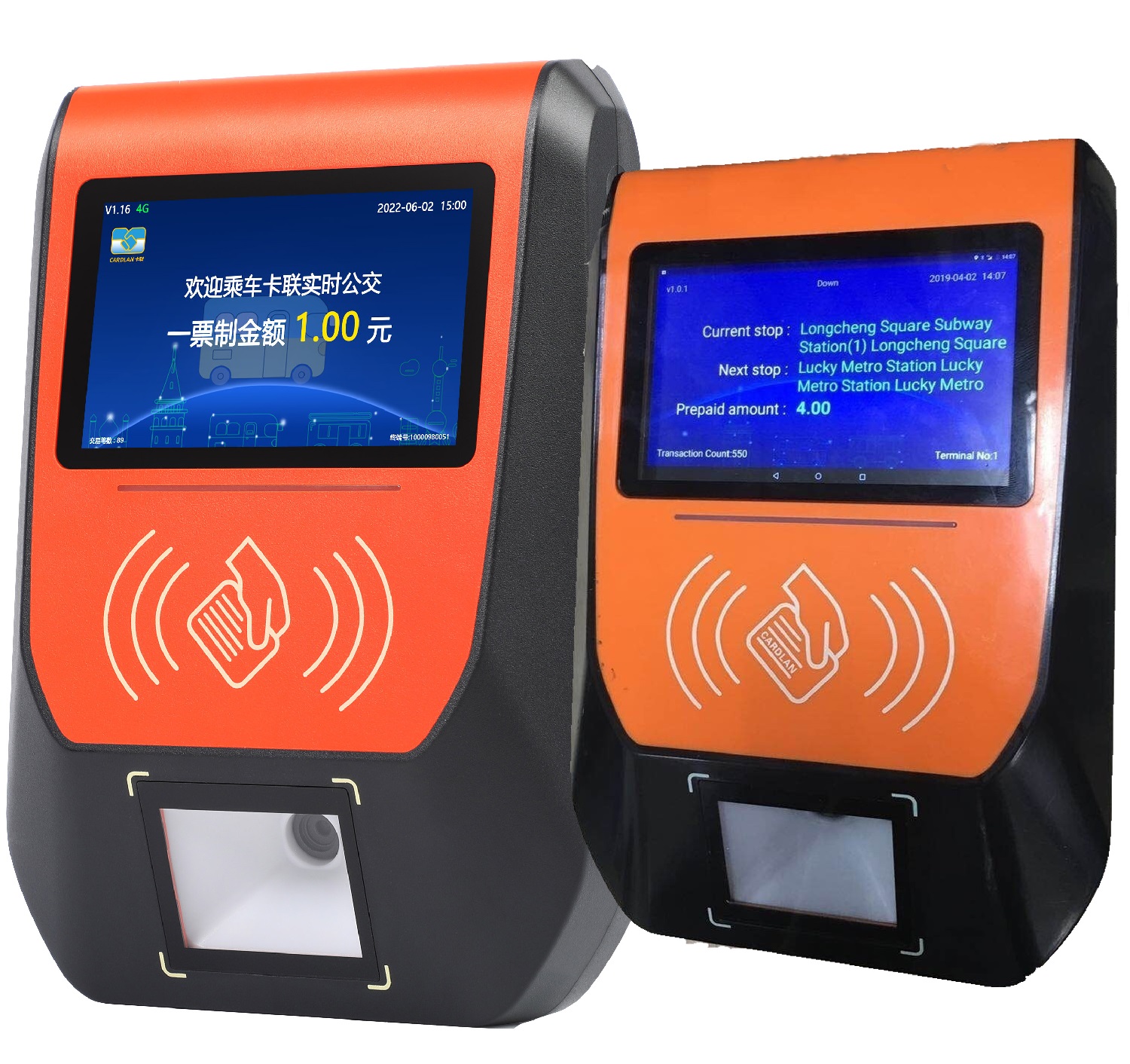 Cardlan Validator support SDK and API for development