
Application of Relay Function in Bus Card Readers for Gate Control

Views : 4006
Author : Kathy
Update time : 2025-11-03 13:53:47

I. Core Functions of Relays in Gate Control

  1. Signal Amplification and Isolation
    The weak electrical signal generated by the card reader is amplified by the relay to drive high-power devices like gate motors, while isolating the control circuit from the load circuit to ensure system safety.

  2. Remote Synchronization Control
    Digital relays (remote I/O) ensure complete synchronization between the card swipe signal and gate movement through communication methods like 433MHz or 4G, suitable for long-distance or complex construction scenarios.

  3. Automated Process Integration
    The relay works in coordination with PLCs (Programmable Logic Controllers) to integrate functions such as license plate recognition and vehicle detection, improving passage efficiency.
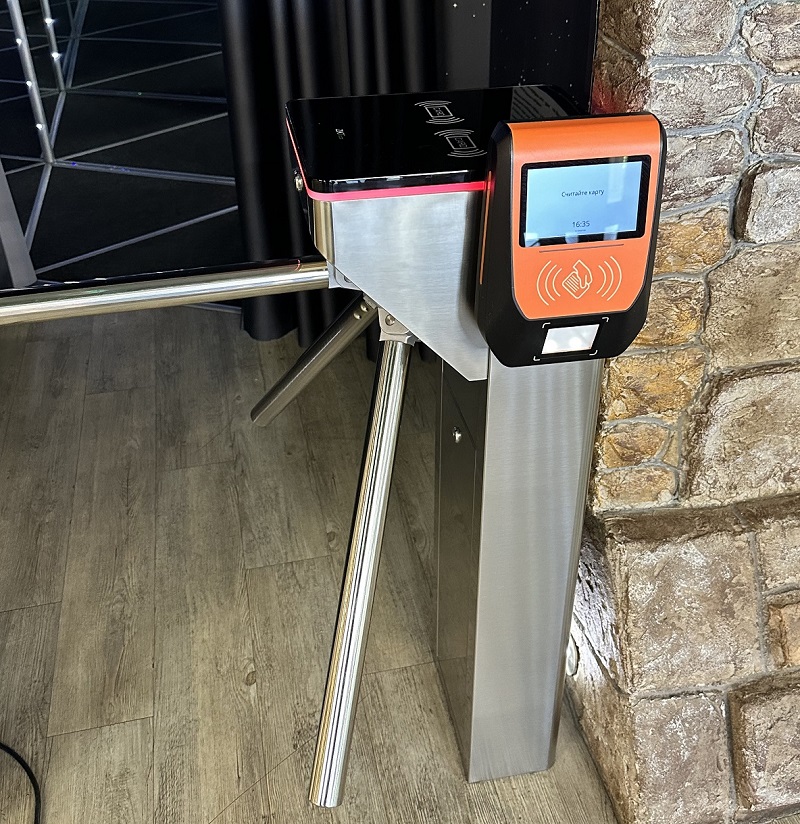
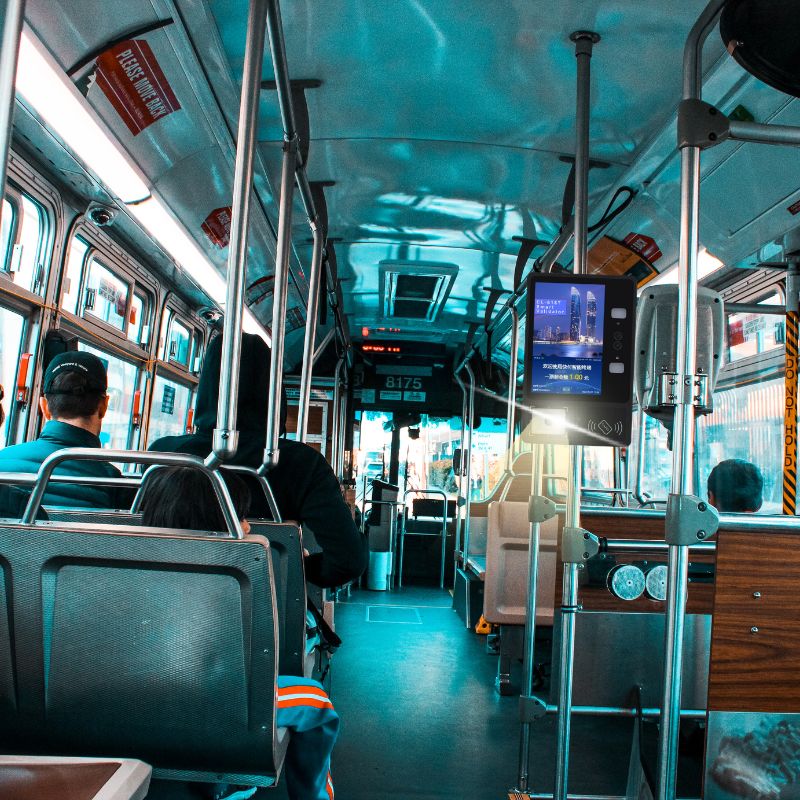
II. Technical Implementation Principles

  • Electromagnetic Driving Mechanism‌: The card swipe signal triggers the relay coil to energize, generating a magnetic field that pulls the armature and closes the contacts, thereby powering the gate motor.
  • Contact Type Selection‌: Normally Open (NO) contacts close when the coil is energized, suitable for default-off, signal-triggered scenarios, while Normally Closed (NC) contacts operate oppositely.
  • Fault Protection Design‌: The relay can monitor circuit abnormalities (e.g., overload) and automatically cut off the gate power supply to prevent equipment damage.

III. Application Advantages

  • Extended Control Range‌: A single card swipe signal can control multiple gates, adapting to complex scenarios like parking lots and subway stations.
  • Intelligent Upgrades‌: When combined with cloud platforms and big data, it enables advanced features like remote monitoring and traffic statistics.
Related News
Read More >>
Why do some buses have only one card reader while others have two? Why do some buses have only one card reader while others have two?
Apr .09.2026
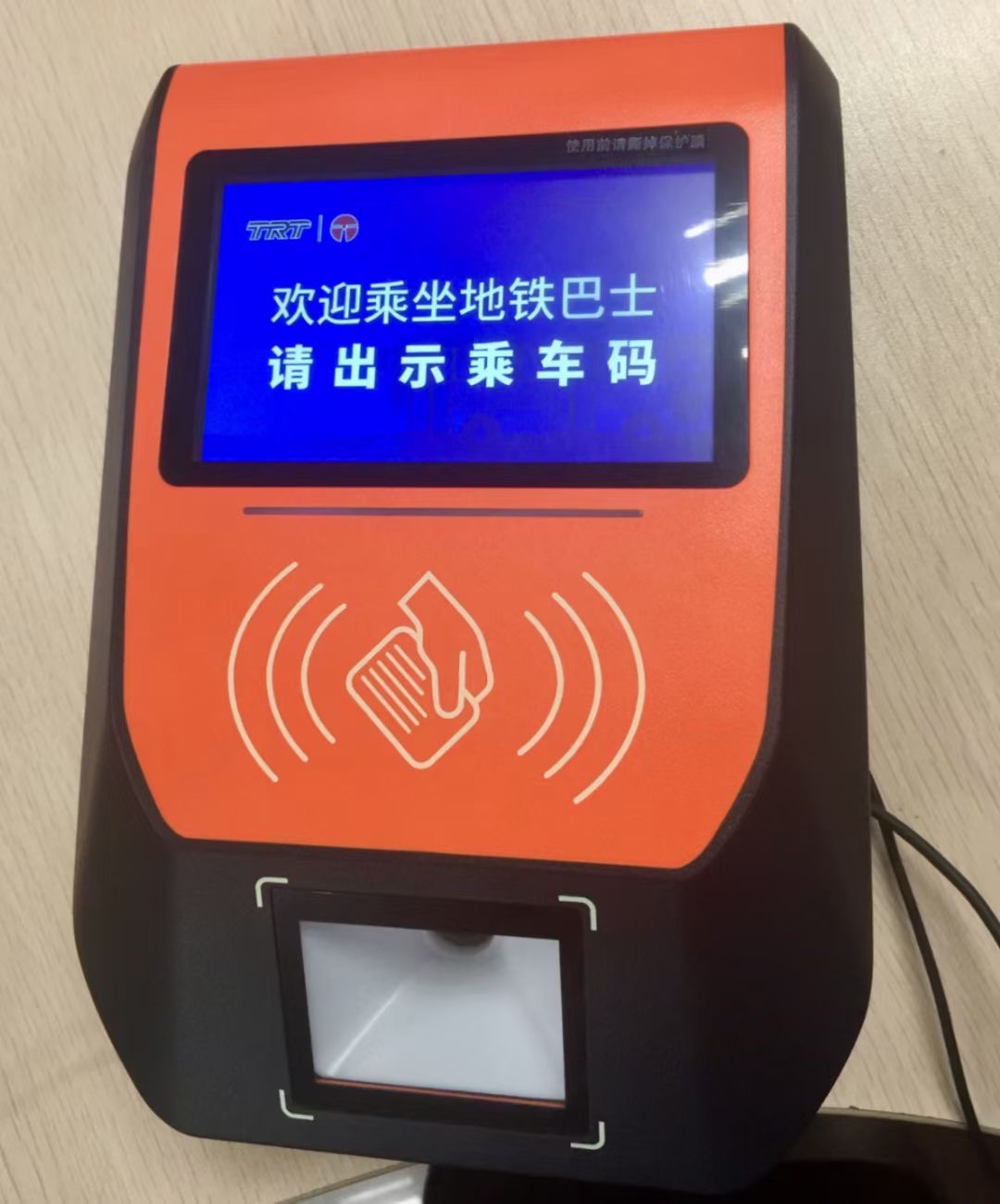
Whether a bus is equipped with one or two card readers mainly depends on the fare calculation method of the route: single-fare routes usually only require passengers to tap their cards once when boarding, so one card reader is sufficient; while distance-based fare routes require passengers to tap their cards both when boarding and alighting to calculate the actual trip cost, hence two card readers are needed.
‌Can Bus Zonal Fare Collection Be Applied to Metro Systems? ‌Can Bus Zonal Fare Collection Be Applied to Metro Systems?
Apr .02.2026
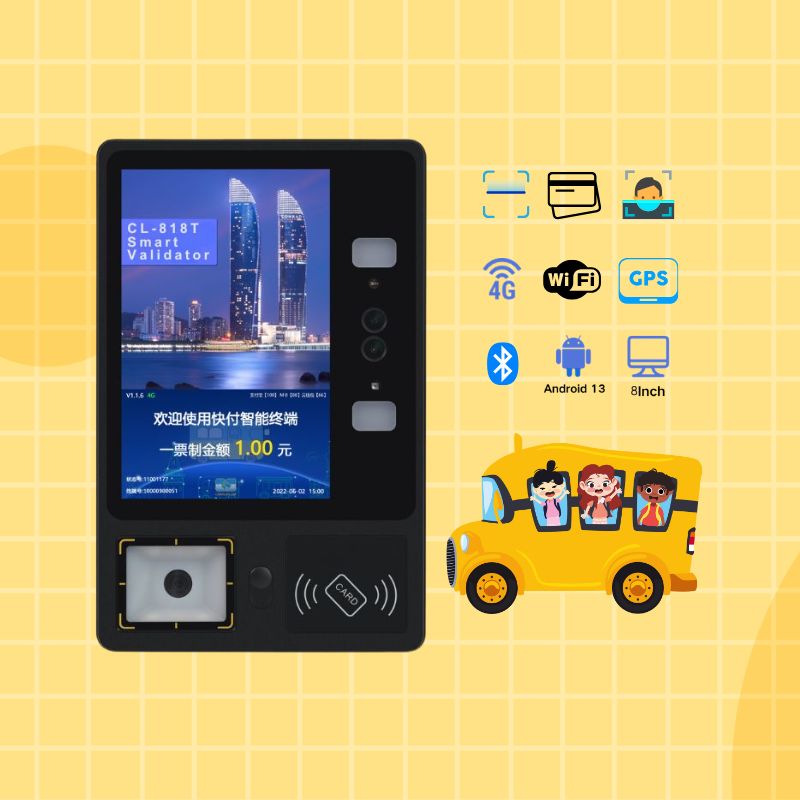
Cardlan Zonal fare collection support tap on and tap out to realize station fare collection.
In which fields can prepaid cards be used for bus card readers? In which fields can prepaid cards be used for bus card readers?
Mar .30.2026
The usage scope of prepayment cards varies by type—single-purpose, multi-purpose, and industry-specific—and extends to travel, salary disbursement, gifts, online payments, financial inclusion, and transportation with retail and tourism integration.
Cardlan Validator support SDK and API for development Cardlan Validator support SDK and API for development
Mar .27.2026
Cardlan's bus card readers explicitly support secondary development and integration, and provide SDKs and API interfaces‌ for system integration and feature customization.