
Development of Bus Fare Collection Machine Hardware and SDK

Views : 3896
Author : Kathy
Update time : 2025-10-31 12:03:00

Time Estimation

The development process typically takes between 6 months to 1 year, depending on the project's complexity.
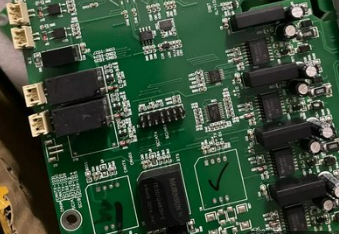
Hardware Development Timeline

  • Requirements Analysis & Design‌: 1-2 months
  • PCB Design & Prototyping‌: 2-3 months
  • Hardware Testing & Optimization‌: 1-2 months

SDK Development Timeline

  • Architecture Design & Interface Development‌: 1-2 months
  • Function Implementation & Testing‌: 2-3 months
  • Integration Testing & Optimization‌: 1-2 months
  •  

Cost Estimation

Total costs may range between 500,000 to 2,000,000 RMB, depending on the project scale.

Hardware Development Costs

  • R&D Costs‌: 200,000-800,000 RMB
  • Prototyping & Testing‌: 100,000-300,000 RMB
  • Certification Fees‌: 50,000-200,000 RMB

SDK Development Costs

  • Software Development‌: 150,000-500,000 RMB
  • Testing & Optimization‌: 50,000-200,000 RMB

Key Influencing Factors

  1. Functional Complexity‌: Supporting multiple payment methods and real-time data transmission increases development difficulty
  2. Hardware Specifications‌: High-performance processors and multiple communication modules raise costs
  3. Team Experience‌: Experienced teams can complete development more efficiently
  4. Certification Requirements‌: Security certifications in different regions affect both time and cost

Recommendations

Before project initiation, it's recommended to conduct detailed requirements analysis and consult professional development teams for more accurate assessments.

Any more development requirements , please feel free to contact Cardlan.
Related News
Read More >>
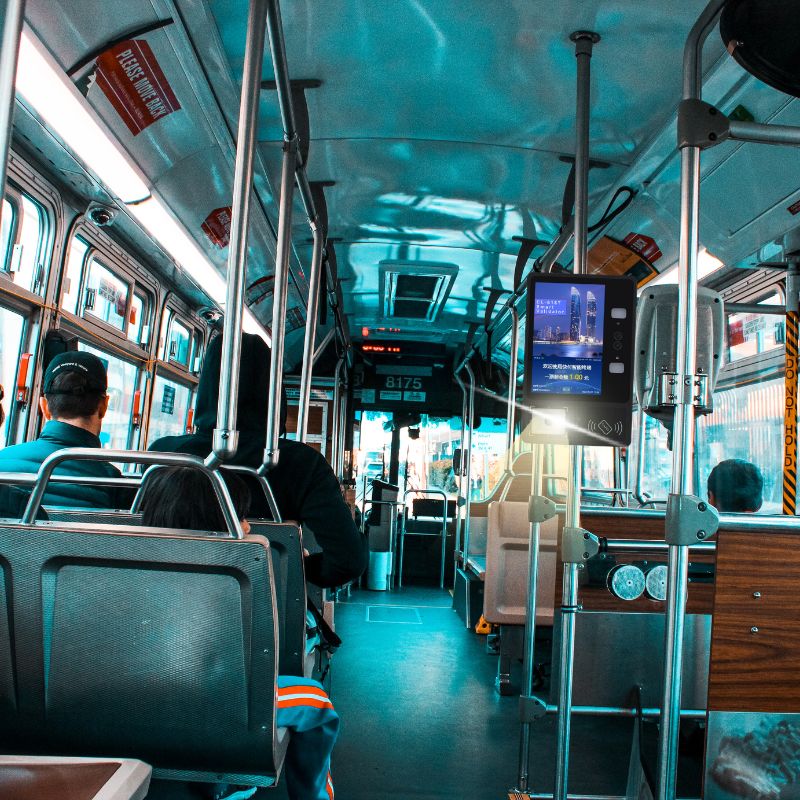
Why do some buses have only one card reader while others have two? Why do some buses have only one card reader while others have two?
Apr .09.2026
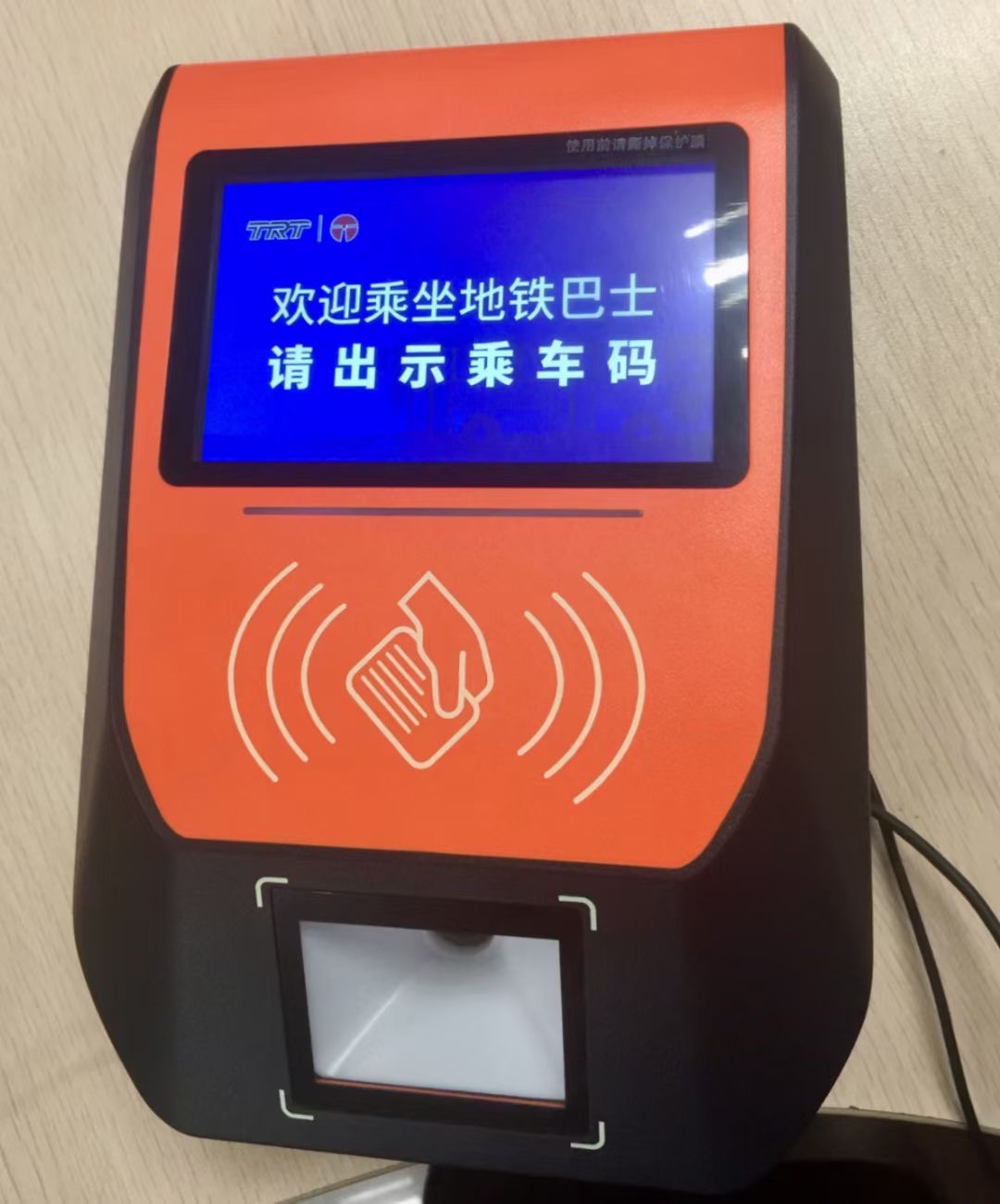
Whether a bus is equipped with one or two card readers mainly depends on the fare calculation method of the route: single-fare routes usually only require passengers to tap their cards once when boarding, so one card reader is sufficient; while distance-based fare routes require passengers to tap their cards both when boarding and alighting to calculate the actual trip cost, hence two card readers are needed.
‌Can Bus Zonal Fare Collection Be Applied to Metro Systems? ‌Can Bus Zonal Fare Collection Be Applied to Metro Systems?
Apr .02.2026
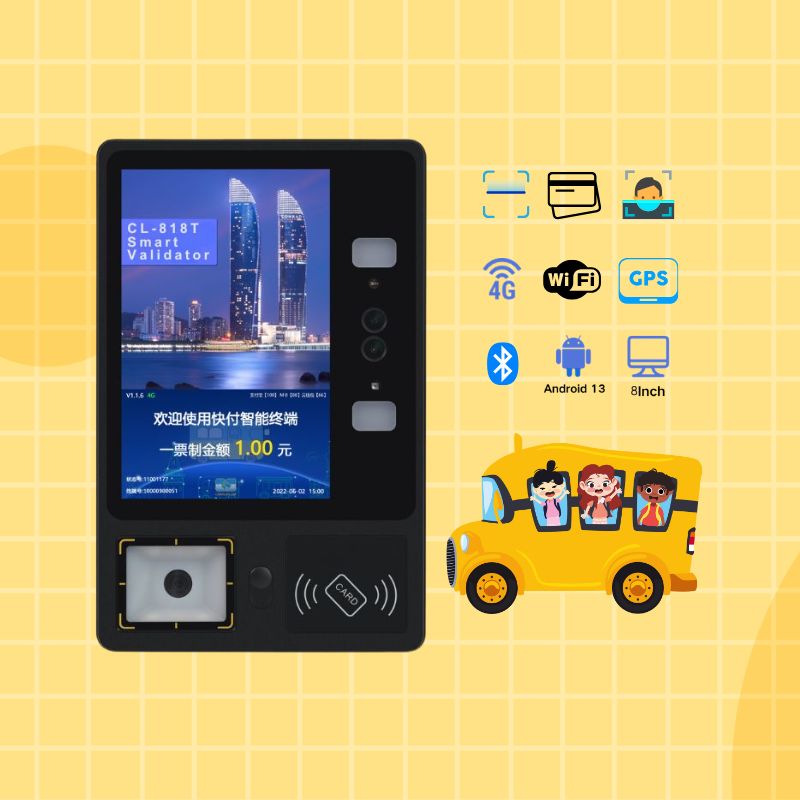
Cardlan Zonal fare collection support tap on and tap out to realize station fare collection.
In which fields can prepaid cards be used for bus card readers? In which fields can prepaid cards be used for bus card readers?
Mar .30.2026
The usage scope of prepayment cards varies by type—single-purpose, multi-purpose, and industry-specific—and extends to travel, salary disbursement, gifts, online payments, financial inclusion, and transportation with retail and tourism integration.
Cardlan Validator support SDK and API for development Cardlan Validator support SDK and API for development
Mar .27.2026
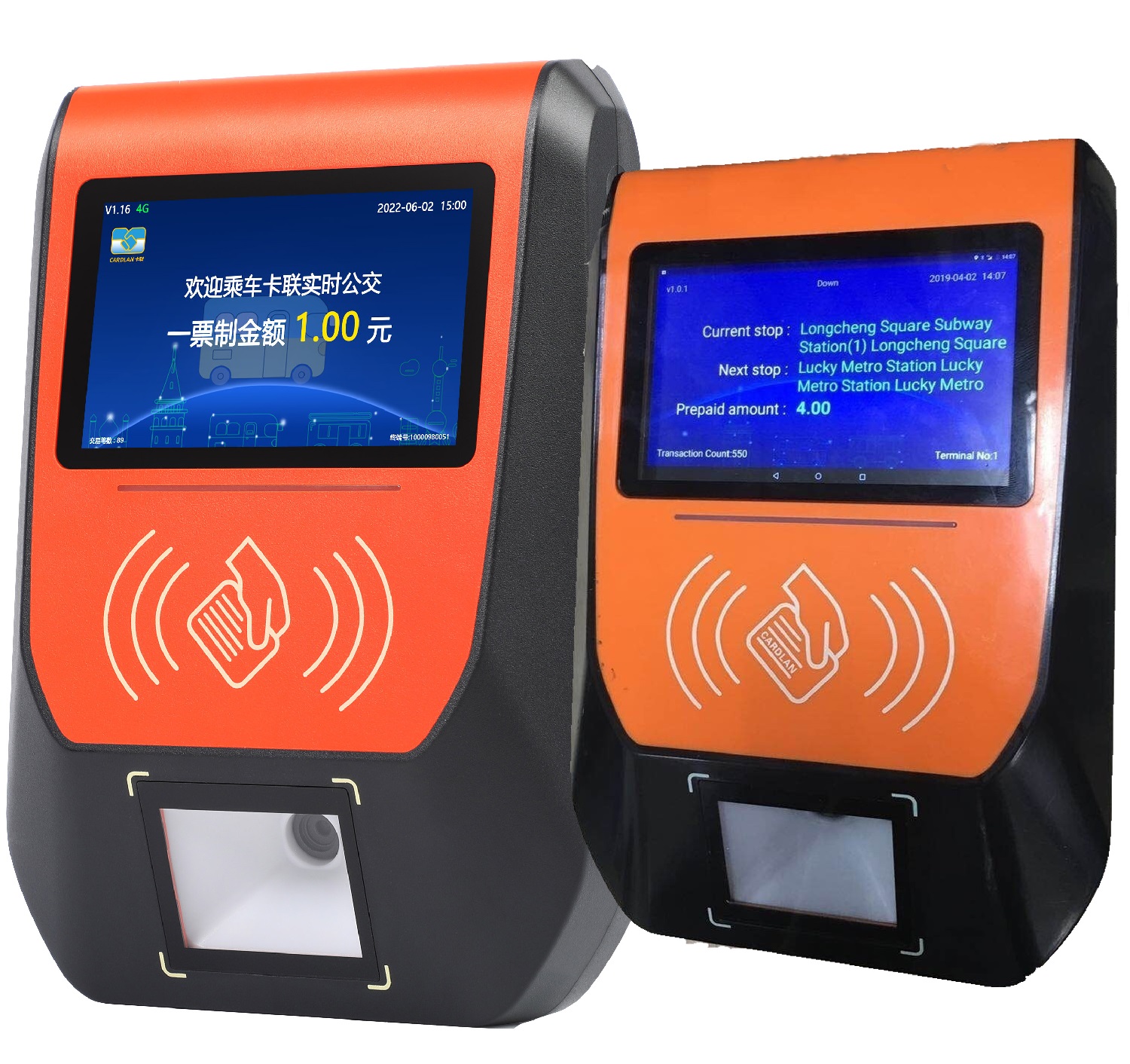
Cardlan's bus card readers explicitly support secondary development and integration, and provide SDKs and API interfaces‌ for system integration and feature customization.