
In the past, forgetting to bring change, forgetting to pay the bus card fee, often makes the “bus family” very embarrassing; for the tourists, redemption of the change by bus is also troublesome... take out the coin from the wallet and put in the coin into the box, when you hear the "ping" and the payment is completed, this traditional payment scene is becoming less and less common.
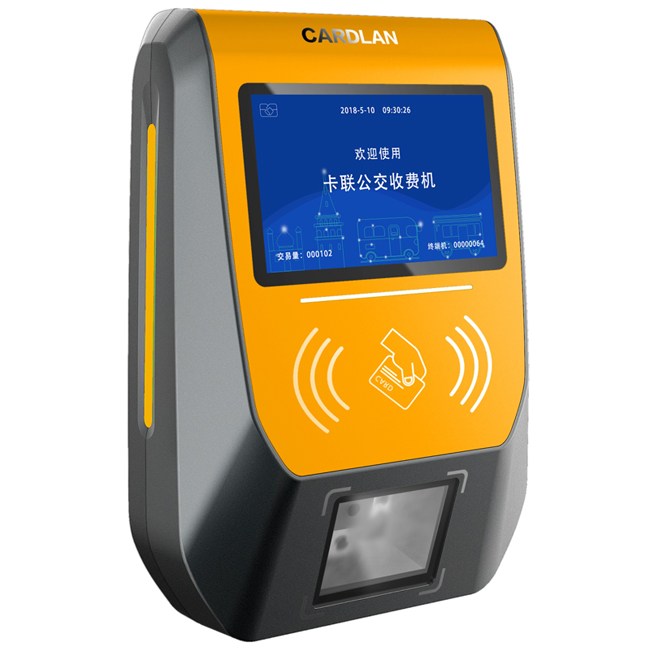

Mobile payment is now very convenient. By bus, passengers can use the WeChat or Alipay scan code to take the bus, which provides a variety of choices for the public transportation mobile payment, complements the bus intelligent physical card, and the convenience of payment is continuously improved, which is very convenient for the citizens to travel. It is really awesome to open a mobile phone to scan the code.
The card-linking code scanning card payment system of the card company adopts the "double offline two-dimensional code" technology, which can ensure that the passengers complete the brush code verification within 0.3 seconds in the complicated communication environment of the passenger compartment, so the public does not have to worry about the problem of brushing the machine tool and the mobile phone signal. At the same time, based on the “first ride, post payment” credit service, passengers do not need to pay a deposit.
“First ride, post payment” is a QR code ride service customized for bus scenes. After the user opens, there is no need to recharge, you can first brush the code on the car, and then deducted by the bus company.
After scanning the code, you can also check the travel record and deduction details. When inquiring about the travel record, click on the travel code page and click on “ride record”; when querying the debit bill, you can click on the specific travel record on the travel record page to check the deduction and offer details.
The diversification of public transportation payments reflects the intelligent process in China's transportation sector. The scanning code bus toll collection machine independently developed by Qianlian not only reduces the time for passengers to queue up for ticket purchase, but also meets the needs of the general public and tourists for green travel, safe and fast payment, while reducing cash flow, alleviating public transportation pressure and reducing The operation cost of enterprises, the improvement of commuting efficiency, and the improvement of information construction in the field of public transportation in China have greatly promoted the role.
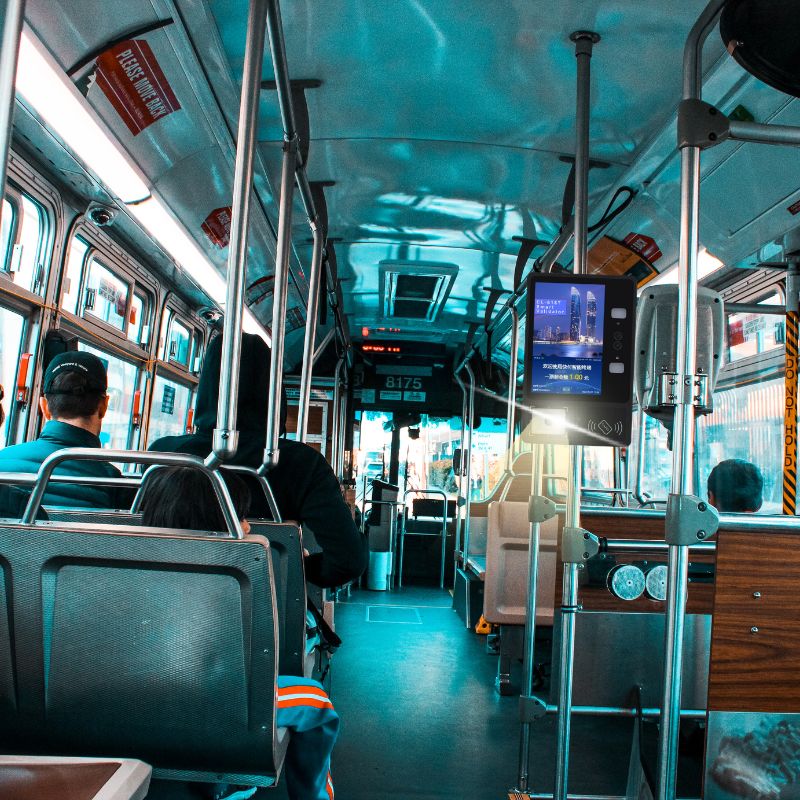 Why do some buses have only one card reader while others have two?
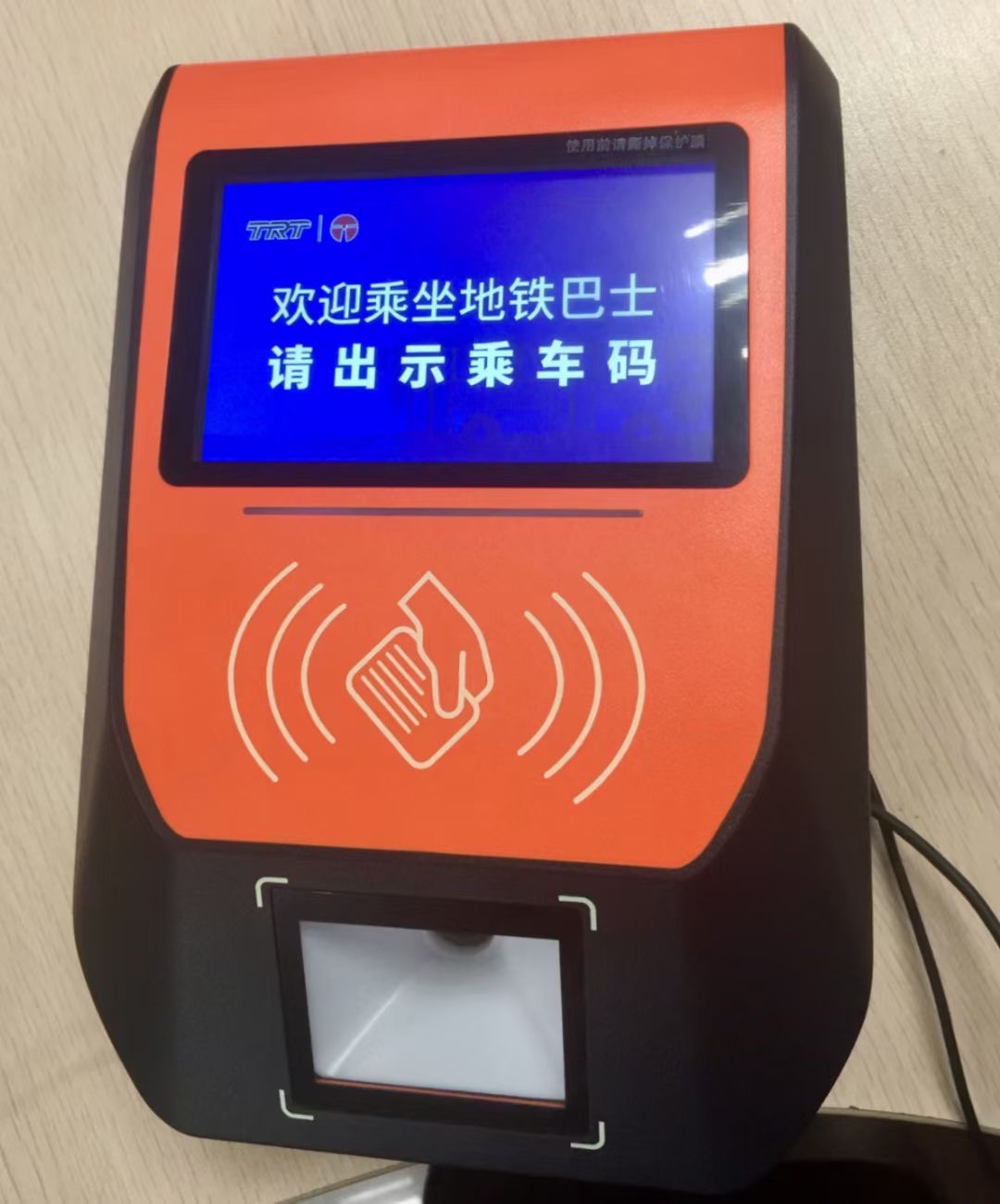 Can Bus Zonal Fare Collection Be Applied to Metro Systems?
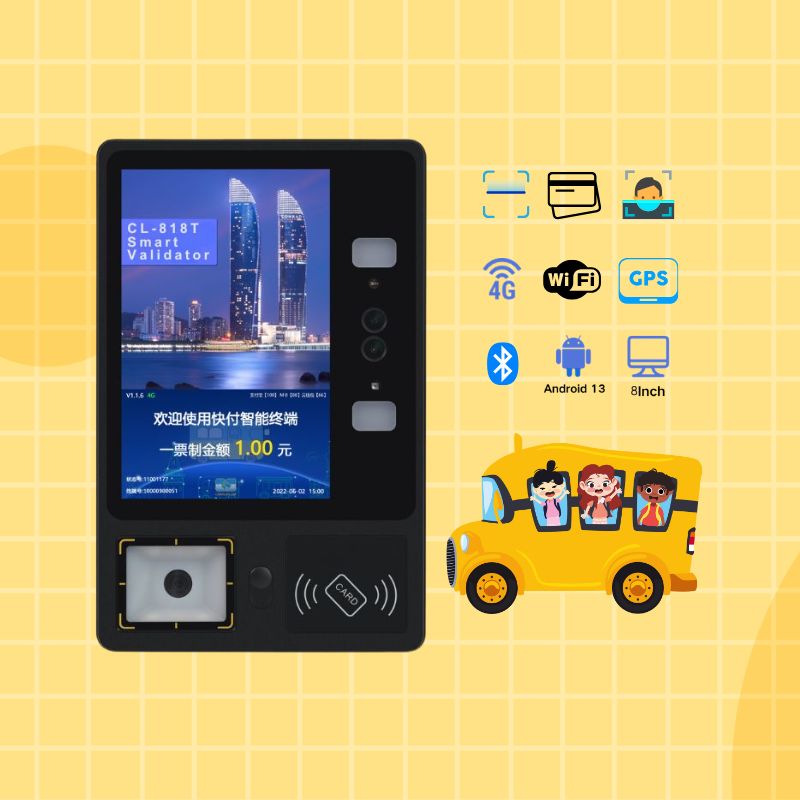 In which fields can prepaid cards be used for bus card readers?
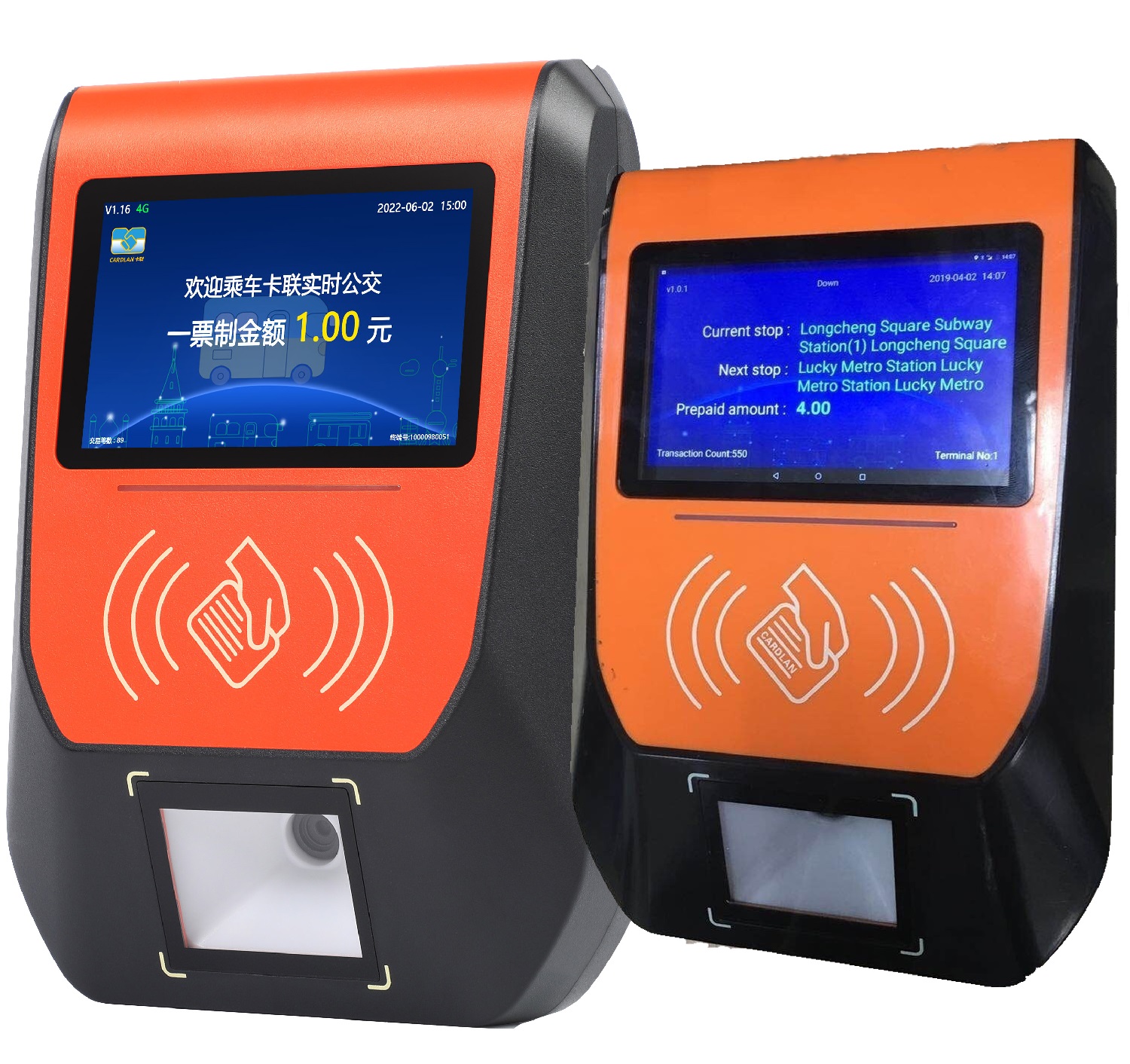 Cardlan Validator support SDK and API for development