Opening up a New Era of Enterprise Commuting: The Card Connected Smart One Face All Shuttle System Leading a New Travel Experience in the Future
With the diversified development of urban public transportation modes, public transportation, subway and other modes of transportation can no longer meet the development needs of large enterprises. In this situation, the use of corporate shuttle buses greatly facilitates the travel of enterprise employees. However, due to the large number of vehicles and personnel, there are certain problems in the statistics of the entire shuttle bus data and the design of the location, which cannot achieve the maximum and most reasonable use, resulting in resource waste and various other problems.The smart enterprise bus face brushing management system scheme launched by Carllan is a product form of "Internet plus Shuttle Bus", which provides "Mobile Internet" intelligent information solutions for enterprise employees to commute to and from work, ensures the safety of enterprise employees' commuting travel, checks the vehicle location at any time, reminds of arrival, commute data analysis and other functions, improves the employee's travel experience, and reduces enterprise operating costs.
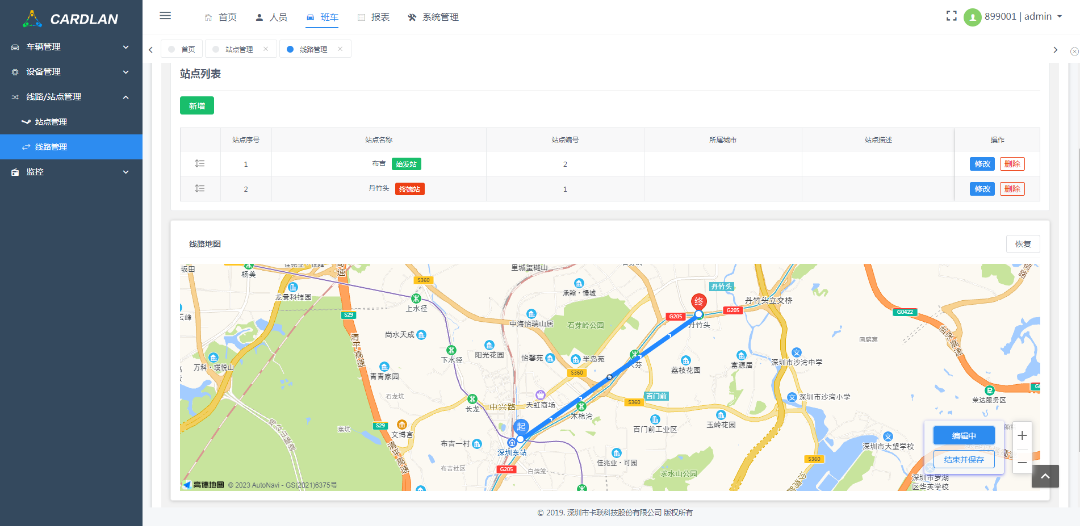
Information Route Management
The information system assists in route planning, with on-site site annotation on the map, and the route name, shift, time, etc. are clear at a glance.
Data based operation management
The management backend can monitor the departure time, arrival time, driving mileage, vehicle location, etc. of shuttle buses, helping administrators to grasp the real-time operation of commuting buses.
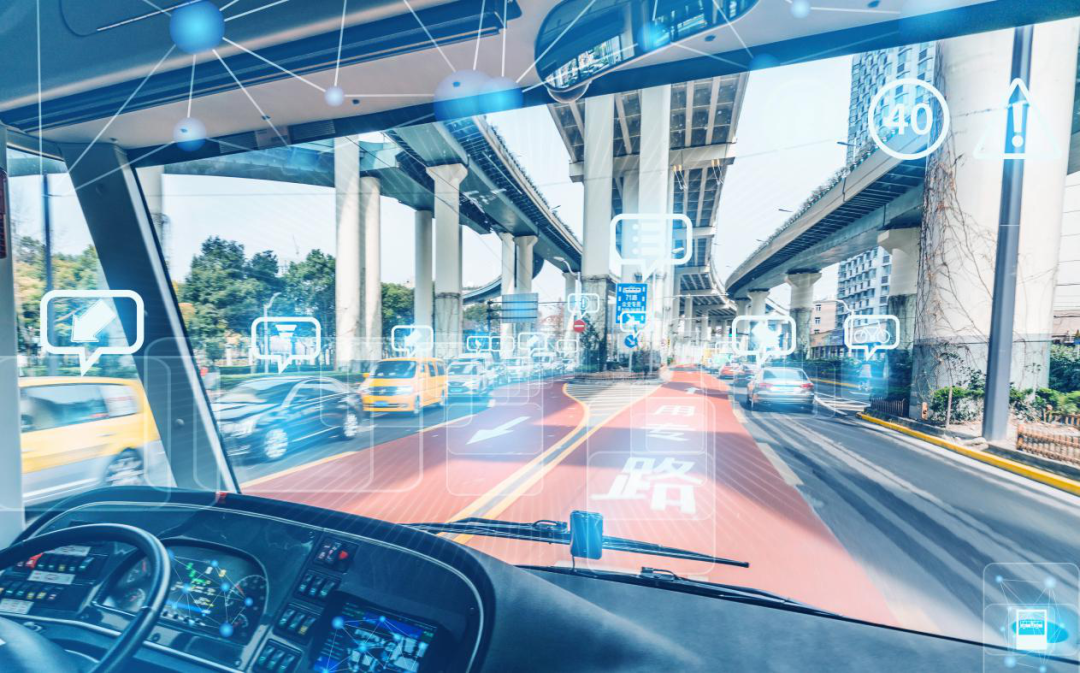
Humanized ride management
Mobile phones can view shuttle bus route information anytime and anywhere, grasp the real-time location of the shuttle bus, provide departure and boarding reminders, and improve employee experience and satisfaction
Automated data analysis
Based on accurate and automated employee ride data analysis, summary, and statistics, use data to speak and reasonably reduce vehicle costs.
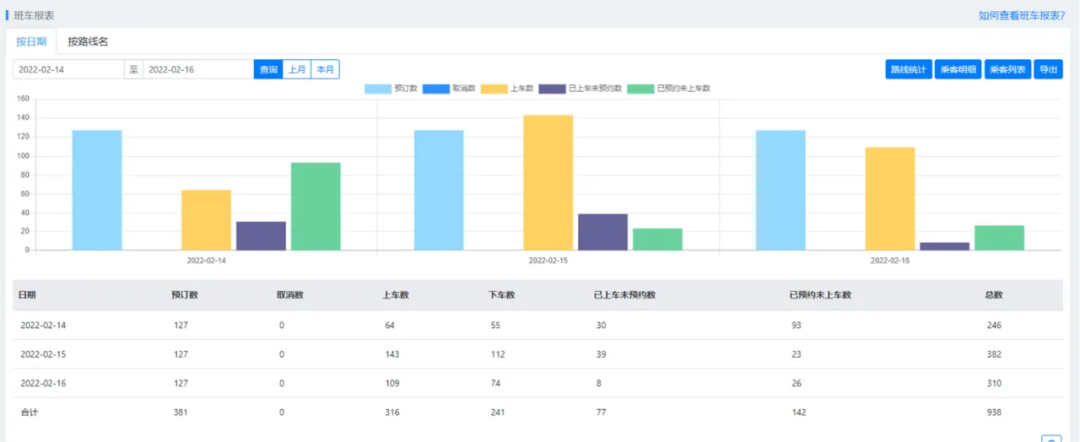
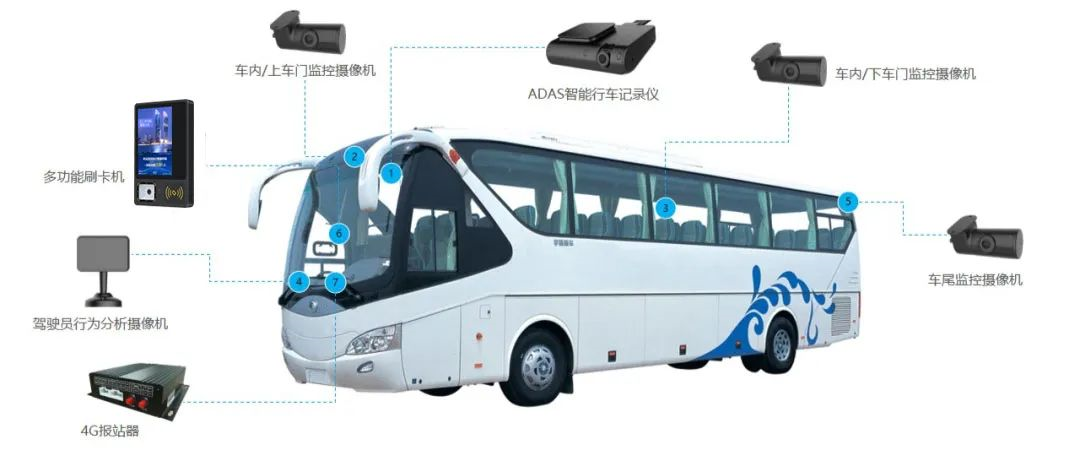
Cardlan Smart Face all in one Bus Management System is composed of intelligent hardware devices and big data management systems. It collects relevant data information through front-end on-board charging devices, and sends real-time vehicle operation data to the central platform through communication networks. The platform system integrates, analyzes, processes, and stores the front-end data, achieving scheduling, monitoring, and generating various types of data reports for vehicles and personnel.

 Why do some buses have only one card reader while others have two?
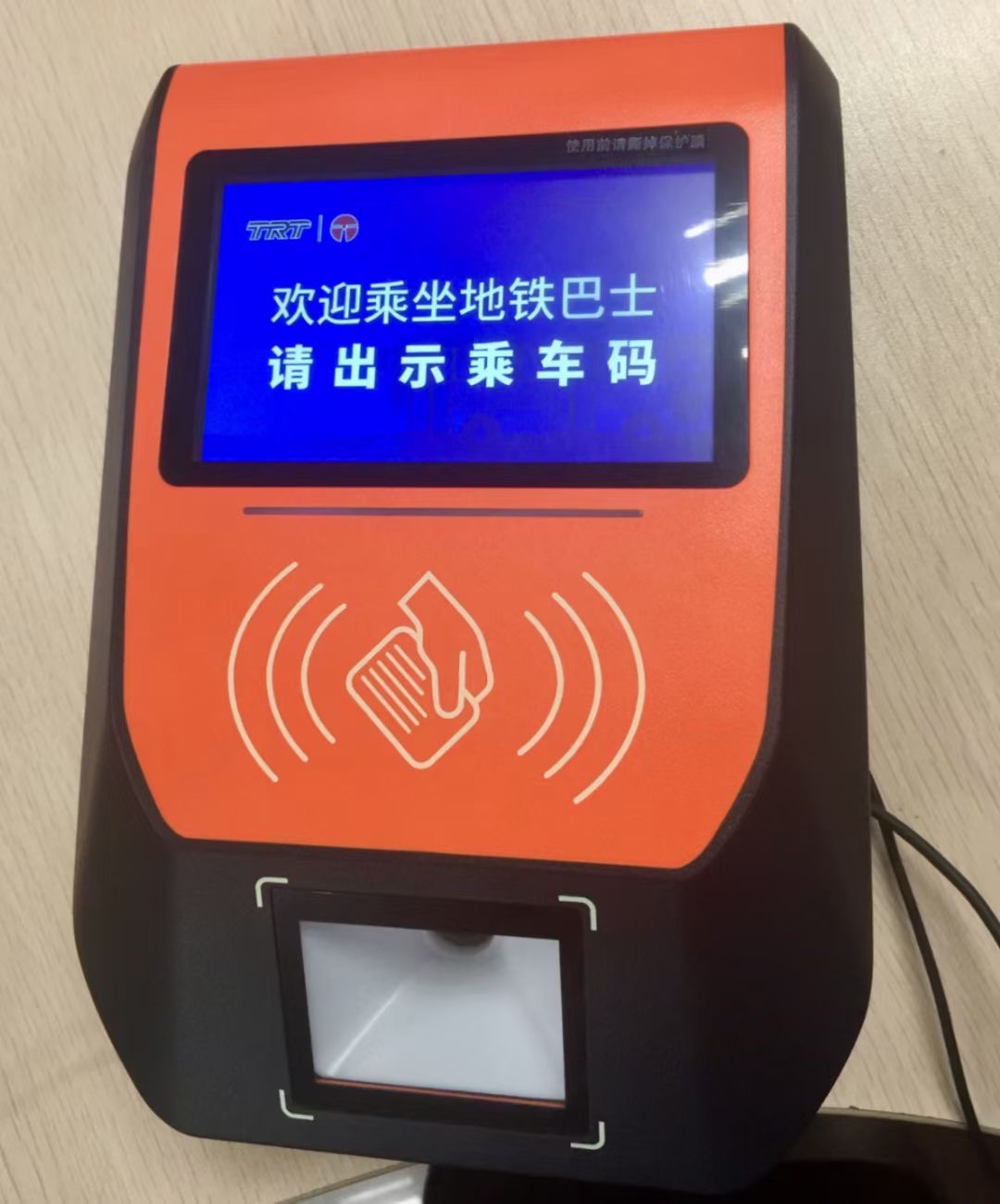 Can Bus Zonal Fare Collection Be Applied to Metro Systems?
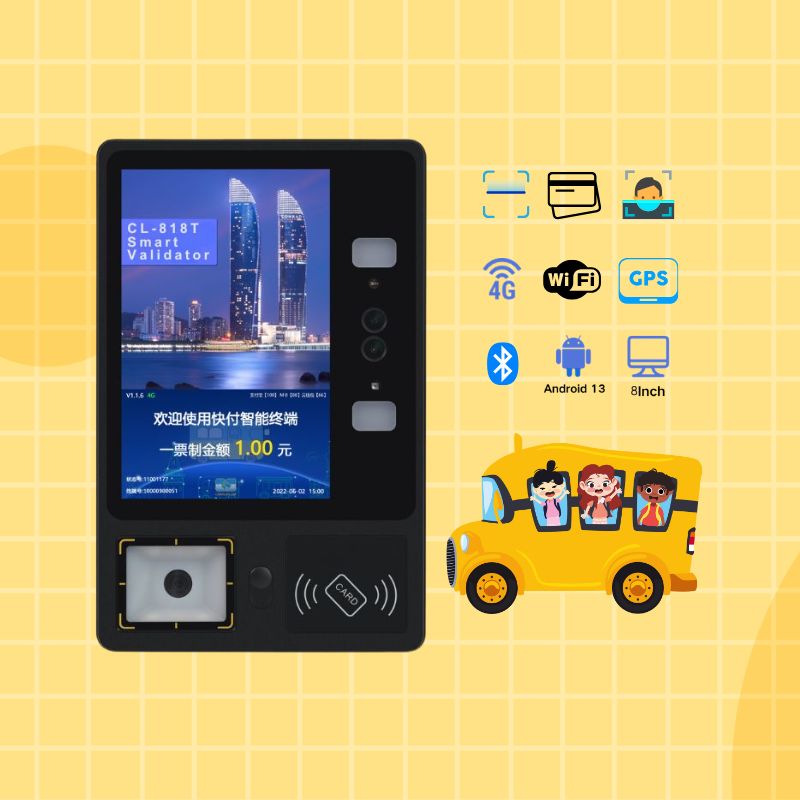 In which fields can prepaid cards be used for bus card readers?
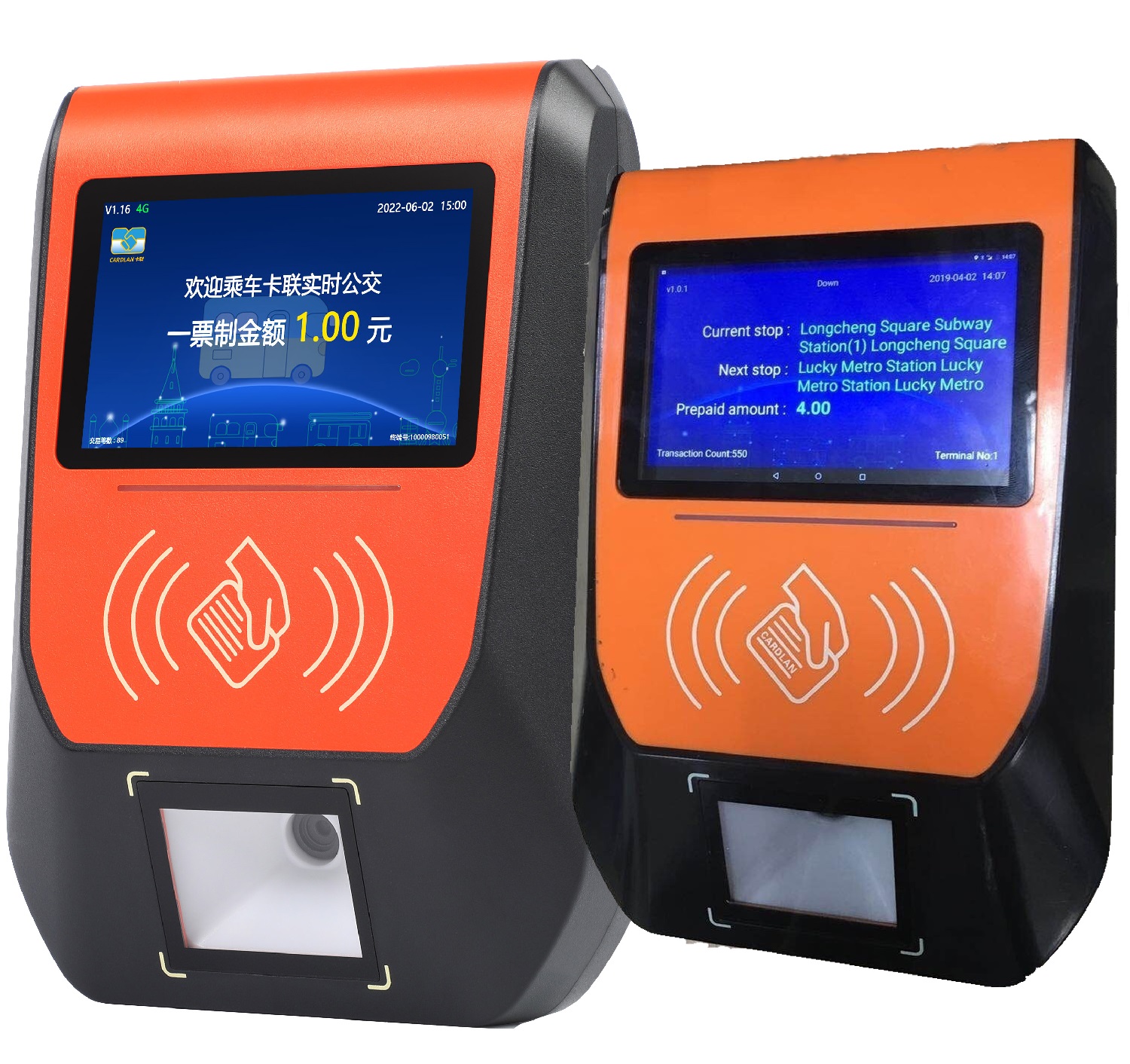 Cardlan Validator support SDK and API for development