As public transport becomes more important in urban areas around the world, bus validators have become an important tool to ensure all passengers pay their fares. These devices use a variety of technologies to confirm payments from passengers, and they play a vital role in ensuring the smooth and efficient operation of the transportation system.
Bus validators can come in many shapes and sizes, but they all have one thing in common: They're designed to confirm that passengers have paid the correct fare before boarding the bus. Many authenticators use smart card technology, allowing passengers to deposit money on a reusable card that is scanned by the authenticator when they board the bus.
Other authenticators may use contactless payment methods such as Apple Pay or Google Wallet, allowing passengers to pay with their smartphones. Still others may use more traditional payment methods such as coins or notes. What all these validators have in common is that they help transit systems enforce fares and reduce the risk of fare evasion.
But bus validators do more than confirm that passengers have paid. They also provide transit agencies with valuable data, allowing them to track ridership and identify areas where service improvements may be needed. For example, if validators on a particular route consistently show low ridership, transit agencies could use that information to adjust schedules or consider other measures to make that route more attractive to riders.
Beyond the practical benefits, bus validators can help reduce the environmental impact of public transportation. By encouraging more riders to pay fares and reducing the need for paper tickets or receipts, they can help reduce the waste and environmental damage caused by the transportation system.
Overall, the
bus validator is an important tool for ensuring the success of public transport systems around the world. They play a vital role in making buses an efficient and cost-effective mode of transport for people around the world by providing passengers with a quick and easy way to pay and providing transit agencies with valuable data to help them improve their services role.In conclusion, the role of bus validators in public transportation cannot be overemphasized. They are an important tool for transit agencies to enforce fares, improve service and reduce the environmental impact of public transit. Transit validators will only become more important in the coming years as cities continue to grow and move towards more sustainable modes of transportation.

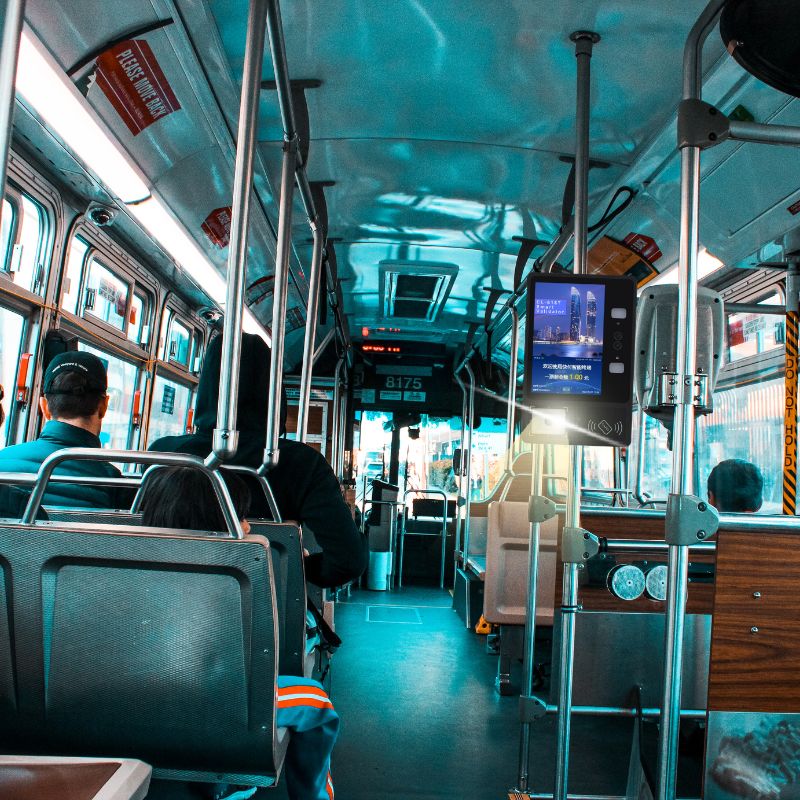 Why do some buses have only one card reader while others have two?
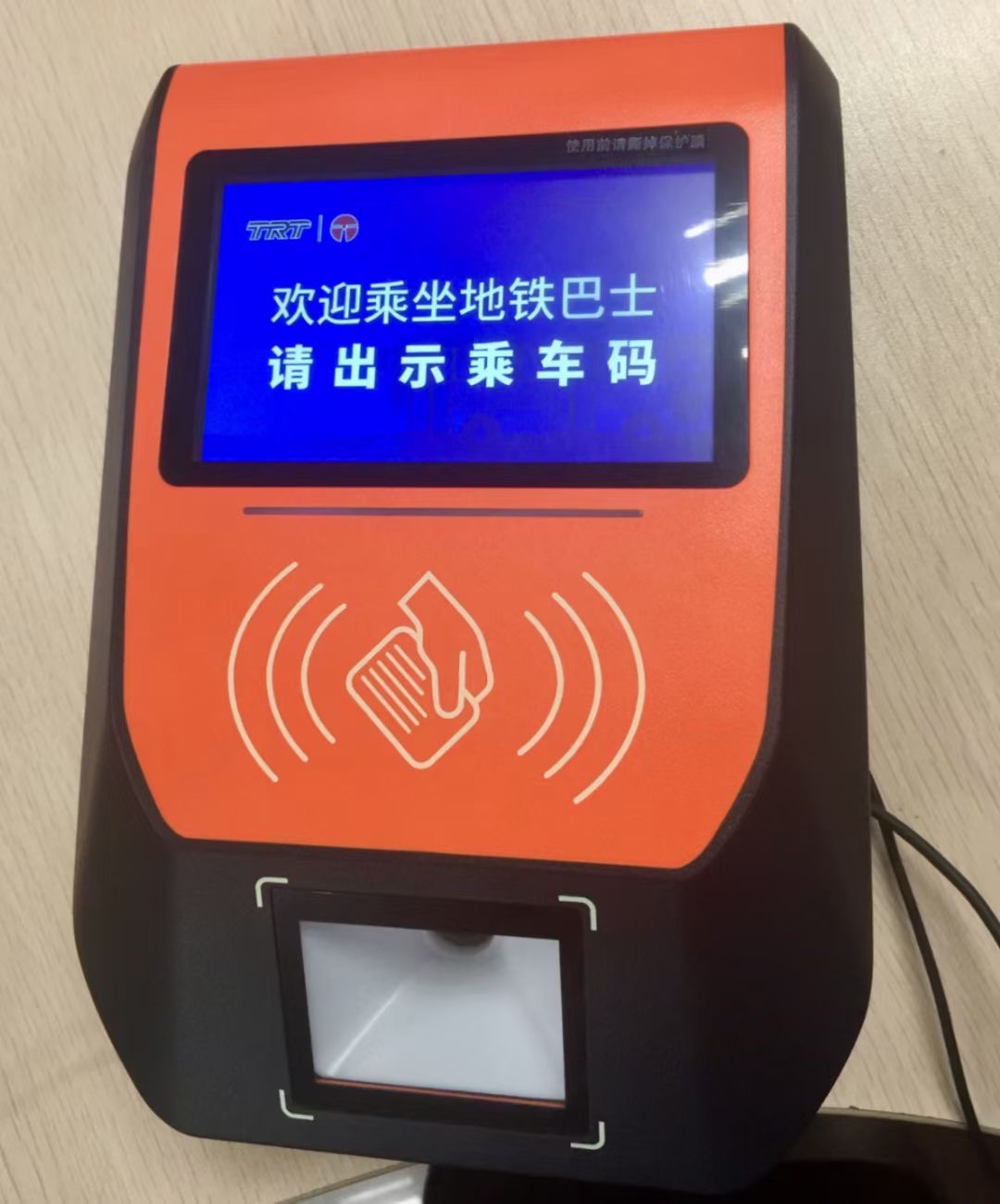 Can Bus Zonal Fare Collection Be Applied to Metro Systems?
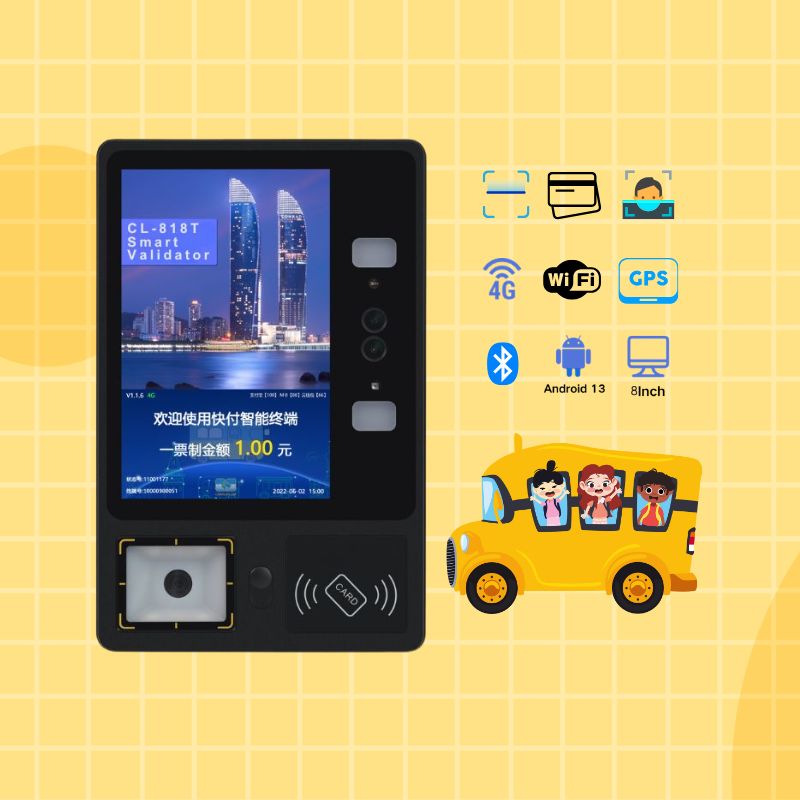 In which fields can prepaid cards be used for bus card readers?
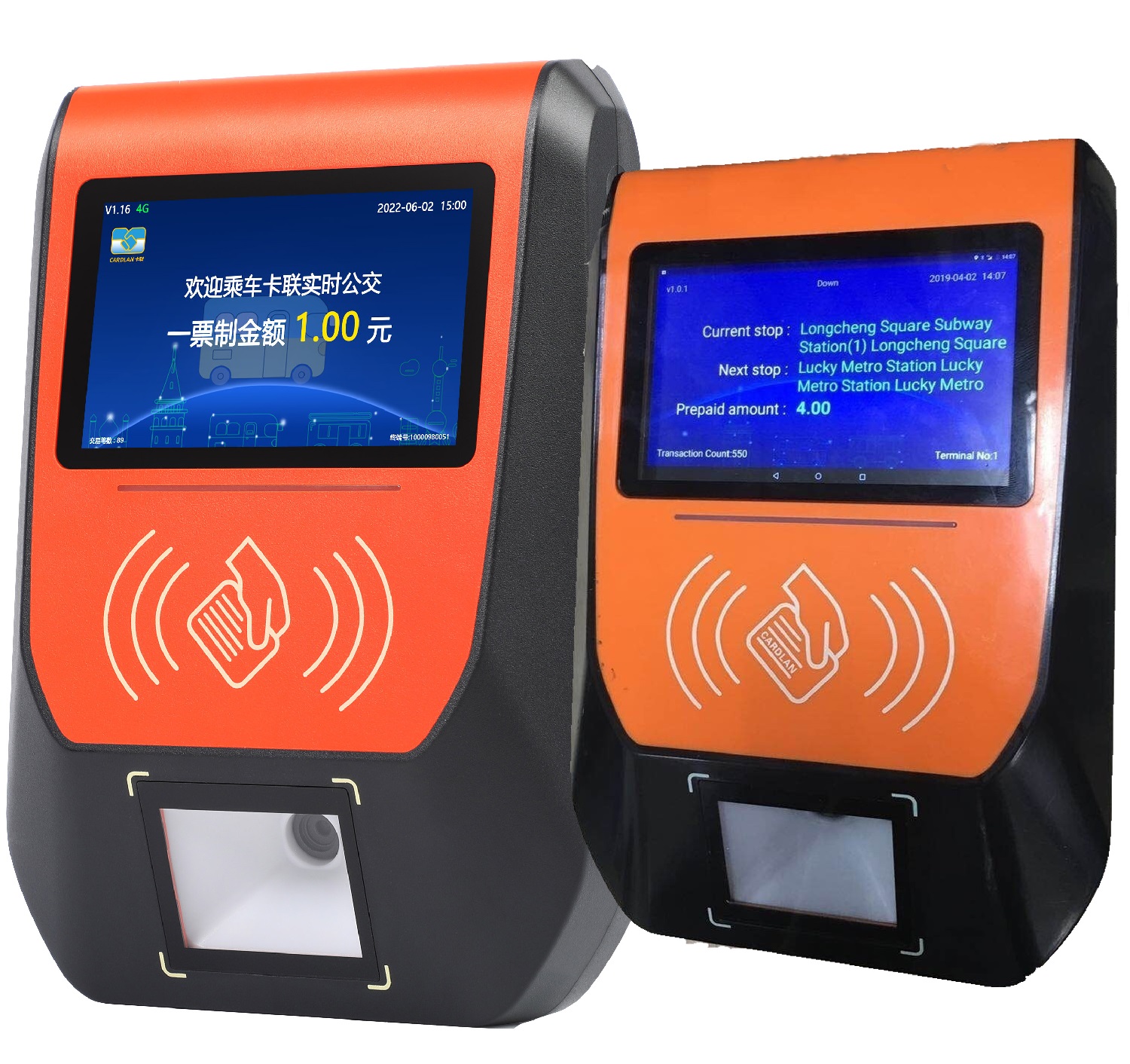 Cardlan Validator support SDK and API for development