
RFID and QR Code Verification Devices: Innovators of Modern Identity Authentication
With the rapid development of technology, identity authentication methods are constantly evolving. RFID (Radio Frequency Identification) and QR code verification devices, as innovators of modern identity authentication, are widely used in various fields, ranging from retail, logistics, to security access control, bringing great convenience to our lives.
RFID technology involves non-contact, bidirectional data communication through radio waves. RFID tags store specific information, and when the tag enters the recognition range of an RFID reader, the reader can automatically read the information stored in the tag, completing the identity authentication process. RFID verification devices are renowned for their fast recognition speed, high accuracy, and ease of operation, especially suitable for large-scale and high-efficiency identity authentication scenarios.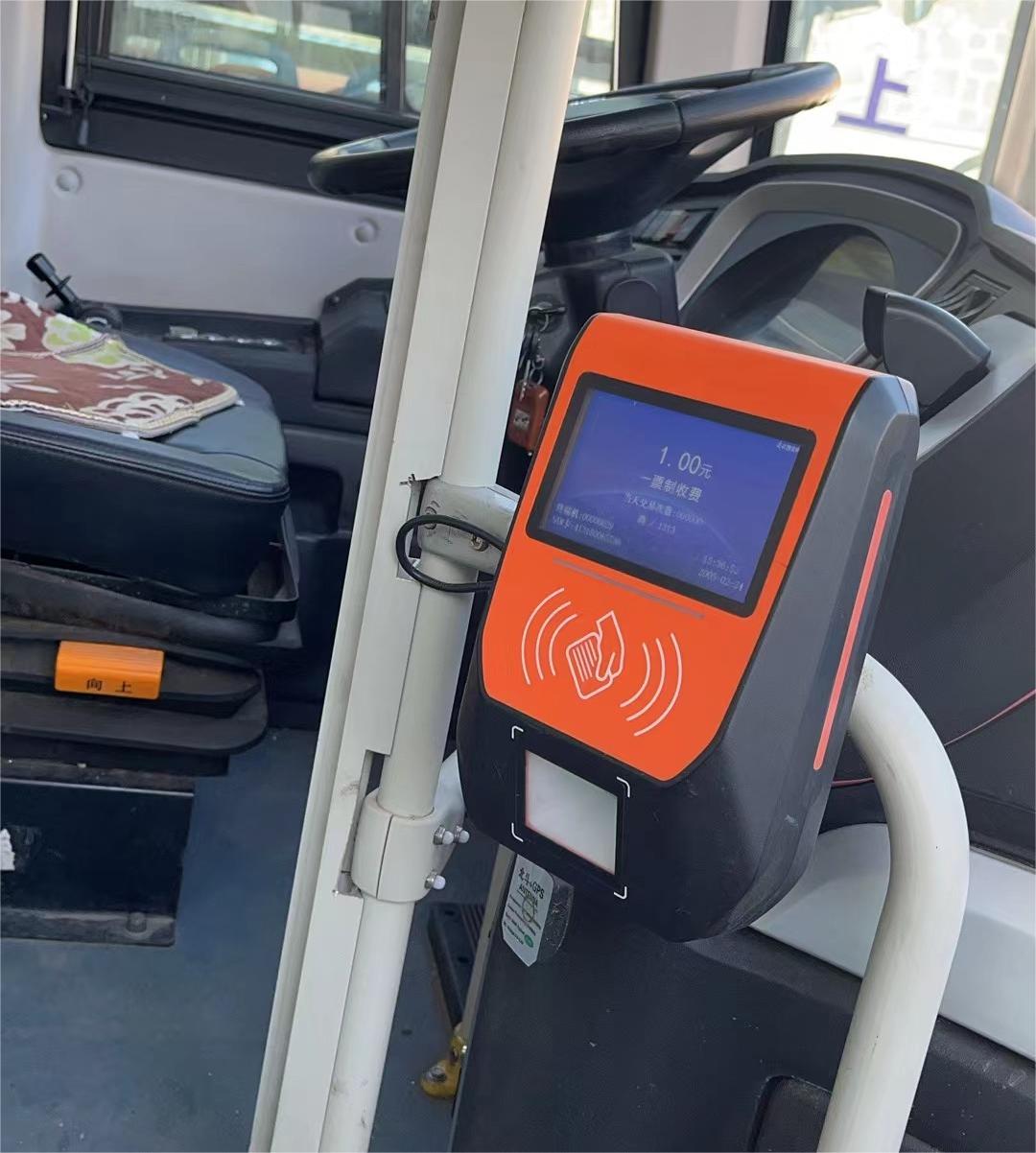
In the retail sector, RFID verification devices are widely used in merchandise management and anti-theft systems. Each item is equipped with a unique RFID tag, allowing RFID readers to quickly and accurately identify product information, improving the efficiency of inventory management. Additionally, RFID anti-theft systems effectively prevent merchandise from being stolen or lost, ensuring the safety of retailers' assets.
In the logistics industry, RFID verification devices also play a crucial role. By installing RFID tags on goods and transportation equipment, real-time tracking and positioning of cargo can be achieved. This not only improves logistics efficiency but also reduces risks during transportation. Furthermore, RFID verification devices can be used to verify the identity of transportation personnel, ensuring the safe and reliable transportation of goods.
Compared to RFID technology, QR code verification devices are more widespread and convenient. QR codes are a new generation of barcode technology that uses specific geometric patterns arranged in a plane (two-dimensional direction) to record data and symbol information. Users can simply scan the QR code with their mobile phones to access the information or complete identity authentication. QR code verification devices are known for their low cost, ease of operation, and wide range of applications, particularly suitable for mobile payments and ticketing management.
In mobile payments, QR code verification devices provide consumers with convenient payment methods. By scanning the merchant's QR code, consumers can quickly complete the payment process, eliminating the need to carry cash or bank cards. Simultaneously, merchants can confirm payment by scanning the consumer's payment code, enhancing transaction efficiency.
In ticketing management, QR code verification devices also play a significant role. Whether it's scenic tickets, concert tickets, or transportation tickets, all can be verified through QR codes. This not only improves the efficiency of ticketing management but also reduces the risk of ticket forgery.
However, while RFID and QR code verification devices bring convenience, they also face some challenges. For instance, the cost of RFID tags is relatively high, limiting their application in certain fields. Additionally, QR codes are vulnerable to replication and tampering, posing security risks. Therefore, while enjoying the convenience brought by these devices, we must also focus on improving their security performance and reducing costs.
In conclusion, RFID and QR code verification devices, as innovators of modern identity authentication, are continuously driving the development of identity authentication technology. With a wide range of applications, they have brought great convenience to our lives. As technology continues to progress and improve, it is believed that they will play an even more crucial role in the future.
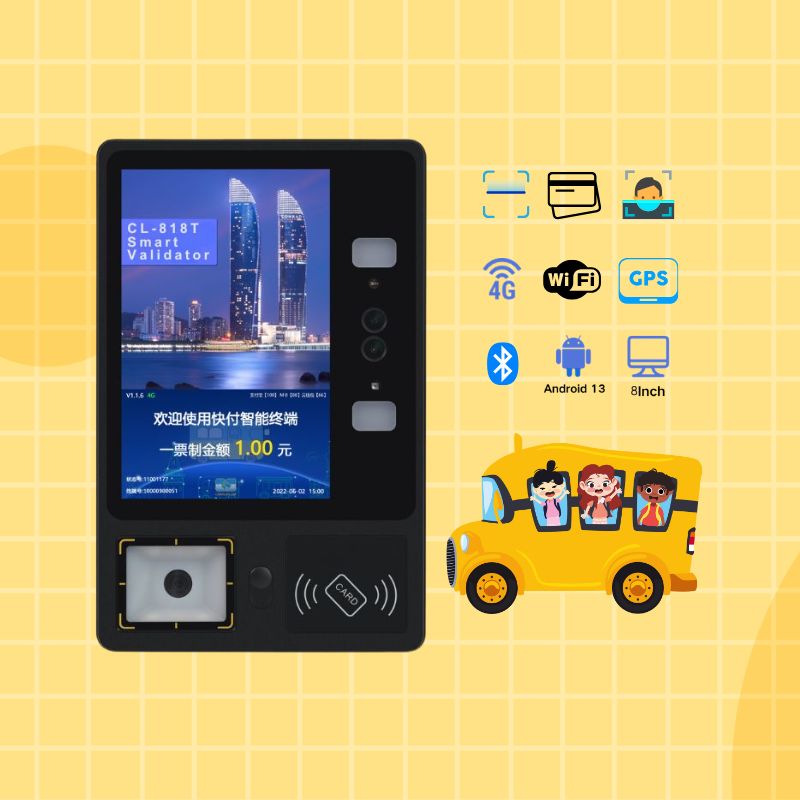
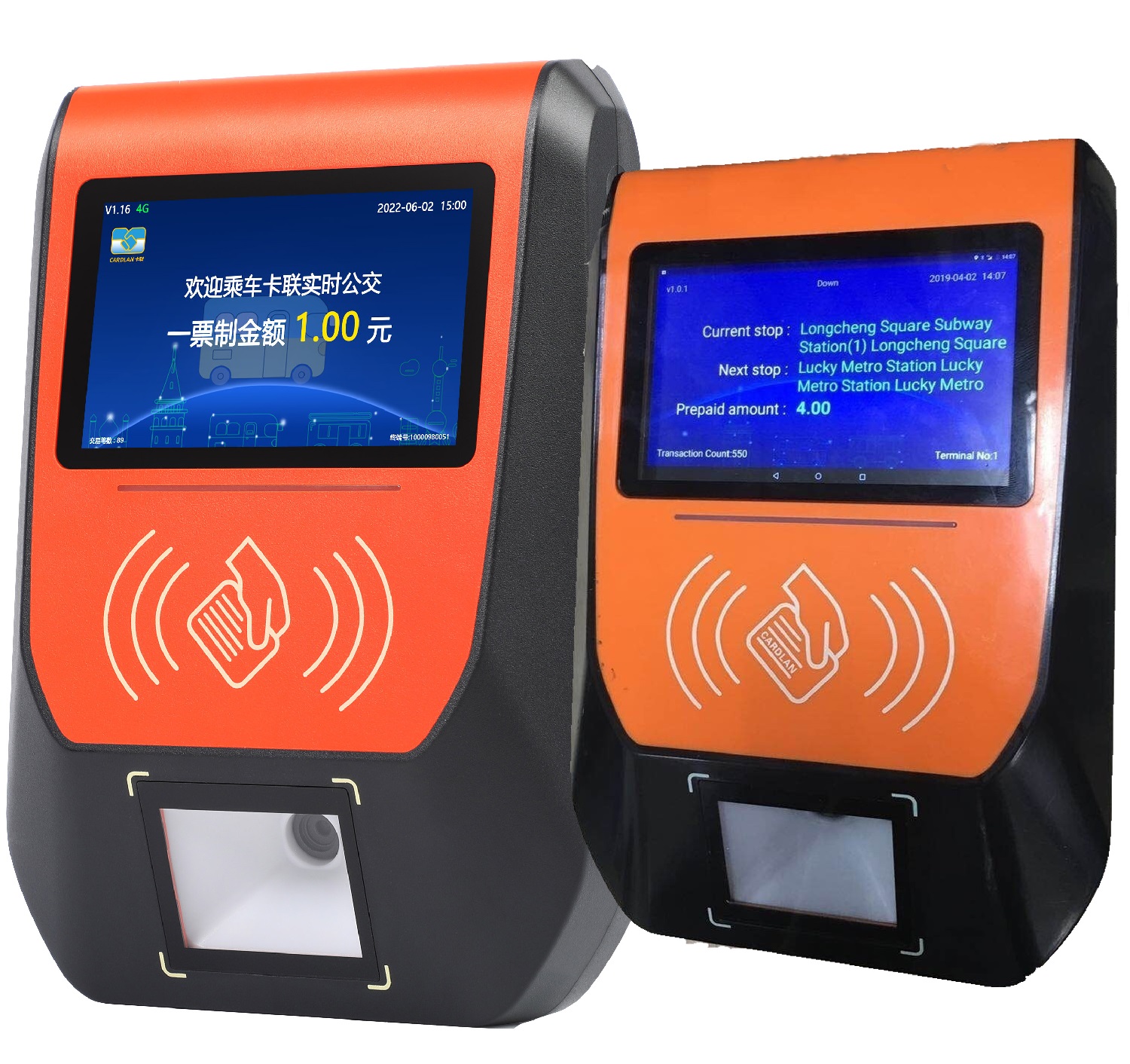
Shenzhen Cardlan has been in rfid payment field for more than 23 years,can offer cashless card reader/nfc payment with qr code readers.And Cardlan products can be used on so many kinds of fields, such as public Transportation payment /loyalty payment/Amusement park payment etc.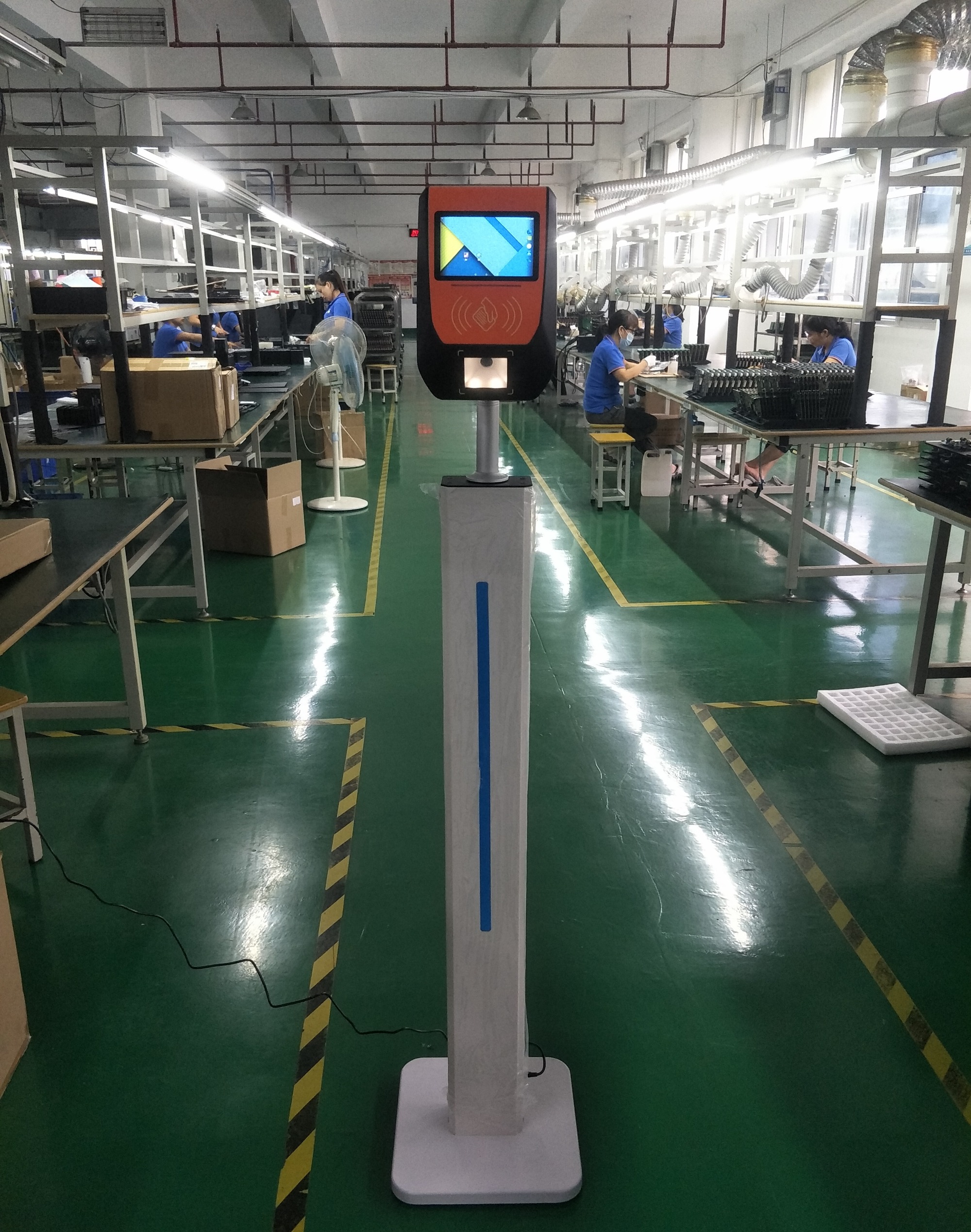
Warm welcome inquiry!
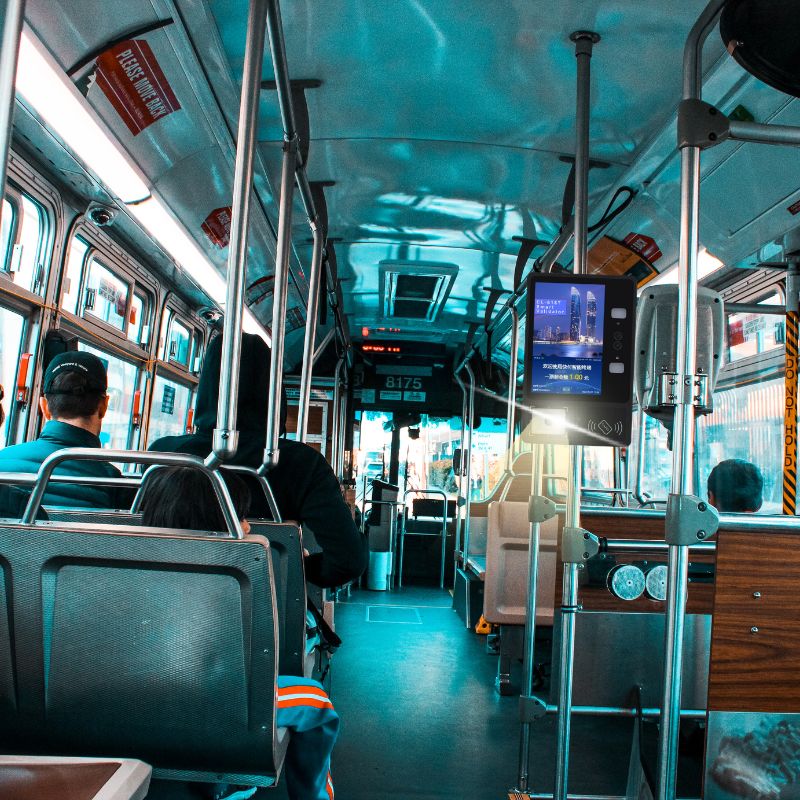 Why do some buses have only one card reader while others have two?
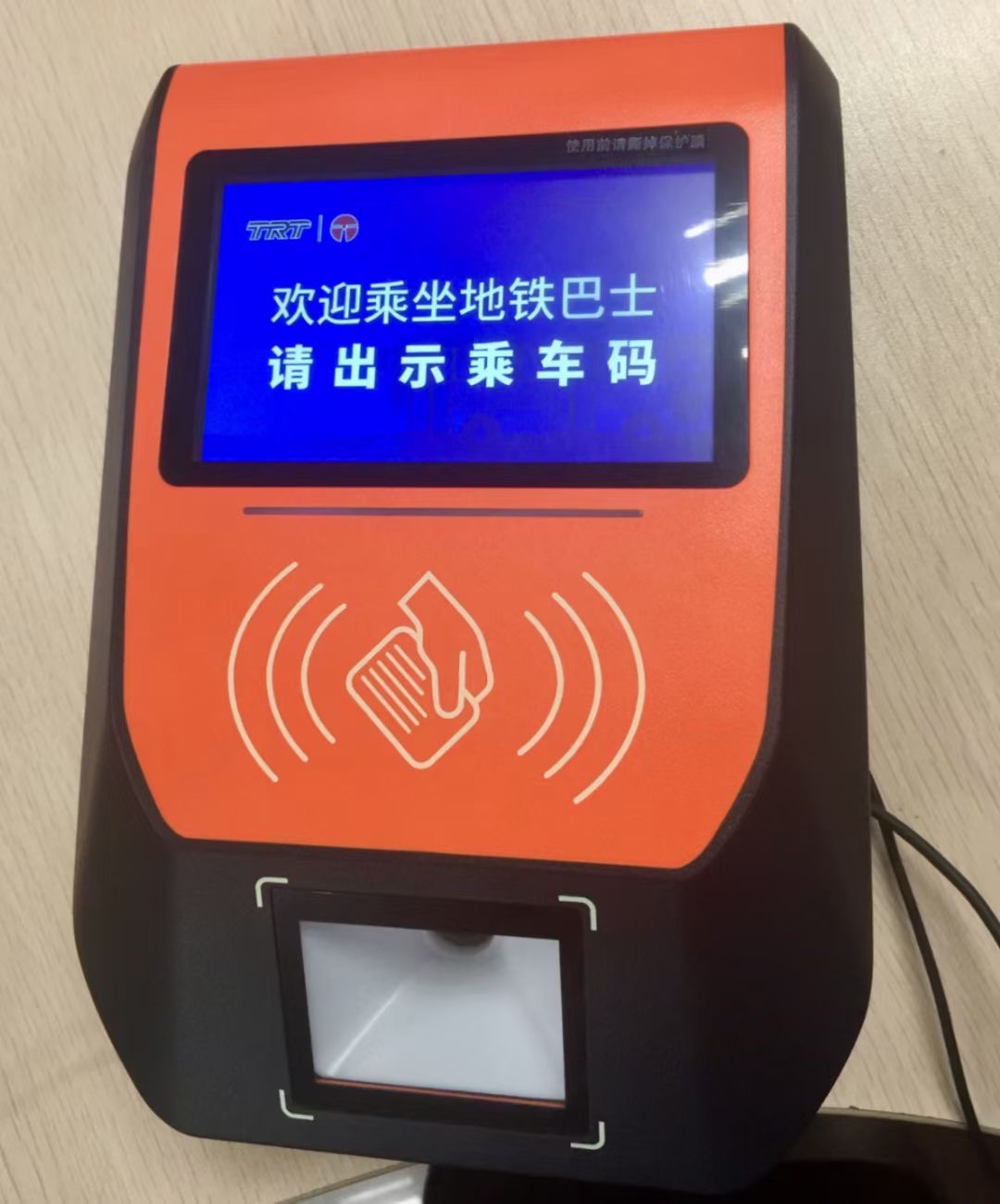 Can Bus Zonal Fare Collection Be Applied to Metro Systems?
 In which fields can prepaid cards be used for bus card readers?
 Cardlan Validator support SDK and API for development