Smart Bus Payment Solutions: Ushering Public Transport into a New Era of Intelligence
With the continuous development of technology, the smart bus system has become an essential component of modern urban public transportation. As a crucial link in this system, the smart bus payment solution integrates advanced payment technologies, intelligent on-board equipment, and data analysis capabilities to provide passengers and operators with more intelligent, efficient, and convenient services. This article will delve into the design objectives, system architecture, security guarantees, and applications of smart bus payment solutions in the field of public transportation.
I. Design Objectives
The design objectives of the smart bus payment solution primarily focus on the following aspects:
- Providing convenient payment methods: By utilizing mobile payment technologies such as smartphones, QR codes, and NFC, passengers can easily complete bus fare payments, avoiding the inconvenience and security risks associated with cash transactions.
- Enhancing user experience: Reducing waiting time for passengers during ticketing and payment processes, shortening the travel process, and improving the service quality of the public transportation system.
- Strengthening security: Ensuring the security of payment information, reducing payment risks, and providing a reliable and stable payment environment for passengers and operators.
II. System Architecture
The system architecture of the smart bus payment solution primarily consists of the following key components:
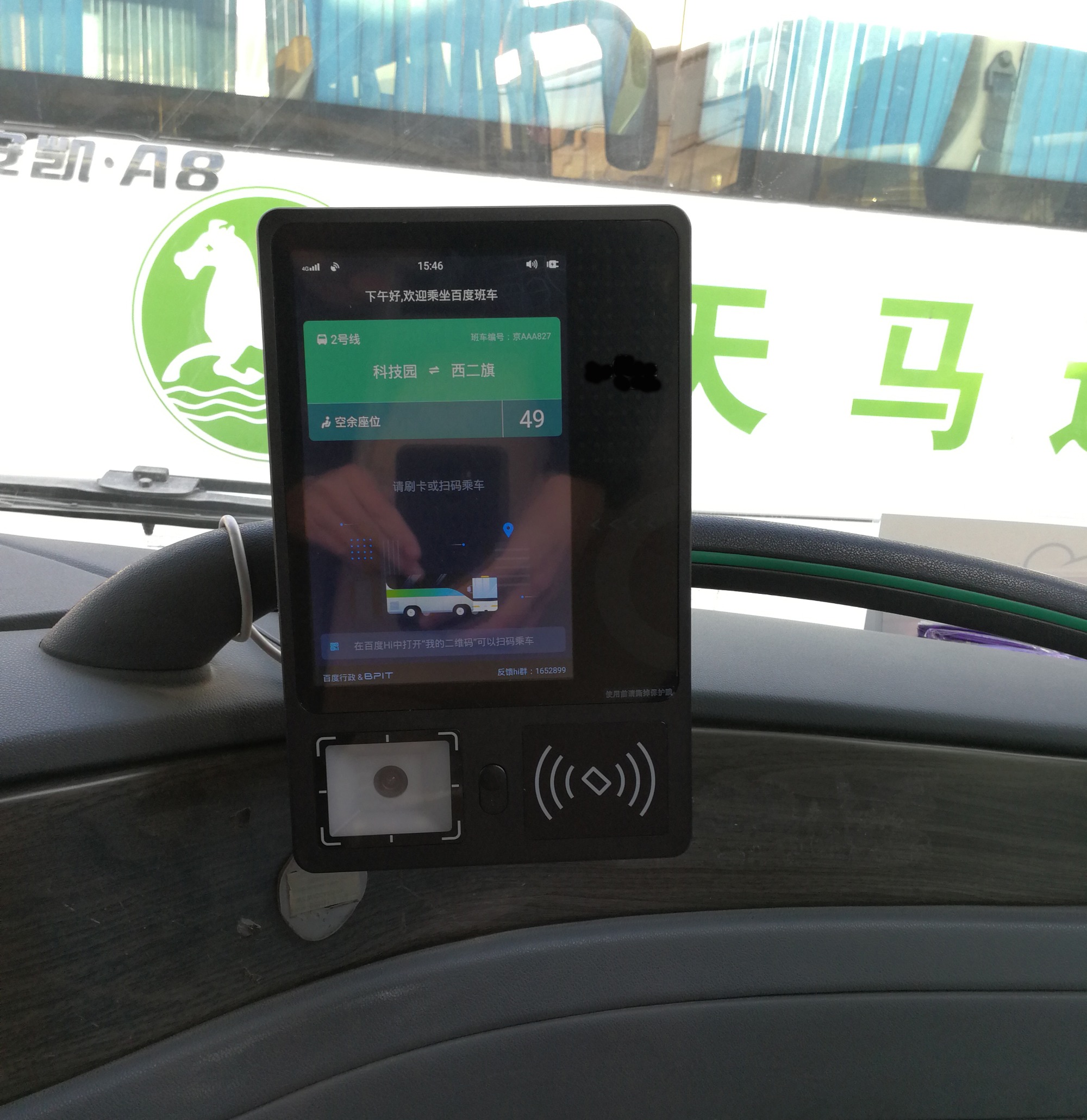
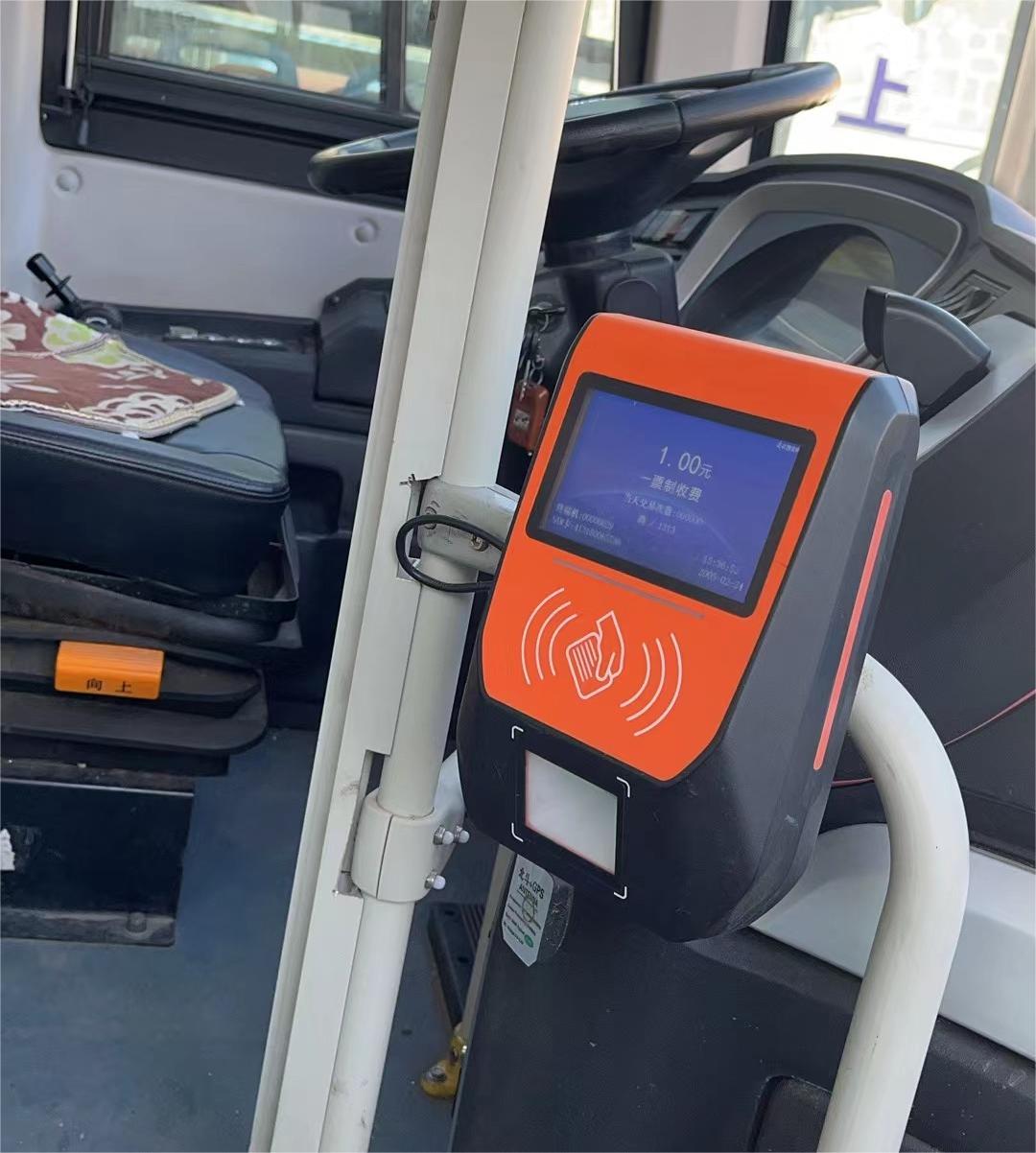
- Payment terminal equipment: This includes smart card machines, mobile payment devices on buses, and self-service ticketing machines at stations. These devices are responsible for receiving payment requests from passengers and completing payment operations.
- Transaction processing center: This center handles payment transactions, including verifying payment information, deducting funds, and generating transaction records. It collaborates with banks, third-party payment institutions, and other entities to enable real-time transmission and processing of payment data.
- Payment platform: As the core of the smart bus payment solution, the payment platform integrates multiple payment methods, enabling unified management, settlement, and data analysis. Through the use of cloud computing and big data technologies, it conducts deep analysis of payment data to provide decision support for operators.
- Data center: The data center is responsible for storing and managing transaction data, user information, and other data, providing operators with data support to optimize operational strategies and enhance service quality.
III. Security Guarantees
To ensure the security of the smart bus payment solution, the following aspects need to be addressed:
- Employing advanced encryption techniques and security protocols to safeguard the security of payment data during transmission and storage.
- Establishing strict identity verification and authorization mechanisms to prevent unauthorized access and operations.
- Regularly conducting security inspections and vulnerability scans of the payment system to promptly identify and address potential security risks.
IV. Applications and Impacts
The application of the smart bus payment solution not only improves the convenience and safety of public transportation but also has a profound impact on the intelligent development of urban traffic. Specifically, it helps to:
- Enhance passenger travel experience: Through real-time inquiries, online ticketing, and other functions, passengers can conveniently access bus information, reducing waiting and transfer times.
- Promote sustainable development of public transportation: The smart bus payment solution provides operators with more accurate market demand analysis and resource allocation suggestions, helping to optimize operational strategies, reduce operating costs, and enhance the competitiveness and attractiveness of public transportation.
- Drive the intelligent development of urban traffic: As an essential component of the intelligent development of urban traffic, the smart bus payment solution contributes to the comprehensive intelligent management of urban traffic, improving its operational efficiency and service quality.
In conclusion, the smart bus payment solution, with its convenience, efficiency, and security, is leading public transportation into a new era of intelligence. With continuous technological advancements and the expansion of application scenarios, it is expected that the smart bus payment solution will bring even more promising prospects for urban public transportation in the future.

 Why do some buses have only one card reader while others have two?
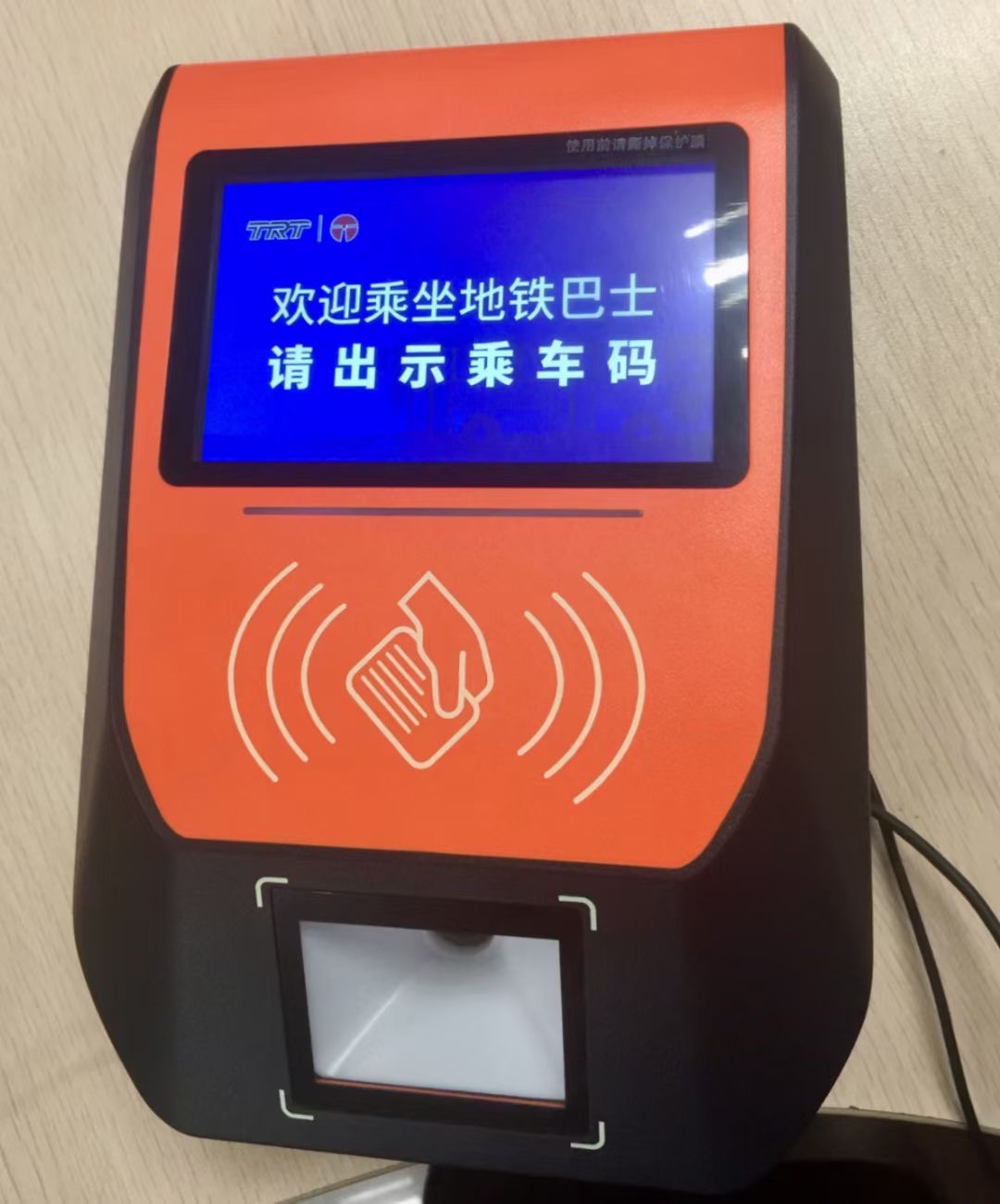 Can Bus Zonal Fare Collection Be Applied to Metro Systems?
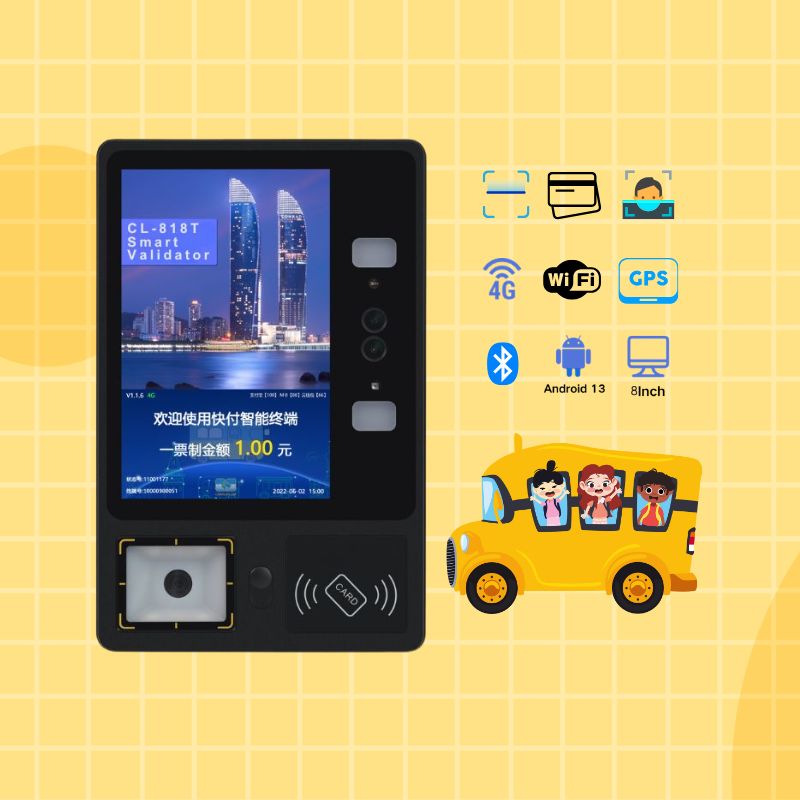 In which fields can prepaid cards be used for bus card readers?
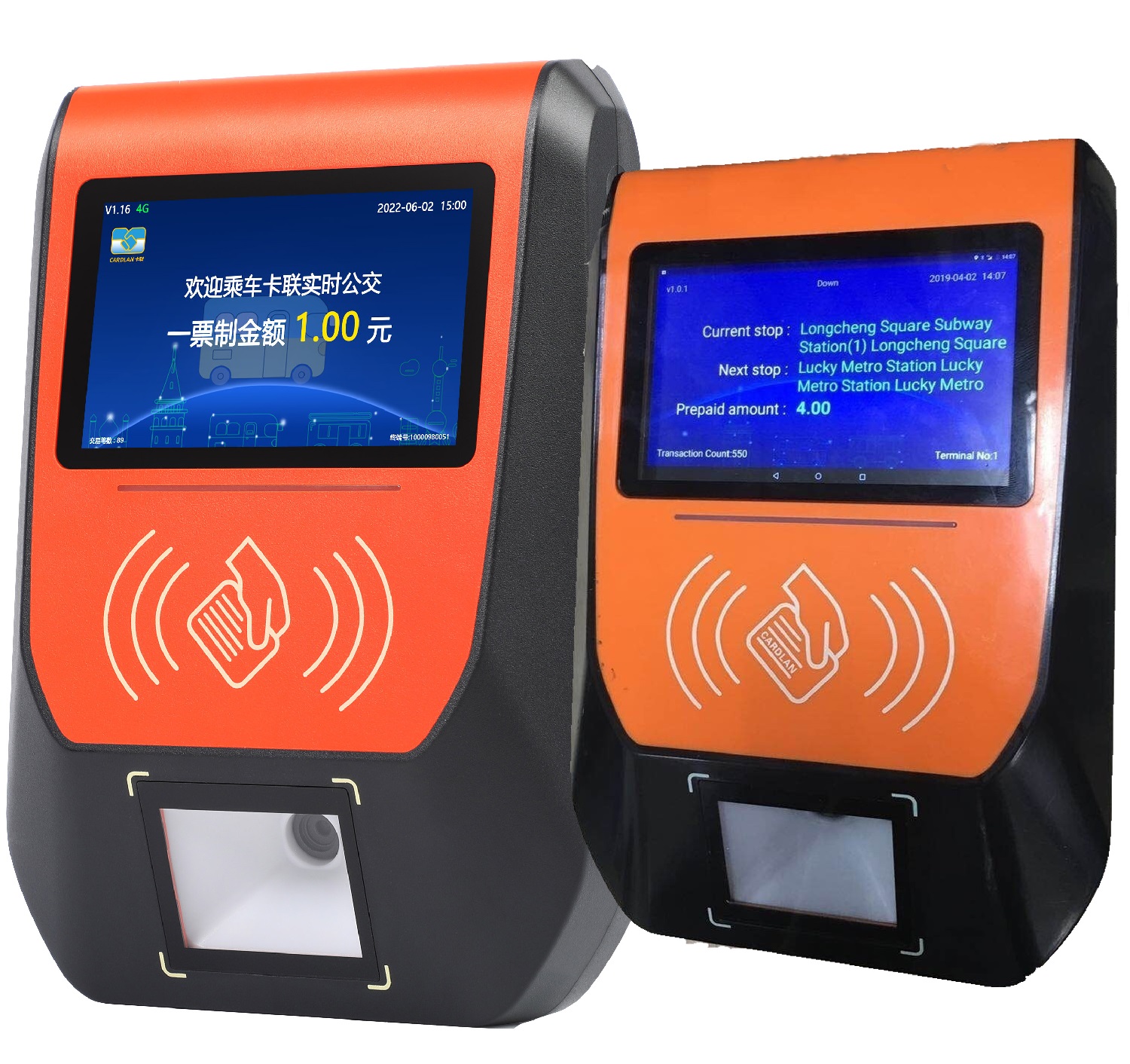 Cardlan Validator support SDK and API for development