With the development of science and technology, biometric technology has gradually replaced traditional identity authentication methods, such as magnetic cards, passwords, etc., effectively avoiding the risk of loss and theft of traditional identity authentication methods, and improving the security and convenience of identity authentication. Vein recognition has received extensive attention in recent years because of its unique recognition characteristics.
What is the recognition technology of palmar vein
What is palmar vein recognition technology? Palmar vein recognition is a relatively new biometric technology, which is applicable to the internal vein of the palm for identity recognition. Why is palmar vein recognition the safest biometric technology? It is mainly because the unique recognition method of palmar vein has the security and privacy advantages that traditional biometric technologies (such as fingerprint and face recognition) do not have.
Palmar vein recognition technology
It is more secure than palmprint and fingerprint recognition;
More stable than face recognition;
It is more universal than iris recognition.
So, what is the principle of palmar vein recognition? What are the main applications? What are the advantages? Let's make a brief introduction and discussion.Recognition principle and process of palmar veinPalmar vein recognition technology is to use near-infrared ray to irradiate the palm of the human body, and the light reflected by the palm is sensed by the sensor. The light wave of a specific wavelength irradiates the palm of the human body, so as to obtain a clear image of vein veins.
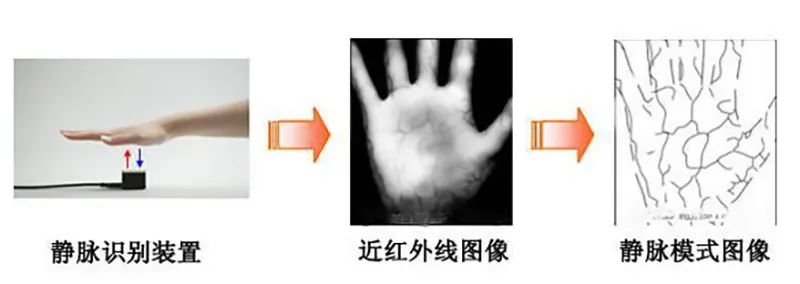
In addition, the vein pattern is the blood vessel network structure under the human skin, which is almost invisible to the naked eye under natural lighting conditions, and can only be obtained from the body when using infrared lighting, so it is very difficult to steal or forge the palm vein information.
In other words, vein recognition is to identify the position of the vein by using the intensity of the reflected near-infrared ray, and then compare the acquired biometric information of the vein veins of the palm vein of the identified person with the characteristics of the palm vein of the specific person collected in advance to confirm the identity.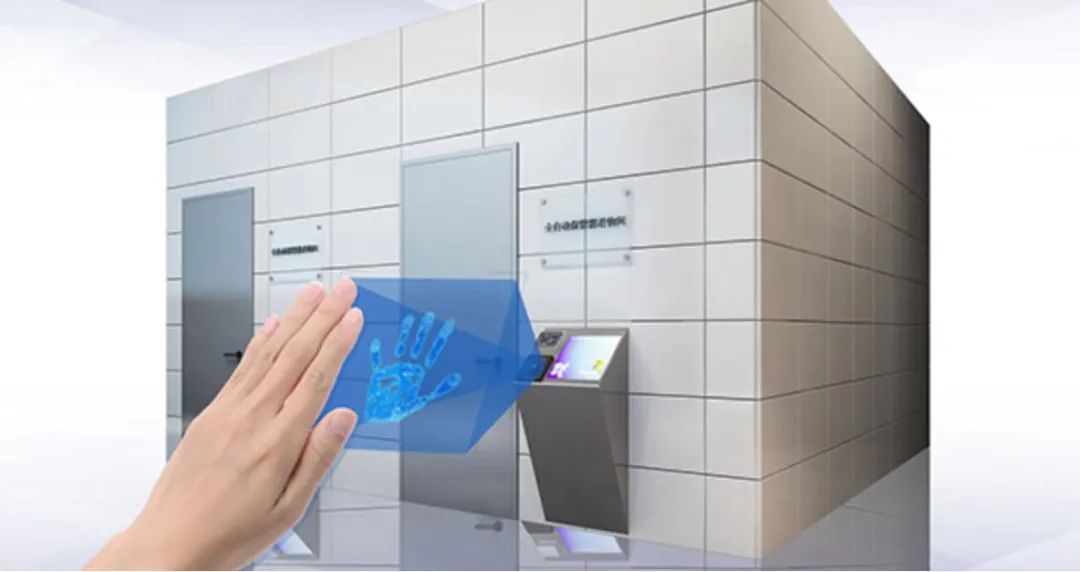 Characteristics and advantages of palmar vein
01. Living body identification
When using the palmar vein for identity authentication, the image features of the palmar vein are obtained, which only exist when the palmar vein is alive.
In this system, the non-living palm can't get the vein image features, so it can't be recognized, so it can't fake.
02. Internal characteristics
Venous vessels are hidden inside the body, so they will not be copied or embezzled. When the palmar vein is used for identity authentication, the image features of vein veins in the palm are obtained, not the image features of the palm surface.
This technology makes up for the shortcomings of slow fingerprint recognition, finger stains or finger skin peeling, etc.
03. Non-contact acquisition
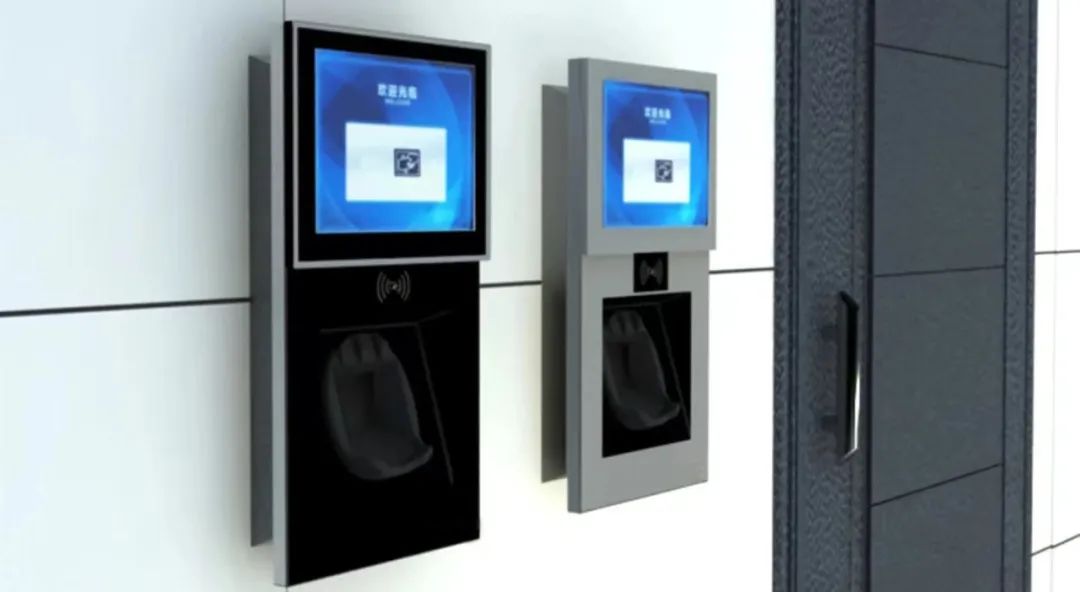
The palm vein is used for identity authentication. When obtaining the palm vein image, the palm does not need to contact the device, and the recognition can be completed by gently placing it;
In this way, there are no safety problems caused by unsanitary and virus infection and the possible reproduction of finger surface features when the hands touch the equipment;
04. High safety level
Because of the previous three features of living body recognition, internal feature and non-contact feature, it ensures that the user's palmar vein feature is difficult to be forged. Therefore, the palmar vein recognition system has a high security level and is particularly suitable for use in places with high security requirementsDemand and application of palmar vein
The palmar vein recognition technology has a wide range of applications, not only in security access control, rail transit, financial payment, but also in enterprise management, smart buildings, smart communities, smart parks, smart cities, scenic ticketing, medical service identity authentication, public security and justice, military security and other fields.
The palmar vein recognition system is deployed in the scene where personnel management, security control and financial payment are required, such as the access control machine, elevator elevator control, and company park. It can grant different access rights to different people for different channels to achieve multi-level control and management of access channels. The system can be networked and real-time monitoring to ensure security.

 Why do some buses have only one card reader while others have two?
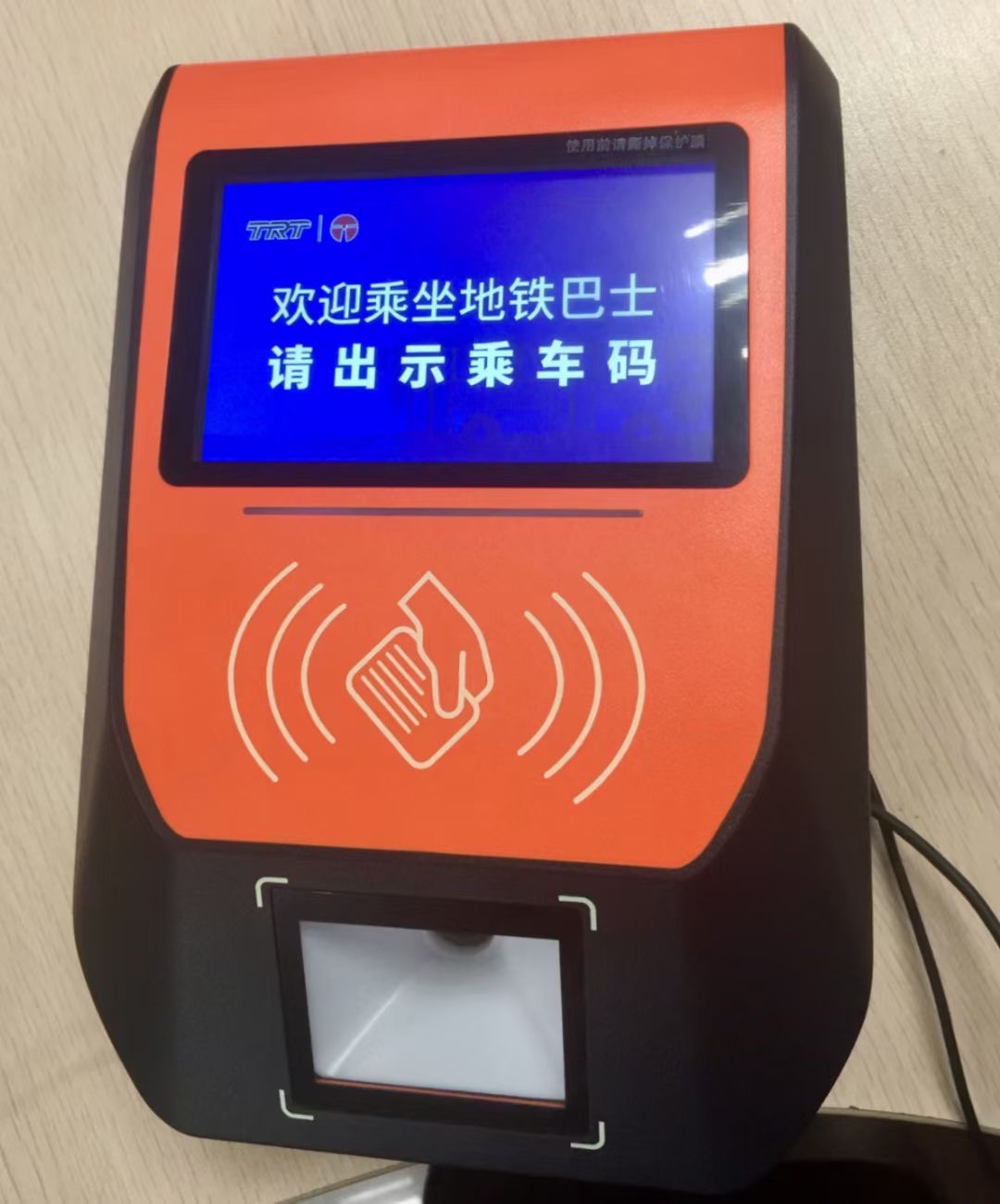 Can Bus Zonal Fare Collection Be Applied to Metro Systems?
 In which fields can prepaid cards be used for bus card readers?
 Cardlan Validator support SDK and API for development